
Erythraean Sibyl — History & Facts
No single figure in the Christian tradition stirred as much Renaissance fascination as the Sibyls—ancient prophetesses believed to have foretold the coming of Christ. Among them, the Erythraean Sibyl was said to have predicted the Trojan War and the birth of a savior. Jan van Eyck’s Erythraean Sibyl stands out as a rare Northern interpretation of this classical seer, created around 1432, at a time when such subjects were more commonly painted in Italy.
The work’s attribution to van Eyck has sparked debate, as no contemporary documentation survives, and its medium remains uncertain, adding a layer of mystery to its already enigmatic subject. At the center, the Erythraean Sibyl is caught mid-oracle, her gaze lifted as if listening to a voice beyond the viewer’s sight. She holds an open scroll, the Latin text curling across her lap, alluding to her prophecies. The folds of her robe are rendered with the meticulous attention to texture that defines van Eyck’s style, while the thin circlet on her brow marks her as both ancient and wise.
Unlike Michelangelo’s muscular, twisting Sibyls on the Sistine Chapel ceiling, van Eyck’s prophetess is reserved, her wisdom conveyed through calm composure and the subtle play of light on parchment and skin. The faint architectural background hints at a liminal space between the sacred and the earthly, reinforcing her role as a bridge between worlds. Little is known about the original patron or the early history of Erythraean Sibyl. It may have formed part of a larger altarpiece or devotional series, reflecting the period’s fascination with linking pagan prophecy to Christian salvation.
Over centuries, the panel’s journey is largely unrecorded, though its style and technique have led scholars to connect it with the Ghent region, where van Eyck was active. Today, the painting is celebrated as a testament to the Northern Renaissance’s engagement with classical themes, and its attribution continues to be discussed in academic circles, emblematic of the mysteries that still surround Jan van Eyck’s workshop and legacy.
More Artworks by Jan van Eyck

Adam
Jan van Eyck
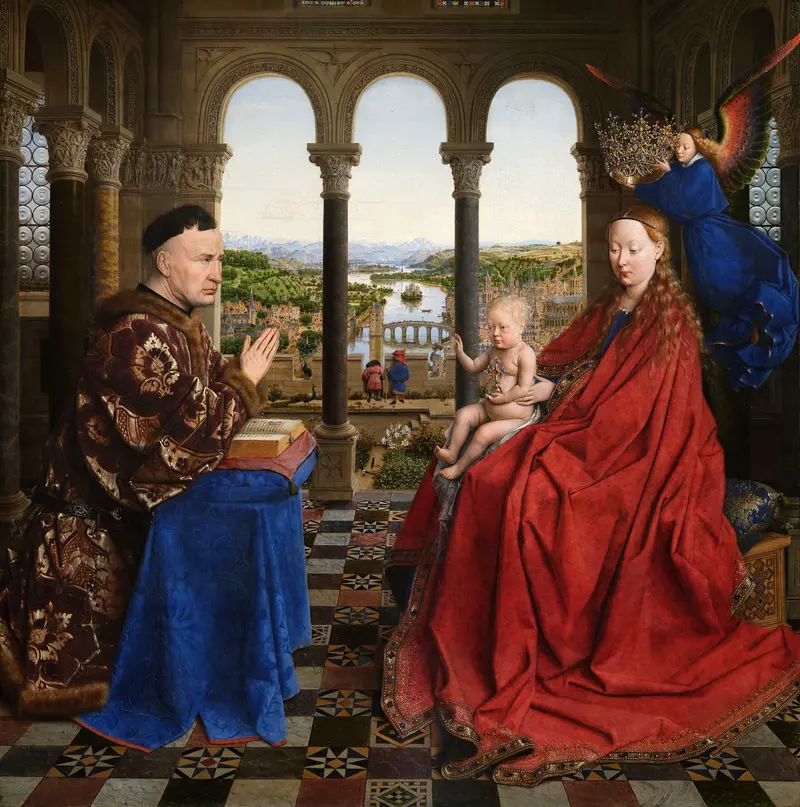
Madonna of Chancellor Rolin
Jan van Eyck
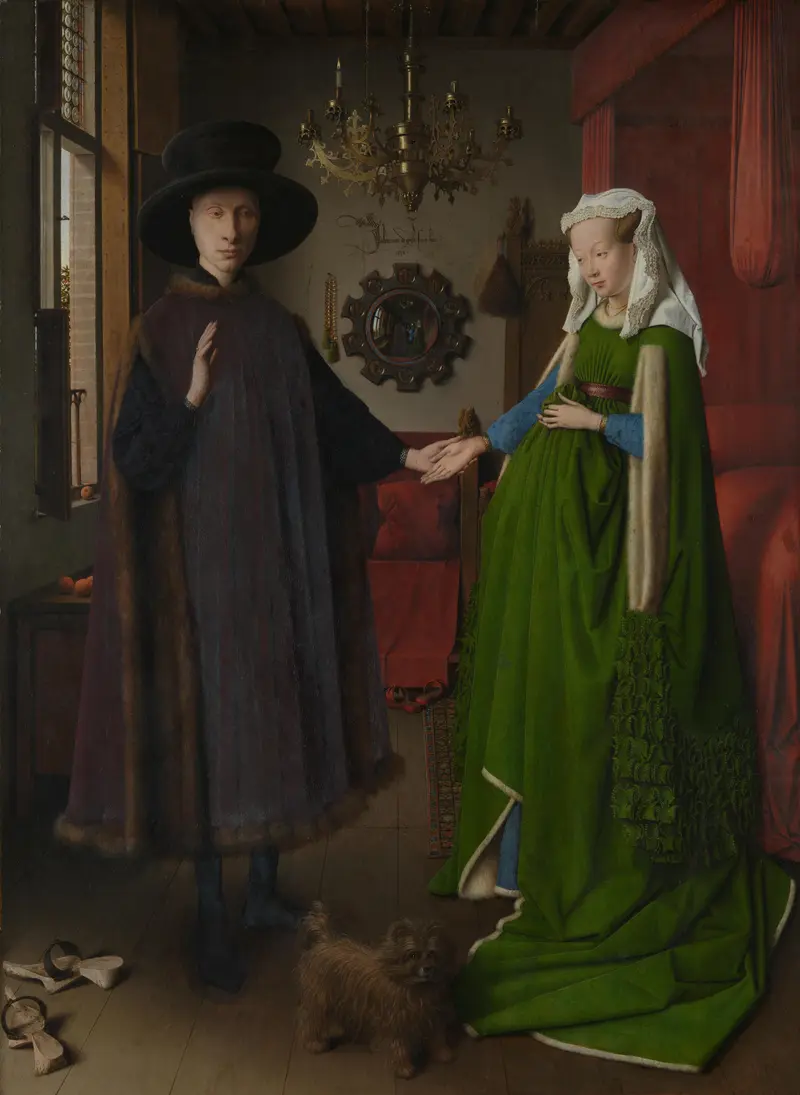
The Arnolfini Portrait
Jan van Eyck
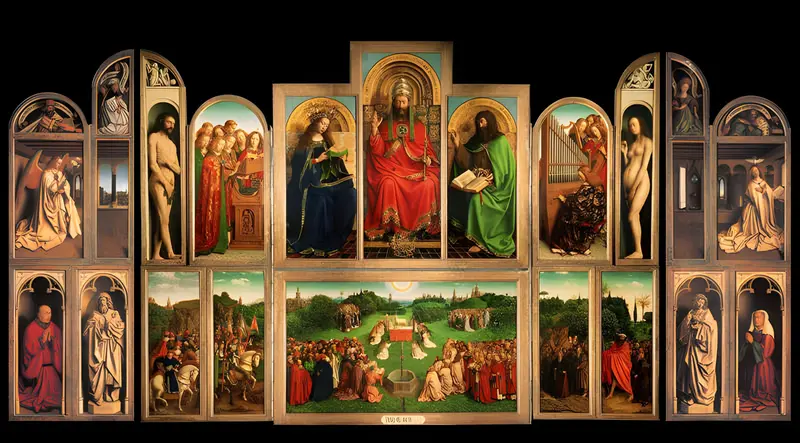
Ghent Altarpiece
Jan van Eyck

Dresden Triptych
Jan van Eyck
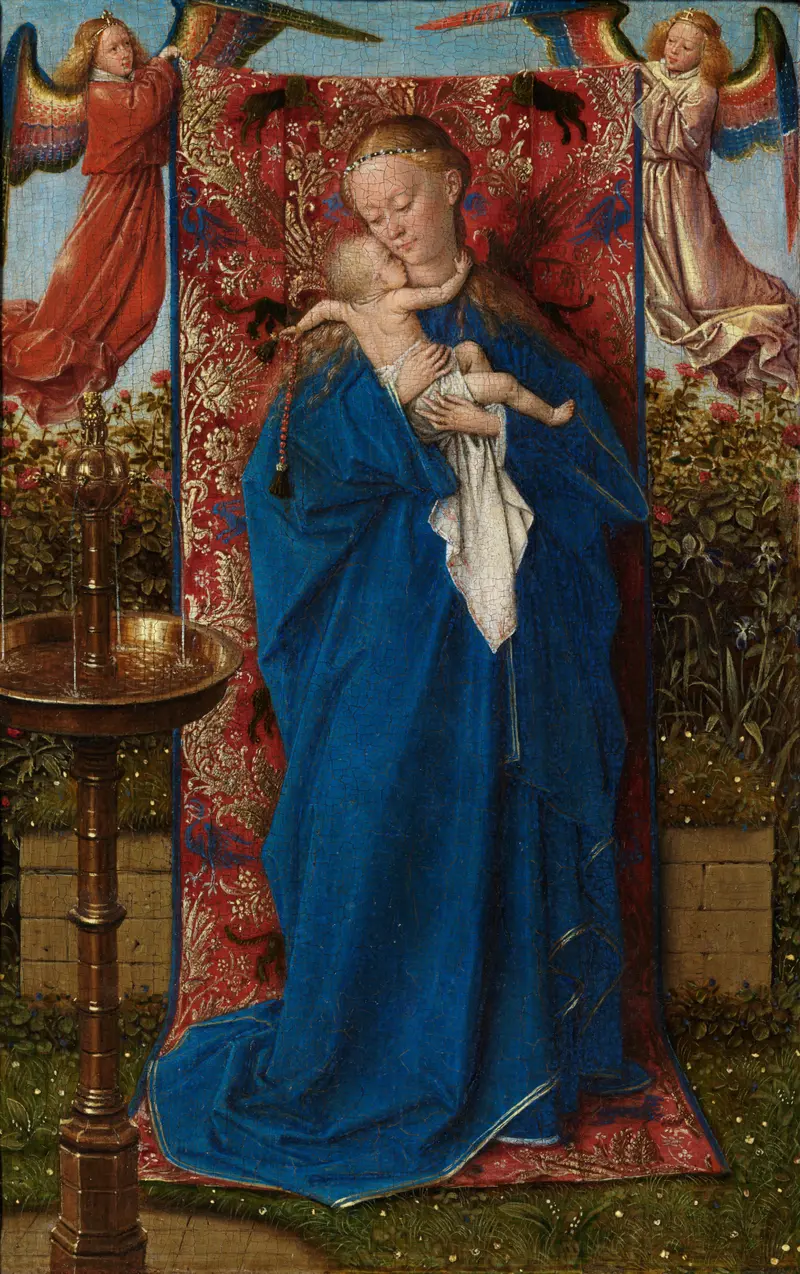
Madonna at the Fountain
Jan van Eyck

Madonna with Canon Joris van der Paele
Jan van Eyck

Prophet Zacharias; Angel of The Annunciation
Jan van Eyck
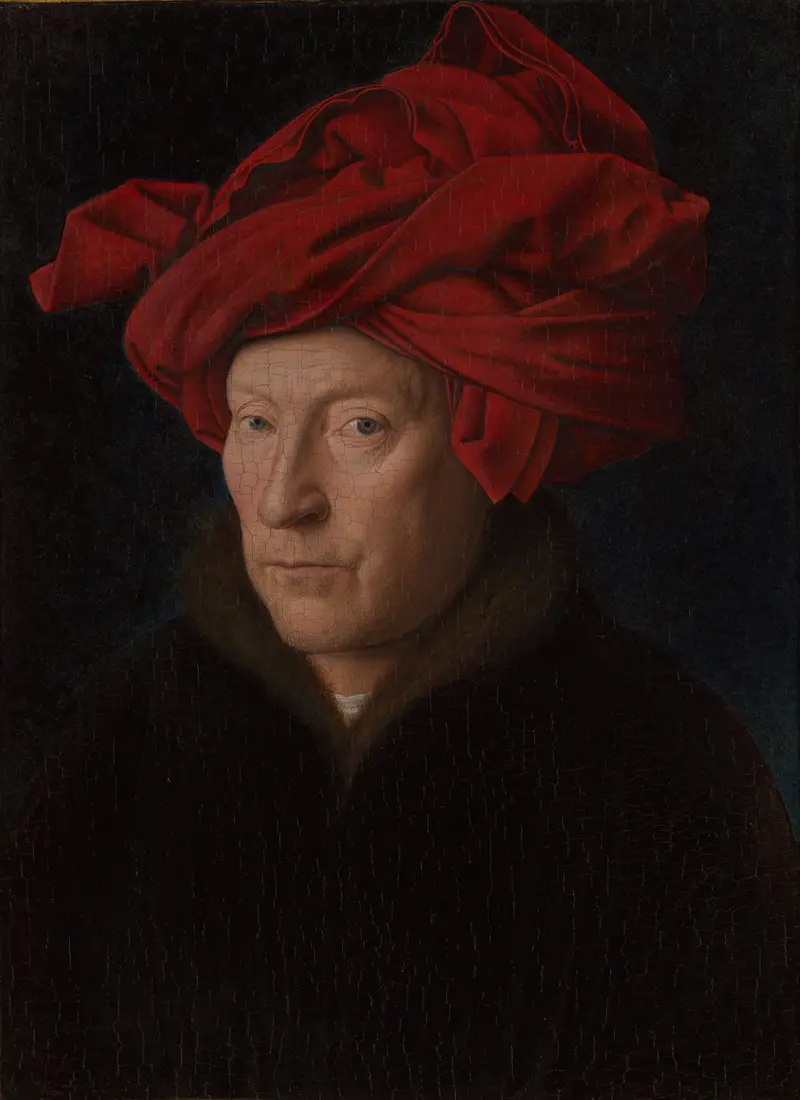
Portrait of a Man (Self Portrait?)
Jan van Eyck
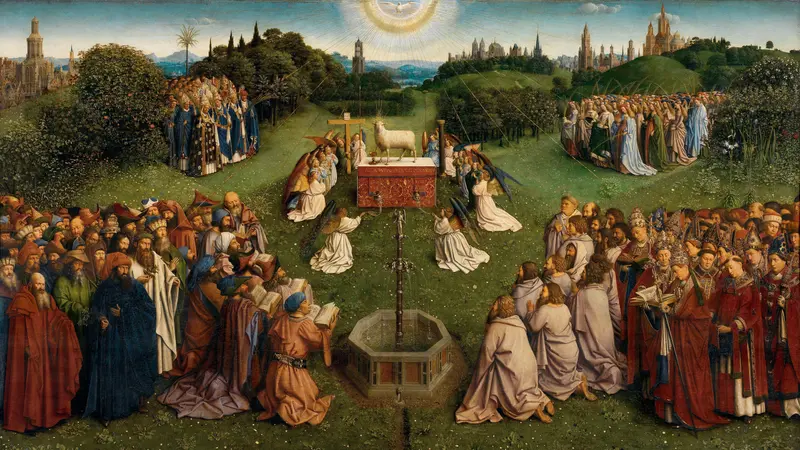
Adoration of the Lamb from the Ghent Altarpiece
Jan van Eyck





