
Fanciful Figure — History & Facts
No one knows for certain who the sitter is in Fanciful Figure, nor even if she ever truly existed. This uncertainty has made the painting a touchstone for debates about identity and invention in Jean-Honoré Fragonard’s work. Some have suggested she is a mere figment, a product of the artist’s imagination, while others have hunted for clues in her costume and gaze, hoping to link her to a real Parisian beauty of the late 1760s.
The title itself, Fanciful Figure, is a modern invention, reflecting the playful ambiguity that surrounds the painting. What is clear is that by 1769, Fragonard was already celebrated for his quick, spirited brushwork and his ability to capture fleeting expressions. Caught in a moment of lively self-possession, the woman turns toward the viewer, her lips parted as if she is about to speak or laugh. Her elaborate hat, adorned with ribbons and feathers, and the rich textures of her clothing, suggest both elegance and whimsy—hallmarks of Rococo taste.
The loose, energetic strokes that define her face and costume create a sense of immediacy, as if she has just spun around to greet us. This direct, almost conspiratorial engagement with the viewer is rare in portraiture of the time, more akin to the bravura sketches of Fragonard’s contemporary, Jean-Baptiste Greuze, than to the formal portraits of Élisabeth Vigée Le Brun. Every detail, from the glint in her eye to the playful tilt of her head, speaks to the artist’s delight in capturing personality rather than status. The journey of Fanciful Figure as an object is as mysterious as its subject.
The painting’s early provenance is undocumented, and even its medium remains uncertain—some believe it to be oil on canvas, others suggest pastel or a mixed technique. It has passed through private collections, often attributed simply to “a follower of Fragonard,” before scholars recognized the unmistakable hand of the master himself. Today, it stands as a testament to Fragonard’s inventive spirit during the late Rococo period, when he was experimenting with new forms of portraiture that blurred the line between reality and fantasy.
The work’s ambiguous origins and lively execution continue to invite fresh interpretations from each new generation of viewers.
More Artworks by Jean-Honoré Fragonard
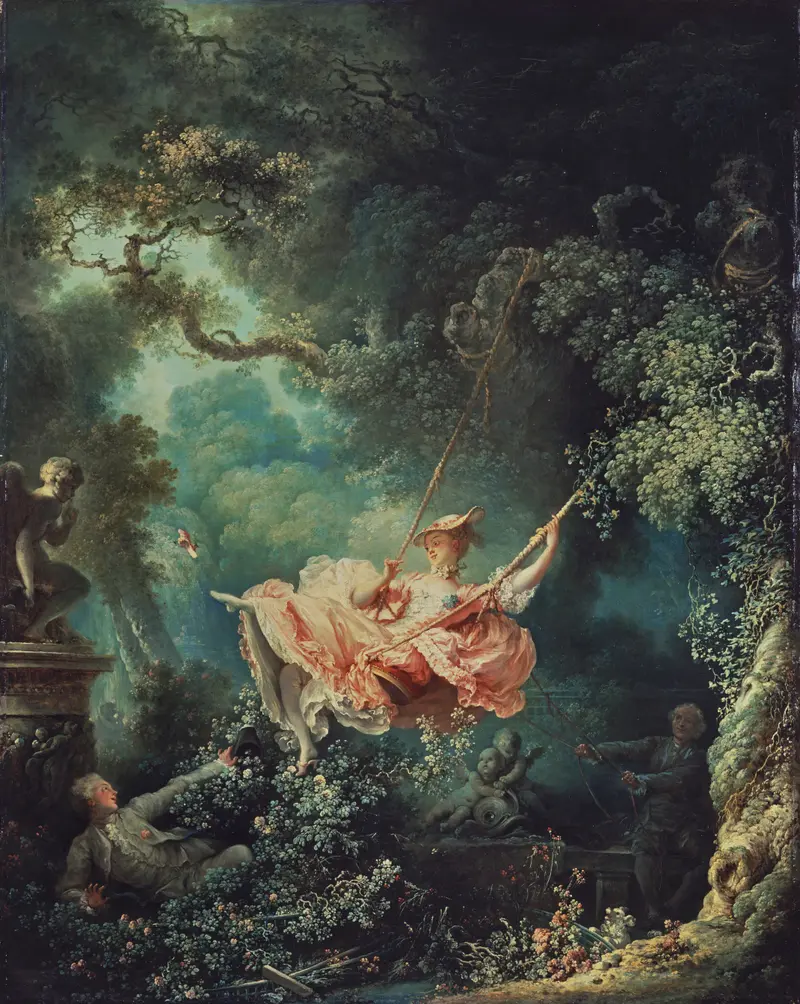
The Swing
Jean-Honoré Fragonard

The Swing
Jean-Honoré Fragonard
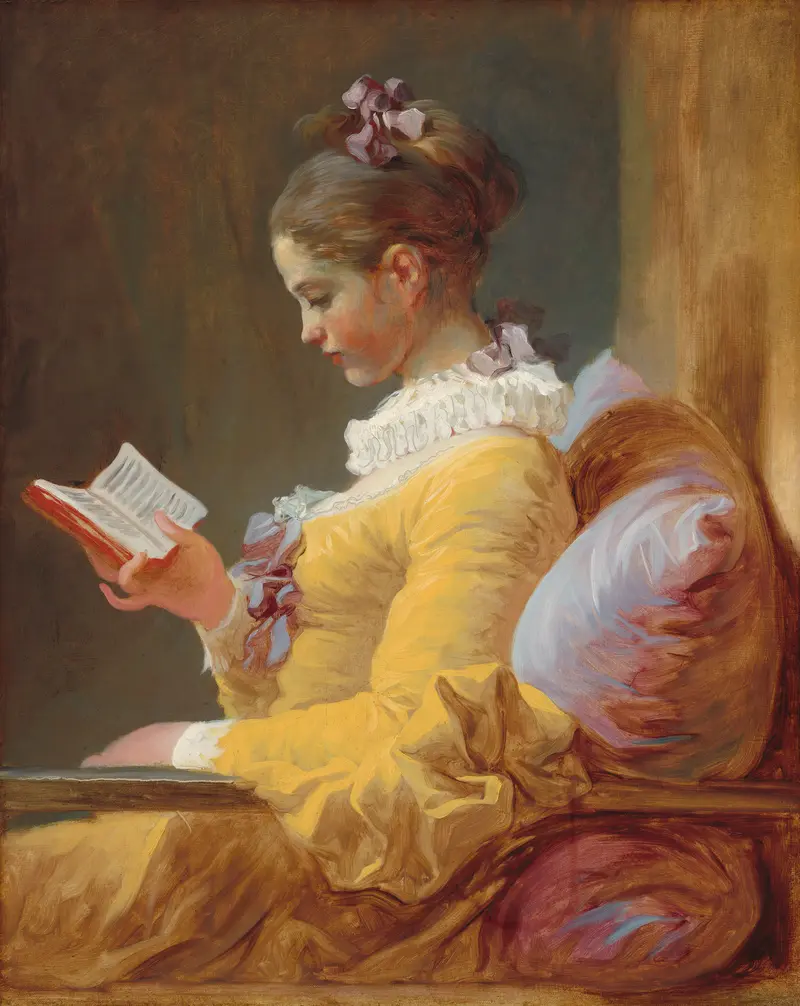
A Young Girl Reading
Jean-Honoré Fragonard
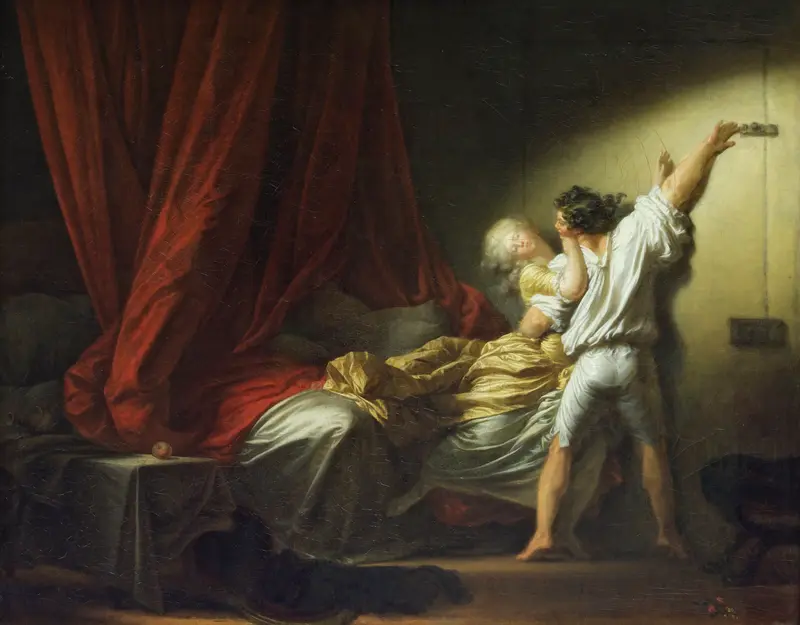
The Lock
Jean-Honoré Fragonard
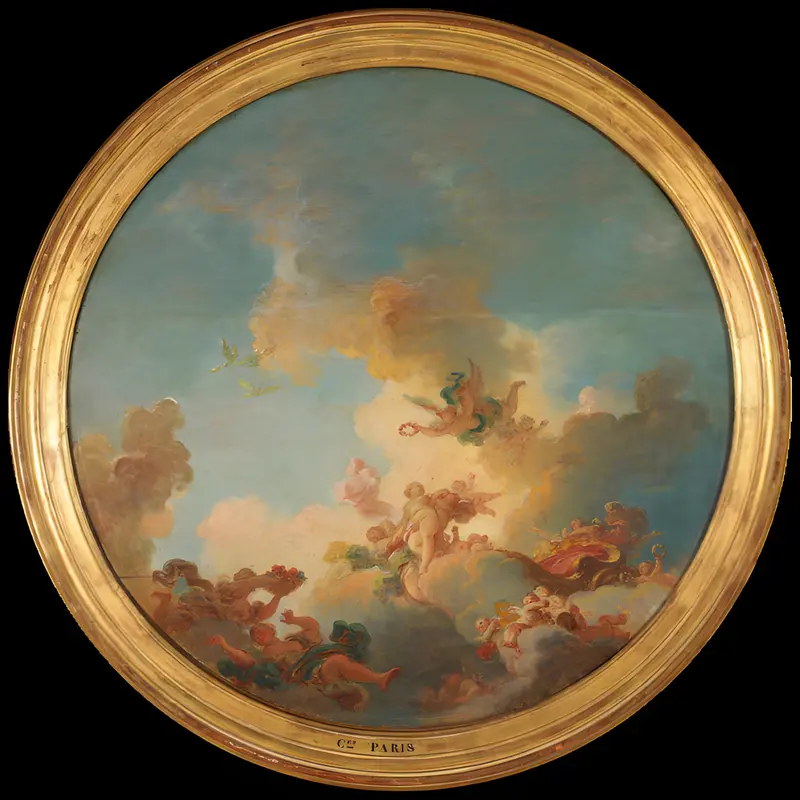
The Triumph of Venus
Jean-Honoré Fragonard
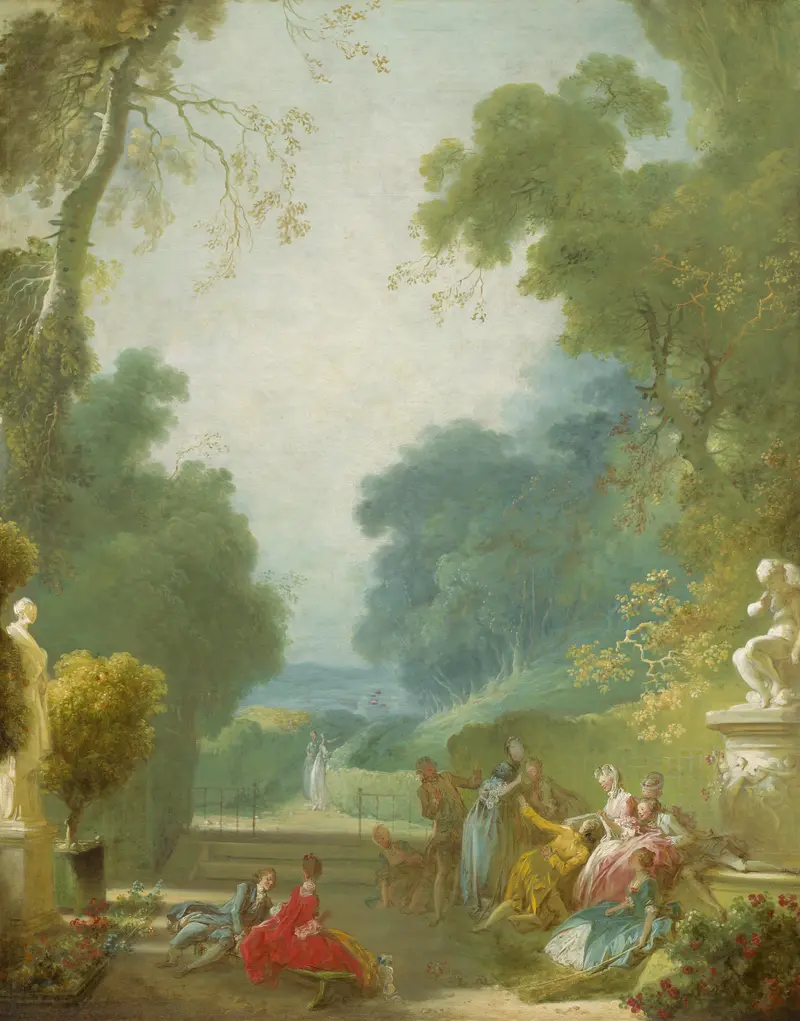
A Game of Hot Cockles
Jean-Honoré Fragonard
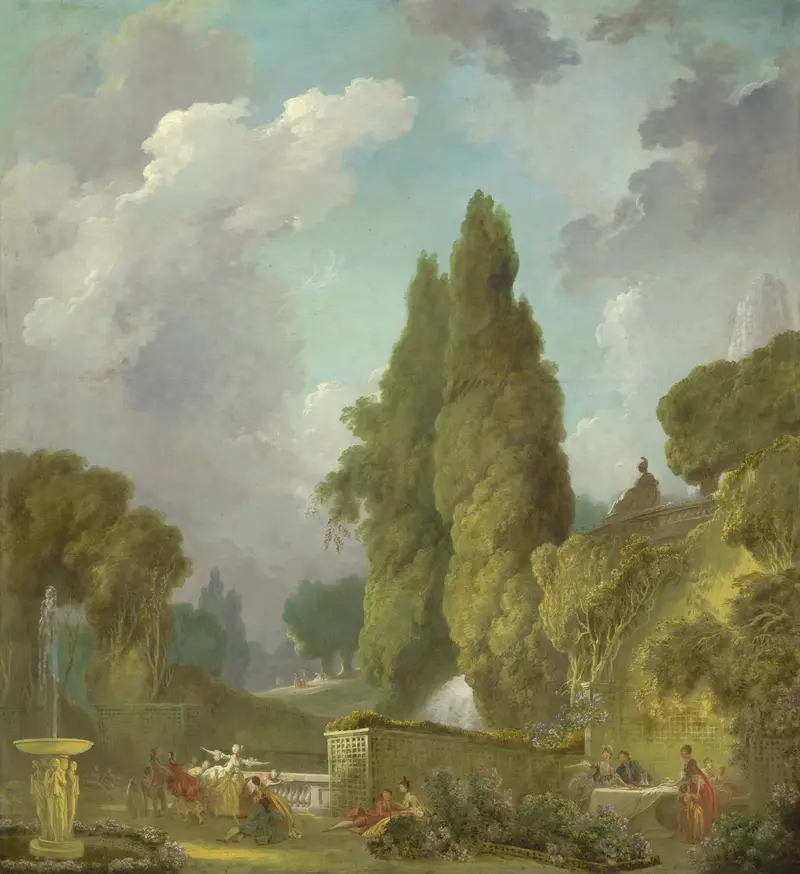
Blindman’s Buff
Jean-Honoré Fragonard
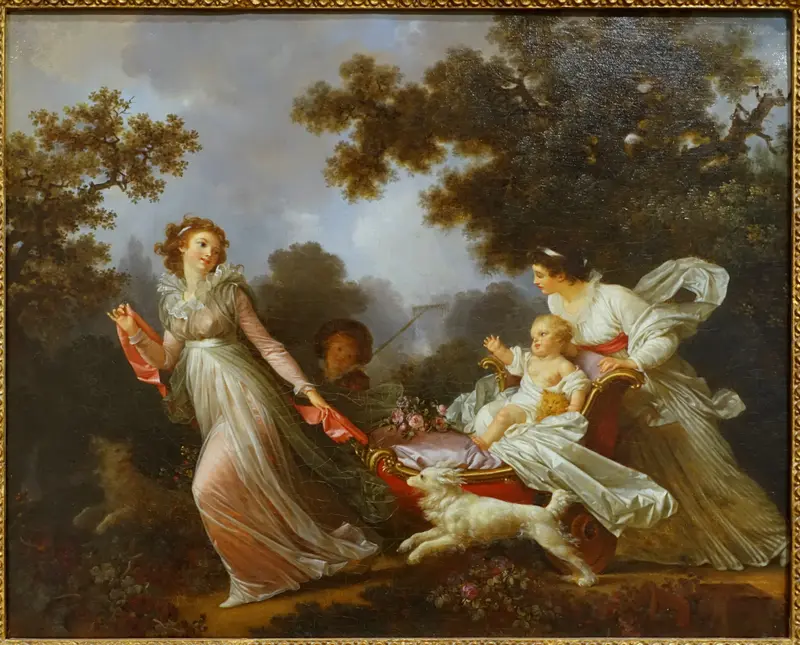
The Beloved Child
Jean-Honoré Fragonard
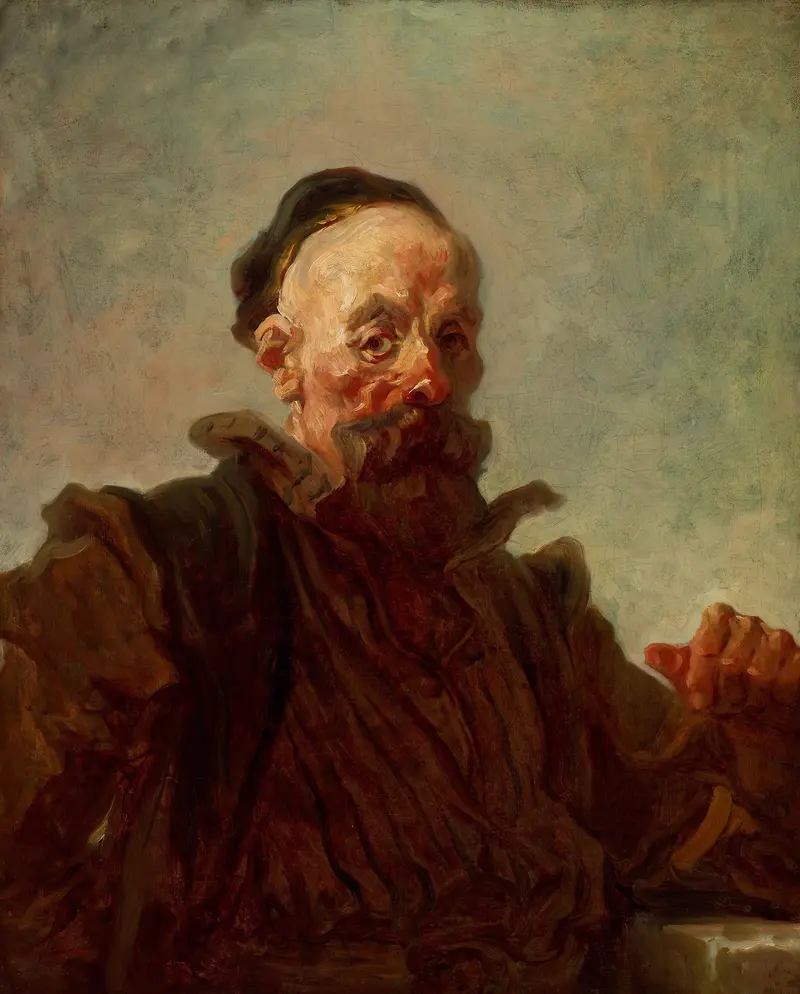
Portrait of a Man in Costume
Jean-Honoré Fragonard
The First Steps
Jean-Honoré Fragonard





