
Feast in the House of Simon (predella, panel two) — History & Facts
When Feast in the House of Simon (predella, panel two) was attributed to Sandro Botticelli in 1930, it stirred fresh debate among scholars, as Botticelli’s hand in small-scale predella panels has always been a matter of close scrutiny. The work is one of a series believed to have adorned the base of a larger altarpiece, each panel narrating a different episode from the life of Christ. Its rediscovery in the early twentieth century brought renewed attention to Botticelli’s narrative skill outside his more famous mythological scenes, and its attribution remains a subject of discussion, reflecting the complexities of workshop practice in Renaissance Florence. The scene Botticelli chose is the moment when Mary Magdalene, in the house of Simon the Pharisee, kneels to wash Christ’s feet with her tears and dries them with her hair—a gesture of humility and repentance described in the Gospel of Luke.
Botticelli places the figures around a narrow table, their faces animated by surprise and quiet reverence. The Magdalene’s golden hair, rendered in delicate brushwork, draws the eye to the act of devotion at the painting’s heart. The vessels on the table, the careful arrangement of hands, and the interplay of glances all serve to highlight the tension between the host’s skepticism and Christ’s acceptance.
Unlike Veronese’s grand, theatrical Feast in the House of Simon, Botticelli’s treatment is intimate, focusing on the emotional exchange rather than spectacle. Little is known about the panel’s early history, and its journey from Renaissance Florence to modern collections is not fully documented. It is likely that the predella was commissioned by a Florentine confraternity or church, as was common in Botticelli’s time, though no specific patron is recorded. The painting’s attribution to Botticelli in 1930 was based on stylistic analysis rather than documentary evidence, and some art historians have proposed the involvement of his workshop.
Today, the panel is recognized as an important example of religious narrative in the late fifteenth century, offering insight into the devotional practices and artistic collaborations of the period.
More Artworks by Sandro Botticelli
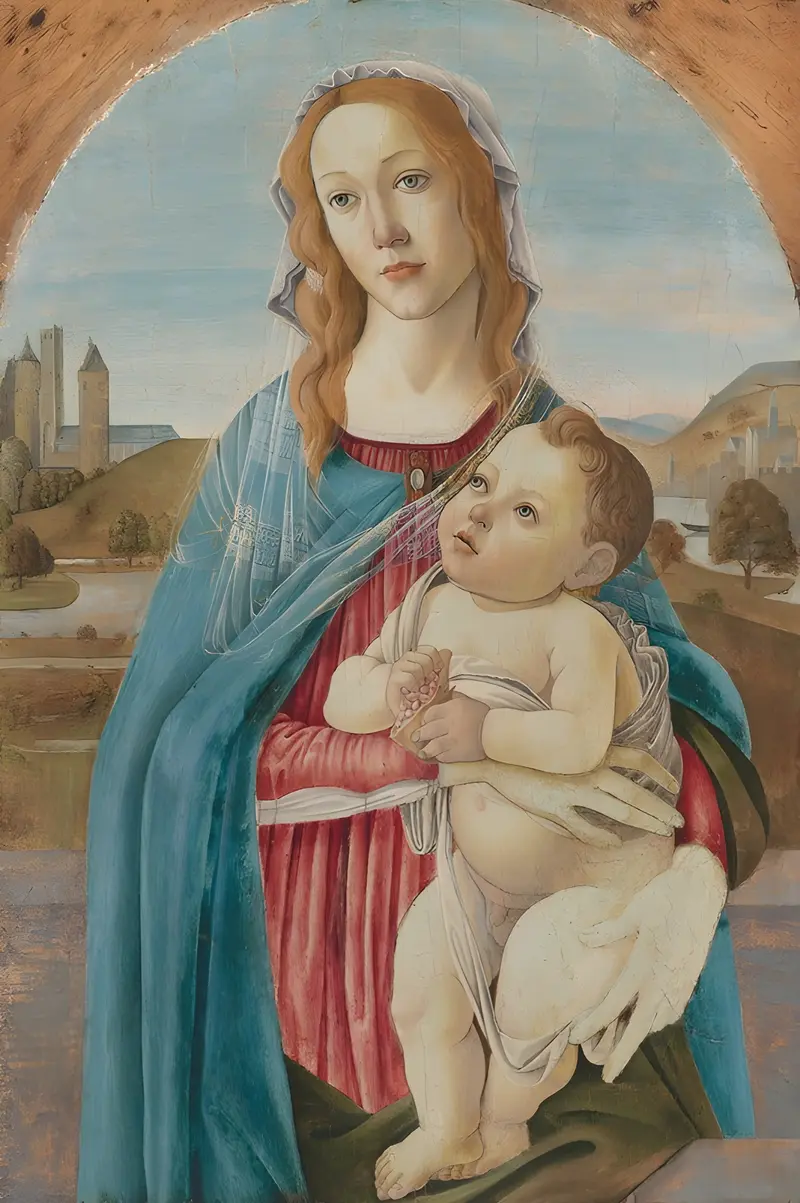
Virgin and Child
Sandro Botticelli
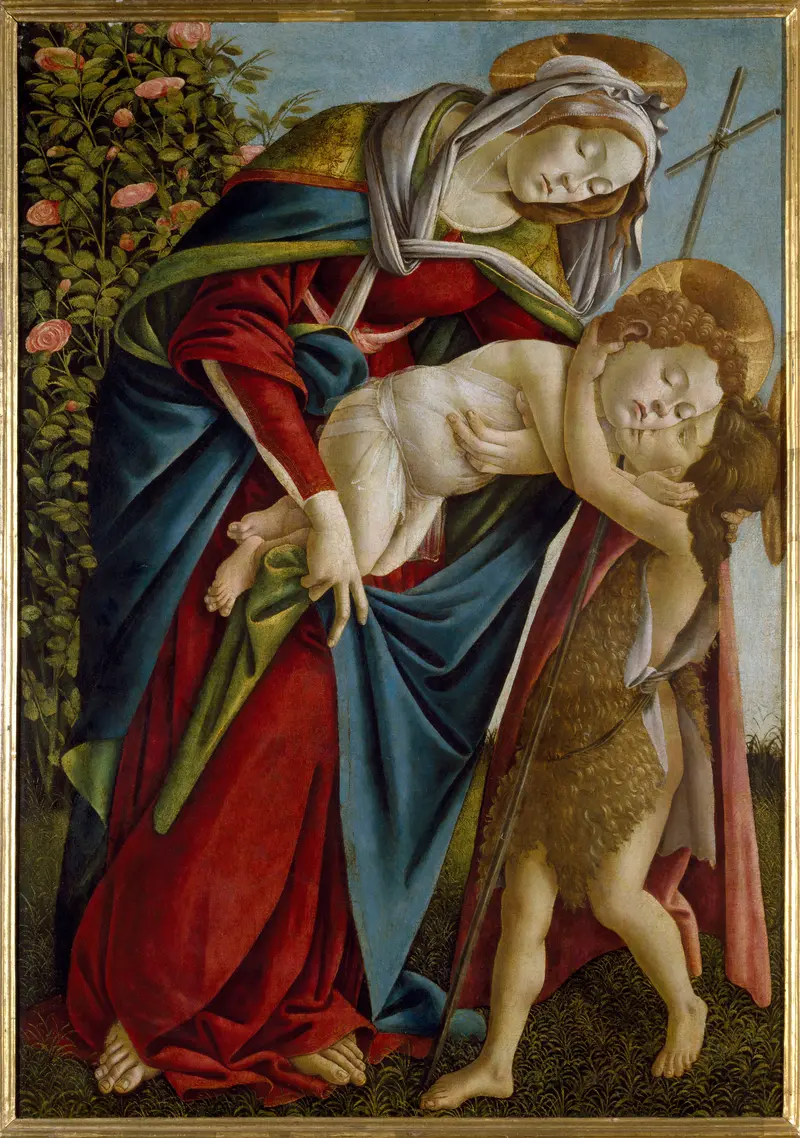
Madonna and Child and the Young St John the Baptist
Sandro Botticelli
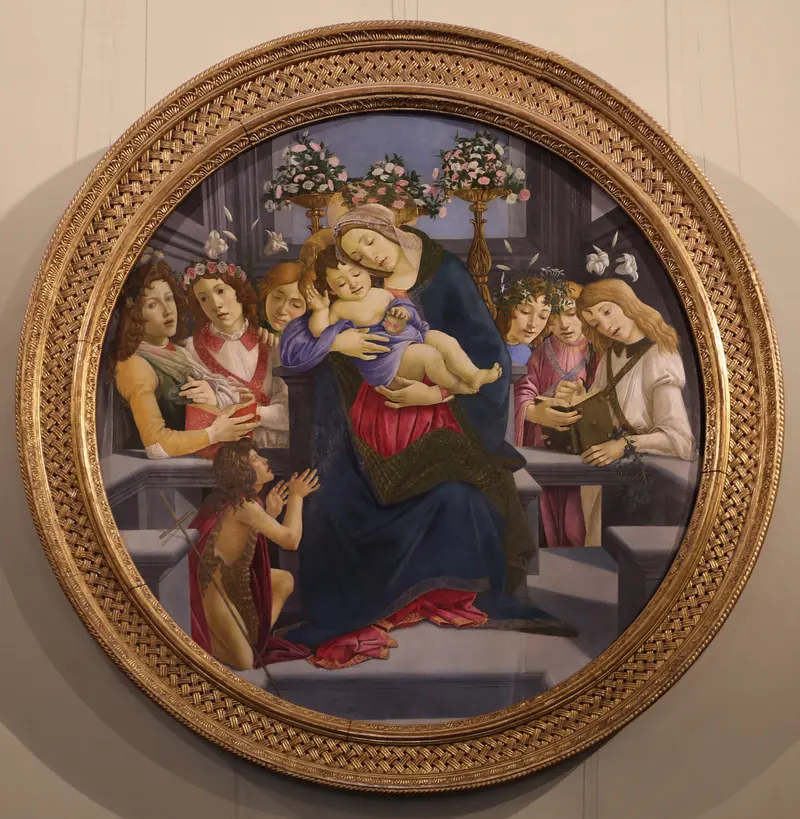
Madonna and Child with six angels and Saint John the Baptist as Child
Sandro Botticelli
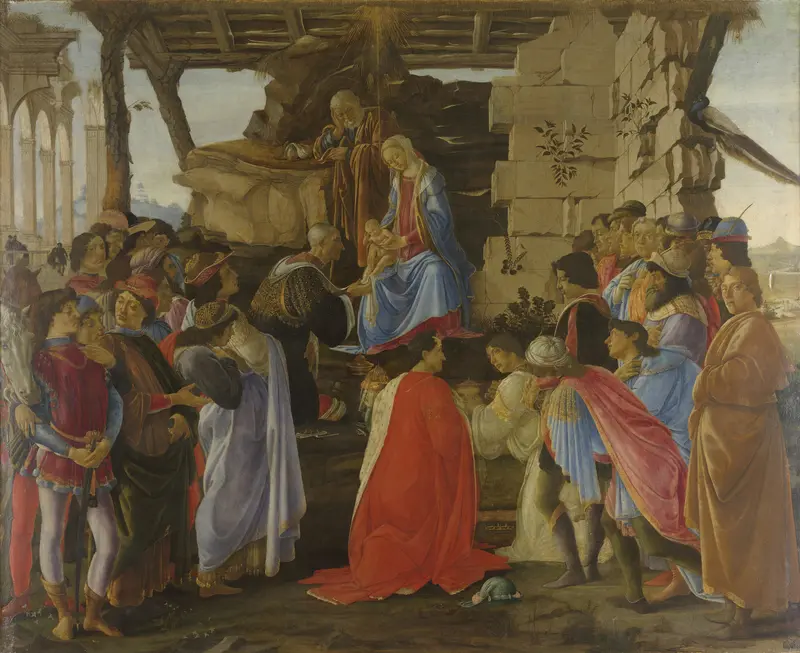
Adoration of the Magi
Sandro Botticelli

Virgin and Child with the Young Saint John the Baptist
Sandro Botticelli
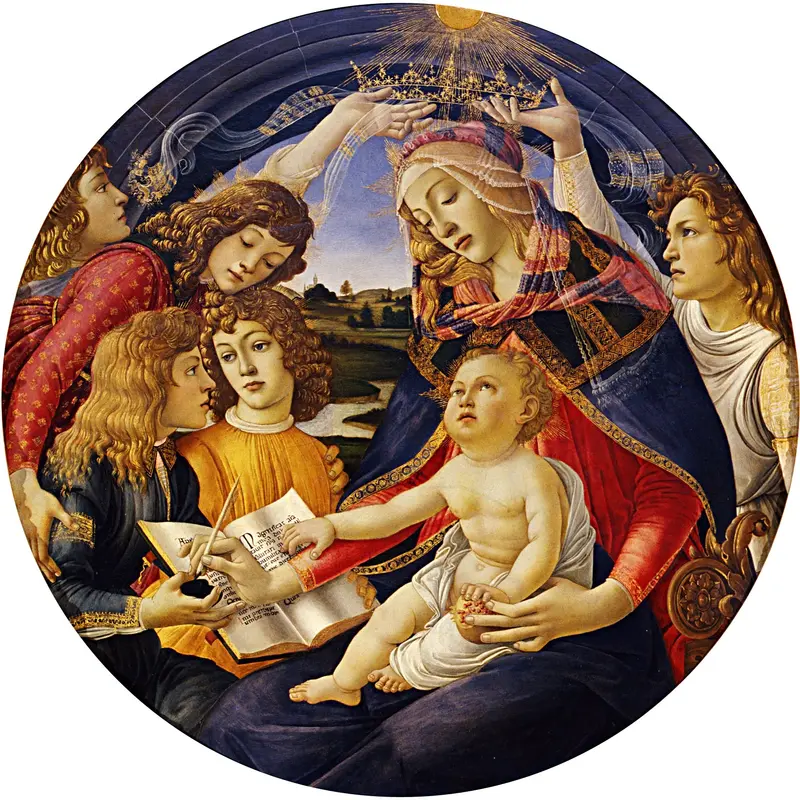
Madonna of the Magnificat
Sandro Botticelli
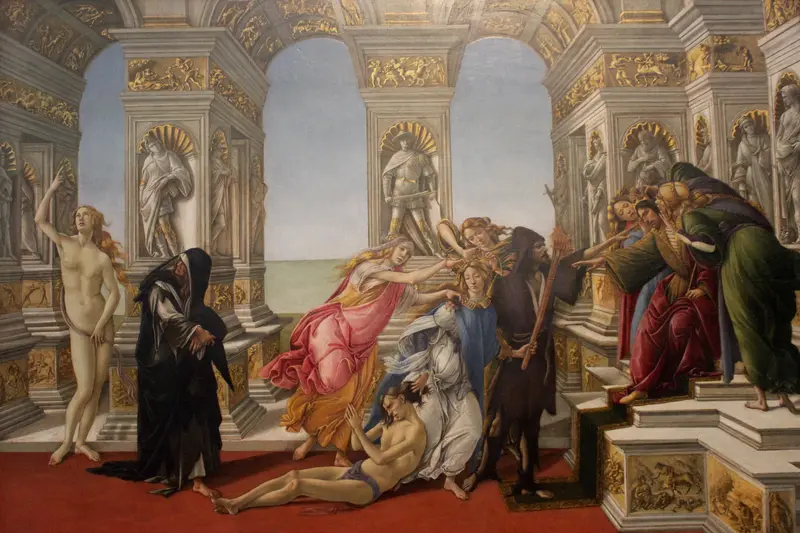
Calumny of Apelles
Sandro Botticelli
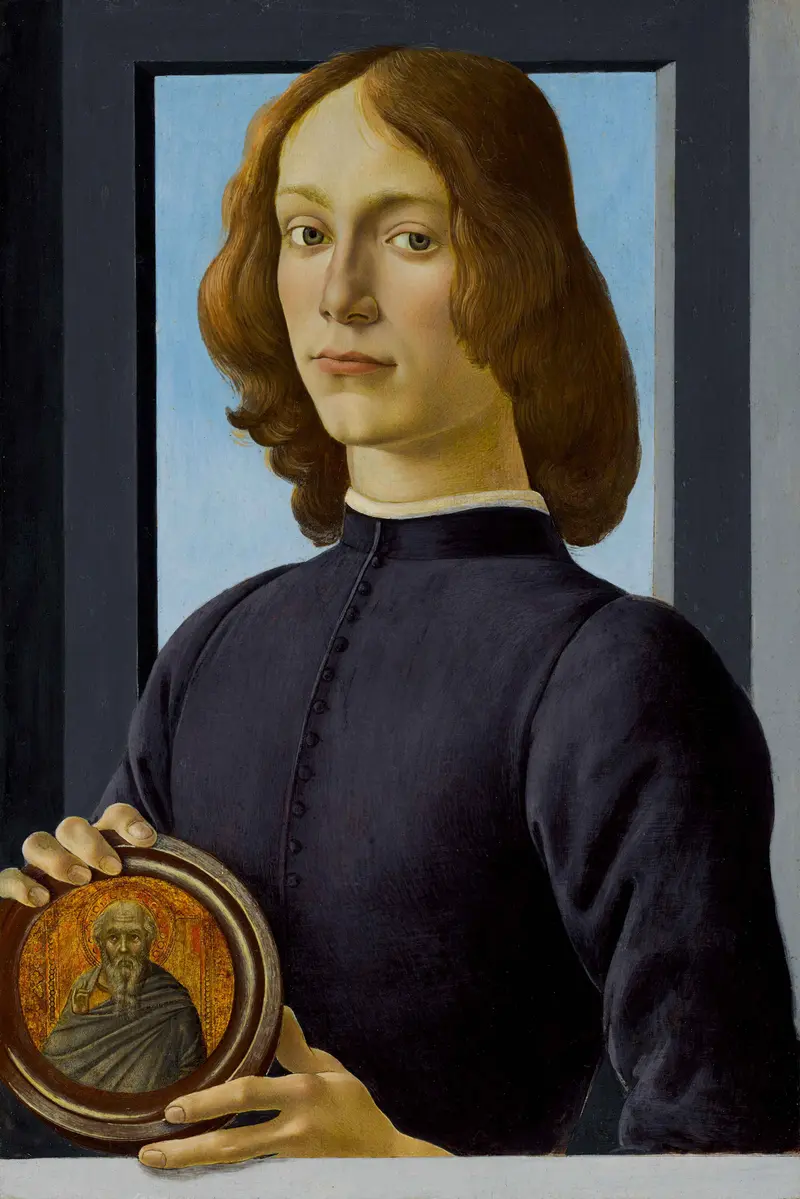
Portrait of a young man holding a roundel
Sandro Botticelli

The Trinity with Saint Mary Magdalene and Saint John the Baptist, the Archangel Raphael and Tobias
Sandro Botticelli
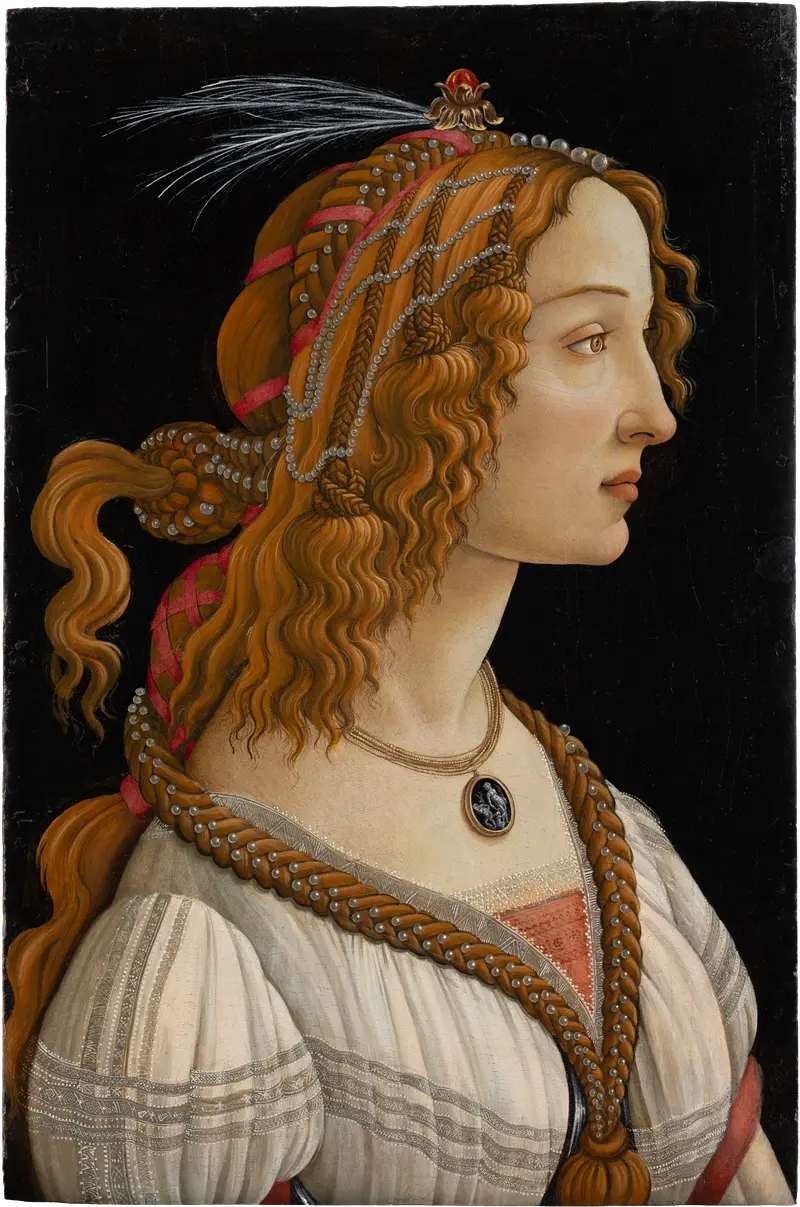
Idealized Portrait of a Lady (Portrait of Simonetta Vespucci as Nymph)
Sandro Botticelli





