
Fillette au chat — History & Facts
What draws the eye first in Fillette au chat is the quiet, conspiratorial bond between the girl and her feline companion. The child’s gentle, almost protective embrace around the cat, paired with her slight, knowing smile, invites the viewer into a moment of private comfort. The cat’s face, peering out from the crook of her arm, is rendered with just enough detail to give it a personality of its own—alert, perhaps a little wary, but utterly at home.
Morisot’s light, almost hesitant lines suggest movement and softness, as if the girl might shift or the cat might wriggle at any moment. The luminous blankness surrounding them isolates the pair, making their connection the sole subject and focus, while the delicate shading draws attention to their faces and the gentle curve of the girl’s arms. This print belongs to a world where the domestic and the everyday were gaining new artistic value. In the late nineteenth century, artists like Berthe Morisot—one of the few women at the heart of the Impressionist movement—turned their attention to scenes of private life, particularly those involving women and children.
Prints such as this were not grand commissions for public display, but intimate works, often exchanged among friends or collectors who valued the immediacy and informality of the artist’s hand. The date of this work remains uncertain, and history has kept few traces of its early journey, but its presence in the Rijksmuseum today is a quiet testament to the enduring appeal of Morisot’s gentle observation. Look again at the girl’s expression: it is the kind of moment that happens every day, and yet, here, it is given the dignity of art.
More Artworks by Berthe Morisot

The Harbor at Lorient
Berthe Morisot
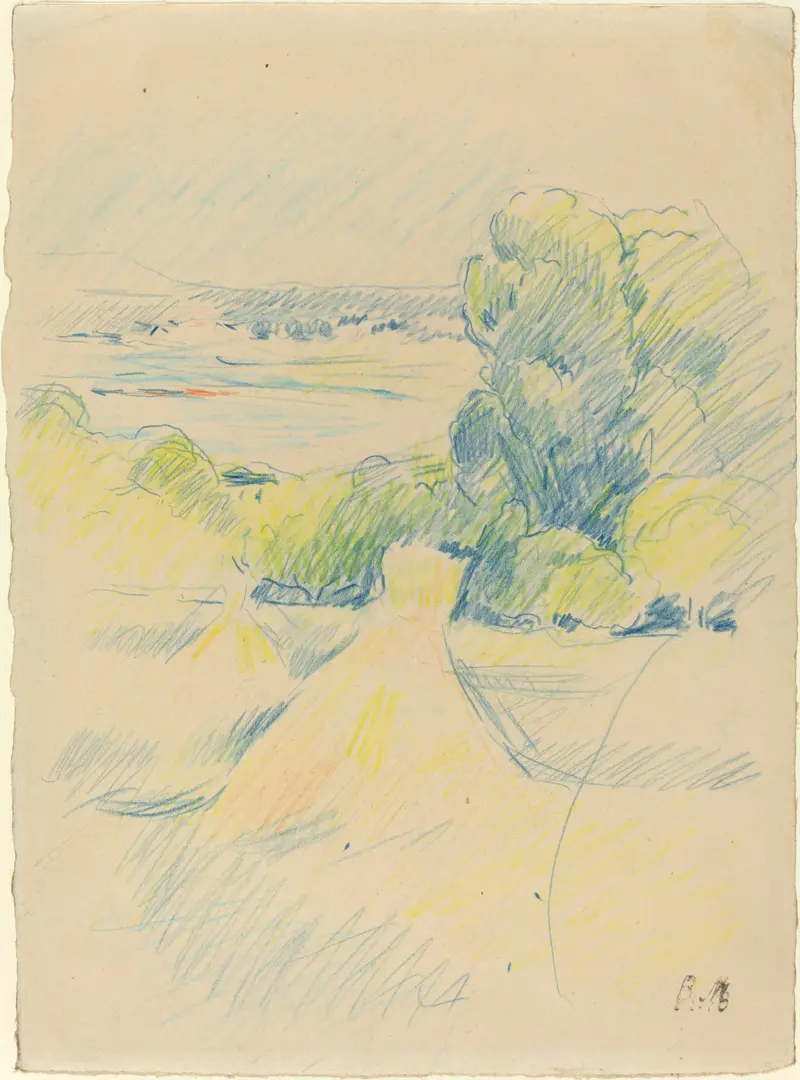
Landscape
Berthe Morisot

Hanging the Laundry out to Dry
Berthe Morisot

Woman in a Garden
Berthe Morisot

Young Girl with Hat
Berthe Morisot
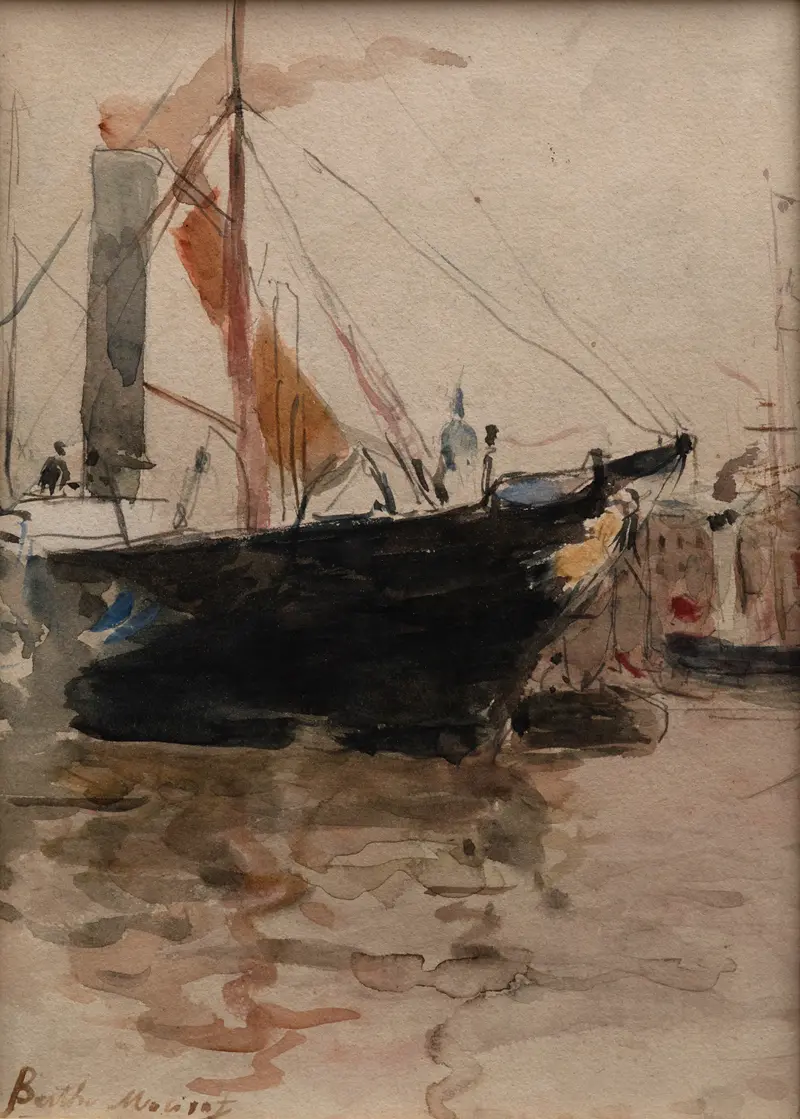
Harbor Scene, Isle of Wight
Berthe Morisot
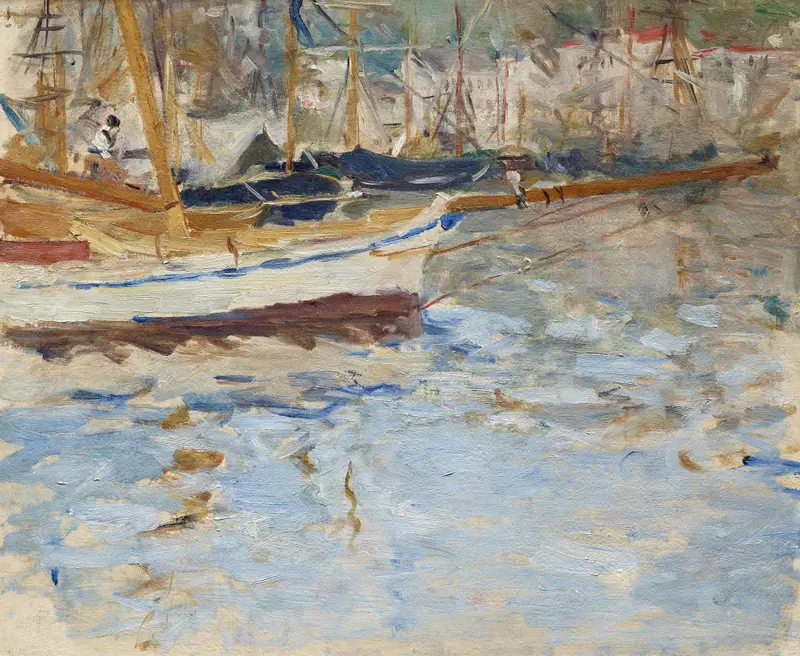
The Port of Nice
Berthe Morisot
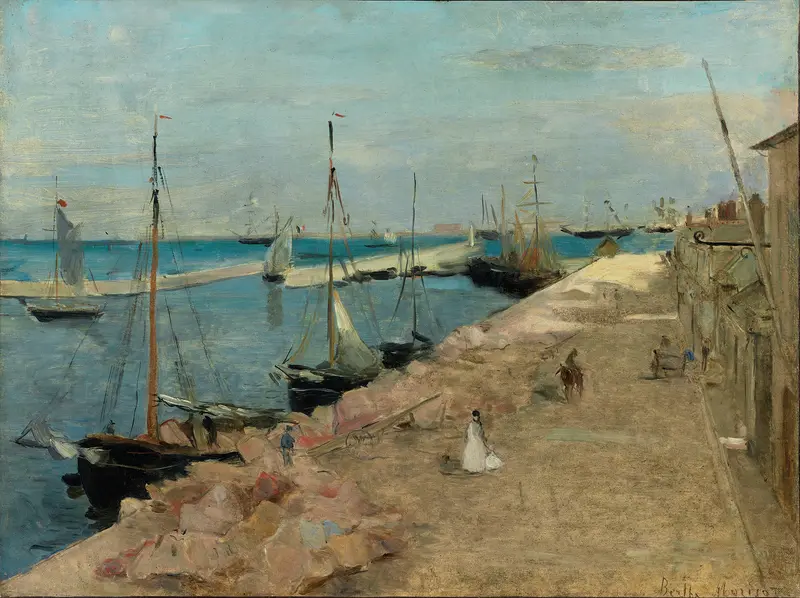
The Harbor at Cherbourg
Berthe Morisot

The Mother and Sister of the Artist
Berthe Morisot
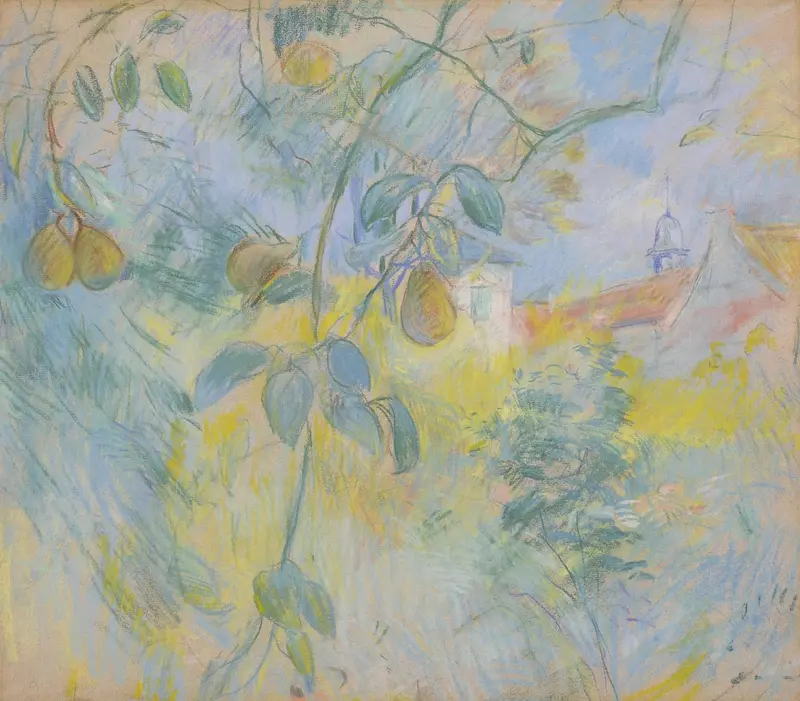
Les Poires
Berthe Morisot
More Genre Scene Art

Banquet of the Officers of the St George Civic Guard
Frans Hals

Rembrandt and Saskia in the Scene of the Prodigal Son
Rembrandt van Rijn

Bal du moulin de la Galette
Pierre-Auguste Renoir

Quadrille at the Moulin Rouge
Henri de Toulouse-Lautrec

A Burial at Ornans
Gustave Courbet

When Will You Marry?
Paul Gauguin