
Fragmento de un retrato del arzobispo don Fernando Valdés con la mano y firma del pintor — History & Facts
What survives today of Fragmento de un retrato del arzobispo don Fernando Valdés con la mano y firma del pintor by Diego Velázquez is just that—a fragment. The rest of the portrait has been lost to time, leaving us with a tantalizing piece: the archbishop’s hand and the painter’s own signature, preserved together. This rare survival is a reminder of how many works from the Baroque period have vanished or been altered, sometimes intentionally, sometimes by accident.
The fragment’s existence raises questions about the fate of the original painting and the circumstances that led to its partial destruction. In the preserved section, the archbishop’s hand emerges from dark fabric, fingers poised in a gesture that once surely communicated authority or blessing. The hand’s lifelike modeling—flesh, veins, and knuckles rendered with Velázquez’s characteristic sensitivity—suggests a moment of stillness, perhaps as the sitter prepared to address the viewer or bestow a benediction. Below, the painter’s signature is boldly inscribed, a rare act of self-assertion in an era when artists were often regarded as craftsmen.
The interplay between the sitter’s gesture and the painter’s name draws attention to the relationship between patron and artist, a dynamic also explored in works like Las Meninas, though here on a more intimate scale. Little is known about the commission or the subsequent fate of the original portrait. Fernando Valdés, a powerful figure in 17th-century Spain, would have been a prestigious subject for the young Velázquez, who was then rising in the Madrid court. The fragment’s survival may be due to the value placed on the artist’s signature or the sitter’s hand as relics in their own right.
Today, this piece is studied not only as a remnant of a lost whole but also as a testament to Velázquez’s skill and the fragility of artistic legacy. Its place in the artist’s career remains a subject of scholarly curiosity, offering a glimpse into both his technique and the world of his patrons.
More Artworks by Diego Velázquez

Las Meninas
Diego Velázquez
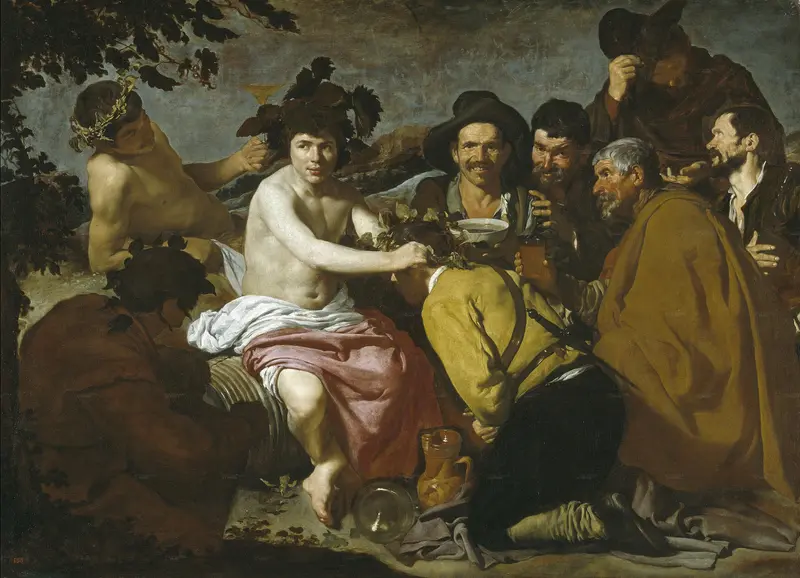
The Triumph of Bacchus
Diego Velázquez
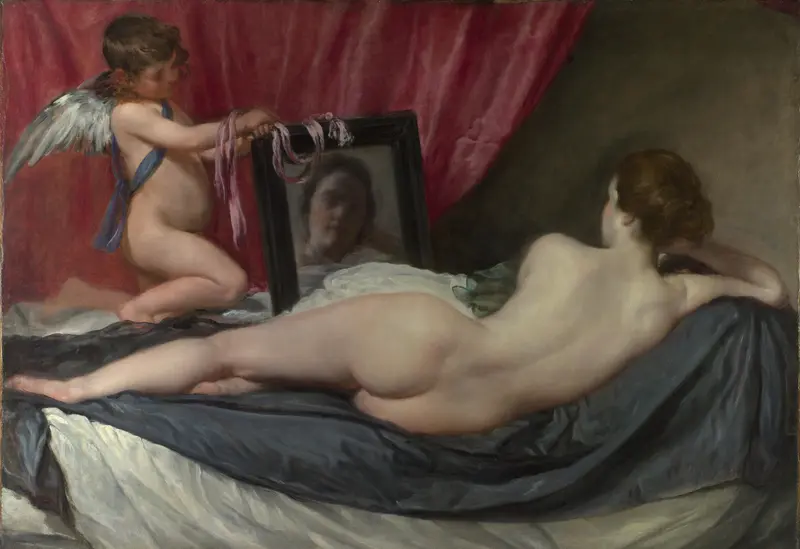
Rokeby Venus
Diego Velázquez
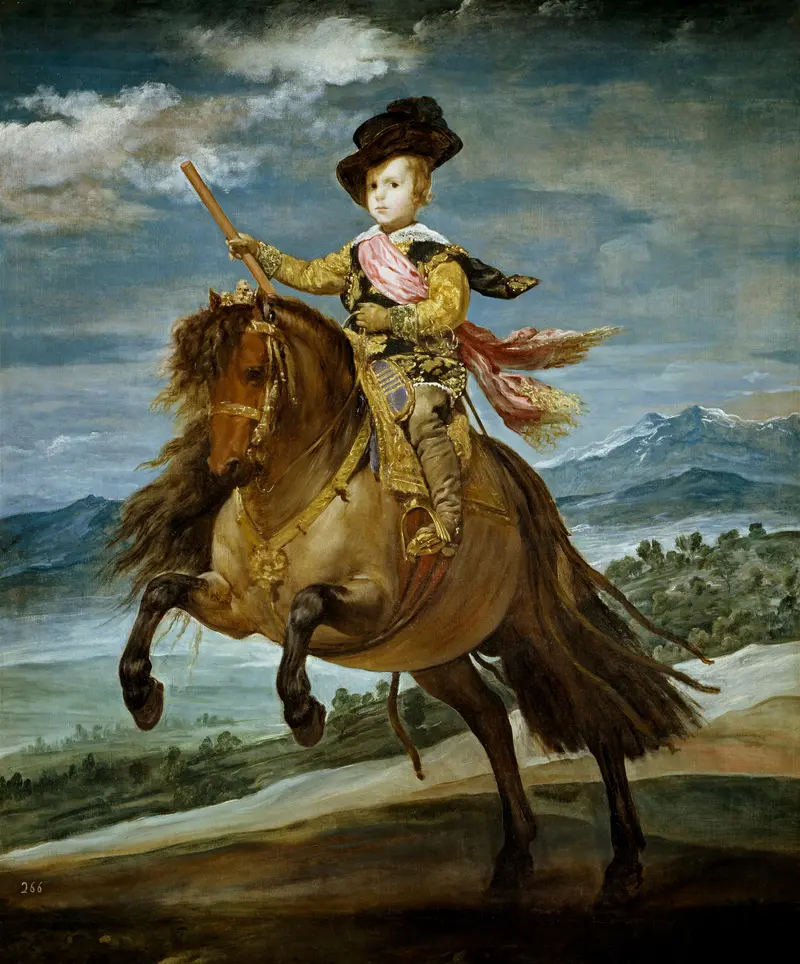
Equestrian Portrait of Prince Balthasar Charles
Diego Velázquez
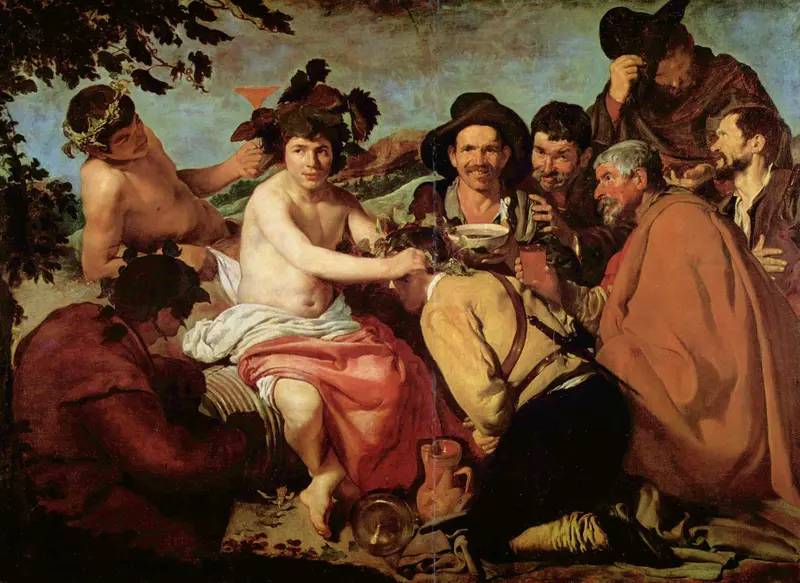
Bacchus
Diego Velázquez
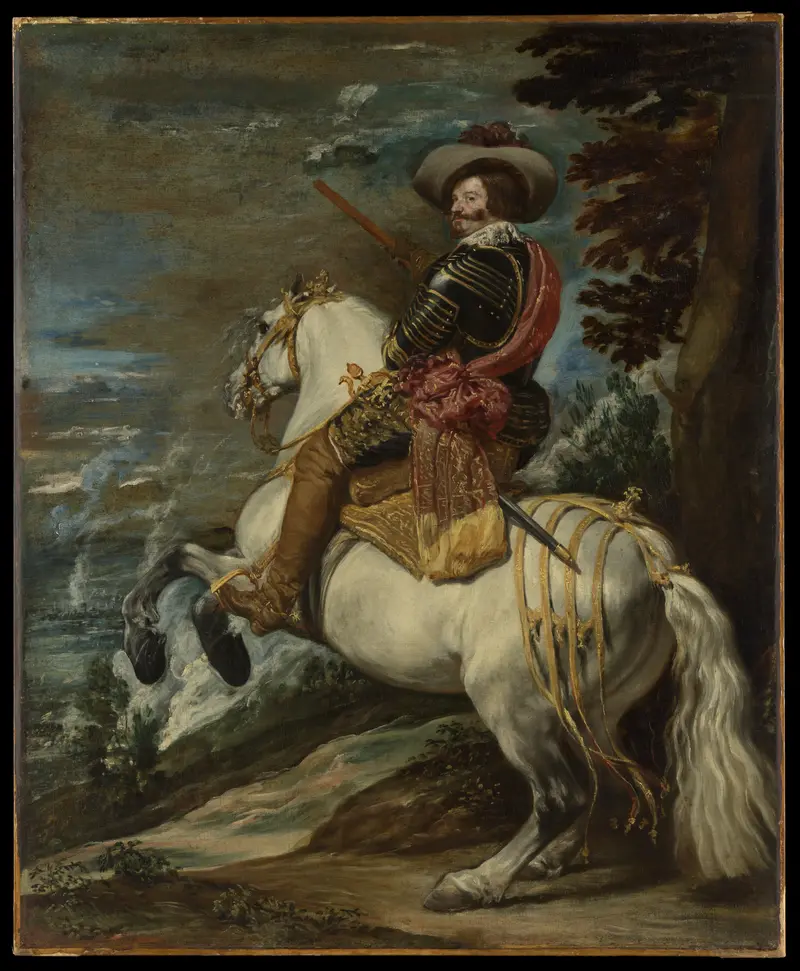
Don Gaspar de Guzmán (1587–1645), Count-Duke of Olivares
Diego Velázquez
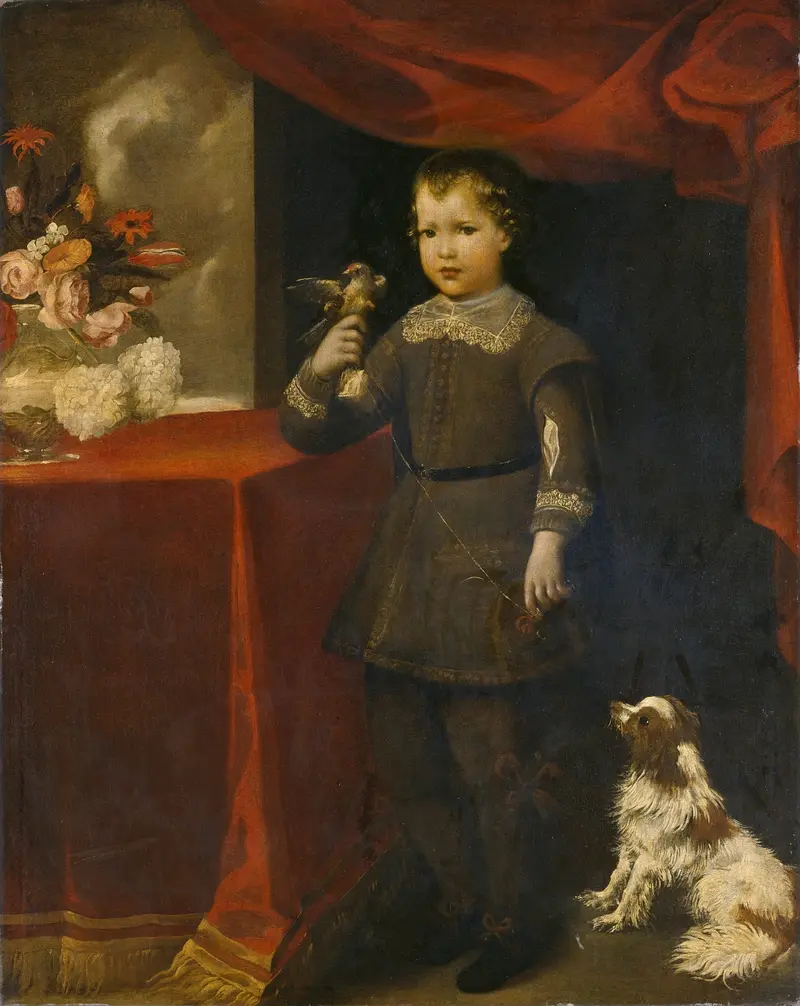
El príncipe Baltasar Carlos de Austria
Diego Velázquez
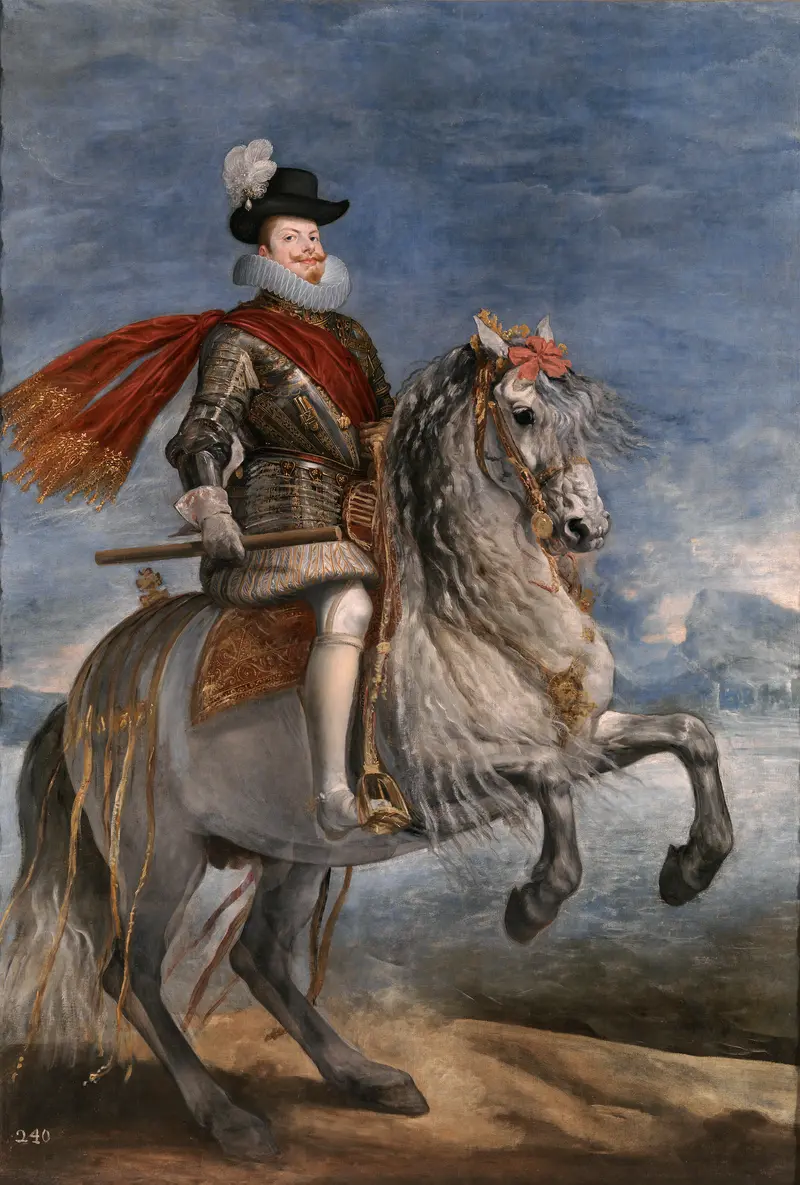
Equestrian Portrait of Philip III
Diego Velázquez
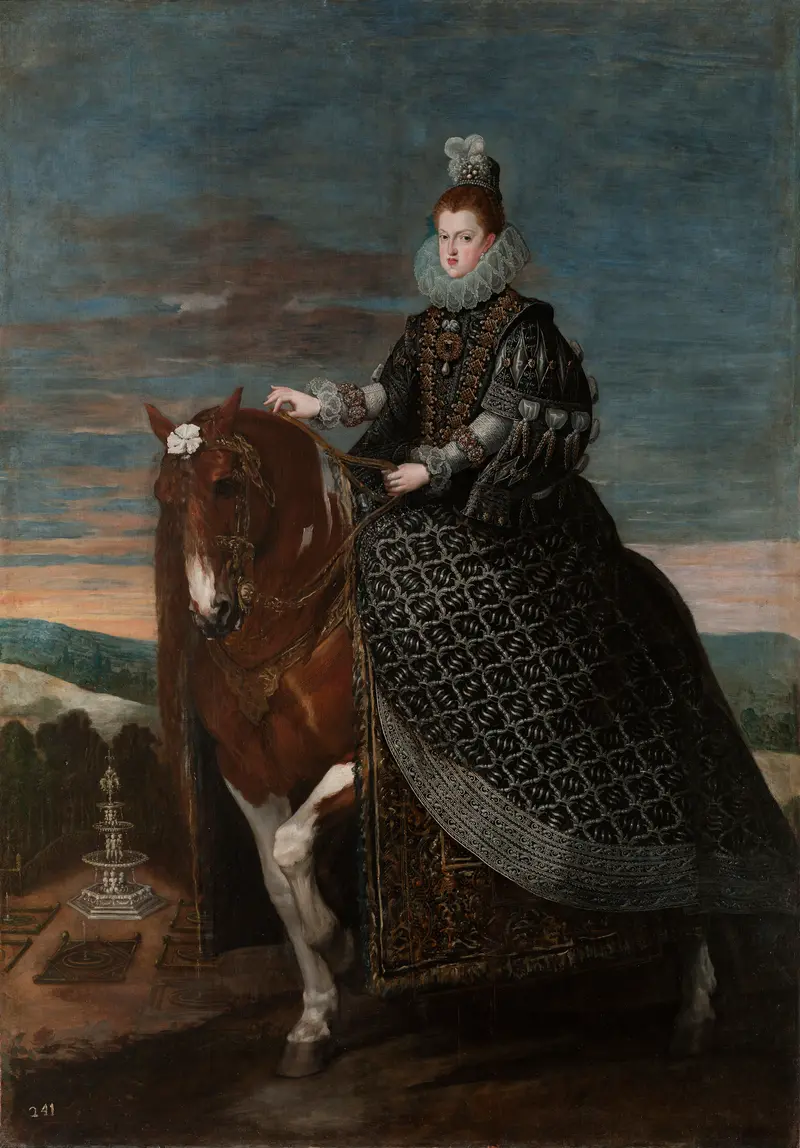
Equestrian Portrait of Margarita of Austria
Diego Velázquez
Las Hilanderas
Diego Velázquez




