
Francesca da Rimini et Paolo Malatesta — History & Facts
When Jean Auguste Dominique Ingres unveiled Francesca da Rimini et Paolo Malatesta in 1846, he reignited a centuries-old tale of love and tragedy that had haunted poets and painters alike since Dante first immortalized it in his Inferno. What makes this work especially intriguing is that Ingres, a champion of Neoclassicism, chose to revisit a medieval Italian legend at a time when Romanticism was sweeping through Europe. The painting stands as a testament to Ingres’s fascination with literary subjects, and it is one of several treatments of the doomed lovers by artists of his era, yet his version is marked by a chilling restraint. Ingres captures the fatal moment when Francesca da Rimini and her brother-in-law Paolo Malatesta are discovered and murdered by Francesca’s husband, Gianciotto, in 1285.
The lovers are shown entwined, their faces pale with shock and sorrow, as the door bursts open behind them. Francesca’s delicate hand clings to Paolo’s arm, while an open book—Dante’s symbol of their fateful reading—lies at their feet, a silent witness to their passion and doom. The composition is taut with tension: the lovers’ bodies form a single, unified shape, echoing their inseparable fate, while the looming shadow of Gianciotto signals the violence to come.
Unlike Delacroix’s more turbulent Paolo and Francesca, Ingres’s approach is all about suppressed emotion and the tragic inevitability of the scene. The precise provenance of this painting remains somewhat obscure, as is often the case with Ingres’s lesser-known works from the mid-19th century. While some of his commissions were destined for private collectors, others, like this one, circulated through exhibitions and salons, admired for their technical finesse and psychological depth. Today, Francesca da Rimini et Paolo Malatesta is recognized as a significant example of Ingres’s literary imagination and his ability to fuse classical form with dramatic storytelling.
Its current location is not widely publicized, but the painting continues to draw attention from scholars interested in the intersection of Neoclassicism and romantic subject matter in Ingres’s oeuvre.
More Artworks by Jean Auguste Dominique Ingres
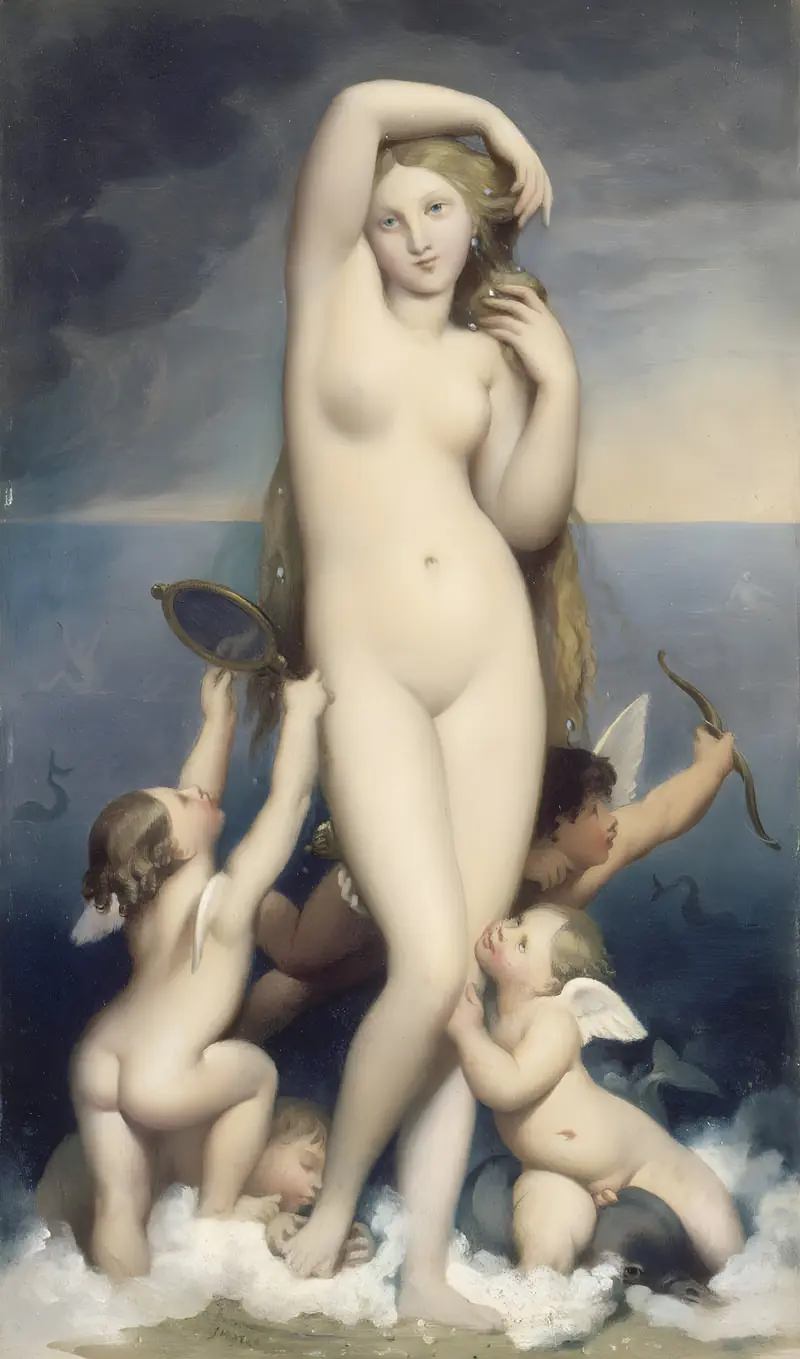
Vénus anadyomène
Jean Auguste Dominique Ingres
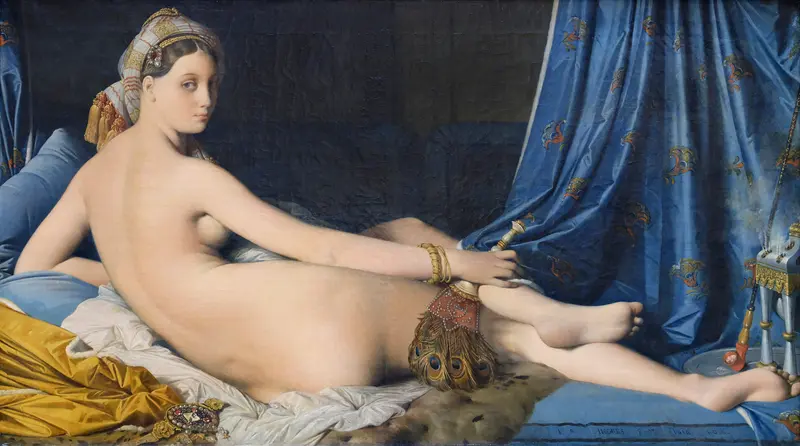
Grande Odalisque
Jean Auguste Dominique Ingres
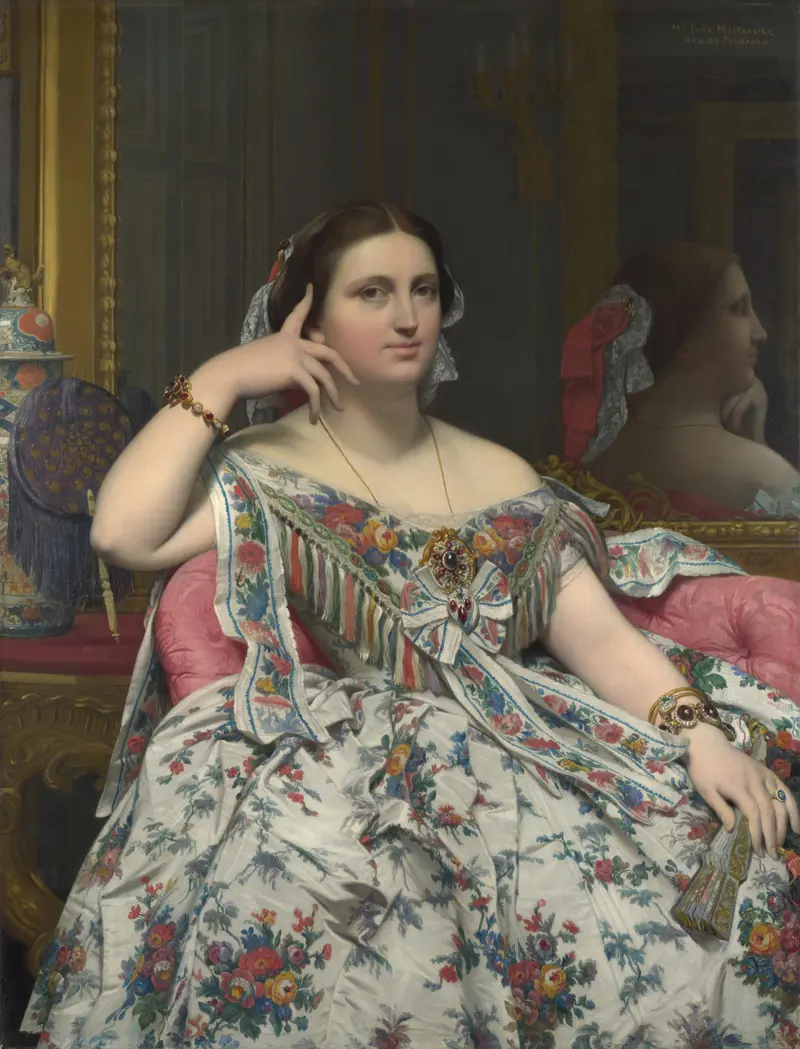
Madame Moitessier (seated)
Jean Auguste Dominique Ingres
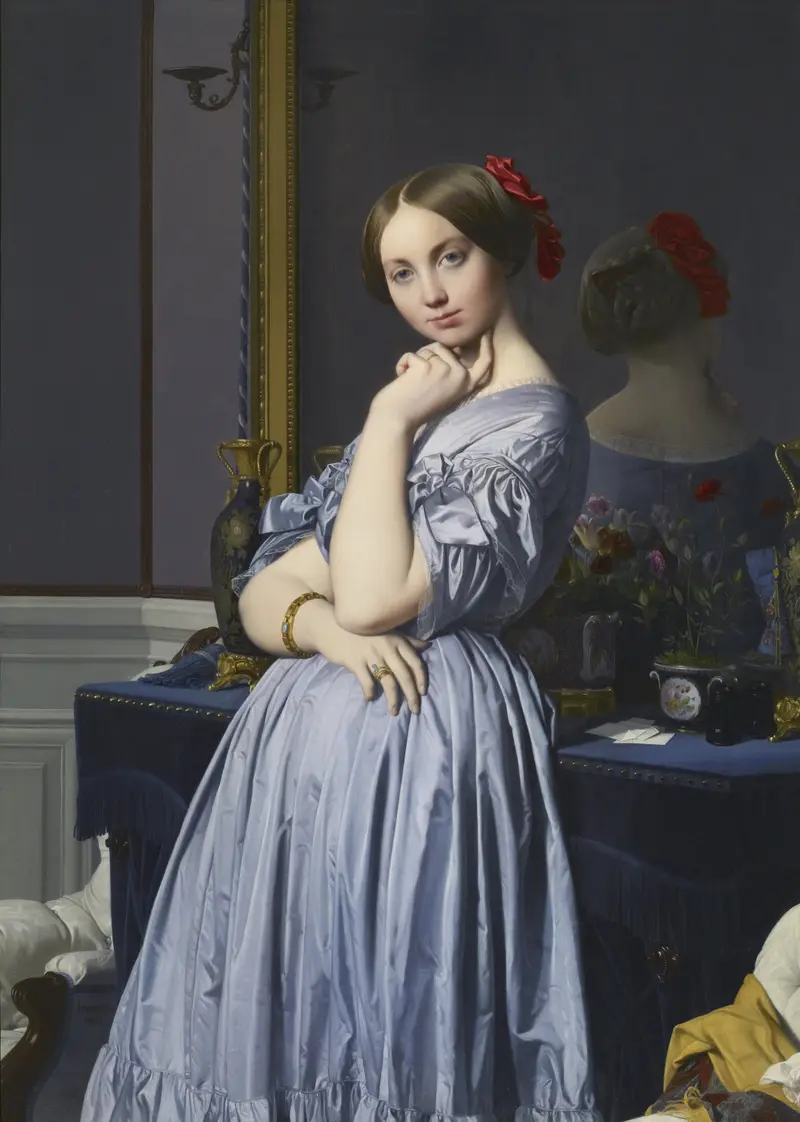
Portrait of Comtesse d’Haussonville
Jean Auguste Dominique Ingres
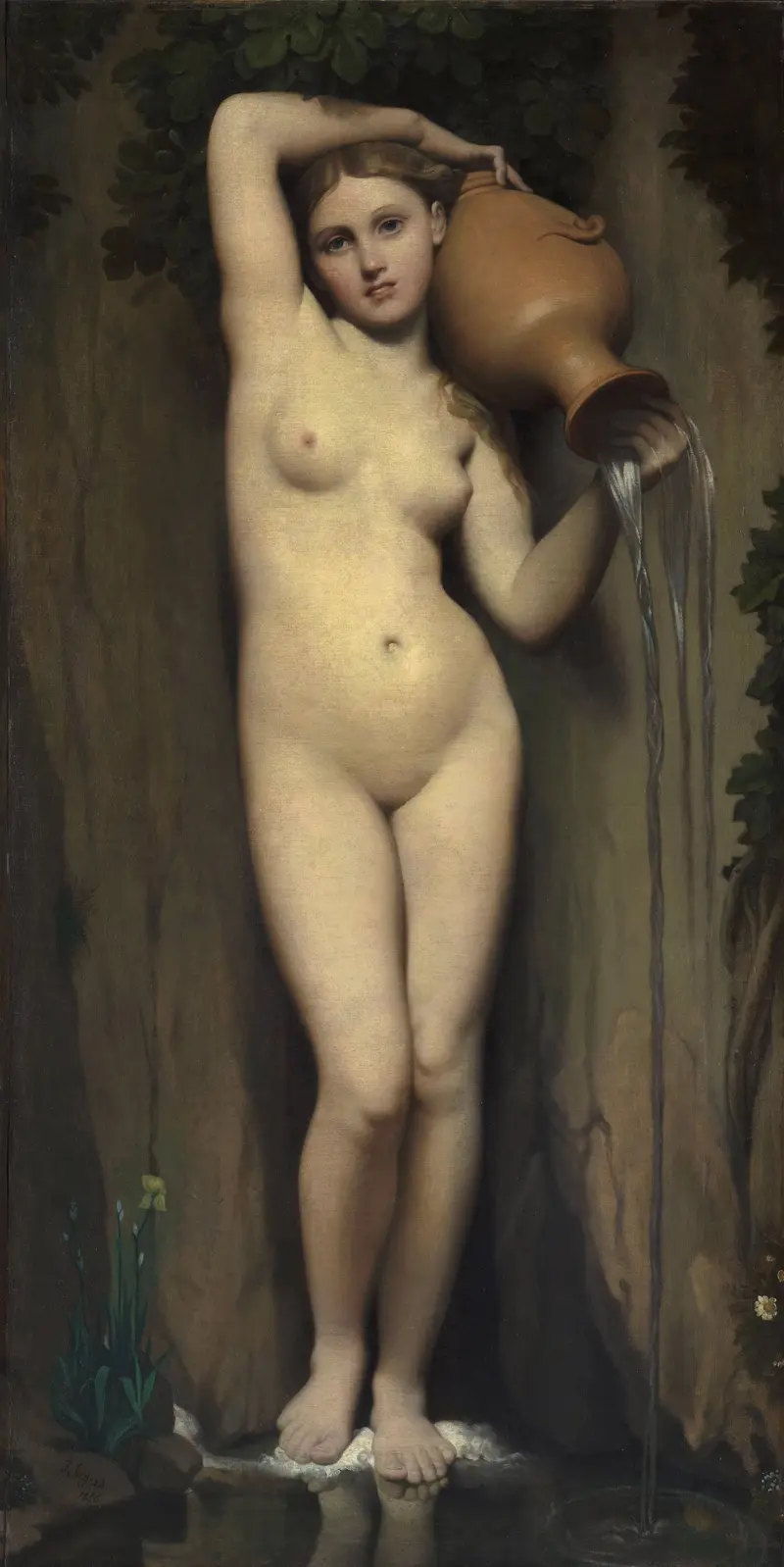
The Source
Jean Auguste Dominique Ingres
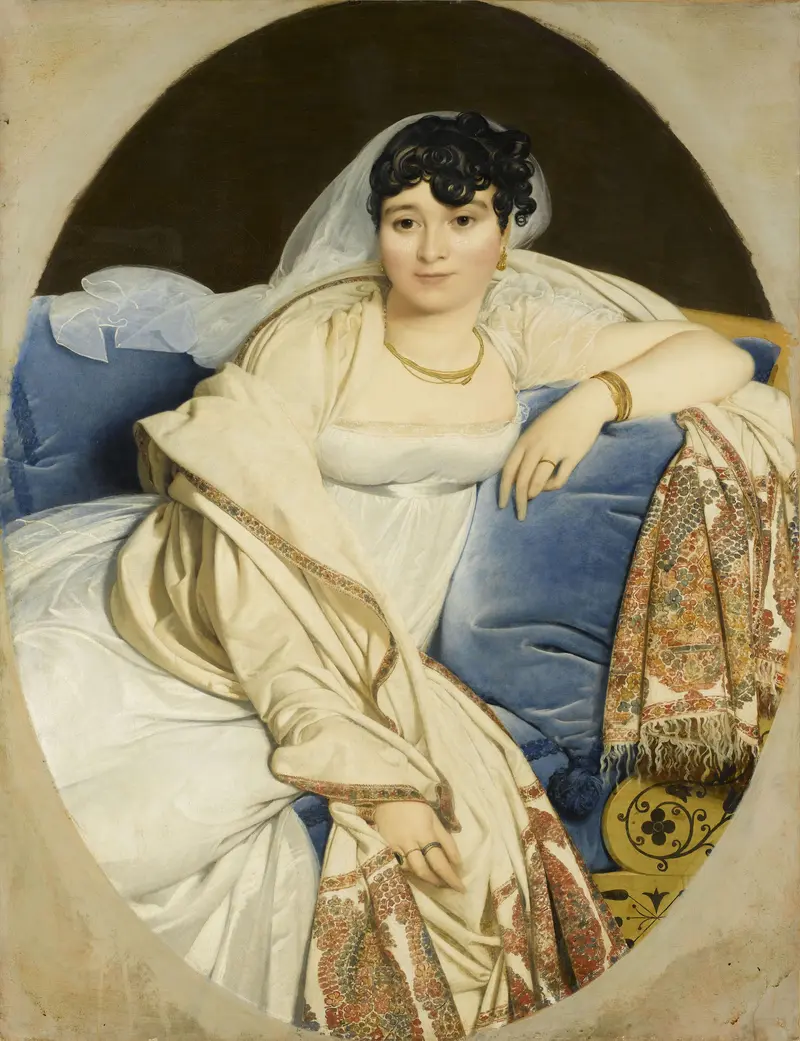
Madame Rivière
Jean Auguste Dominique Ingres

Madame Jean-Auguste-Dominique Ingres, née Madeleine Chapelle
Jean Auguste Dominique Ingres

Portrait of a Lady
Jean Auguste Dominique Ingres
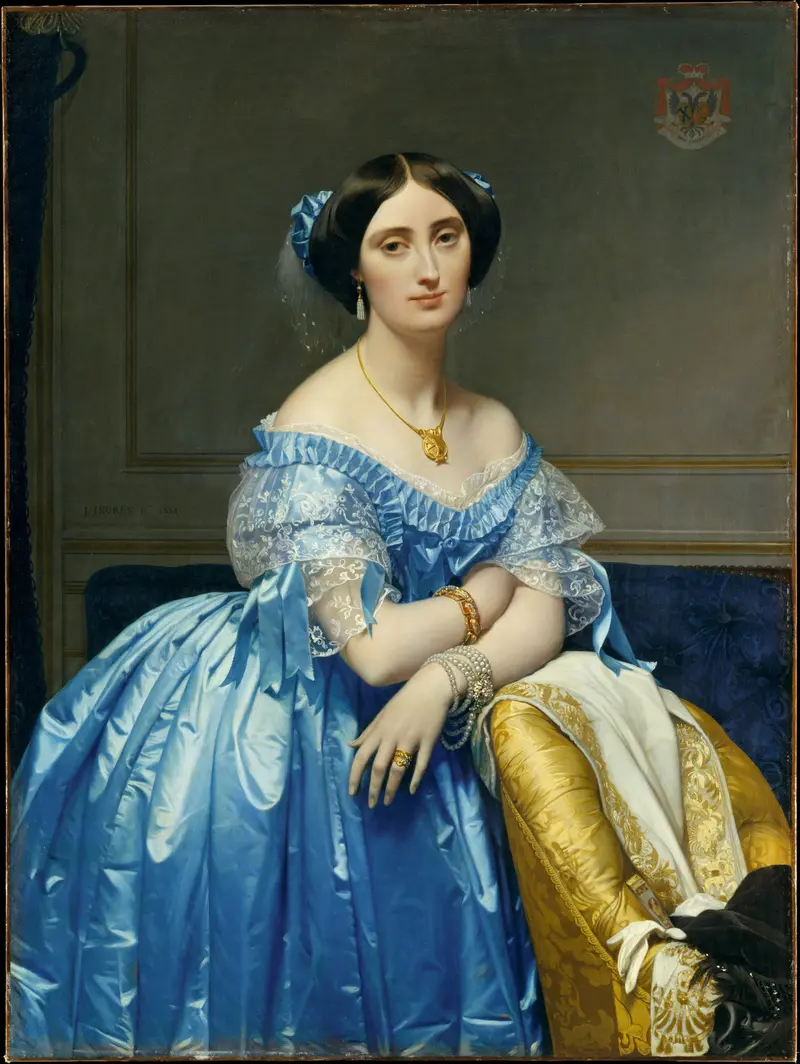
Joséphine-Éléonore-Marie-Pauline de Galard de Brassac de Béarn (1825–1860), Princesse de Broglie
Jean Auguste Dominique Ingres
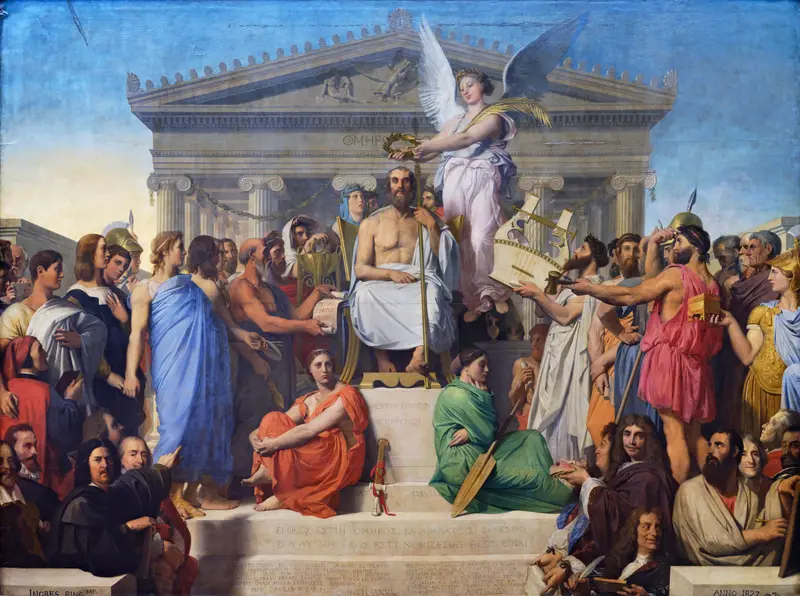
The Apotheosis of Homer
Jean Auguste Dominique Ingres





