
Franciscan Allegories: St Francis in Glory — History & Facts
In the final year of his life, Giotto di Bondone turned his attention to the Franciscan world, producing a series of allegories that would inspire generations of artists and theologians. Franciscan Allegories: St Francis in Glory stands out for its ambitious attempt to visualize the spiritual elevation of St Francis, a saint whose canonization in 1228 had already transformed the religious landscape of Italy. The painting’s origins are shrouded in some mystery: while it is likely to have been commissioned by a Franciscan community, no surviving documents record its first owner or intended setting.
What is certain is that this work marks one of the last creative statements by the artist who revolutionized Italian painting. At the heart of the scene, St Francis is shown lifted above the earthly realm, surrounded by a mandorla of radiant angels. His wounds, the stigmata, gleam as evidence of his mystical union with Christ, while below, allegorical figures—Poverty, Chastity, and Obedience—offer him tokens of their virtues. Giotto’s use of hierarchical scale, with Francis dominating the composition, signals his spiritual preeminence.
The golden background, a hallmark of the period, situates the event in a realm beyond time, while the gestures of the angels—pointing, supporting, adoring—guide the viewer’s eye upward. In contrast to the more narrative approach of Sassetta’s later Franciscan panels, Giotto distills the saint’s glory into a single, visionary moment. The physical history of Franciscan Allegories: St Francis in Glory is less well documented than some of Giotto’s frescoes. Its technique and materials remain a matter of scholarly debate, with some suggesting tempera on panel, others proposing fresco or mixed media.
Over the centuries, the painting has been attributed to various members of Giotto’s workshop, but stylistic analysis and comparison with his authenticated late works support the attribution to the master himself. Today, the panel is recognized as a key document of late Trecento spirituality and Giotto’s enduring influence. Its journey through history may be obscure, but its place in the story of Western art is secure.
More Artworks by Giotto di Bondone
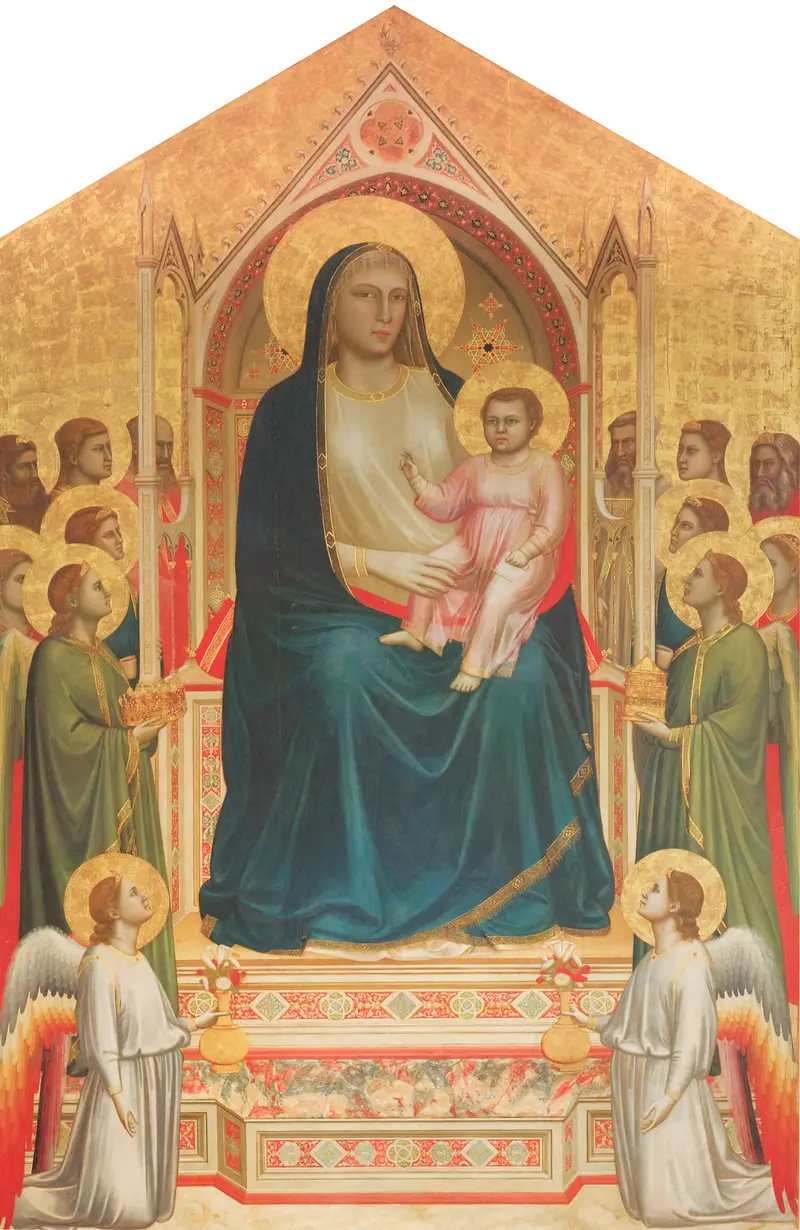
Ognissanti Madonna
Giotto di Bondone
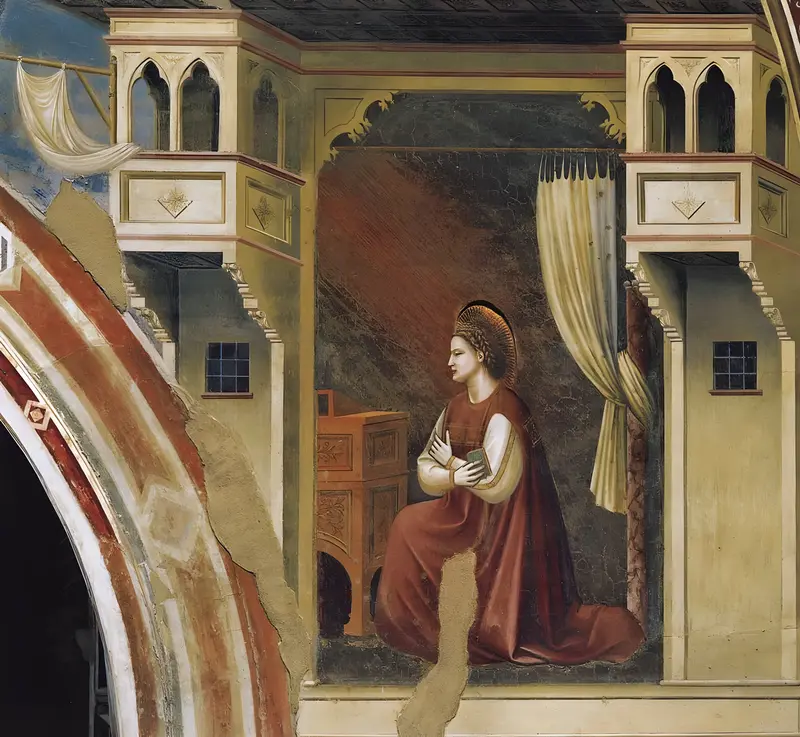
The Virgin of the Annunciation
Giotto di Bondone
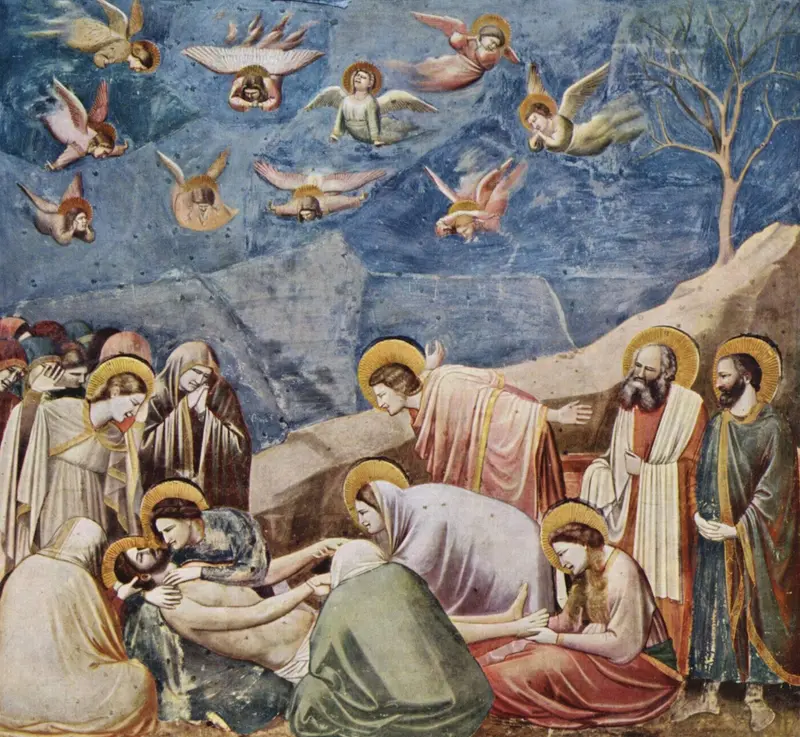
Lamentation (The Mourning of Christ)
Giotto di Bondone
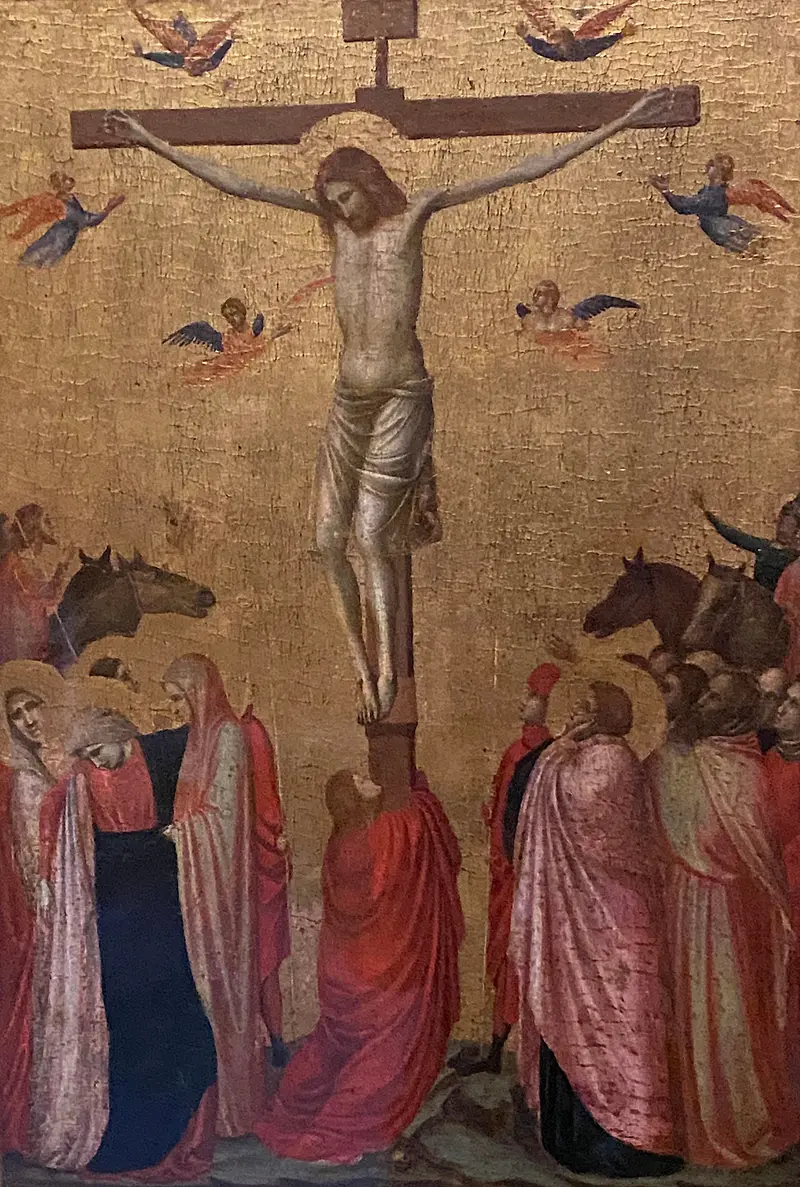
Crucifixion of Strasbourg
Giotto di Bondone
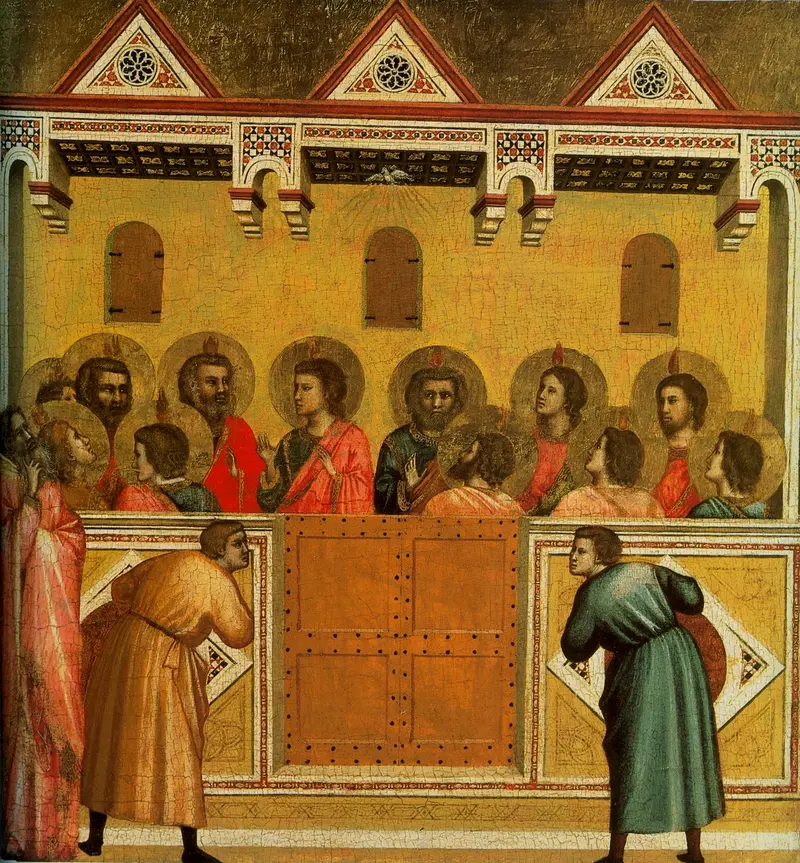
Pentecost
Giotto di Bondone
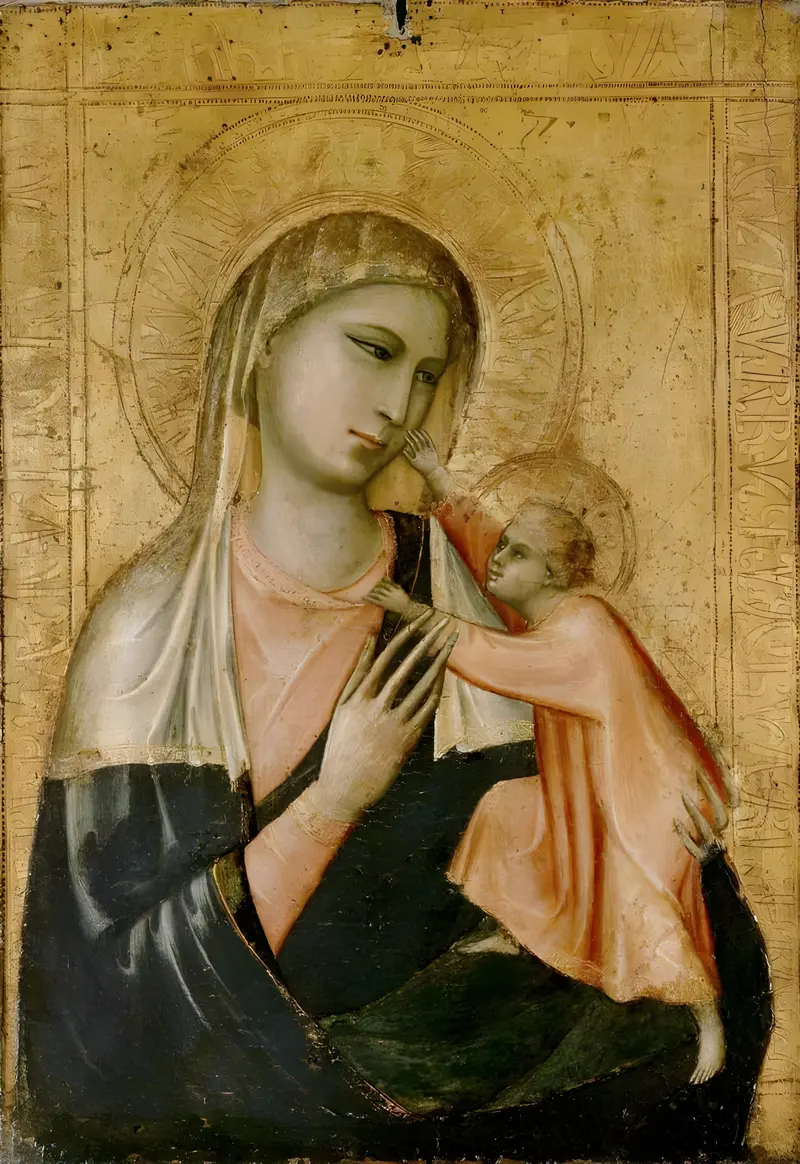
The Virgin and Child
Giotto di Bondone
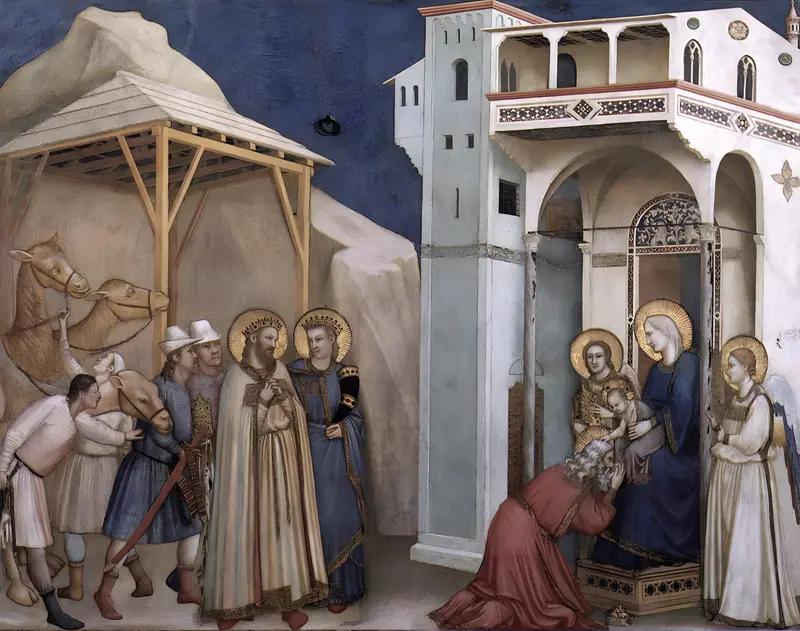
Anbetung der Könige
Giotto di Bondone
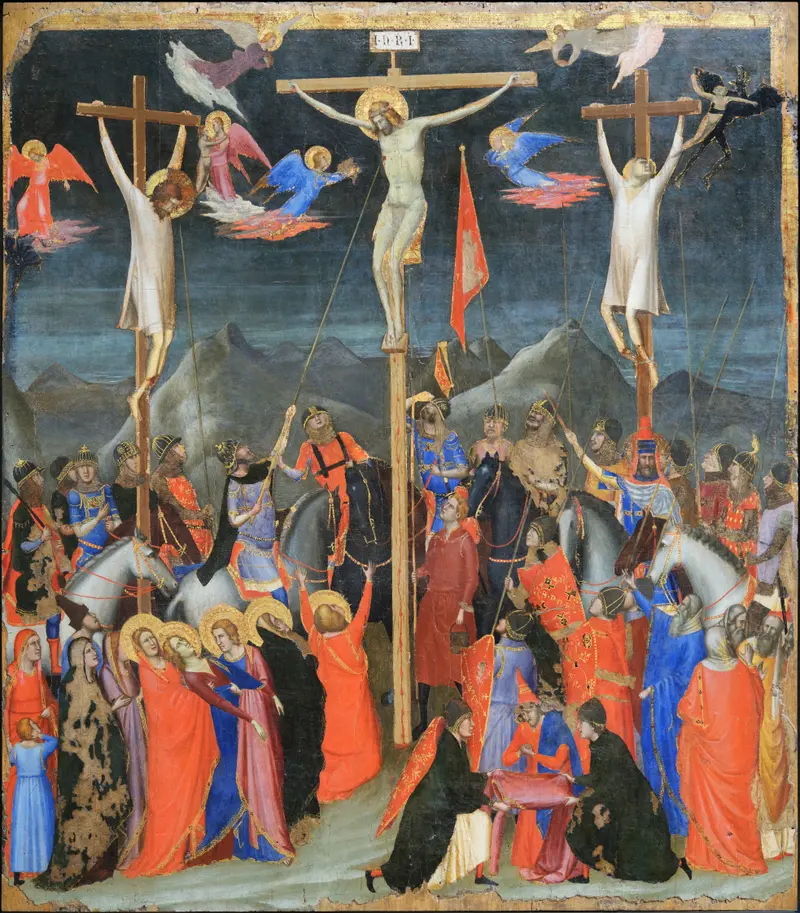
Crucifixion
Giotto di Bondone
The Visitation
Giotto di Bondone
Bologna Polyptych
Giotto di Bondone





