
Gebirgsbach in der Ramsau — History & Facts
This sentiment resonates profoundly within the captivating landscape where nature spills forth its untamed beauty, inviting us to reflect on the artistry of creation itself. Focus first on the vivid contrast of greens and blues that dominate the canvas, capturing the rushing water of the stream as it carves its way through the rugged terrain. The light dances across the surface, inviting the viewer to trace its sparkling path, while the surrounding trees stand sentinel, their branches swaying gently as if in conversation with the water below. Schindler’s deft brushwork breathes life into the scene; every stroke holds a promise of movement and vitality. Delve deeper into the subtleties of the composition, and you will discover emotional tensions nestled within the natural harmony.
The tumultuous water, powerful yet serene, embodies a juxtaposition of energy and tranquility, mirroring the duality of creation itself. Notice how the interplay of light and shadow not only shapes the landscape but evokes a sense of time passing; the cycle of life unfurling in nature, forever in motion yet fleetingly captured. In 1868, Emil Jakob Schindler painted this work while residing in the picturesque Ramsau region of Austria. During this period, he was deeply influenced by the Romantic movement, emphasizing emotion and the sublime qualities of nature.
The painting reflects not only his personal exploration of landscape but also the broader artistic shift towards a more intimate connection with the natural world, inviting viewers to contemplate the beauty of creation in all its forms.
More Artworks by Emil Jakob Schindler
Browse all →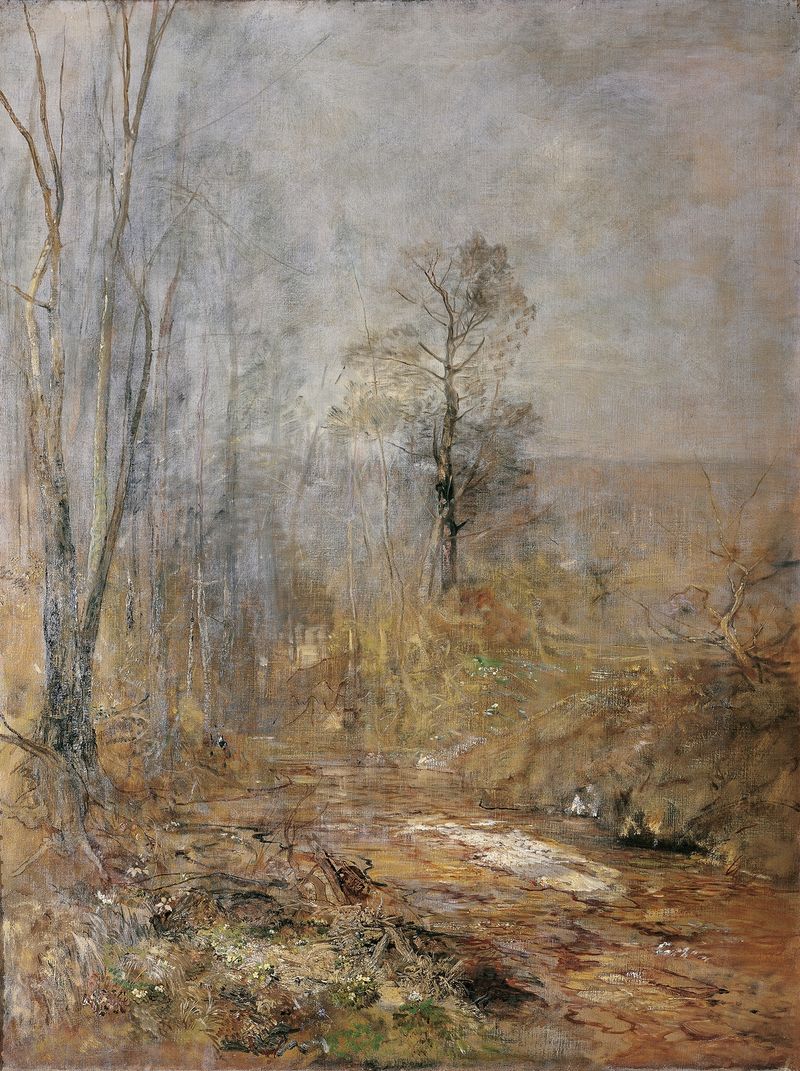
Märzstimmung – Vorfrühling im Wienerwald
Emil Jakob Schindler
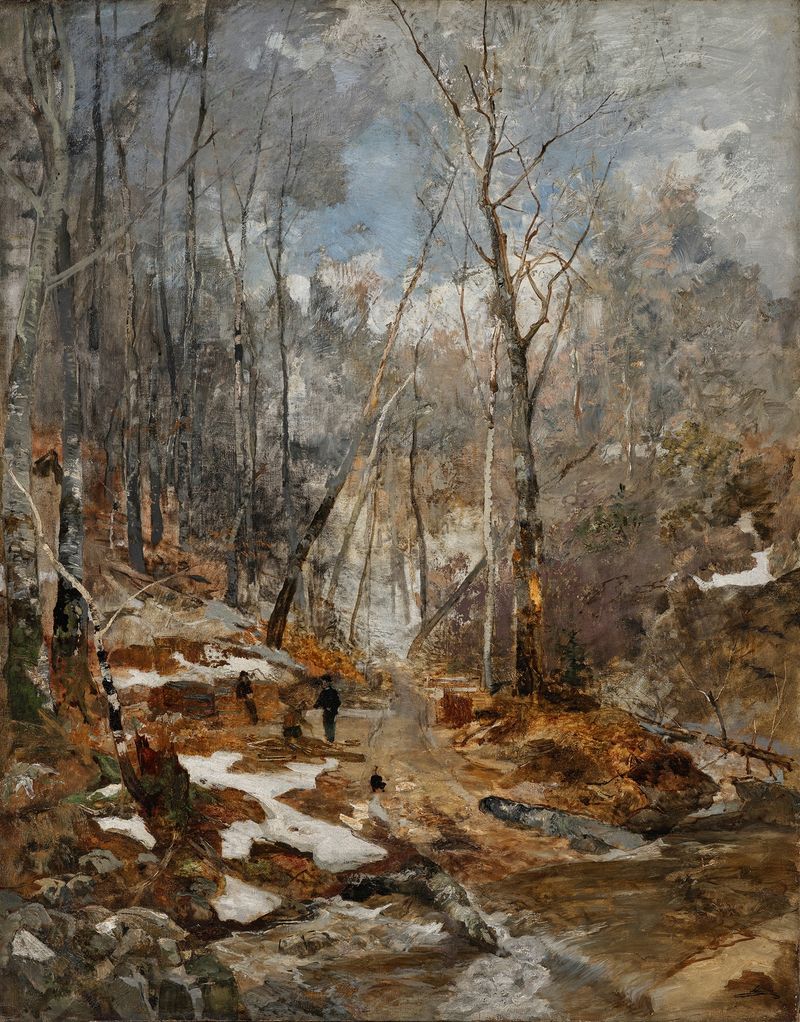
Februarstimmung – Vorfrühling im Wienerwald
Emil Jakob Schindler
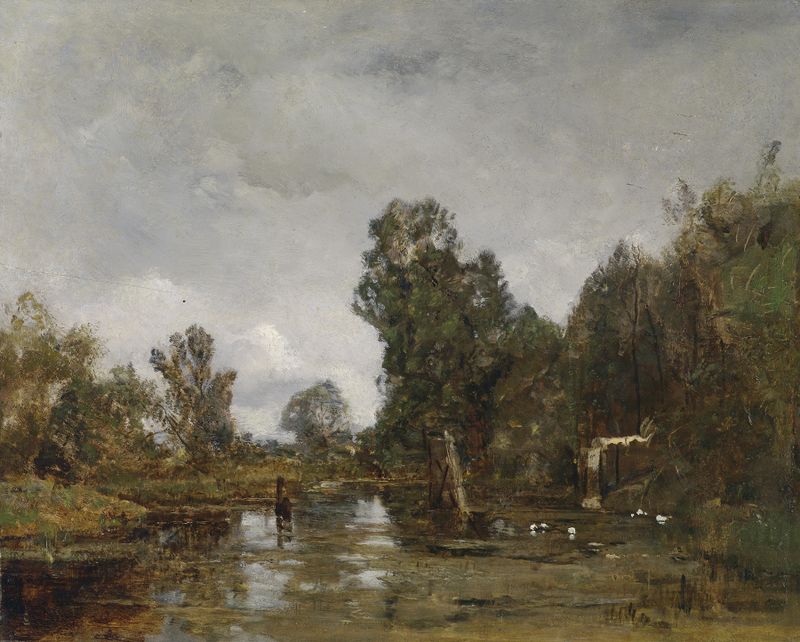
Motiv aus dem Wiener Prater (Krieau)
Emil Jakob Schindler
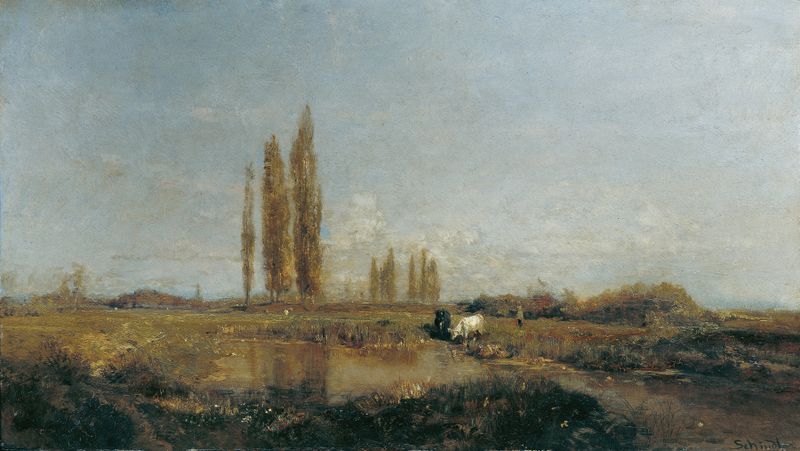
An der Thaya bei Lundenburg
Emil Jakob Schindler
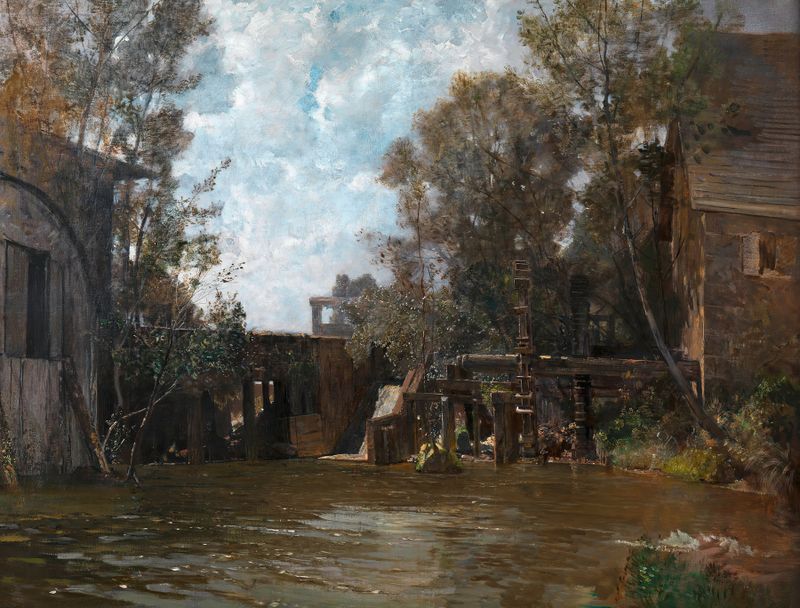
Mühle in Plankenberg
Emil Jakob Schindler
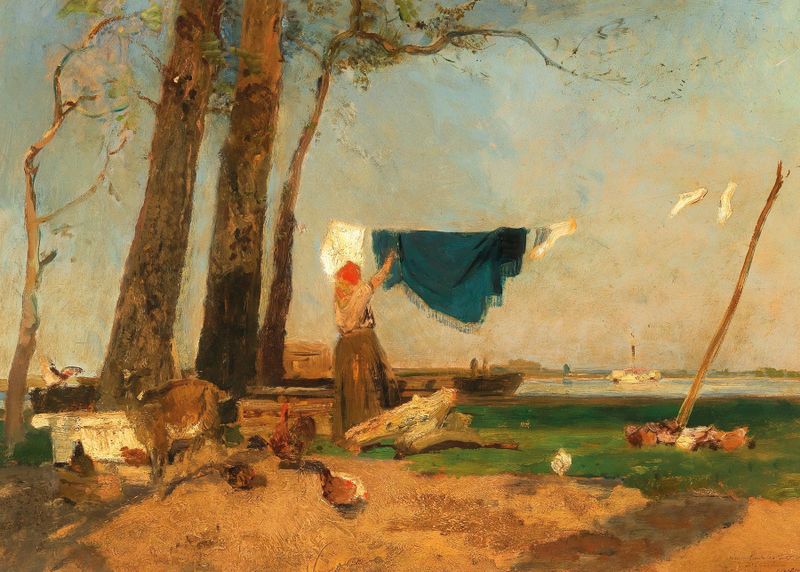
A washerwoman on the Danube bank, near the Praterspitz
Emil Jakob Schindler
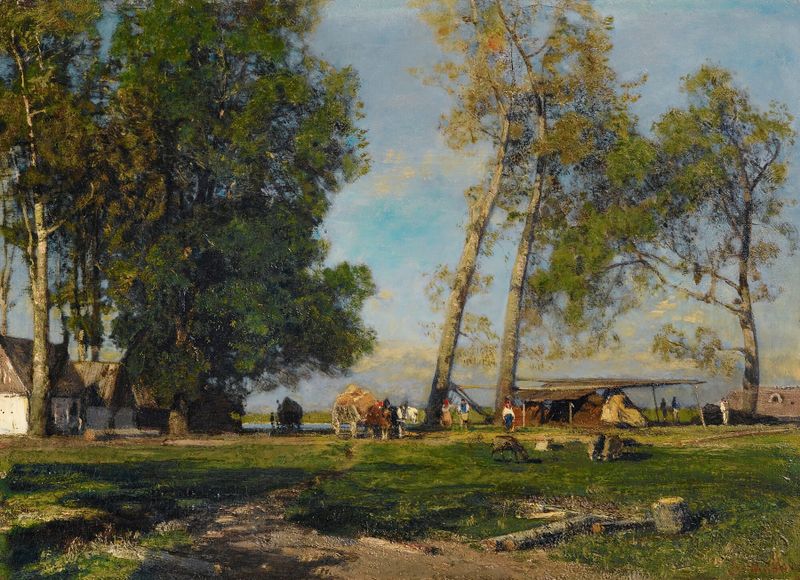
The Prater Gardens, Vienna
Emil Jakob Schindler
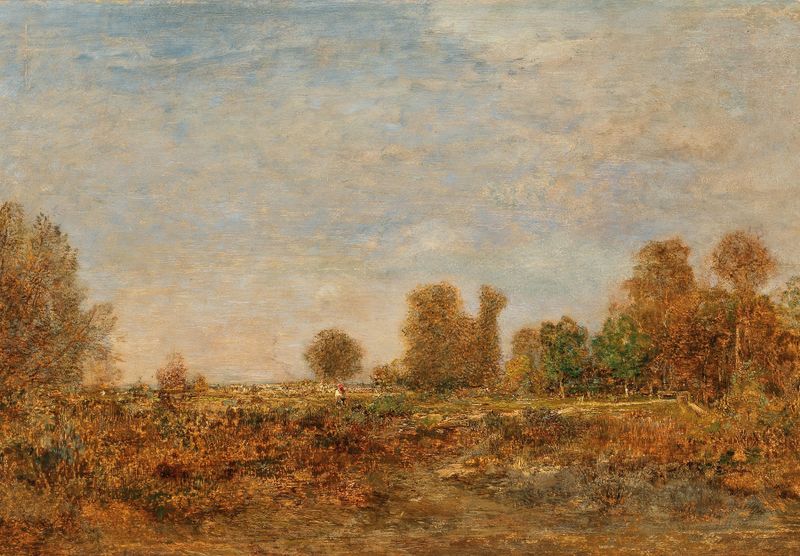
Landschaft, Lundenburg
Emil Jakob Schindler
Die Mühle im Wald
Emil Jakob Schindler
Mondaufgang in der Praterau
Emil Jakob Schindler





