
General Letellier on His Deathbed — History & Facts
When Théodore Géricault painted General Letellier on His Deathbed in 1819, he was still haunted by the public scandal and controversy of his monumental The Raft of the Medusa, which had debuted at the Salon just the year before. The subject here, General Letellier, was a figure shrouded in the political turbulence of post-Napoleonic France—a man whose death, in the eyes of some, symbolized the fading of a generation shaped by revolution and war. It is telling that Géricault, who was fascinated by the psychology of death and the body, chose to portray Letellier not in his prime, but in his final moments, at a time when the French public was grappling with questions of heroism, mortality, and legacy. The painting captures the precise instant when life is slipping away: Letellier lies pale and motionless, his uniform barely visible beneath the white sheets, a reminder of his military identity now rendered powerless.
His face, rendered with Géricault’s characteristic intensity, is turned slightly toward the viewer, eyes closed, mouth parted, as if caught between worlds. The dim light falls across his features, emphasizing both the fragility of flesh and the dignity of the man. At the bedside, a single medal or epaulette rests, a silent witness to a career in arms.
Unlike Jacques-Louis David’s neoclassical heroes, Géricault’s Letellier is not idealized; instead, the painting dwells on the physical reality of death, much as Géricault did in his studies for The Raft of the Medusa, and anticipates the later realism of Courbet. The exact circumstances of the commission for General Letellier on His Deathbed remain unclear, and the painting’s medium is not definitively recorded—though Géricault was known to work in both oil and watercolor during this period. The work did not achieve the notoriety of his larger canvases, and for many years its whereabouts were unknown, with some scholars debating its attribution due to the lack of early exhibition records. Today, it stands as a rare example of Géricault’s intimate, almost clinical approach to mortality, bridging his fascination with the human body and his interest in contemporary history.
Whether painted as a private memorial or a meditation on the cost of glory, it marks a significant moment in the artist’s brief but influential career, on the cusp of the Romantic movement’s full flowering.
More Artworks by Théodore Géricault
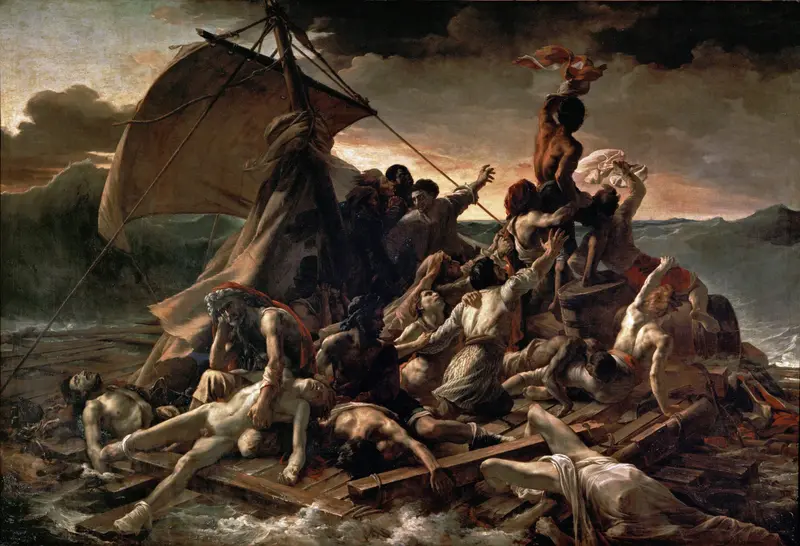
The Raft of the Medusa
Théodore Géricault

Géricault - Le naufrage du radeau de la Méduse, MBA 790
Théodore Géricault
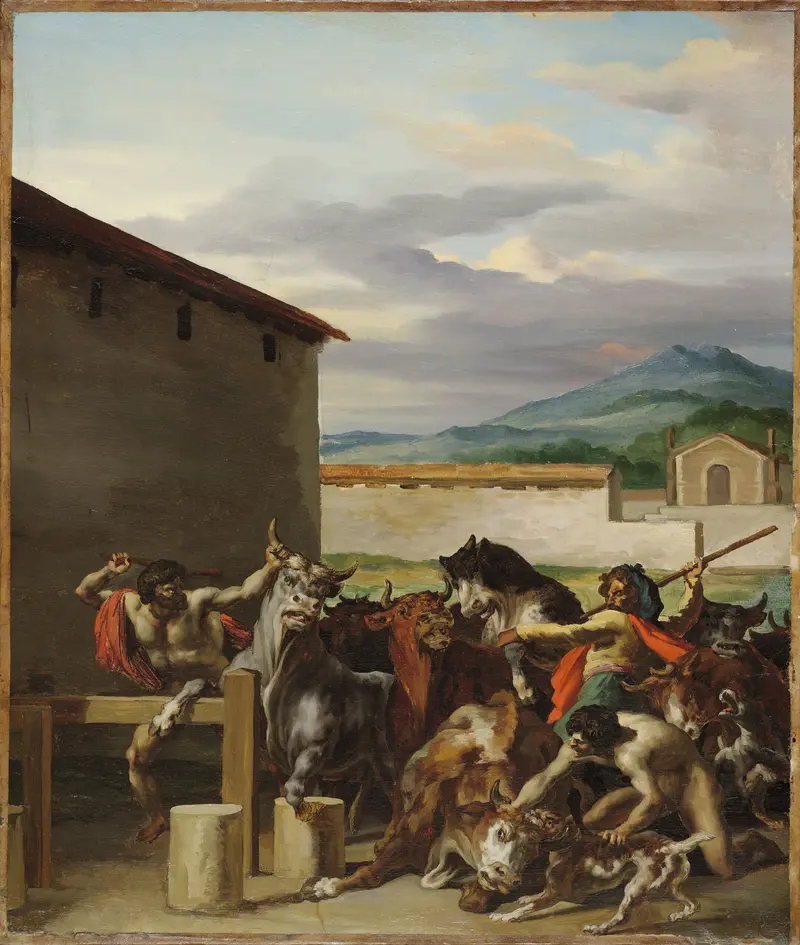
Cattle Market
Théodore Géricault
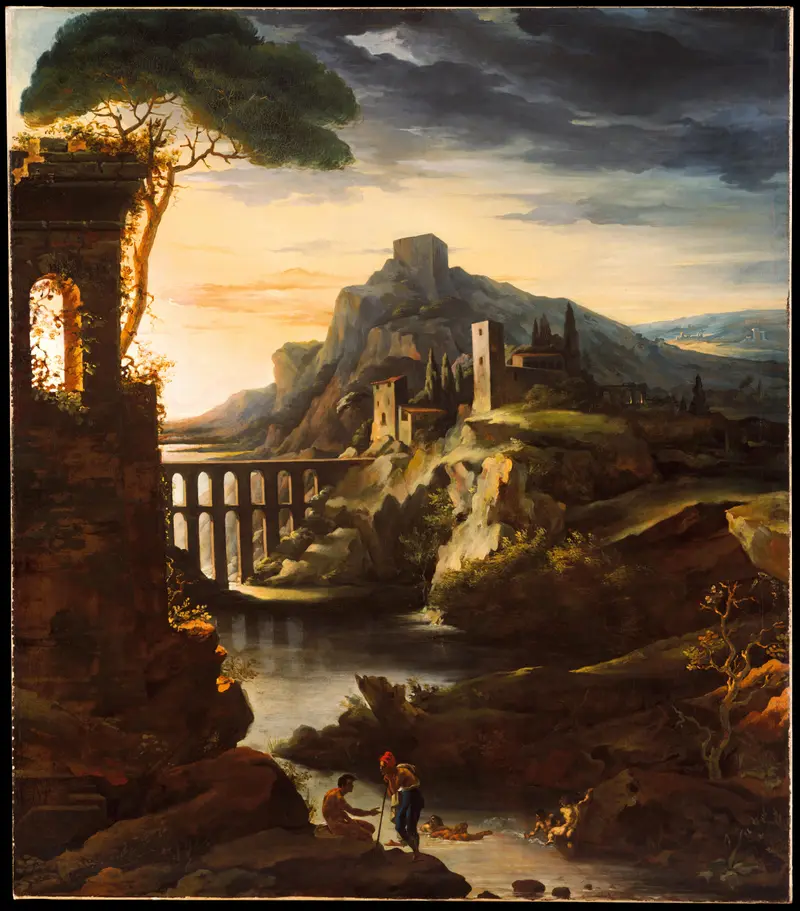
Evening; Landscape with an Aqueduct
Théodore Géricault
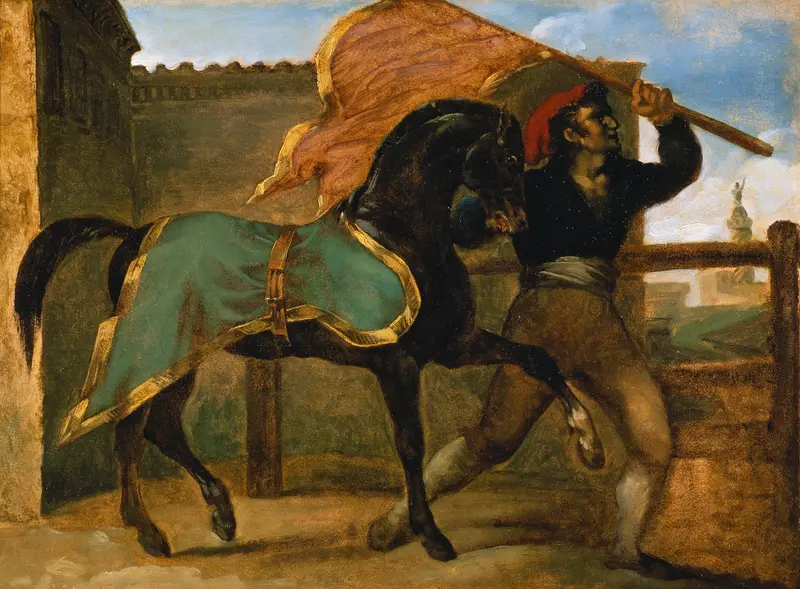
Horse Race
Théodore Géricault

Horses Standing in a Mews
Théodore Géricault
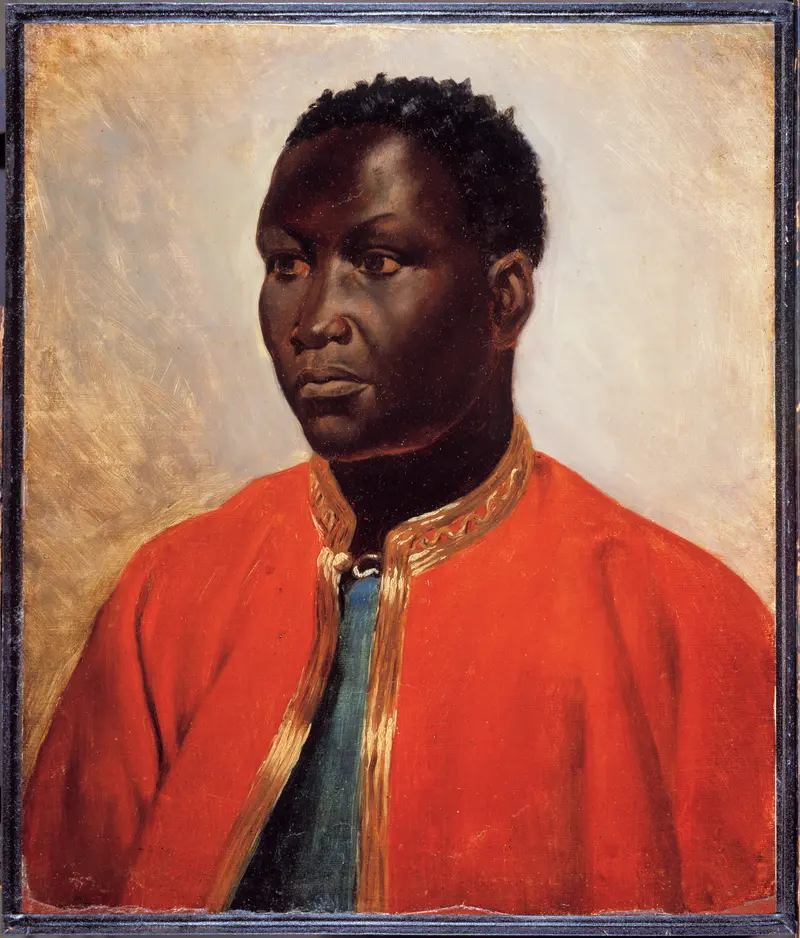
Portrait of a Negro
Théodore Géricault
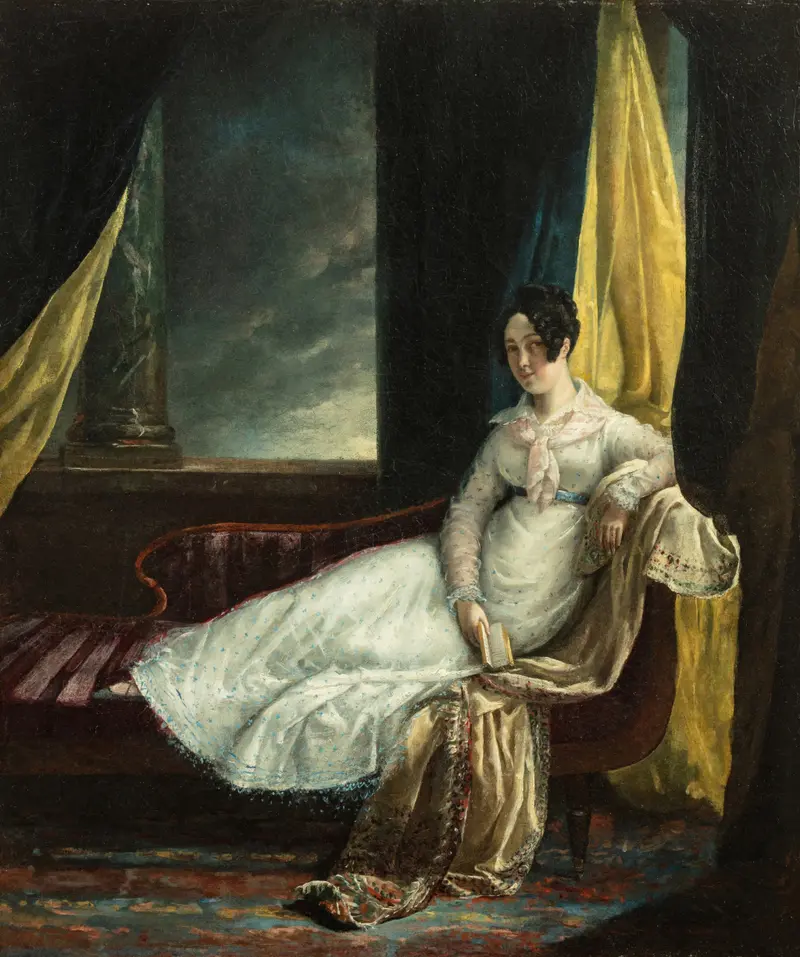
Portrait of Zoë Elmore
Théodore Géricault
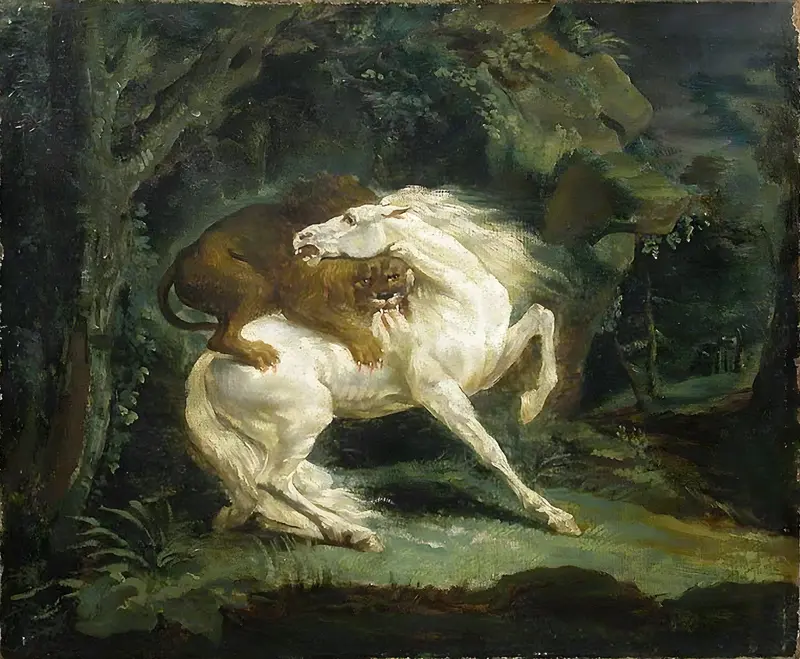
Cheval attaqué par un lion
Théodore Géricault
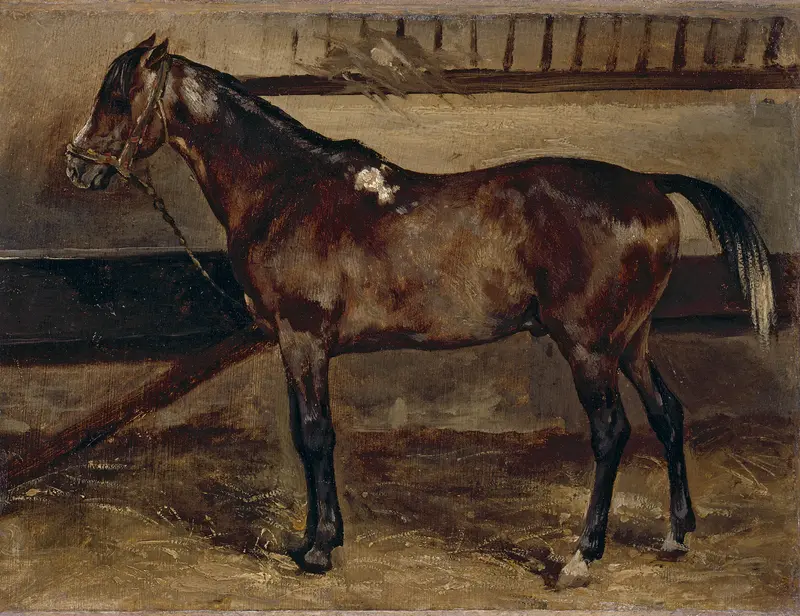
Cheval brun à l'écurie
Théodore Géricault





