
Géricault - Etude de cheval mort, 1823, Inv. — History & Facts
Few artists have studied death with the intensity of Théodore Géricault, who, in the aftermath of his harrowing work on The Raft of the Medusa, turned his attention to the lifeless forms of horses. In 1823, he produced Etude de cheval mort, a work born from his fascination with anatomy and his relentless pursuit of truth in representation. At a time when the Parisian art world was still reeling from the shock of his previous paintings, Géricault’s choice to paint dead animals—often directly from the abattoirs—was both radical and unsettling.
This particular study stands as one of several he made, each a meditation on the fragility of life and the raw materiality of flesh. The painting captures a horse at the moment when life has just departed, its body heavy and slack, the muscles and sinews rendered with almost clinical precision. Géricault’s eye lingers on the textures of hide and bone, the awkward collapse of limbs, and the subtle play of light across the animal’s inert form. Unlike the heroic horses of Delacroix or the idealized steeds of Neoclassical painters, this horse is stripped of all grandeur, presented as a subject for empathy and contemplation rather than admiration.
The absence of background detail focuses all attention on the animal itself, inviting the viewer to confront mortality without distraction. Etude de cheval mort was never intended for public exhibition; it was part of Géricault’s private study, a testament to his commitment to understanding the realities of life and death. The medium remains uncertain, though the work’s immediacy suggests oil or chalk on paper. After Géricault’s untimely death in 1824, many of his anatomical studies were dispersed or lost, but this piece survived, eventually entering the collection where it is preserved today.
It stands as an intimate record of the artist’s restless curiosity and his willingness to look unflinchingly at subjects others preferred to ignore, marking a key moment in the evolution of Romantic art.
More Artworks by Théodore Géricault
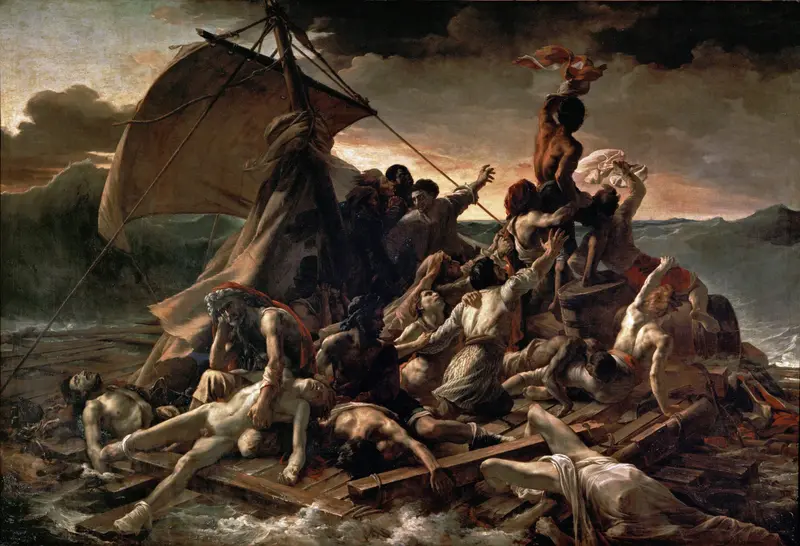
The Raft of the Medusa
Théodore Géricault

Géricault - Le naufrage du radeau de la Méduse, MBA 790
Théodore Géricault
Cattle Market
Théodore Géricault
Evening; Landscape with an Aqueduct
Théodore Géricault
Horse Race
Théodore Géricault

Horses Standing in a Mews
Théodore Géricault
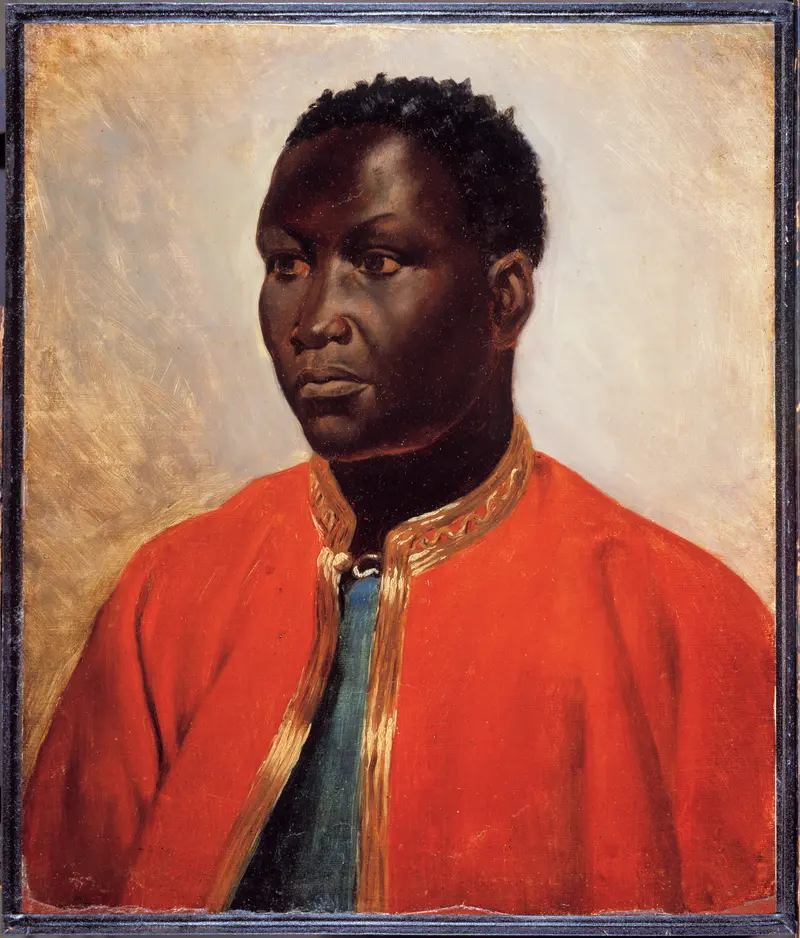
Portrait of a Negro
Théodore Géricault
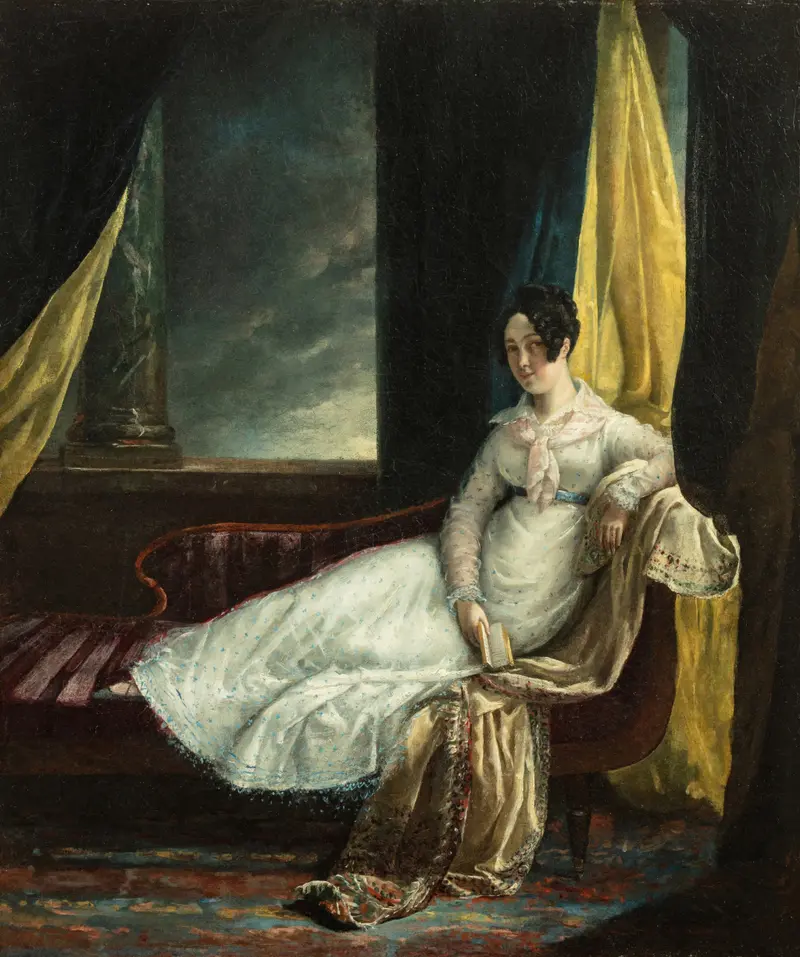
Portrait of Zoë Elmore
Théodore Géricault
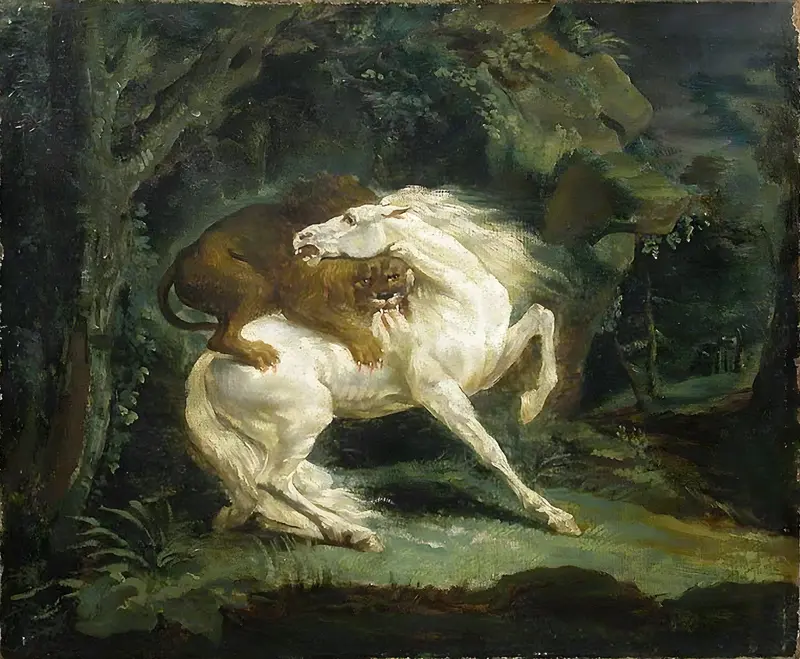
Cheval attaqué par un lion
Théodore Géricault
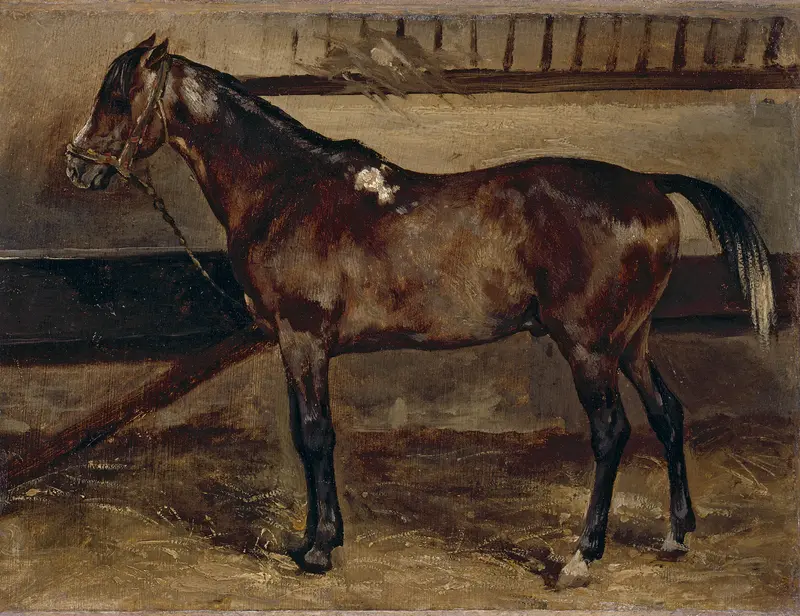
Cheval brun à l'écurie
Théodore Géricault





