
Interrogations in Jail — History & Facts
What first seizes the eye in Interrogations in Jail is the unflinching chaos of human suffering and authority, staged beneath a low, oppressive ceiling. The light, filtered coldly through barred windows, lands not on faces but on backs bent in pain or labor, and on the stark, angular forms of torture devices. Magnasco’s brushwork is restless, almost frantic, as if the very air of the prison trembles with anxiety and cruelty.
Every gesture is loaded: a figure slumped in despair, another bound and suspended midair, while a cluster of officials at the center preside over the scene, their indifference underscored by the bureaucratic calm of their table. The palette, all bruised earth and sickly ochre, denies any comfort, pushing the viewer to confront the reality of the space. Works like this emerged in early eighteenth-century Italy, when artists such as Alessandro Magnasco turned their gaze to the margins of society—prisons, asylums, and the dispossessed—rather than the grand mythologies or courtly scenes favored by their predecessors. These paintings were not usually official commissions but were collected by private patrons drawn to the sensational and the strange, or perhaps to the moral questions these images posed.
Dated between circa 1710 and circa 1720, this piece belongs to a period when the boundaries of genre painting were expanding, and Magnasco’s style—nervous, theatrical, and unvarnished—stood apart from the polished serenity of his contemporaries. History has kept few traces of the specific origins of this work, but its survival in collections like those documented by the Web Gallery of Art is a testament to the enduring fascination with the darker corners of human experience. Let your eye linger on the uneasy balance of power and pain: every detail here is a deliberate invitation to look, and to question.
More Artworks by Alessandro Magnasco

The Synagogue
Alessandro Magnasco
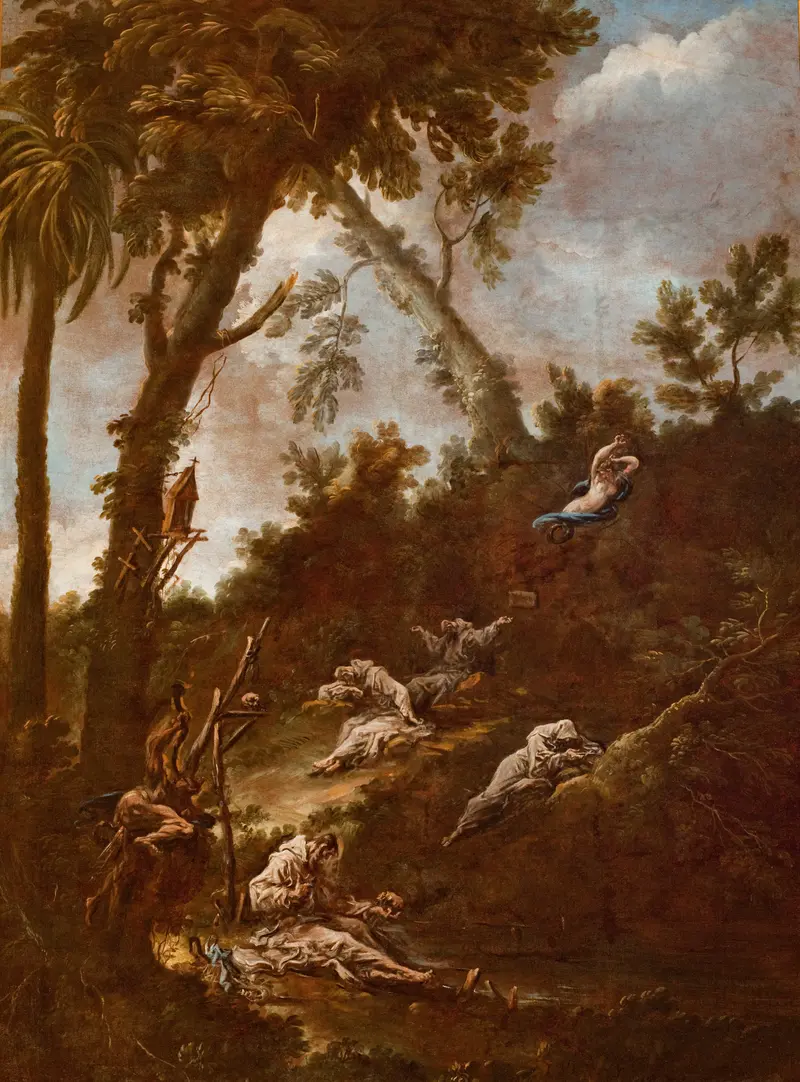
Hermits (Anachorets)
Alessandro Magnasco
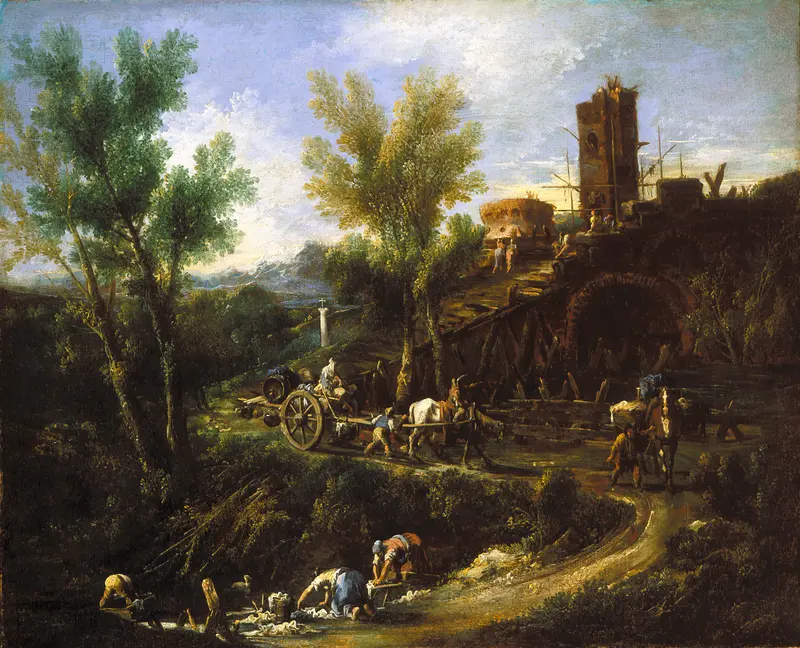
Landscape with Gypsies and Washerwomen
Alessandro Magnasco
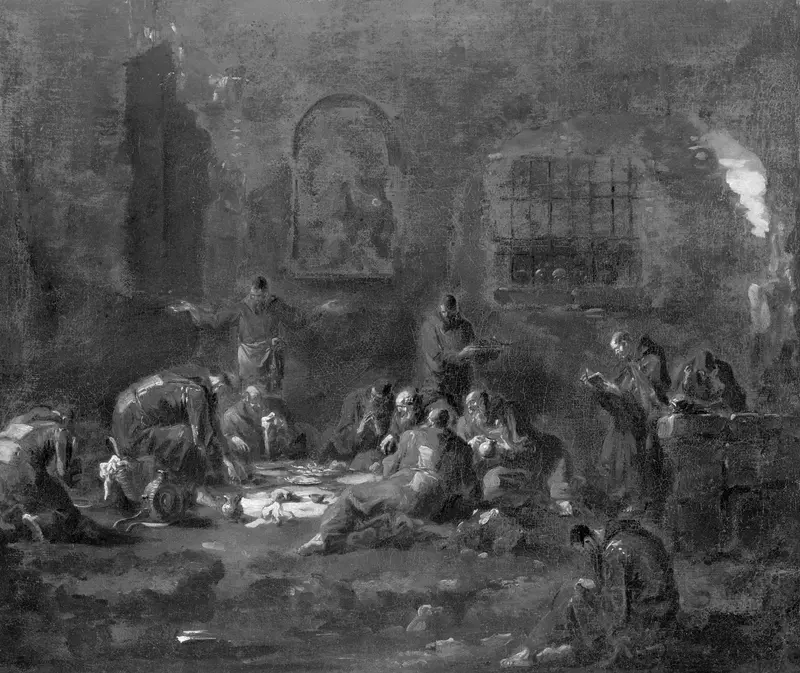
Monks at Supper
Alessandro Magnasco
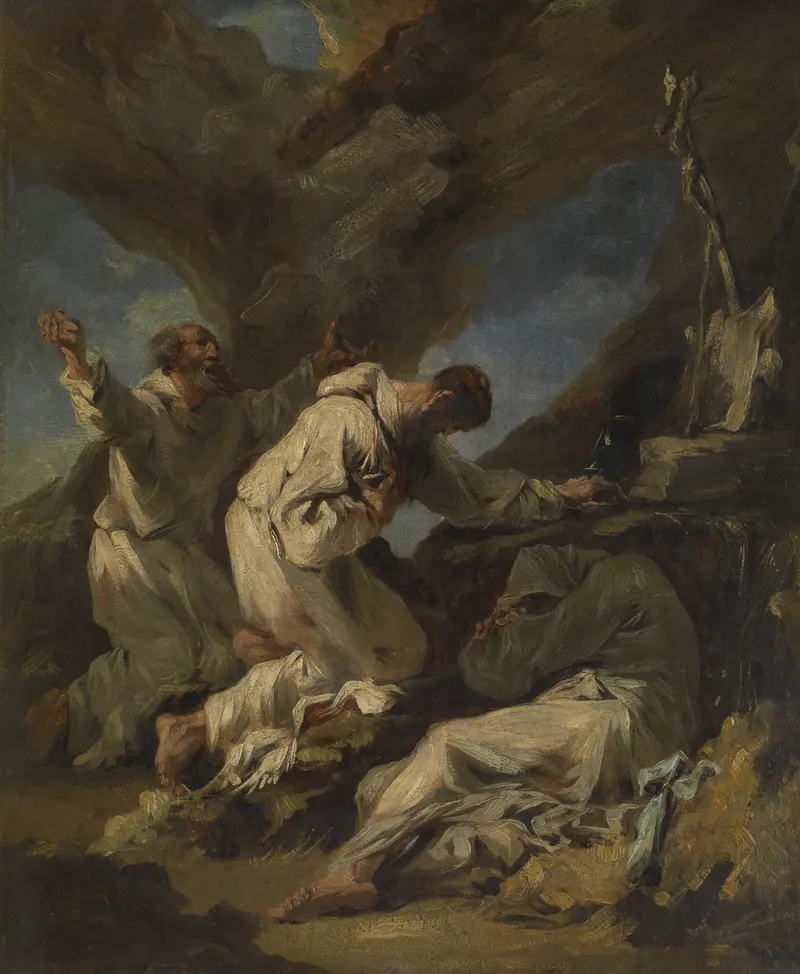
Praying Monks
Alessandro Magnasco
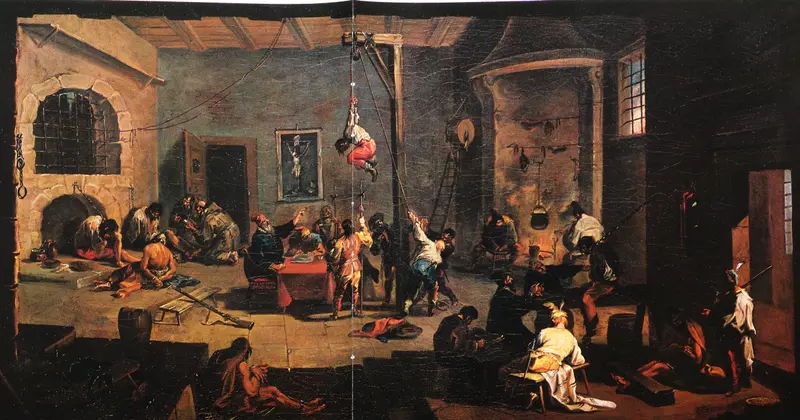
Torture Scene
Alessandro Magnasco
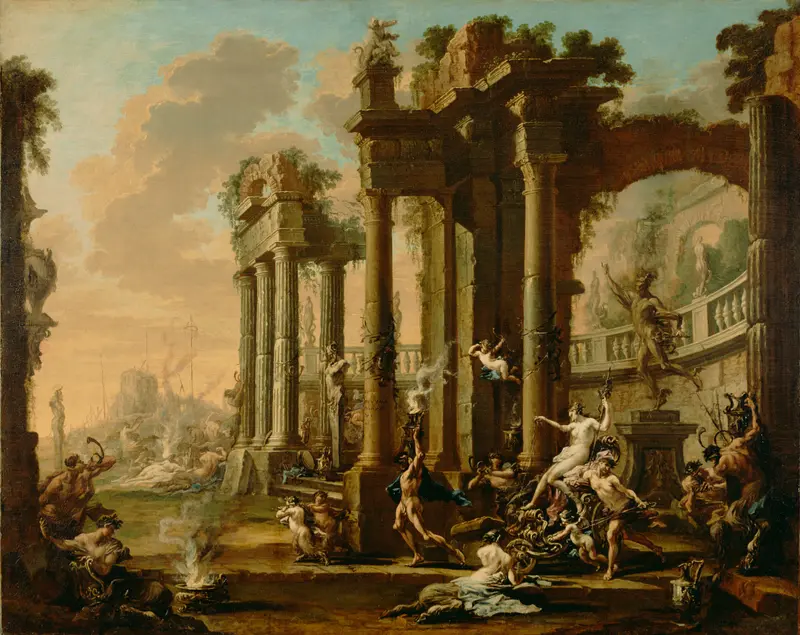
The Triumph of Venus
Alessandro Magnasco
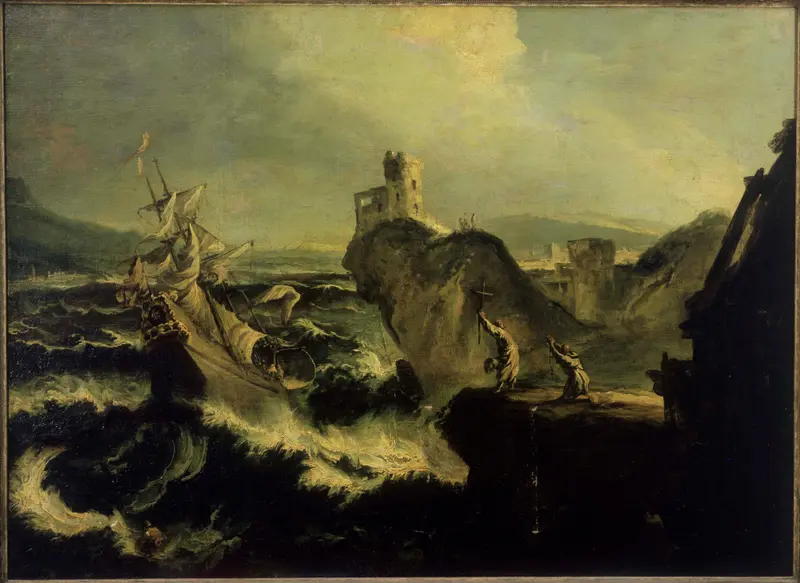
The Shipwreck
Alessandro Magnasco
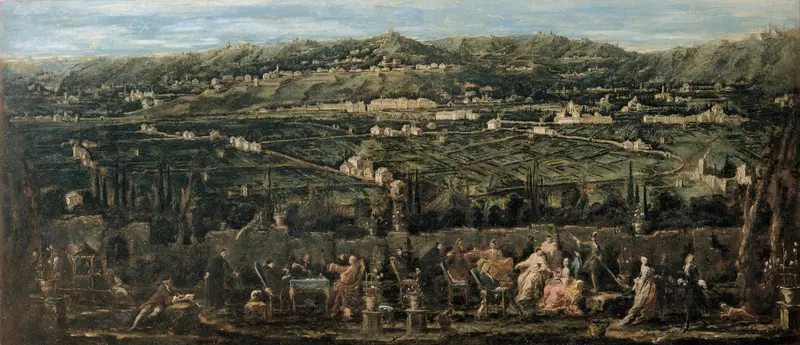
Garden Party in Albaro
Alessandro Magnasco
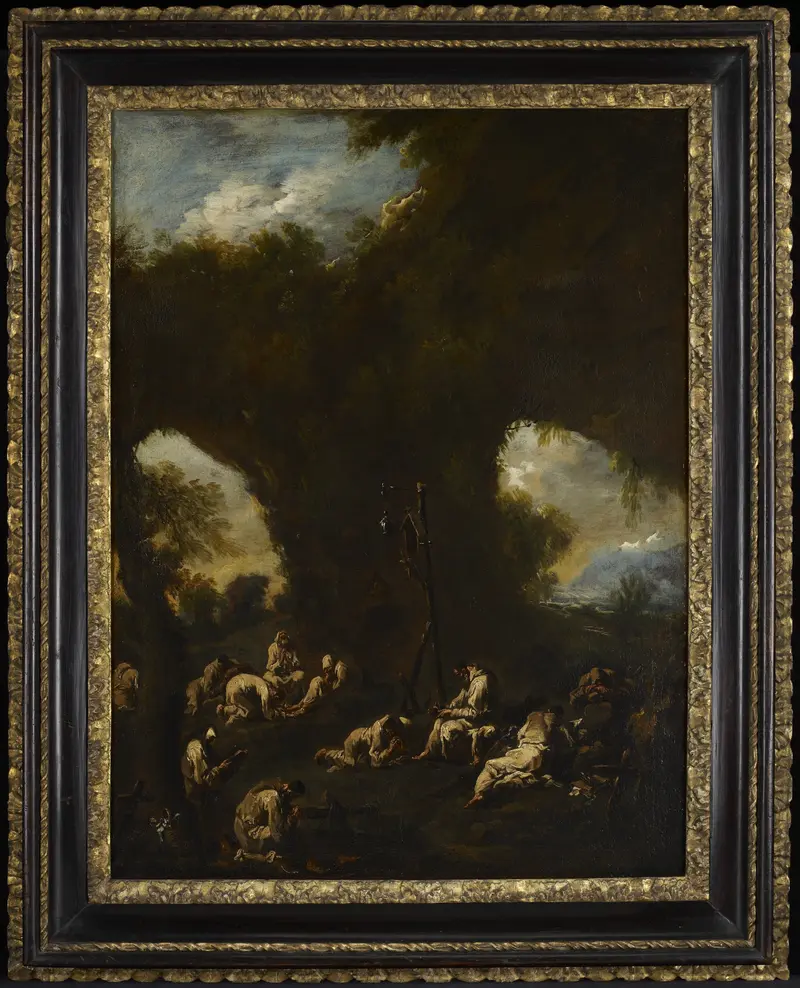
Monks Praying in a Grotto
Alessandro Magnasco
More Genre Scene Art

Banquet of the Officers of the St George Civic Guard
Frans Hals

Rembrandt and Saskia in the Scene of the Prodigal Son
Rembrandt van Rijn

Bal du moulin de la Galette
Pierre-Auguste Renoir

Quadrille at the Moulin Rouge
Henri de Toulouse-Lautrec

A Burial at Ornans
Gustave Courbet

When Will You Marry?
Paul Gauguin