
Isle of the Dead — History & Facts
A lone boat glides toward a rocky island, its white-shrouded passenger upright and motionless, drawing the eye into a world suspended between arrival and farewell. The island itself rises abruptly from dark, rippling water, its cliffs carved with doorways and steps that lead nowhere but inward. Cypress trees tower in the center, their black shapes silhouetted against a deep, almost impenetrable blue sky, signaling both mourning and mystery.
Every element is arranged to focus attention on the silent exchange between water and stone, living and dead—a crossing that feels both mythic and immediate. The painter’s use of stark contrasts—glowing whites against the island’s ochre, the dense shadows within the trees—creates a sense of hush and inevitability, as if the viewer has stumbled upon a ritual that has always been taking place. Painted in June 1880, this second version of Isle of the Dead by Arnold Böcklin belongs to a moment when European artists were drawn to the themes of memory, mortality, and the unknown. Such paintings often found patrons among the educated elite, who sought images that could turn private meditation into public display.
The work’s presence today in the collection of the Metropolitan Museum of Art (object ID 435683) is a testament to its enduring power to unsettle and fascinate. History has kept few traces of the exact circumstances of this painting’s creation, but its vision—half dream, half monument—remains open to every visitor who stands before it, wondering what waits beyond the island’s silent doors.
More Artworks by Arnold Böcklin

Die Toteninsel III
Arnold Böcklin
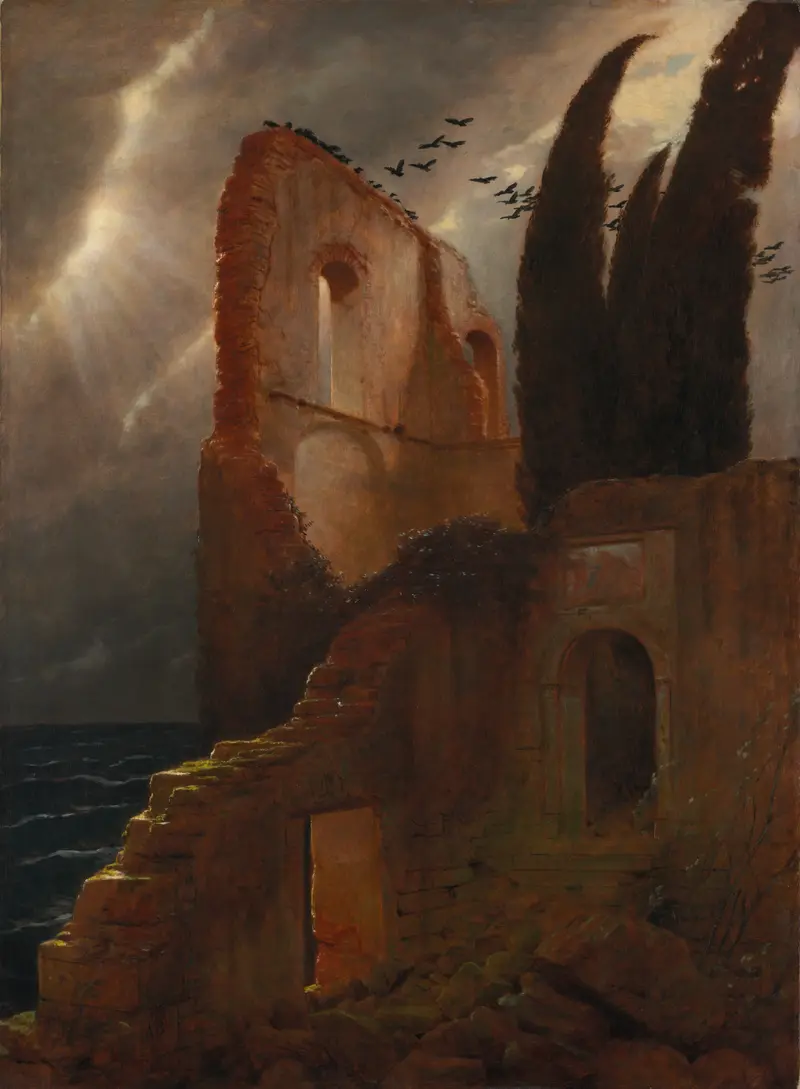
Ruin by the Sea
Arnold Böcklin
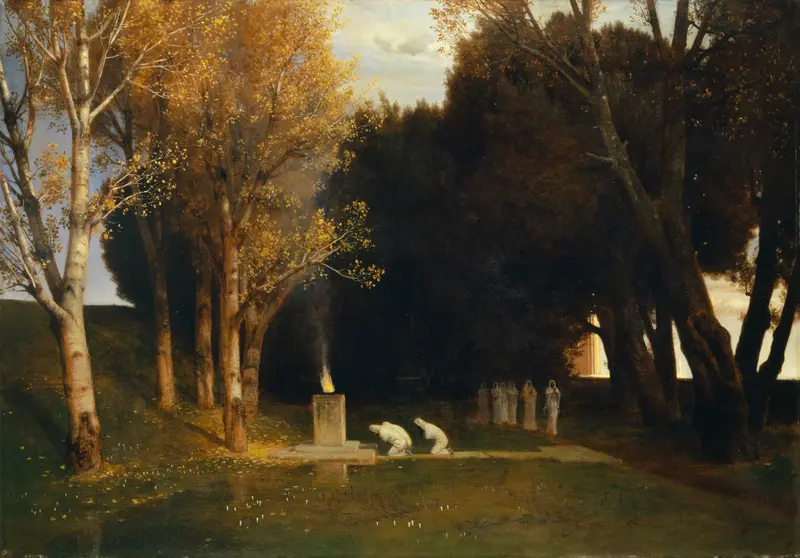
The Sacred Grove
Arnold Böcklin
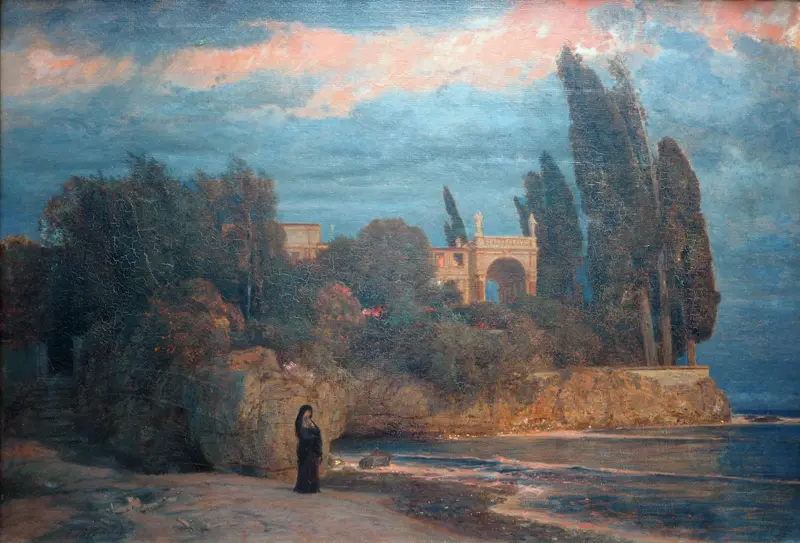
Villa by the Sea
Arnold Böcklin
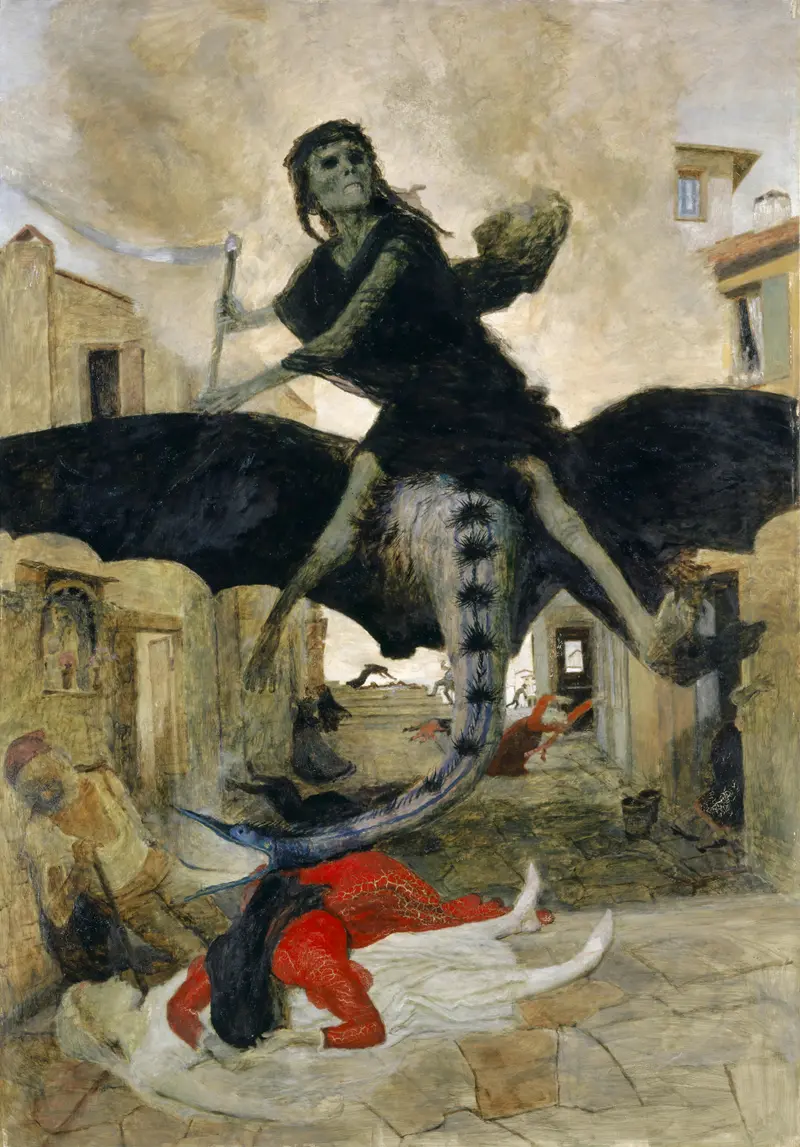
The Plague
Arnold Böcklin
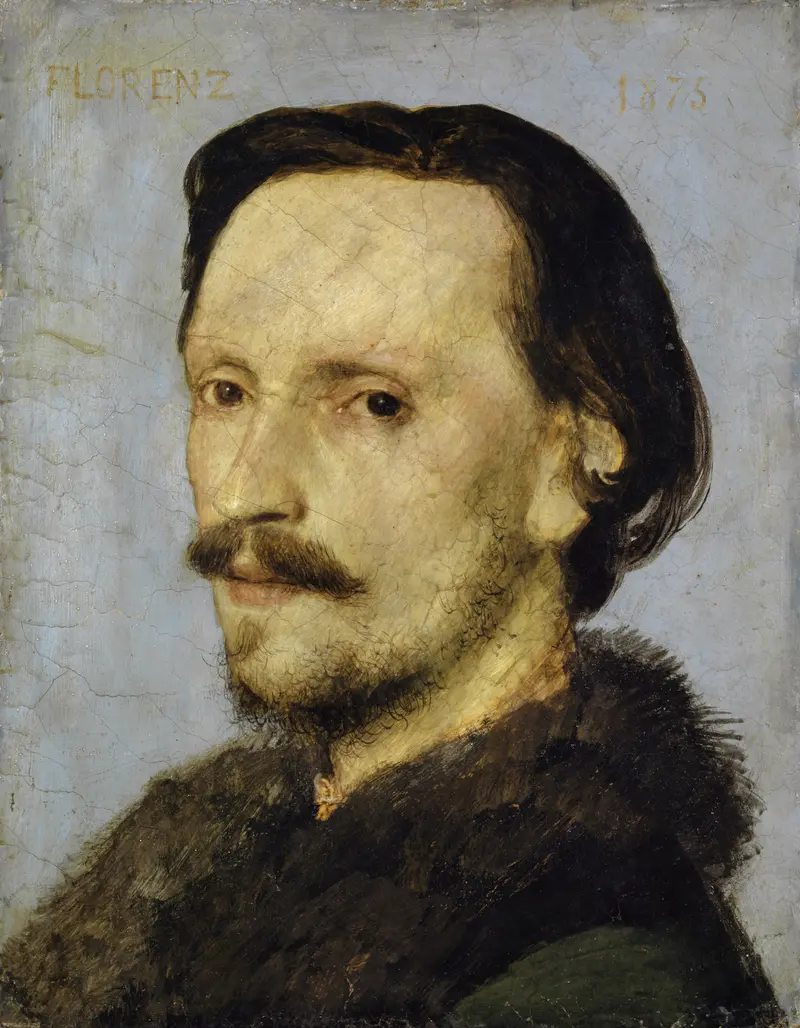
Böcklin Bildnis des Kunsthistorikers Adolph Bayersdorfer, 1875
Arnold Böcklin
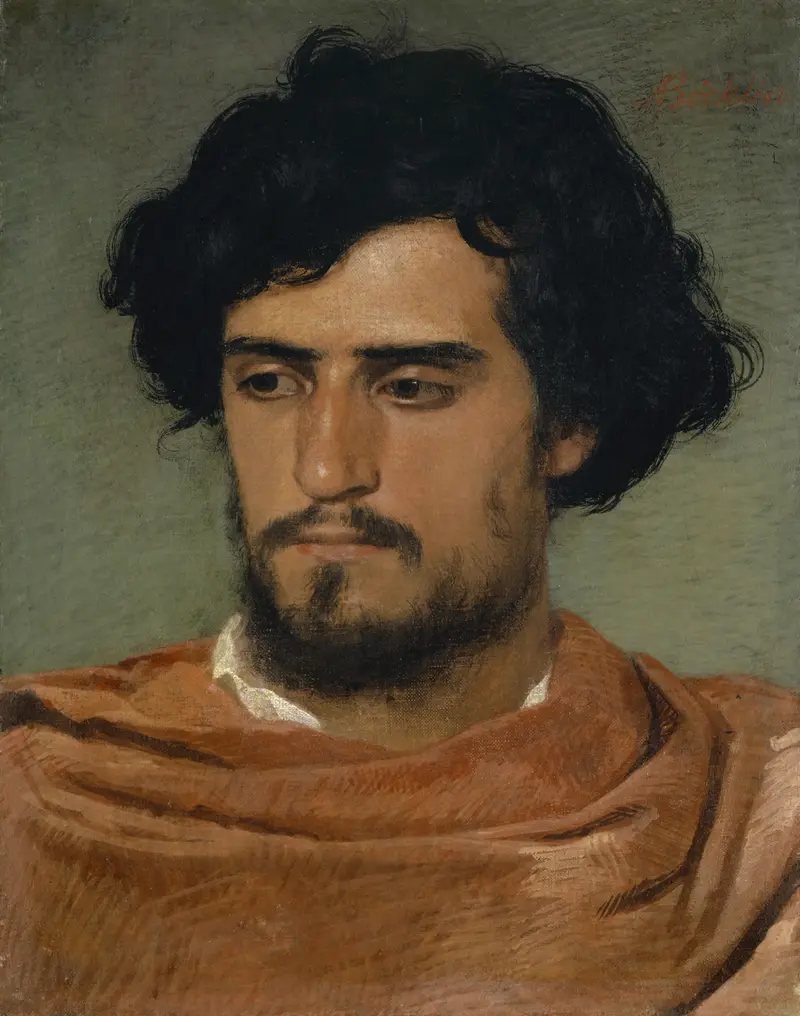
Head of a Roman
Arnold Böcklin
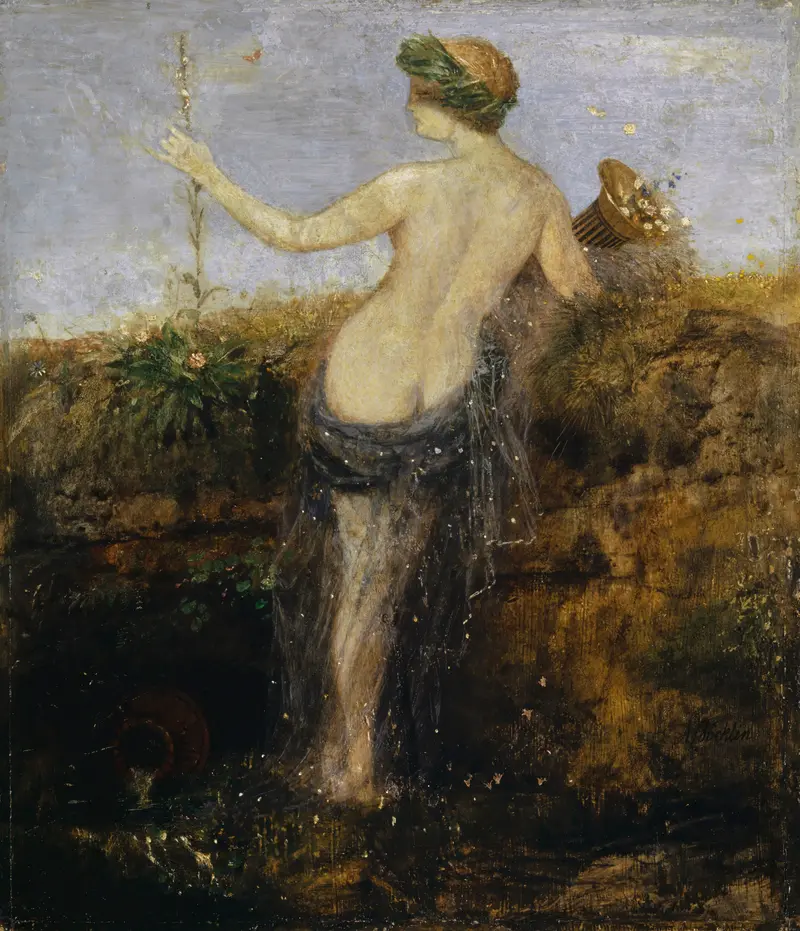
Nymphe with Horn of Plenty
Arnold Böcklin
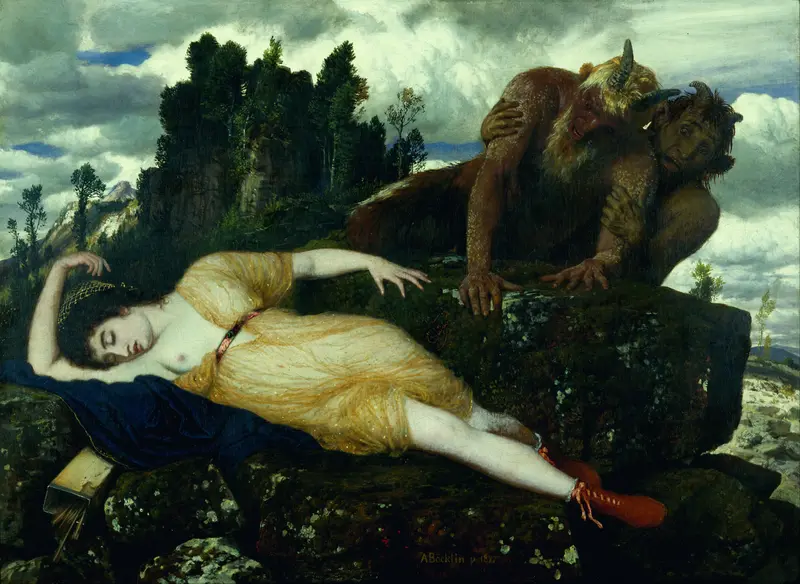
Sleeping Diana Watched by Two Fauns
Arnold Böcklin
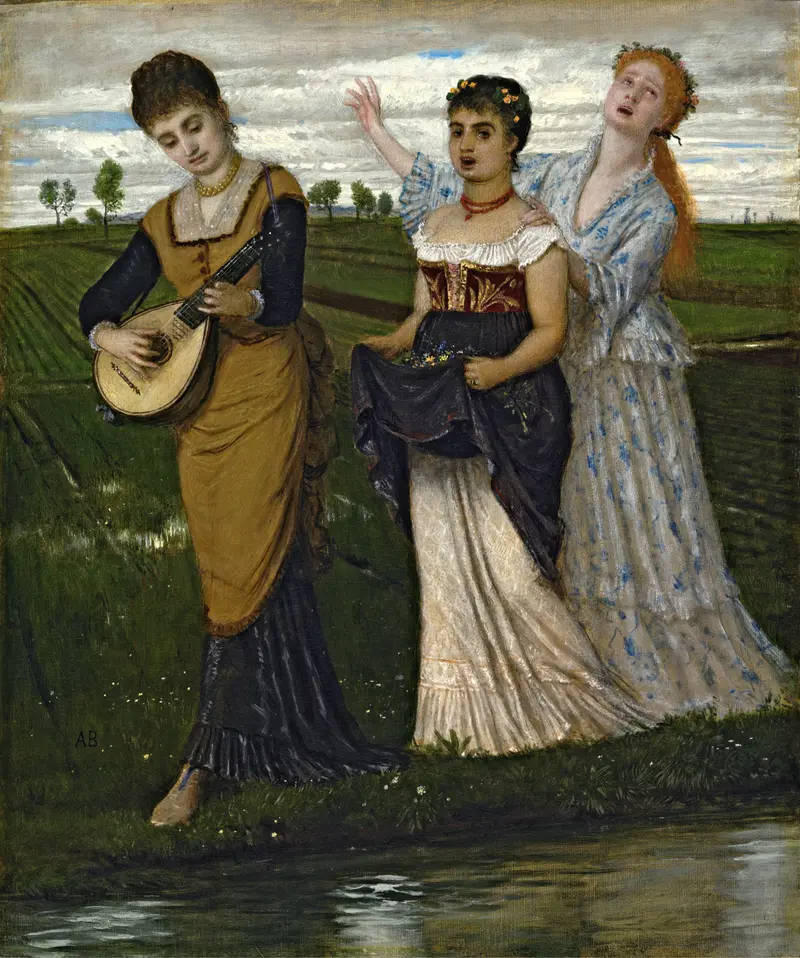
Spring (Songs of Spring)
Arnold Böcklin
More Landscape Art

The Starry Night
Vincent van Gogh

View of Delft
Johannes Vermeer

Water Lilies
Claude Monet

The Grand Canal, Venice, looking north-west from the Ca' Corner to the Ca' Contarini degli Scrigni, with the campanile of Santa Maria della Carità
Canaletto

Windsor Castle
Canaletto

The Grand Canal looking North-East from the Palazzo Dolfin-Manin to the Rialto Bridge
Canaletto