
Joshua Commanding The Sun And The Moon To Stand Still — History & Facts
Few biblical moments have captured the imagination of artists quite like the day when, according to the Book of Joshua, the sun and moon halted in the sky. The story, set during the conquest of Canaan, describes how Joshua, leader of the Israelites, called upon God to prolong daylight so his army could defeat the Amorites. This extraordinary event, recounted in Joshua 10:12-14, has sparked centuries of debate among theologians and scientists alike, with some seeing it as divine intervention and others as allegory.
By the mid-18th century, scenes of miraculous victory and divine favor were especially resonant in European art, reflecting both religious fervor and Enlightenment curiosity. In Joshua Commanding The Sun And The Moon To Stand Still, Raphael chooses the precise instant when Joshua, arm outstretched and face lifted to the heavens, utters his plea. The composition is charged with movement: soldiers pause mid-battle, their attention split between the celestial drama above and the chaos below. The artist places Joshua at the center, his commanding gesture mirrored by the unnatural stillness of the sun and moon, rendered as glowing orbs in a sky caught between day and night.
The armor, banners, and weapons are painted with meticulous care, grounding the miracle in the tangible world of 18th-century warfare. Compared to earlier treatments, such as Nicolas Poussin’s more classical and restrained version, Raphael’s scene brims with urgency and theatricality. Although the exact origins and medium of this painting remain uncertain, it stands as a testament to the enduring appeal of biblical heroism in the era of Neoclassicism. The work is often attributed to Raphael—not to be confused with the Renaissance master, but to an 18th-century artist working in the tradition of grand historical painting.
Its provenance is unclear; there are no surviving records of a specific patron or commission, and its journey through collections is largely undocumented. Today, the painting is valued not only for its dramatic narrative but also as a window into the tastes and ambitions of mid-18th-century European art, where ancient stories found new life on canvas.
More Artworks by Raphael

Madonna of the Goldfinch
Raphael

Madonna with the Fish
Raphael
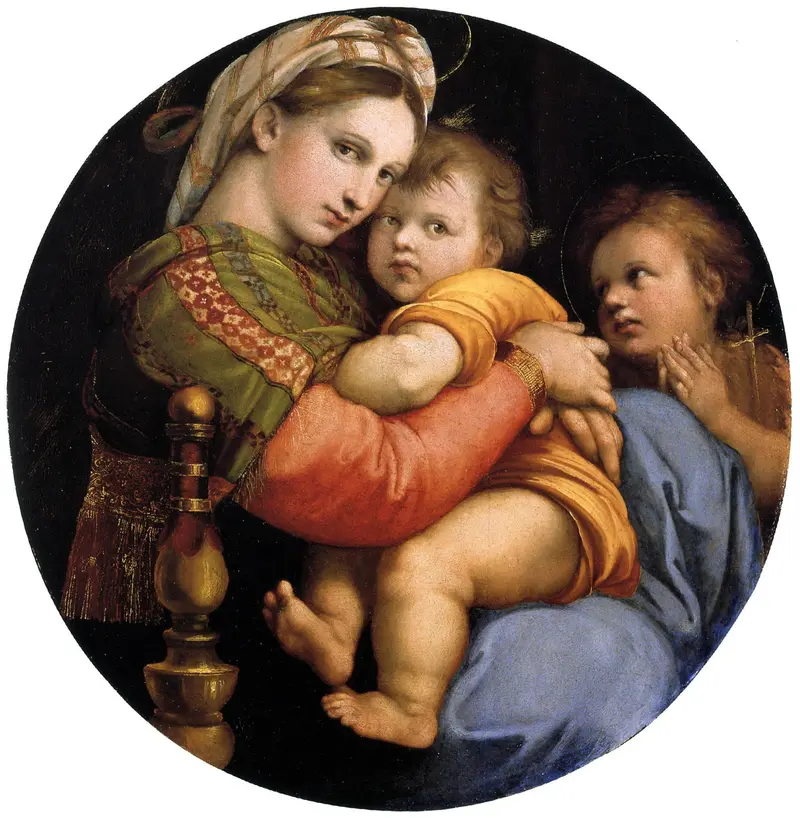
Madonna and Child (Madonna della Seggiola)
Raphael
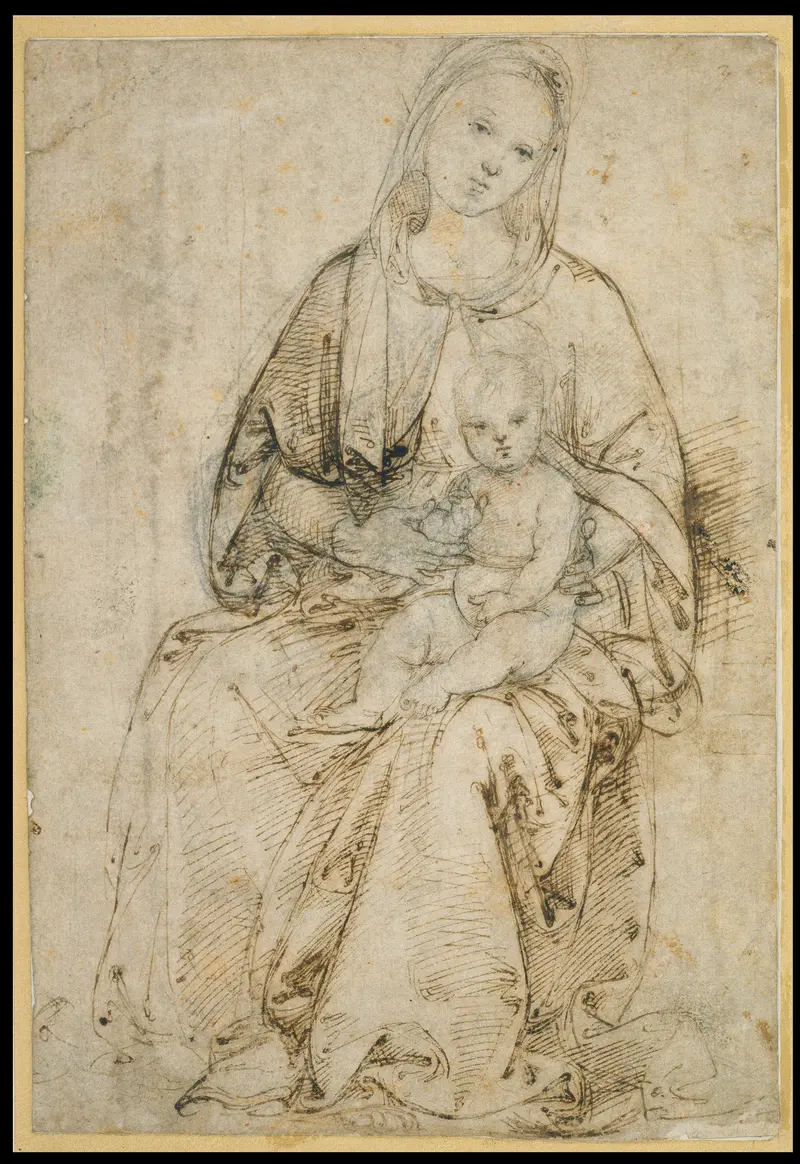
Seated Madonna and Child
Raphael
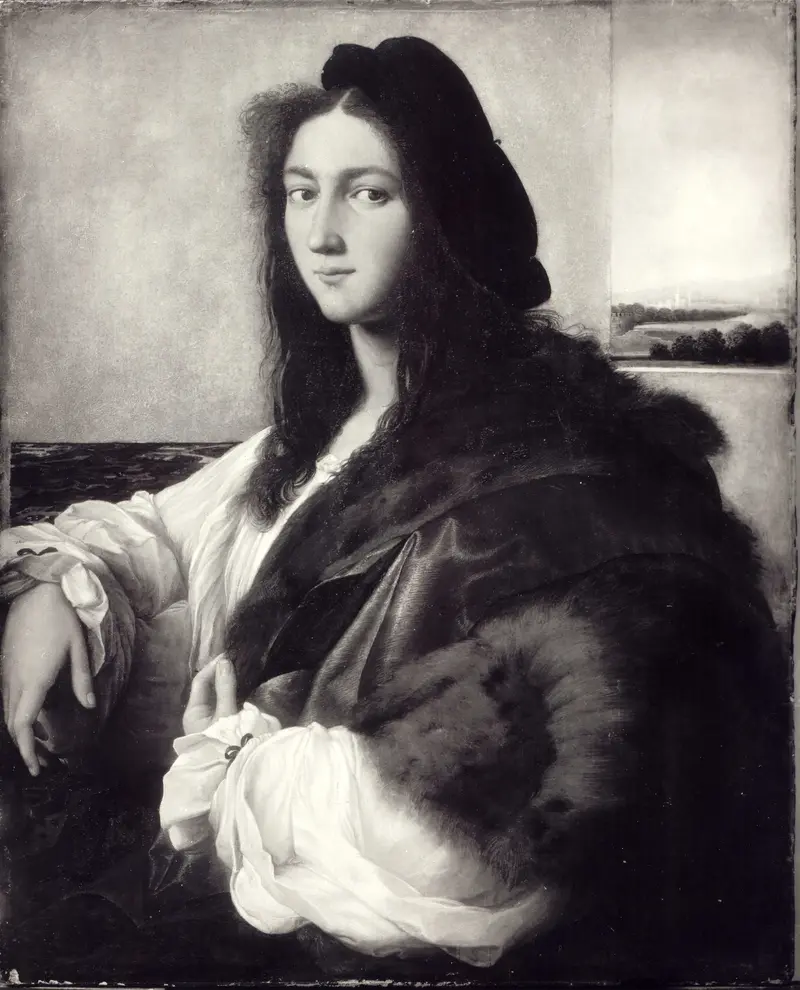
Portrait of a Young Man
Raphael
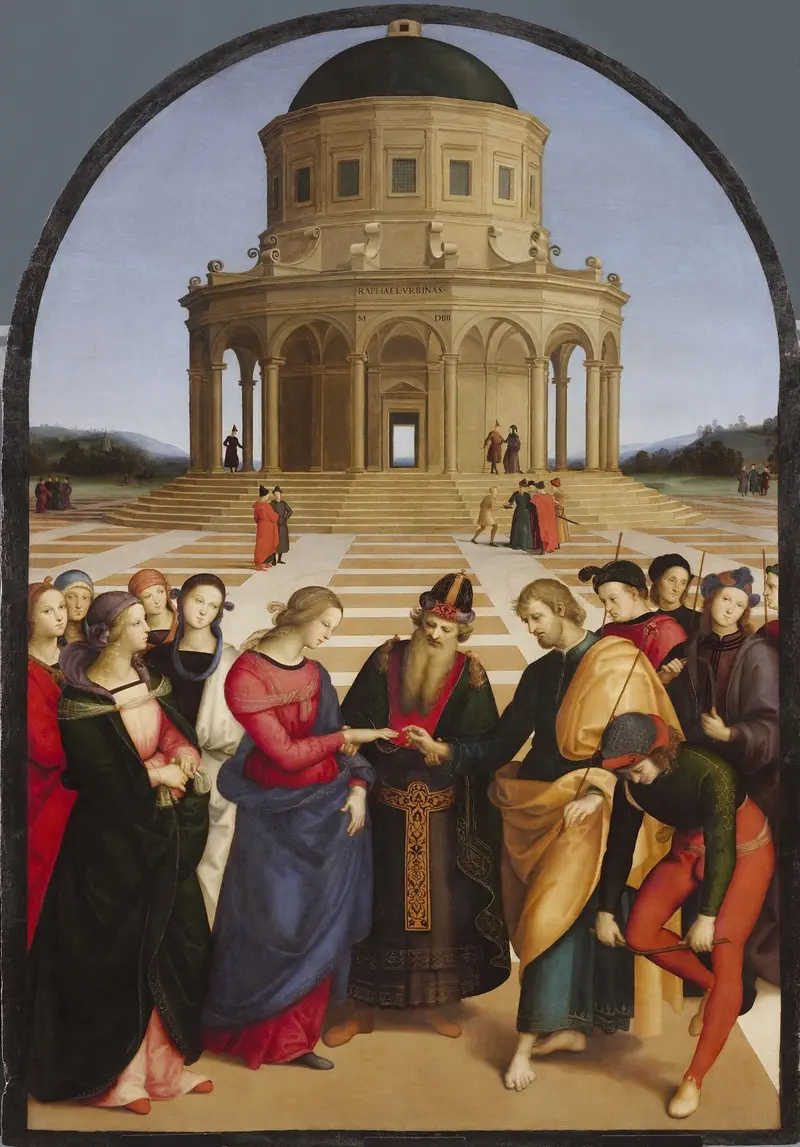
The Marriage of the Virgin
Raphael
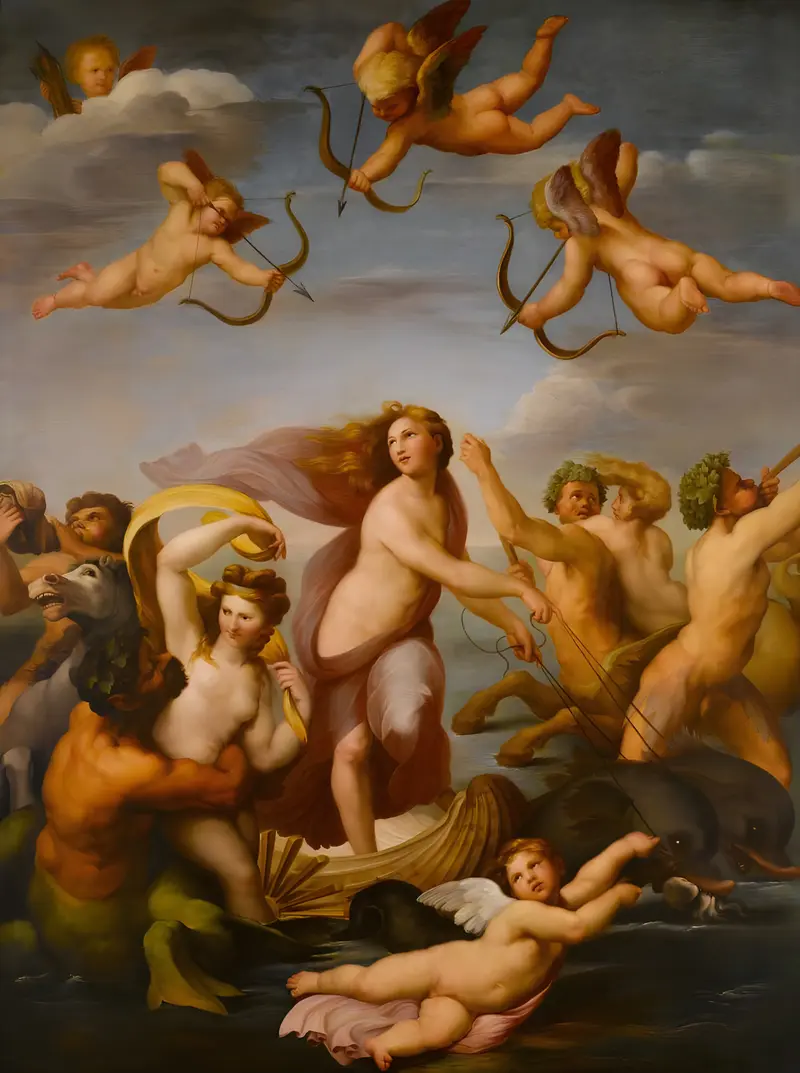
The Triumph of Galatea (copy after Raphael)
Raphael
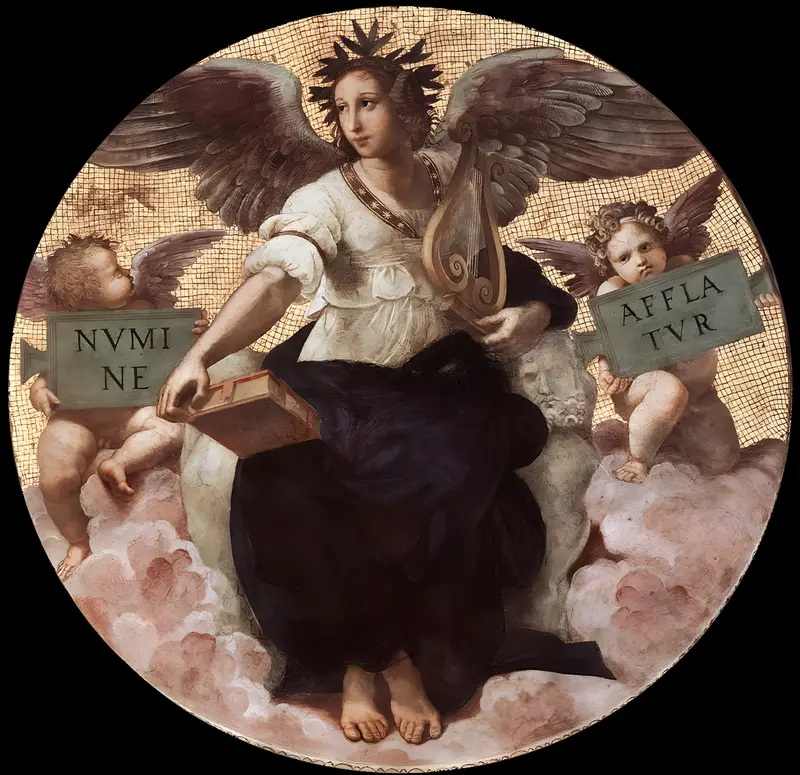
Poetry
Raphael
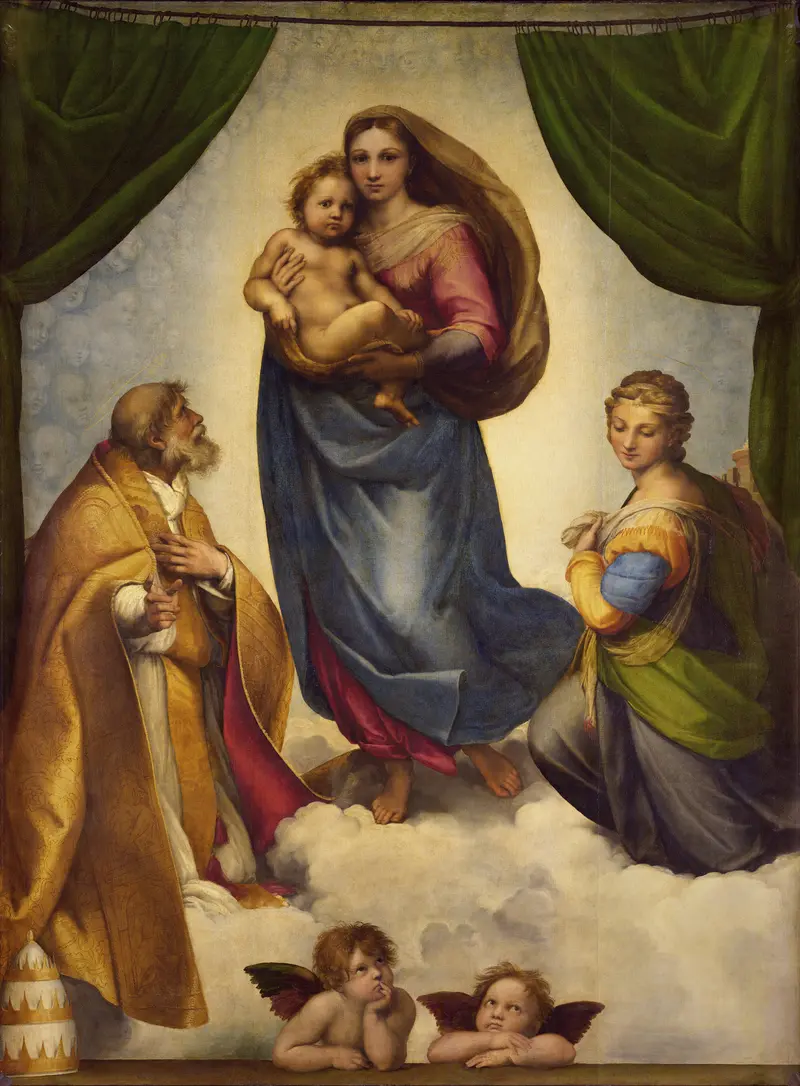
Sistine Madonna
Raphael
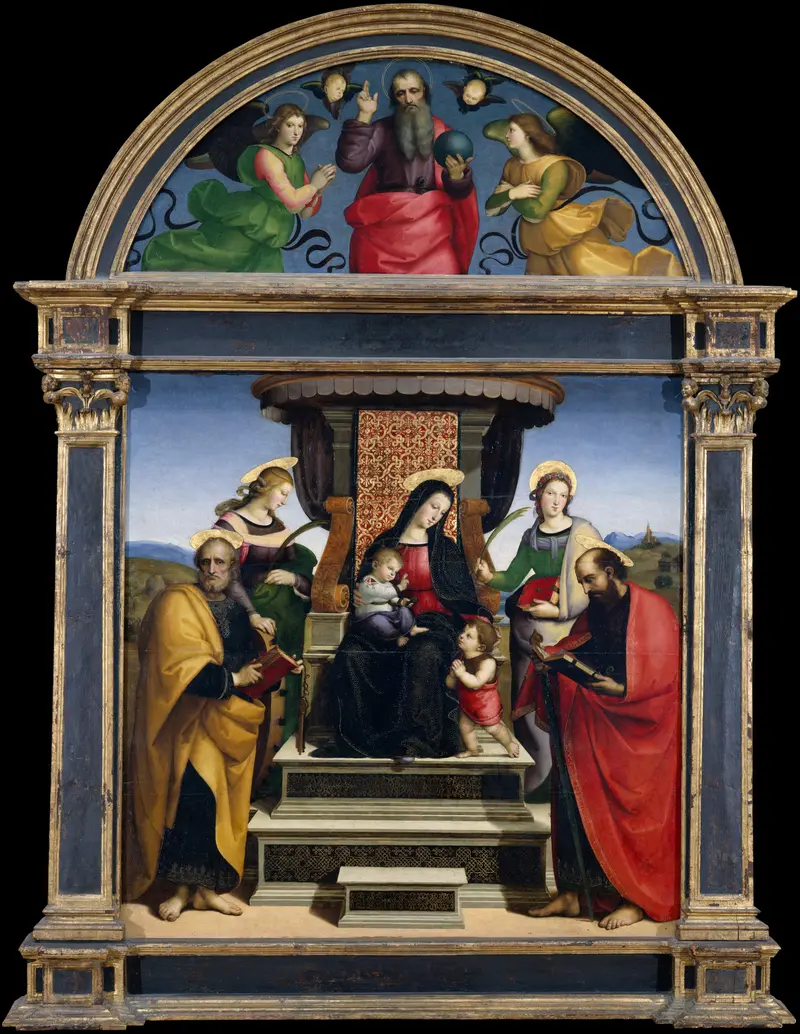
Madonna and Child Enthroned with Saints
Raphael




