
Jules Being Dried by His Mother — History & Facts
When Jules Being Dried by His Mother was first exhibited at the Exposition Universelle in Paris in 1900, critics immediately recognized it as a turning point in Mary Cassatt's lifelong exploration of the bond between mother and child. This painting stands out among her many maternal scenes for its unflinching realism and intimacy, at a moment when Cassatt was at the height of her powers and international fame. The identity of Jules, the child, is still debated—some suggest he was the son of Cassatt’s close friends, while others believe he is a composite, drawn from the artist’s many studies of children in her circle.
What is certain is that this work, created at the dawn of the twentieth century, captures a new, modern vision of childhood and care. The scene unfolds in a sunlit interior, where a mother, sleeves rolled, gently dries her young son after his bath. Cassatt chooses the moment of transition: the child, damp and trusting, leans into his mother's steady hands, while the white towel forms a luminous halo around his small body. The mother’s gaze is focused and practical, her touch both protective and ordinary—a far cry from the idealized Madonnas of earlier centuries.
The composition, with its cropped edges and flattened perspective, owes much to Japanese prints, which Cassatt avidly collected and studied. Unlike Renoir’s sentimental renderings of children, Cassatt’s approach is frank and unsentimental, emphasizing the physicality and routine of caregiving. The painting’s early history is less documented than some of Cassatt’s other works, but it is known that she did not paint on commission and retained many of her maternal scenes in her own collection for years. Jules Being Dried by His Mother likely passed through the hands of Parisian dealers before entering a private American collection in the early twentieth century, reflecting Cassatt’s dual identity as both an American and a fixture of the French avant-garde.
Today, it is celebrated as a key example of her mature style, created at a time when she was recognized as the leading female figure of the Impressionist movement. The work’s focus on everyday intimacy and modern domestic life continues to influence artists and viewers alike, securing its place in the story of both Cassatt’s career and the broader history of modern art.
More Artworks by Mary Cassatt

The Child's Bath
Mary Cassatt
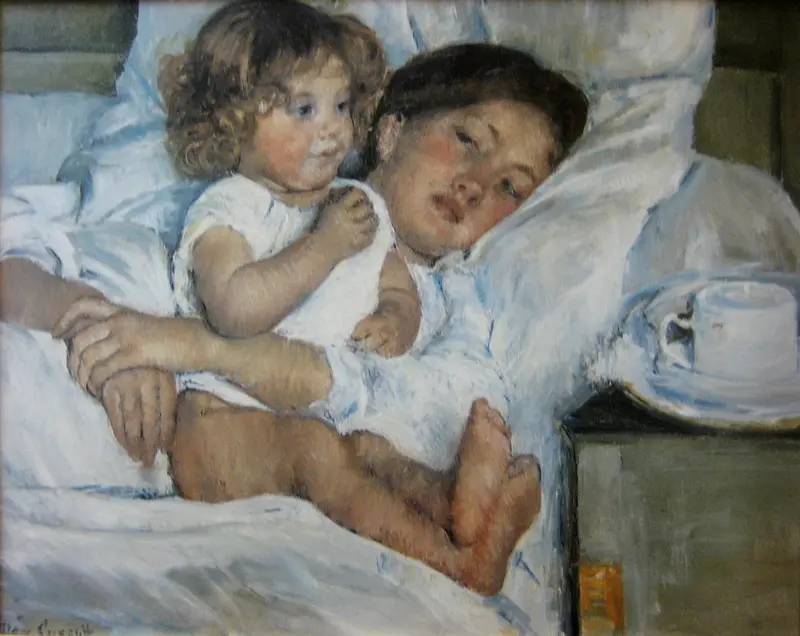
Breakfast in Bed
Mary Cassatt

Mother and Child (Baby Getting Up from His Nap)
Mary Cassatt
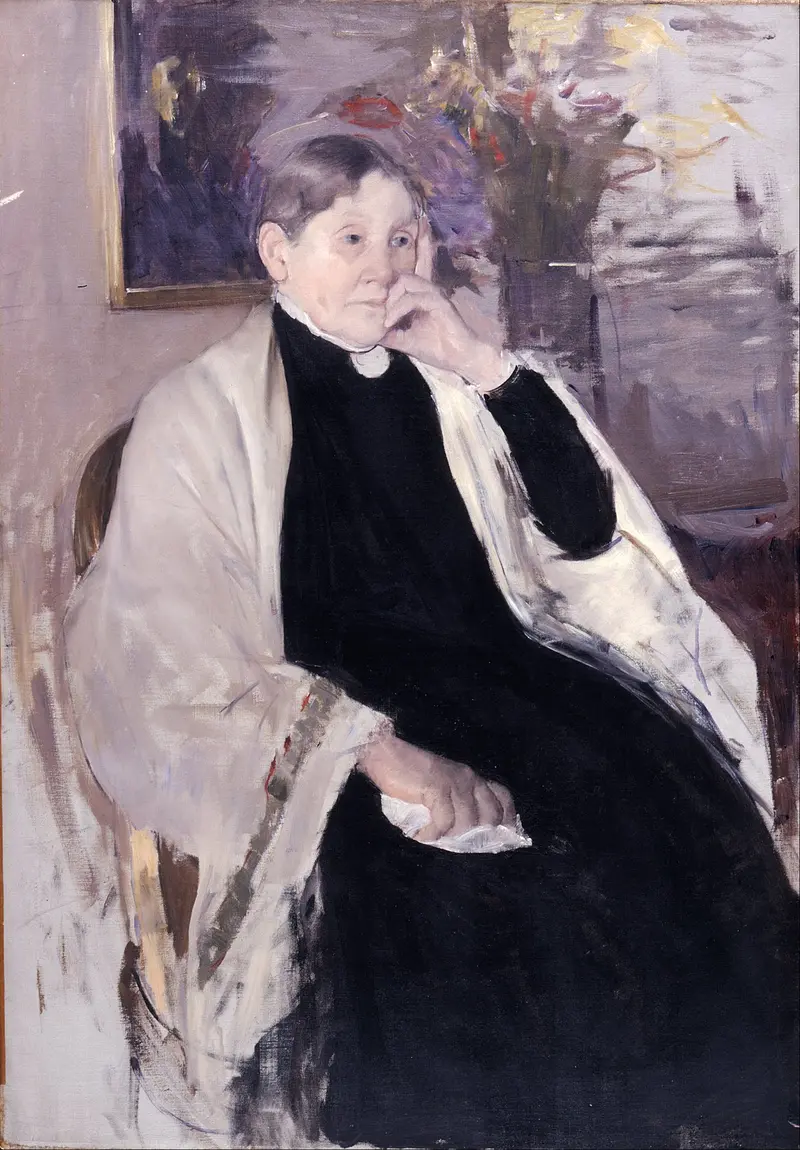
Mrs. Robert S. Cassatt, the Artist's Mother
Mary Cassatt
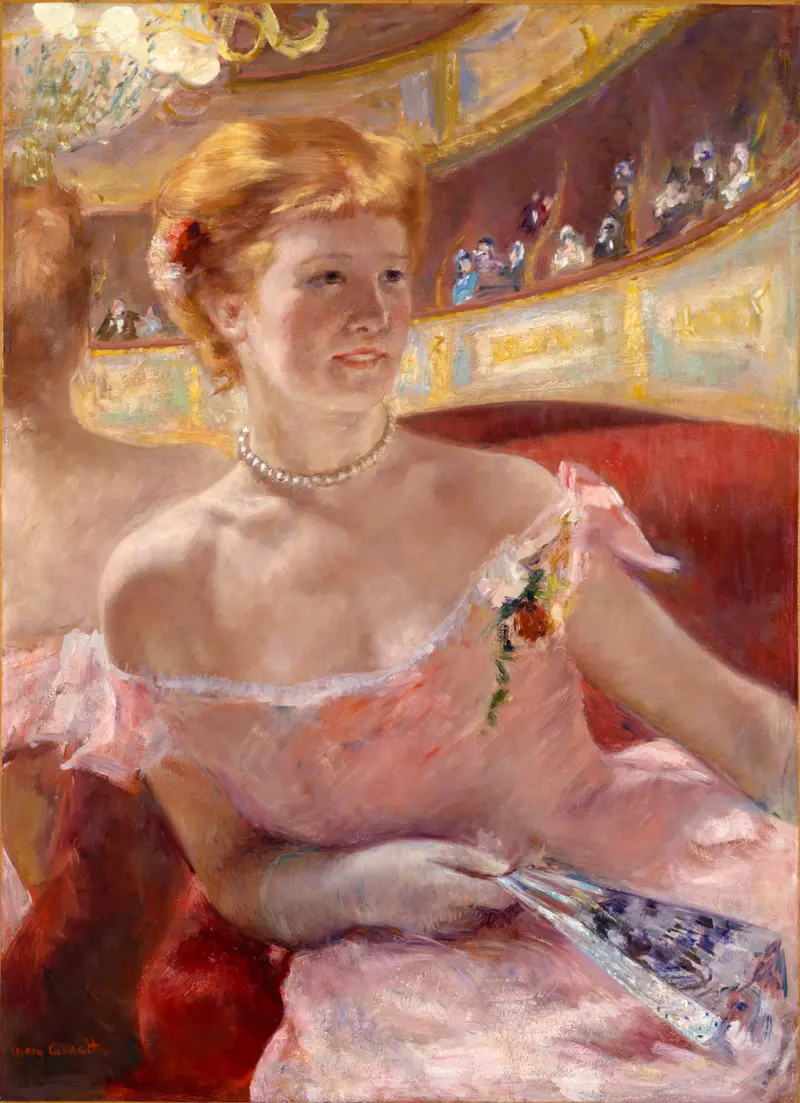
Woman with a Pearl Necklace in a Loge
Mary Cassatt
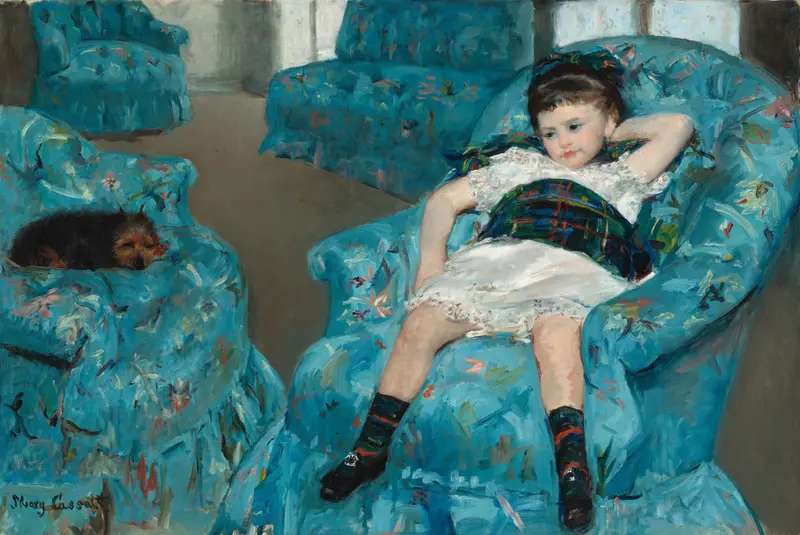
Little Girl in a Blue Armchair
Mary Cassatt
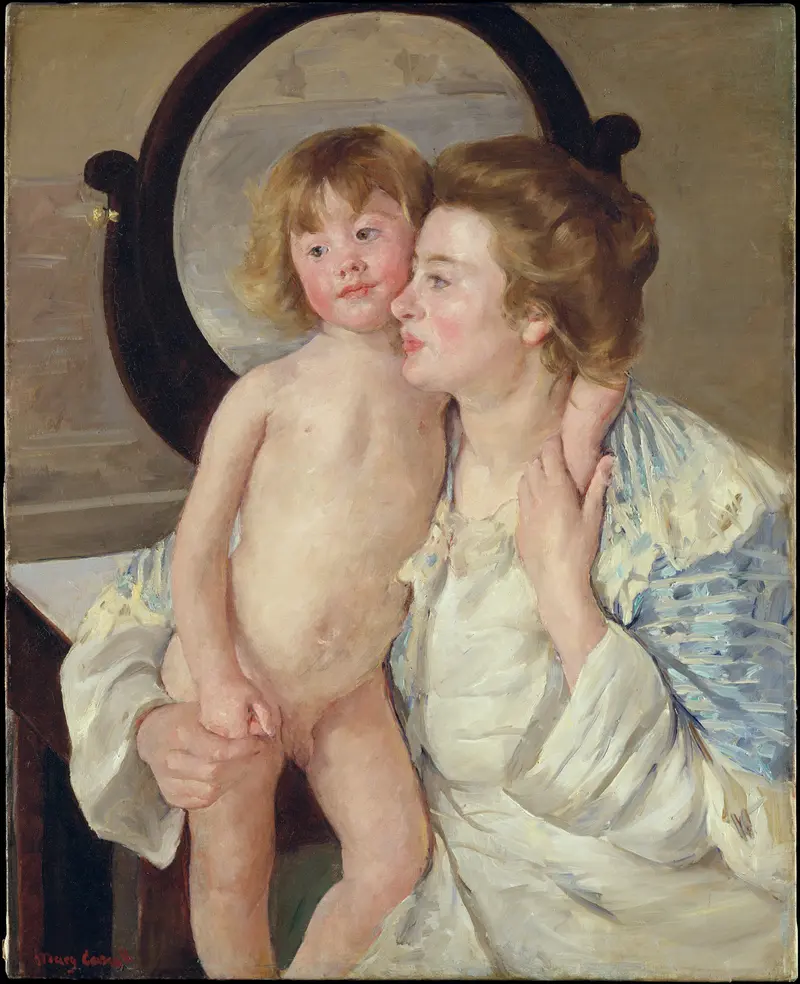
Mother and Child (The Oval Mirror)
Mary Cassatt
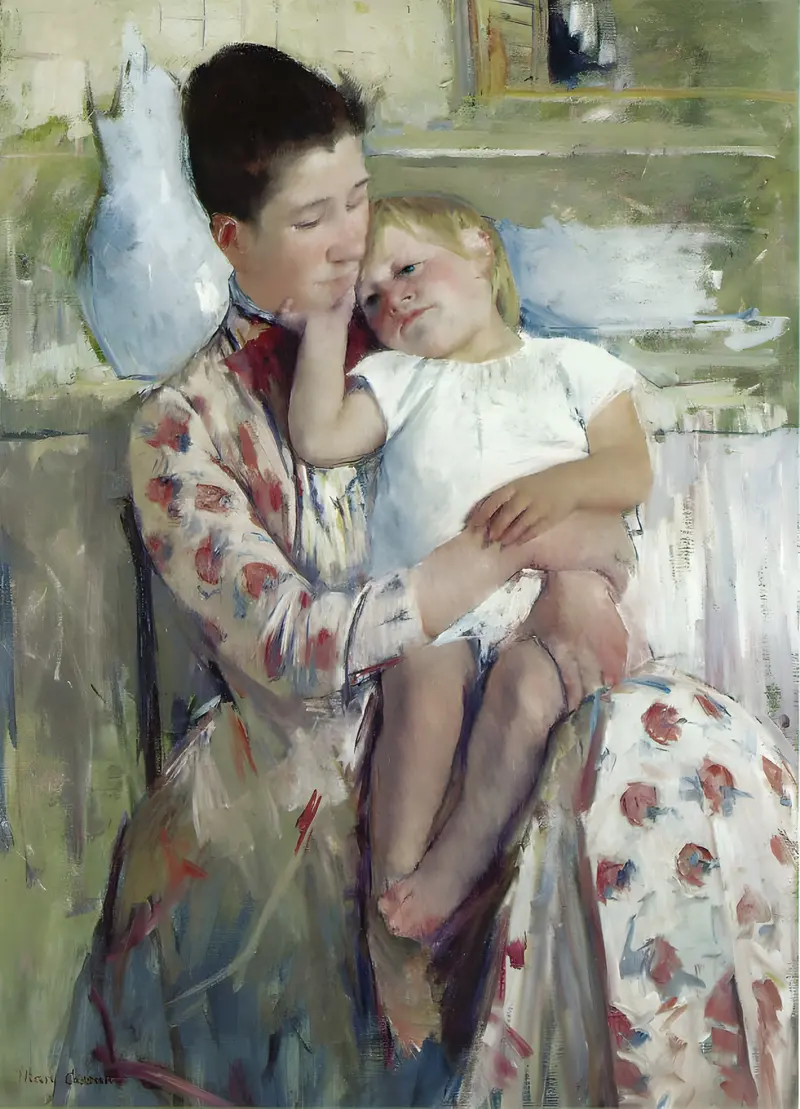
Mother and Child
Mary Cassatt
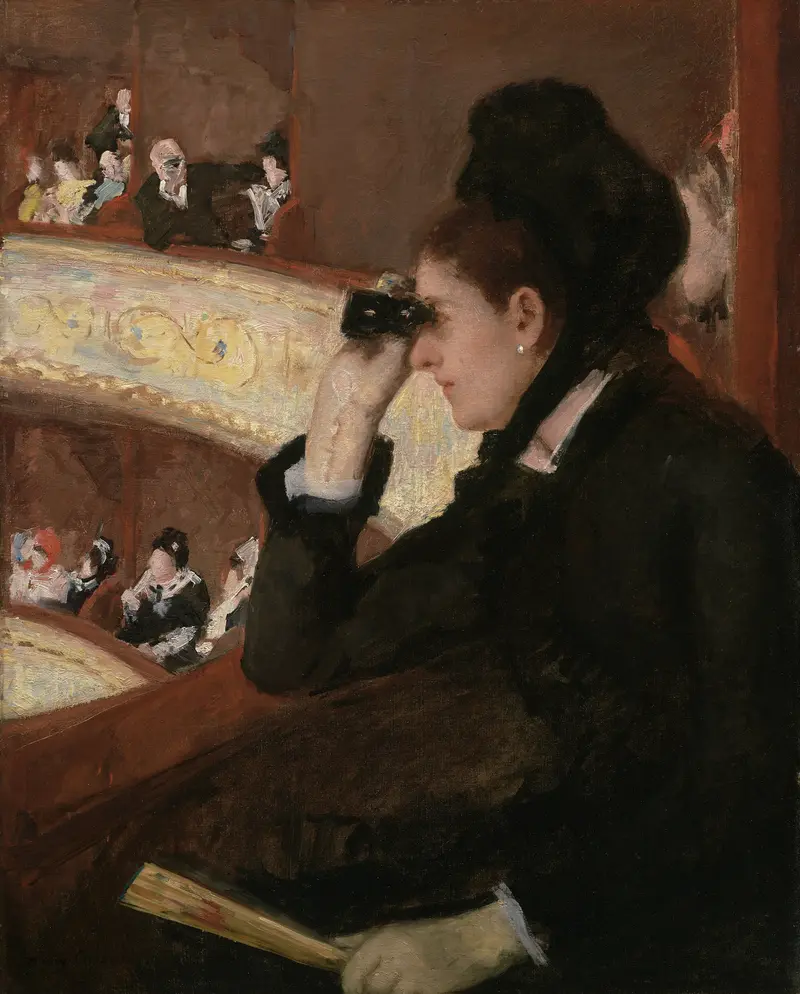
In The Loge
Mary Cassatt
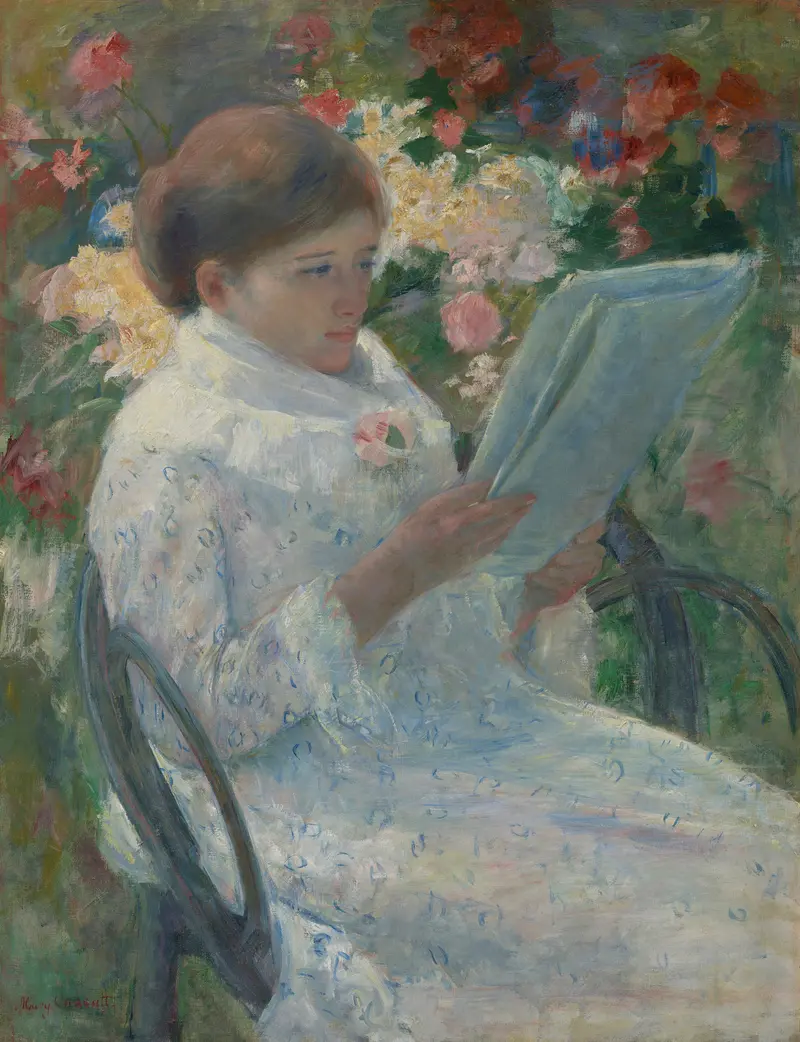
On a Balcony
Mary Cassatt
More Genre Scene Art

Banquet of the Officers of the St George Civic Guard
Frans Hals

Rembrandt and Saskia in the Scene of the Prodigal Son
Rembrandt van Rijn

Bal du moulin de la Galette
Pierre-Auguste Renoir

Quadrille at the Moulin Rouge
Henri de Toulouse-Lautrec

A Burial at Ornans
Gustave Courbet

When Will You Marry?
Paul Gauguin