
Jupiter and Antiope, after Correggio — History & Facts
Few subjects in art history have inspired as many reinterpretations as the myth of Jupiter and Antiope, but what makes Jupiter and Antiope, after Correggio by Théodore Géricault especially intriguing is its direct homage to an earlier Renaissance masterpiece. Géricault, a leading figure of the early nineteenth century, chose to engage with the sensuality and ambiguity of Correggio’s original composition, a work that itself was once considered too daring for public display. The act of copying or reimagining a revered predecessor was a rite of passage for many artists, yet Géricault’s decision to revisit this particular myth hints at his fascination with both classical themes and the expressive potential of the human body. The story unfolds at the moment when Jupiter, king of the gods, has transformed himself into a satyr to seduce the sleeping nymph Antiope.
In this scene, Antiope lies exposed and vulnerable, her body illuminated by a gentle, almost theatrical light, while Jupiter leans over her with predatory intent. The tension between innocence and intrusion is heightened by the contrast of soft flesh against the darker, muscular form of the satyr. Where Correggio bathed his figures in a silvery, dreamlike glow, Géricault often preferred a more robust, earthy palette, emphasizing physicality over idealization.
The drapery, the positioning of limbs, and the interplay of gazes all serve to draw the viewer into the moral ambiguity of the myth—a theme that fascinated Romantic artists. The precise origins and history of Jupiter and Antiope, after Correggio by Géricault remain unclear, as neither its date nor its initial patron are firmly documented. It is likely that Géricault created this work during his formative years, possibly as a study or homage while absorbing the lessons of the Italian masters. Like many copies and reinterpretations of the period, its journey through collections is difficult to trace, and it may have served as a private exercise rather than a public commission.
Today, the painting stands as a testament to Géricault’s engagement with tradition and his restless search for new ways to render the passions and dramas of myth. It occupies a fascinating intersection between reverence for the past and the bold experimentation that would define his later work.
More Artworks by Théodore Géricault
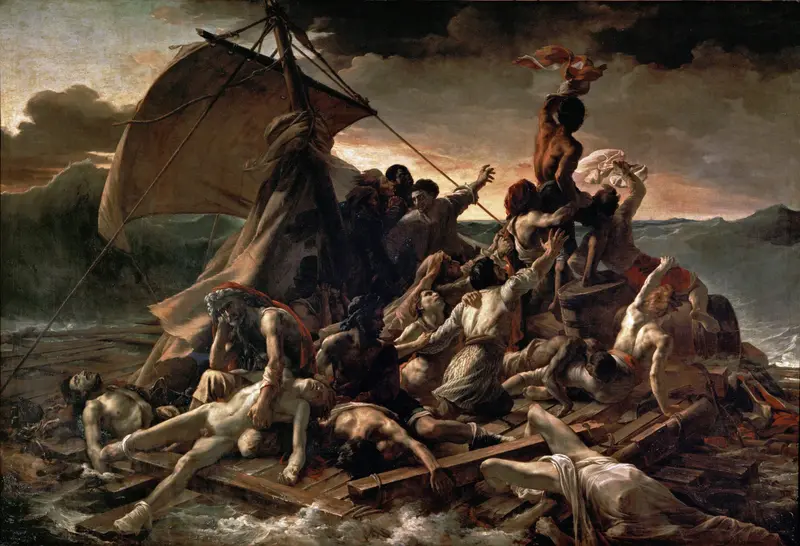
The Raft of the Medusa
Théodore Géricault

Géricault - Le naufrage du radeau de la Méduse, MBA 790
Théodore Géricault
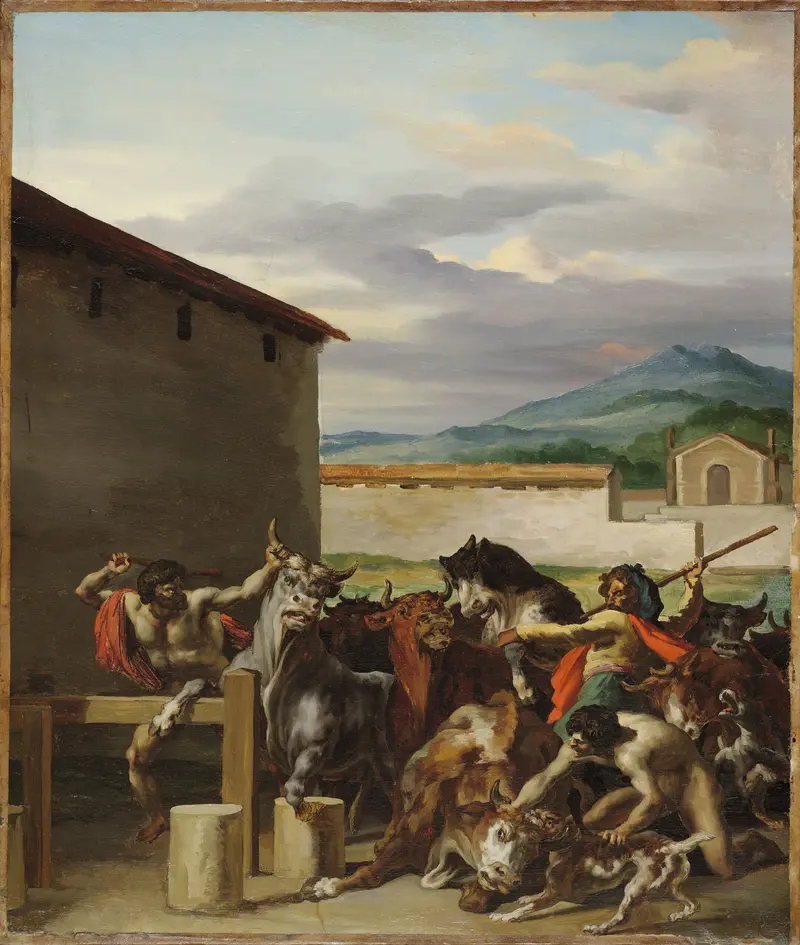
Cattle Market
Théodore Géricault
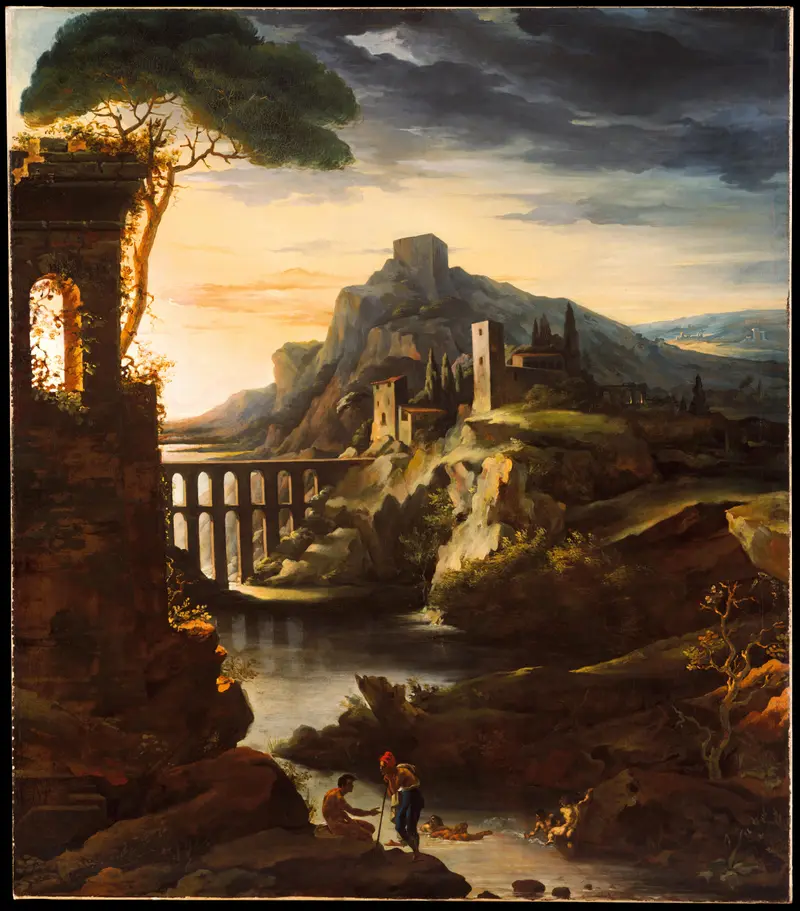
Evening; Landscape with an Aqueduct
Théodore Géricault
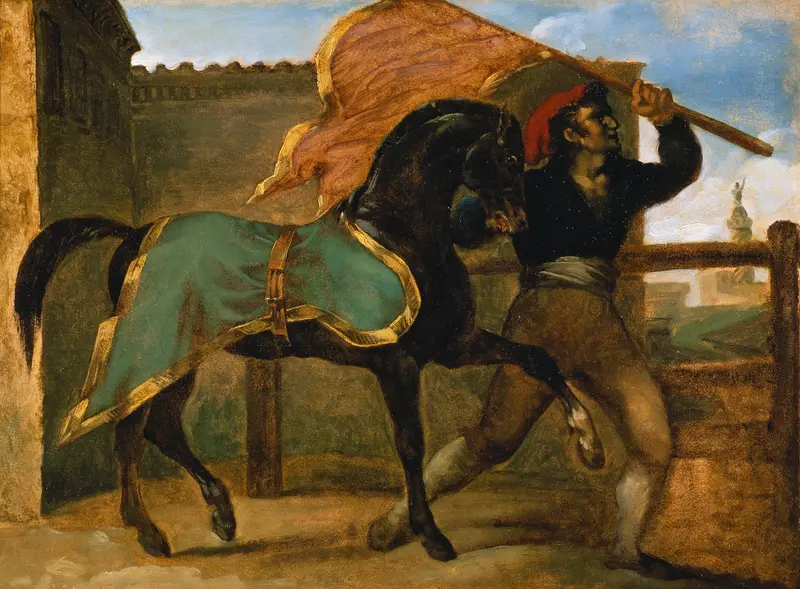
Horse Race
Théodore Géricault

Horses Standing in a Mews
Théodore Géricault
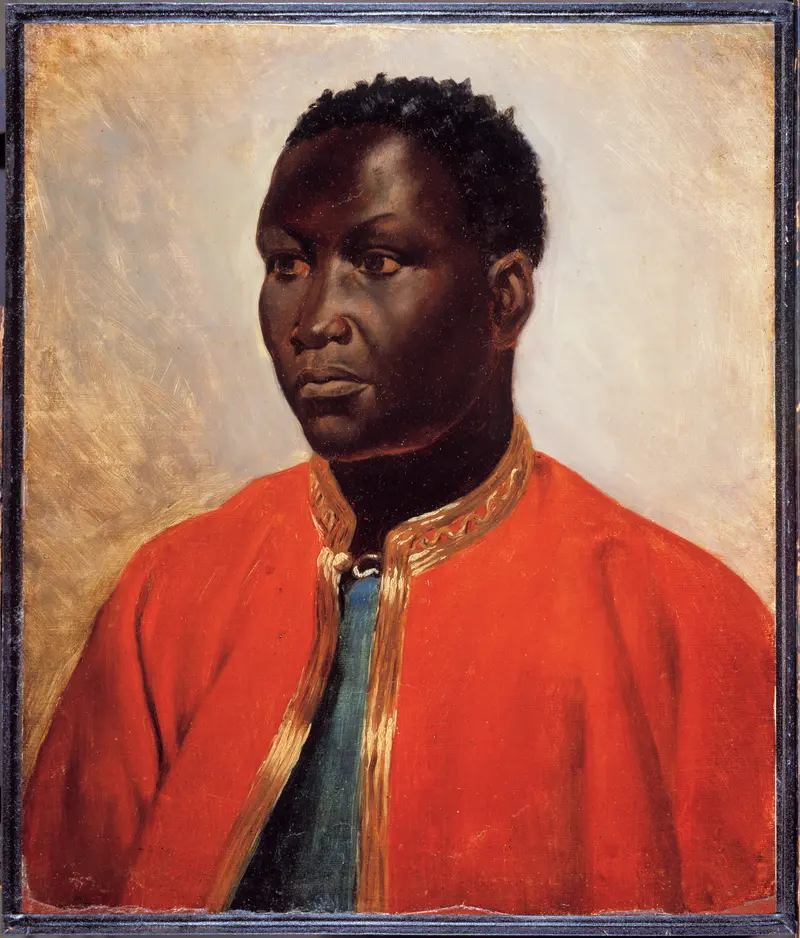
Portrait of a Negro
Théodore Géricault
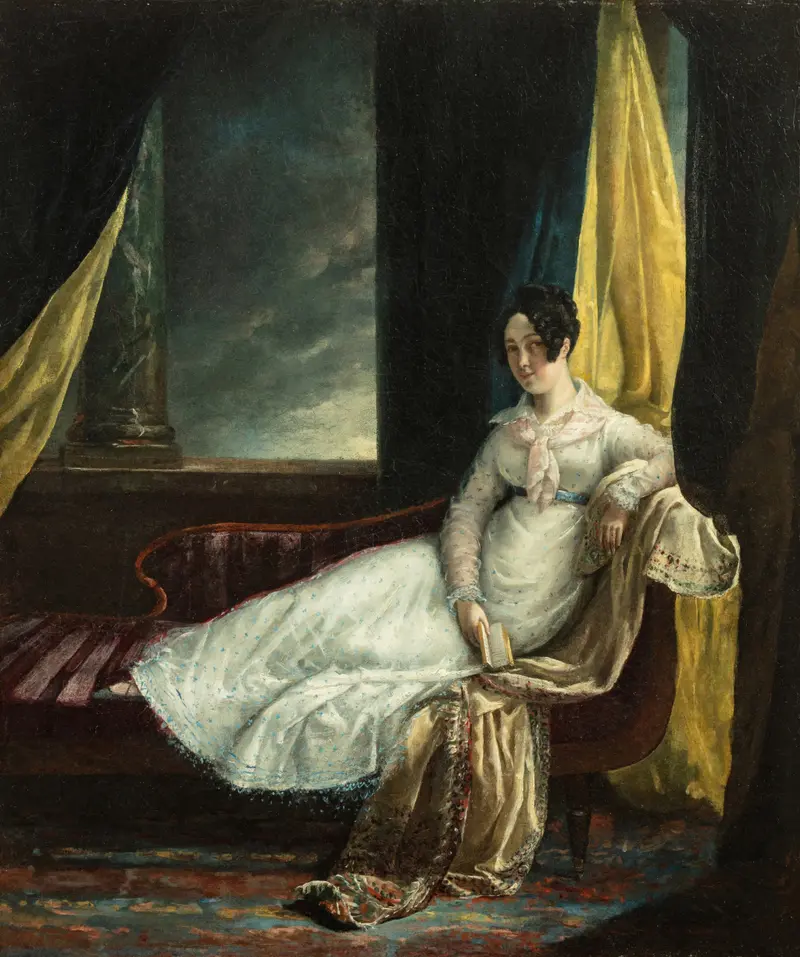
Portrait of Zoë Elmore
Théodore Géricault
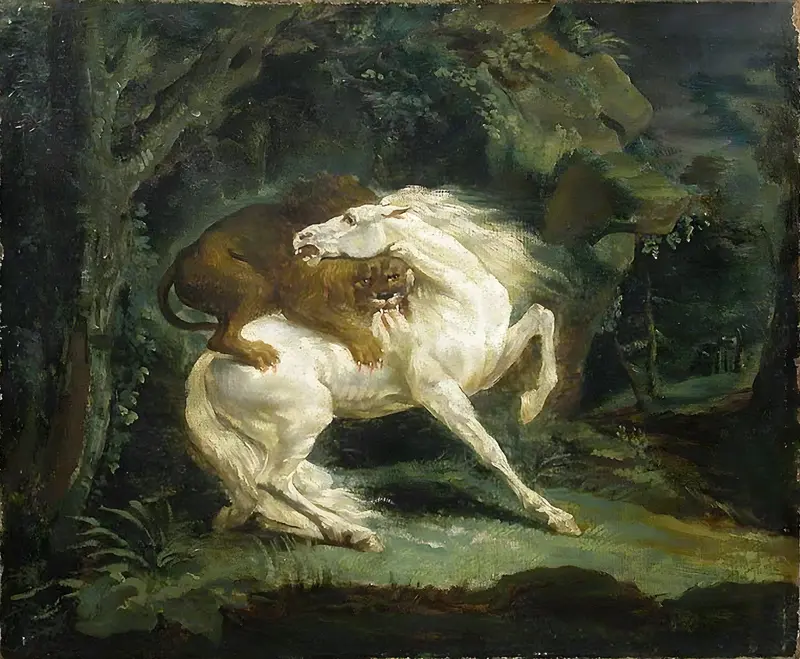
Cheval attaqué par un lion
Théodore Géricault
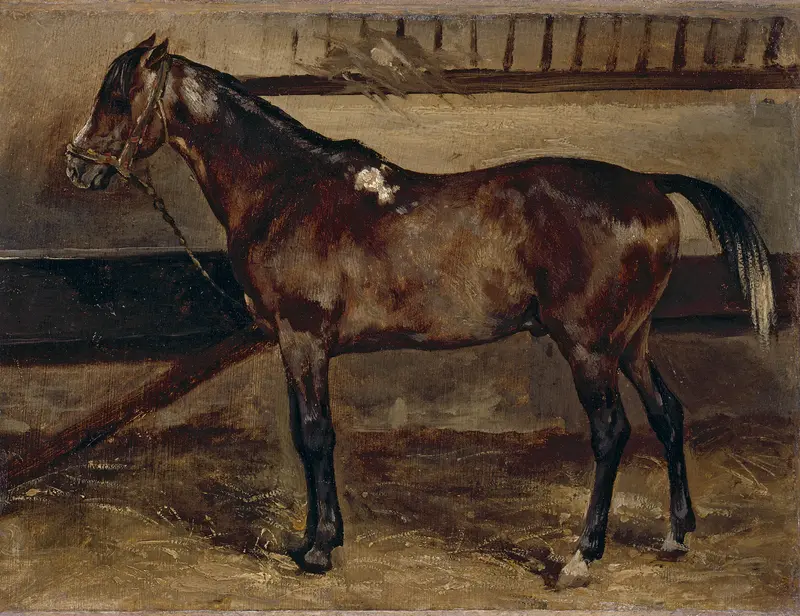
Cheval brun à l'écurie
Théodore Géricault





