
Justice embracing Peace — History & Facts
In 1635, Artemisia Gentileschi was commissioned by Philip IV of Spain to create a painting for the Hall of Peace in the Buen Retiro Palace—a rare honor for a female artist in the male-dominated world of Baroque Rome. This commission placed her alongside the most celebrated painters of her day, including Velázquez and Ribera. The subject, Justice embracing Peace, was chosen to celebrate the Treaty of the Pyrenees, which ended decades of war between France and Spain.
Gentileschi’s work became a political symbol, visually reinforcing the king’s message of restored harmony and lawful order. In the painting, the allegorical figures of Justice and Peace are caught in an intimate, decisive moment: Justice, draped in gold and holding her scales and sword, leans toward Peace, who is crowned with olive branches and offers an open gesture of welcome. Their embrace is not just physical but symbolic—Justice’s firmness softening in the presence of Peace’s gentleness. The light falls warmly on their interlocked forms, highlighting the union of two ideals.
Unlike Rubens’s more theatrical Peace and War, Gentileschi’s version is restrained, focusing on the dignity and agency of the female figures. Every gesture and attribute is carefully chosen to communicate the hope for a new era of stability. The exact medium of Justice embracing Peace remains uncertain, as does its fate after the dispersal of the Buen Retiro collection. While some records suggest it may have been lost or destroyed, others believe it survives under a different attribution.
The painting’s commission marked a high point in Artemisia Gentileschi’s career, confirming her reputation across Europe. Today, scholars continue to search for the original, piecing together clues from inventories and descriptions. Its story endures as a testament to Gentileschi’s prominence and the enduring power of art to serve both political and moral ideals.
More Artworks by Artemisia Gentileschi

Judith Beheading Holofernes
Artemisia Gentileschi
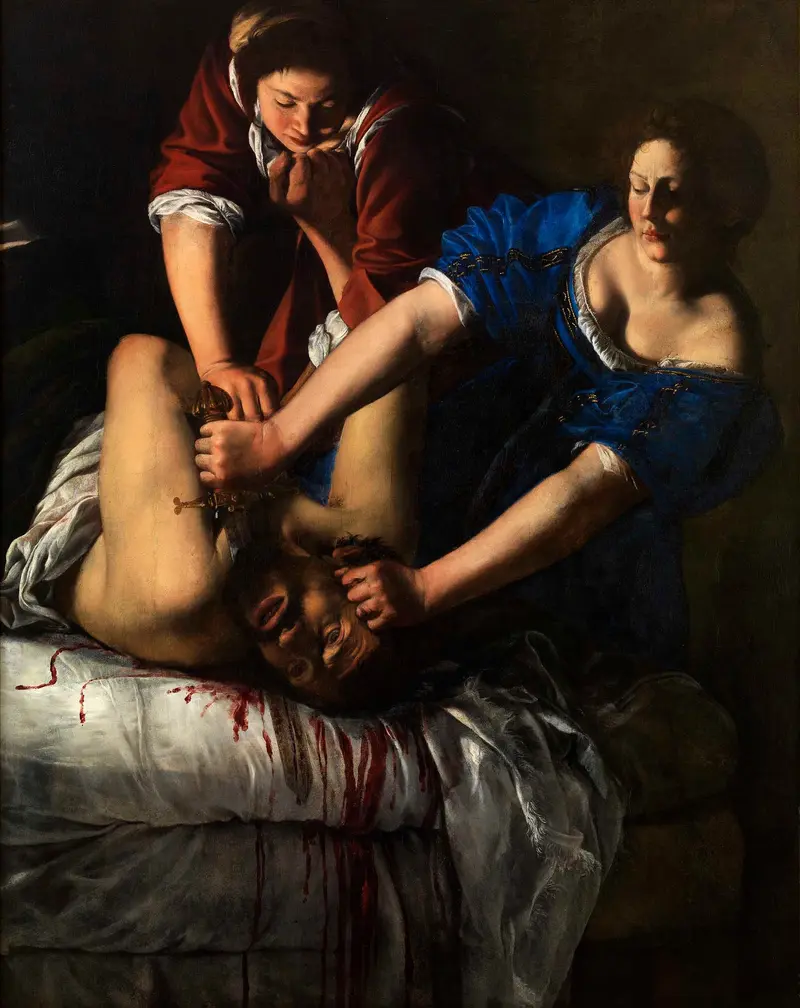
Judith Slaying Holofernes
Artemisia Gentileschi
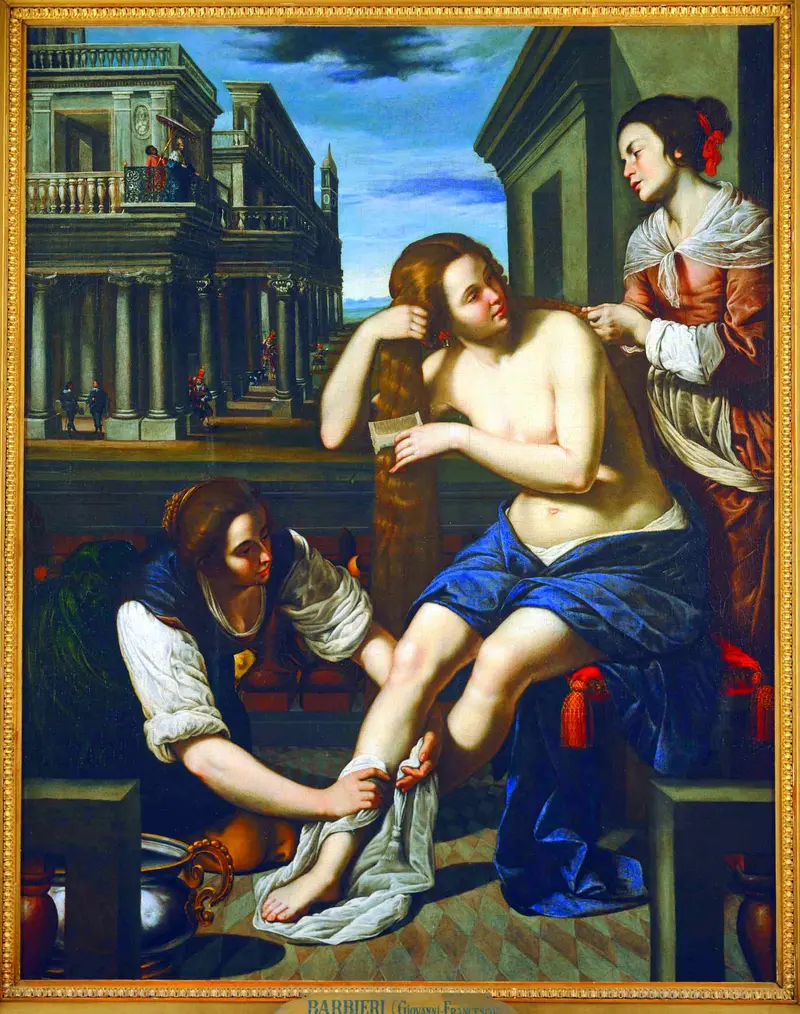
Bathsheba at Her Bath
Artemisia Gentileschi
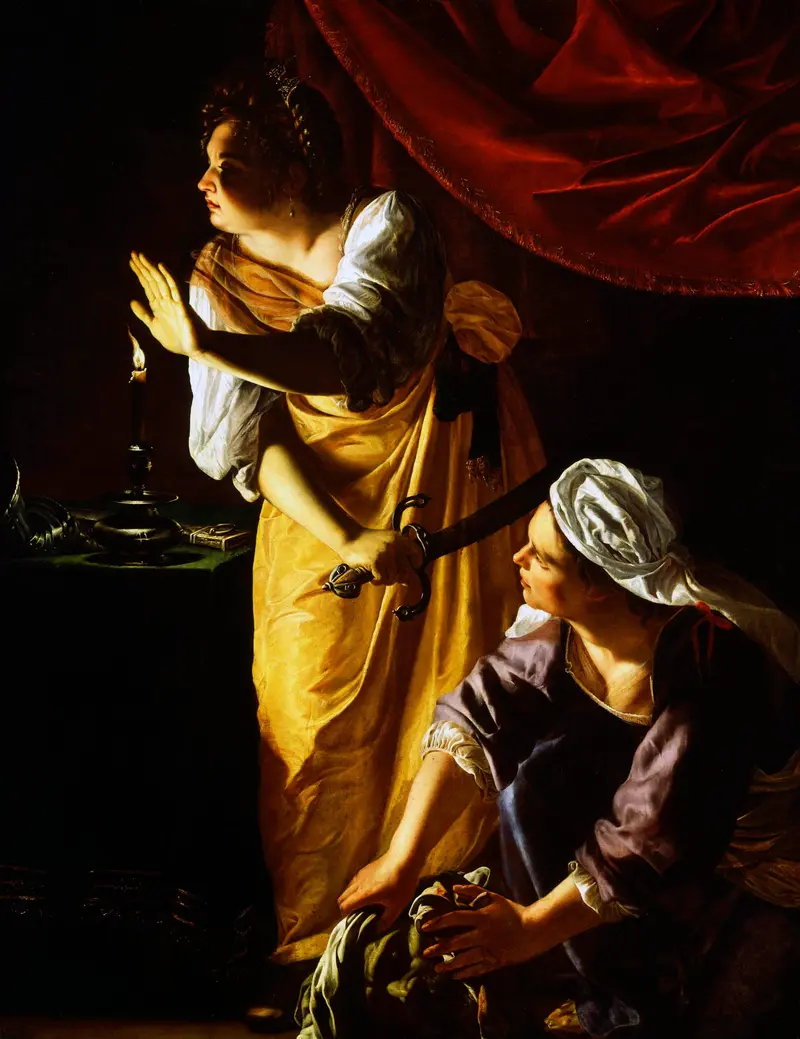
Judith and Maidservant with Head of Holofernes
Artemisia Gentileschi
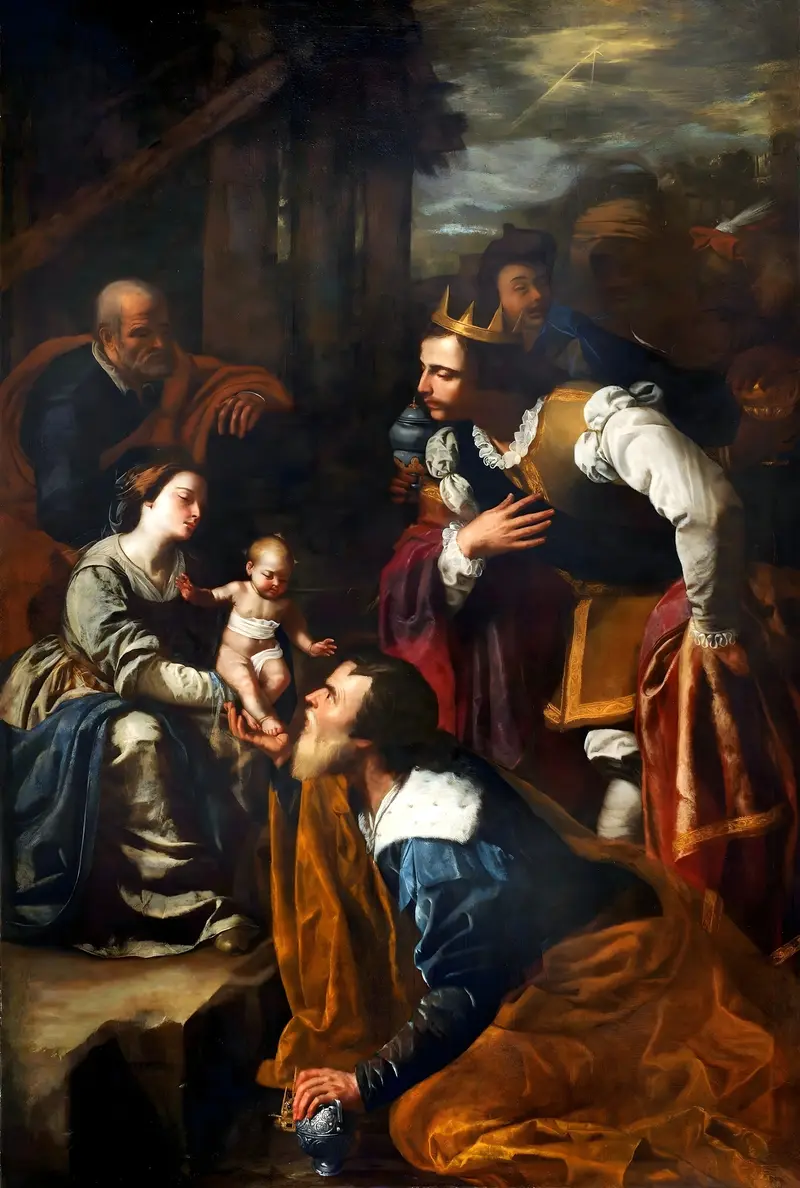
Adoration of the Magi
Artemisia Gentileschi
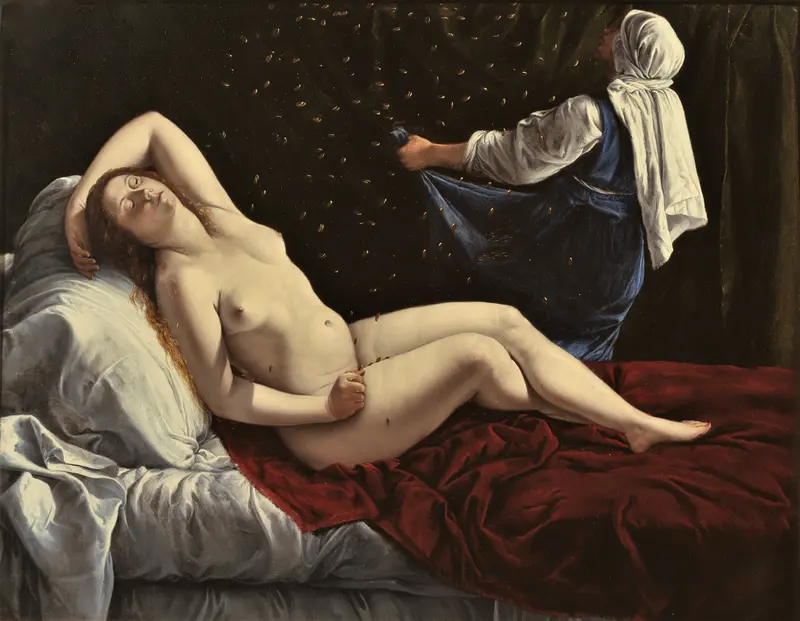
Danaë
Artemisia Gentileschi
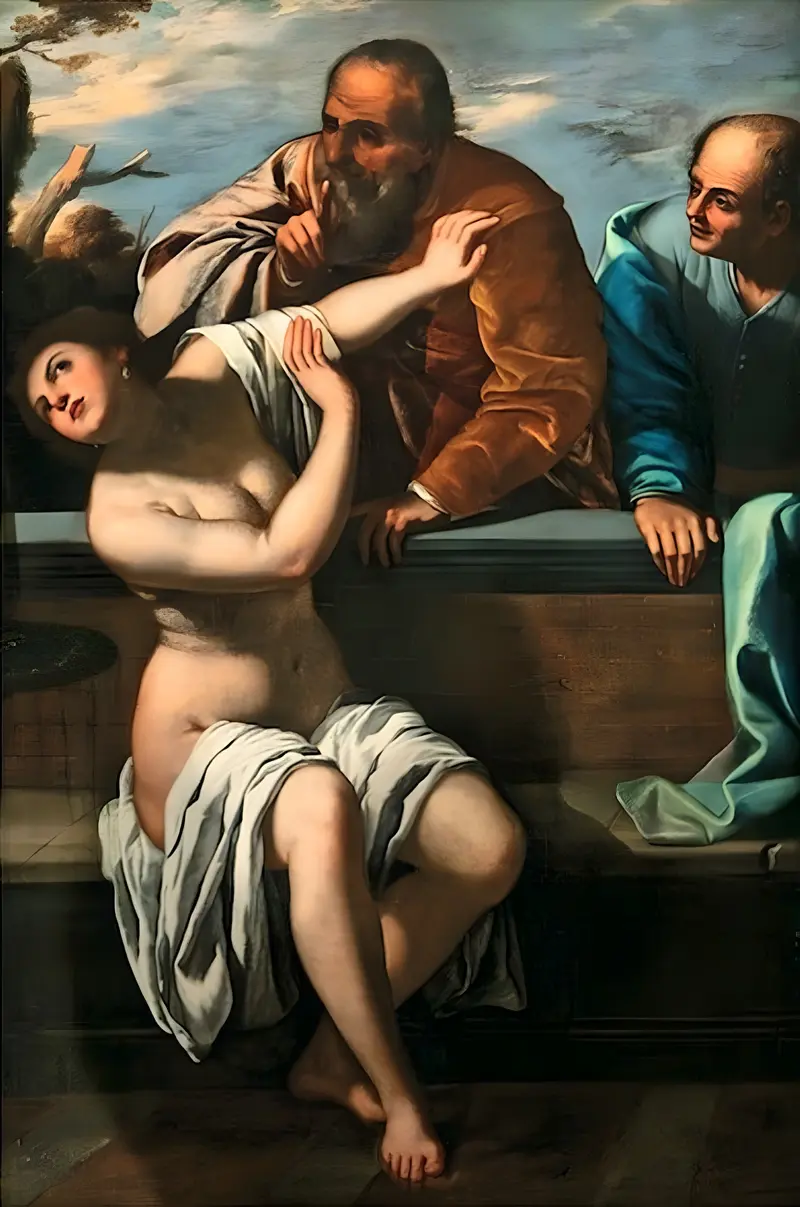
Susannah and the Elders
Artemisia Gentileschi

Judith and her Servant with the Head of Holofernes
Artemisia Gentileschi
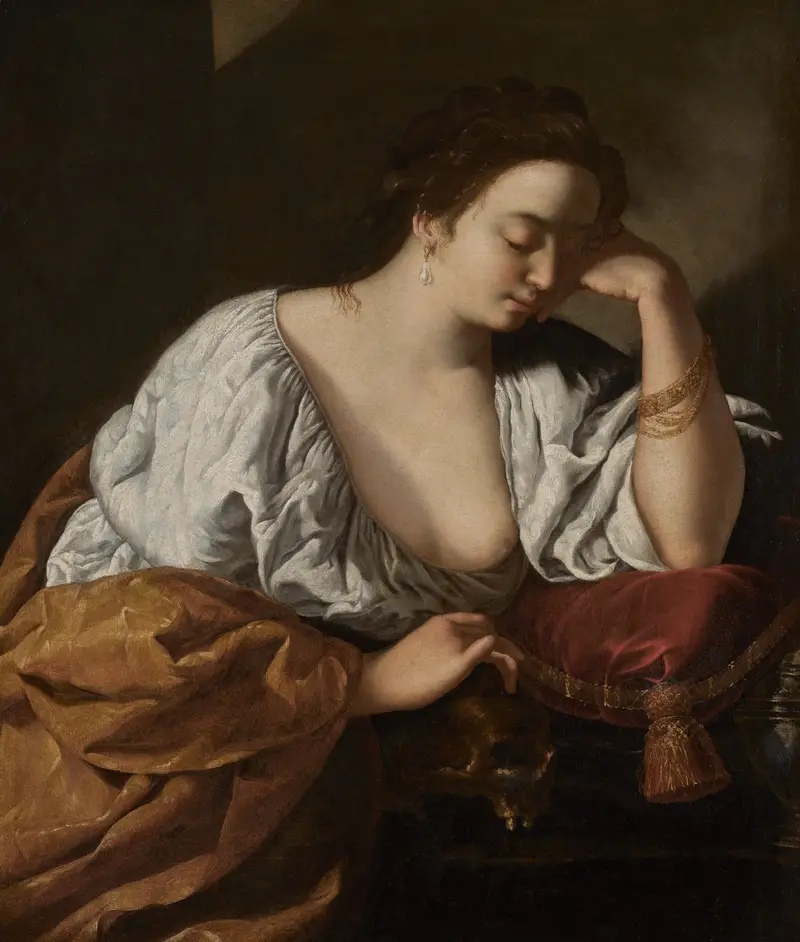
Madeleine pénitente, par
Artemisia Gentileschi
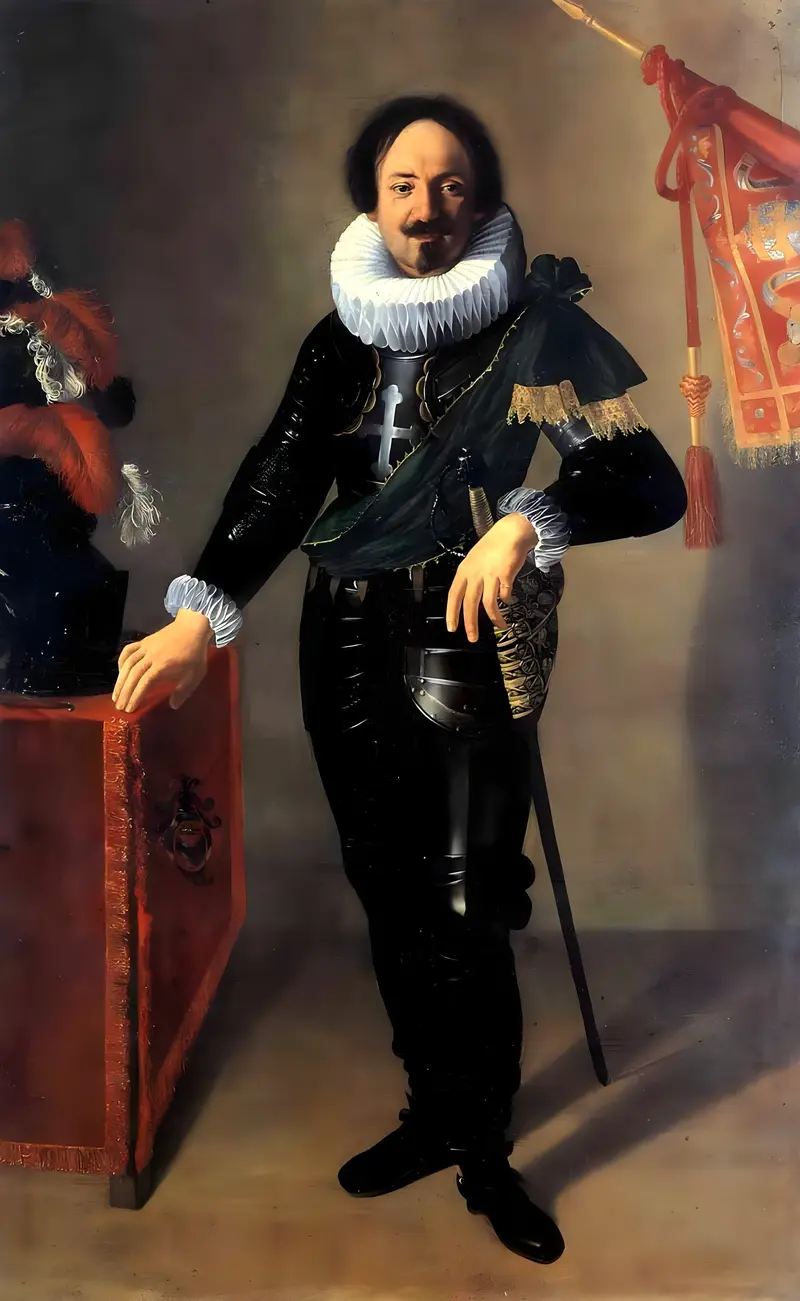
Portrait of a Gonfaloniere
Artemisia Gentileschi





