
Kekki the Farm-Hand — History & Facts
A single figure sprawled in the grass, half-shrouded in shadow and thick, urgent brushwork, draws the viewer into the world of Kekki the Farm-Hand. The face, flushed and heavy-lidded, suggests either exhaustion or a fleeting moment of rest, while the pale clothing almost dissolves into the earth and foliage around him. There is nothing heroic or staged here—just the blunt honesty of a body at ease, the roughness of the strokes echoing the roughness of the life.
The eye is pulled first to the warm, ruddy face, then led outward by the slashes of green and ochre, hinting at the field’s embrace and the closeness of the land to the man who works it. The palette is earthy, the mood intimate, as if the viewer has stumbled upon a private interval in the day’s labor. Painted in 1885, this work belongs to a moment in Nordic art when painters like Akseli Gallen-Kallela turned their gaze to the rural poor, capturing not just their likeness but their lived reality. In Finland, as across Europe, the late nineteenth century saw a surge of interest in national identity and the dignity of ordinary people, often rendered in quick studies and plein air sketches rather than grand studio canvases.
Little is recorded about the specific journey of this painting, now in the Finnish National Gallery, but its rough immediacy speaks to the era’s hunger for authenticity and the artist’s own search for truth in the everyday. The brushwork itself invites you to look closer, to feel the weight of the day and the coolness of the grass beneath a tired farmhand’s body.
More Artworks by Akseli Gallen-Kallela
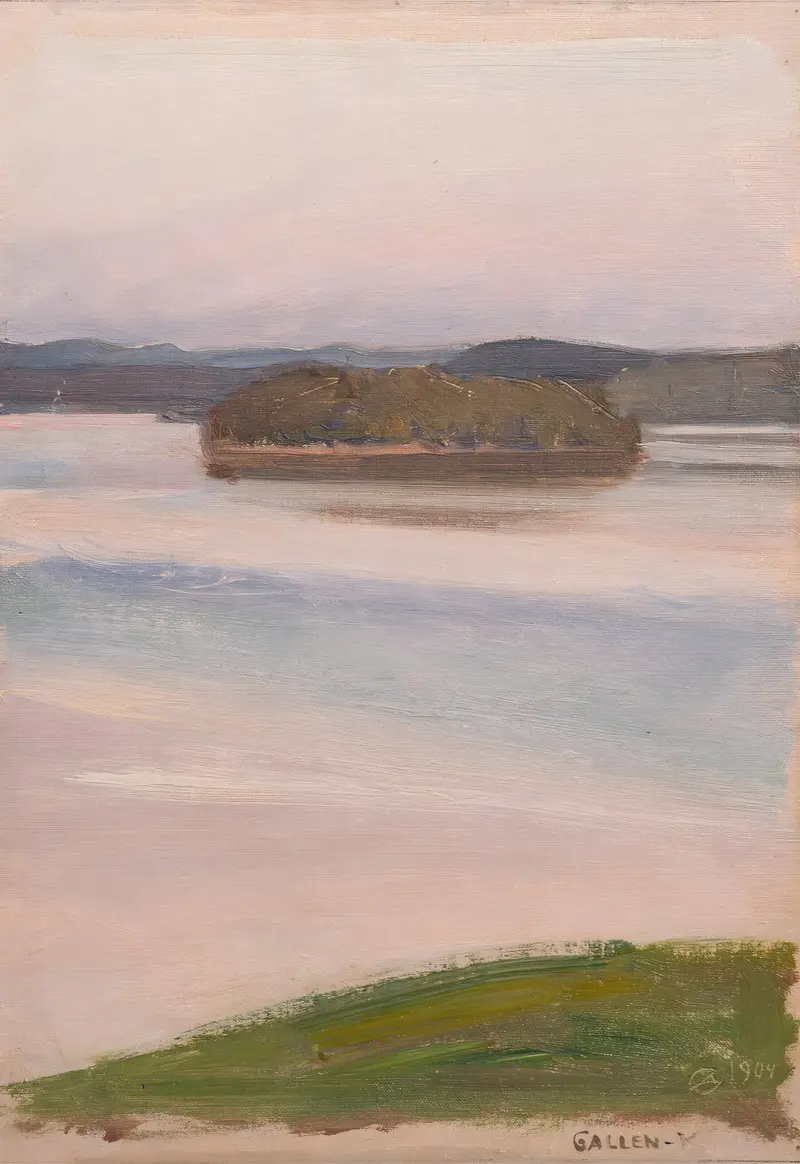
Lake Keitele
Akseli Gallen-Kallela
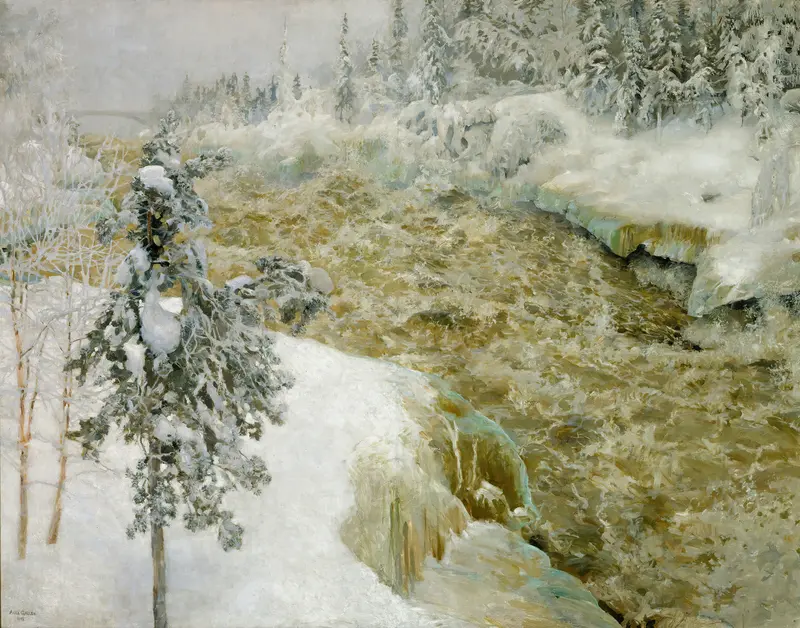
Imatra Falls in Snow ; Imatra in Winter
Akseli Gallen-Kallela
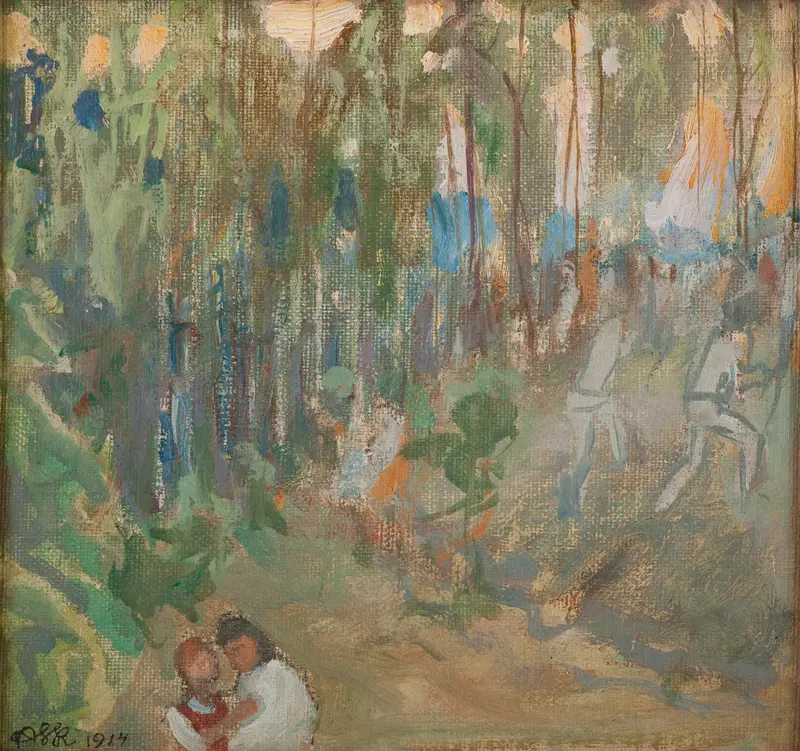
Vainovalkeat
Akseli Gallen-Kallela
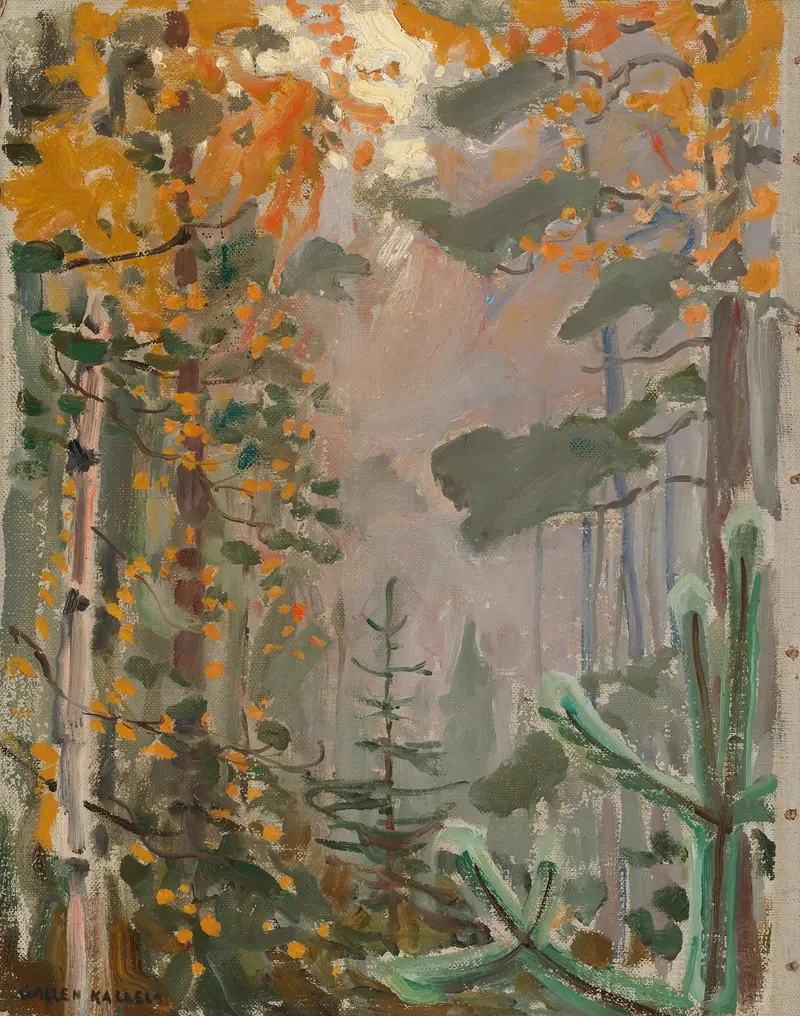
Autumn Landscape
Akseli Gallen-Kallela
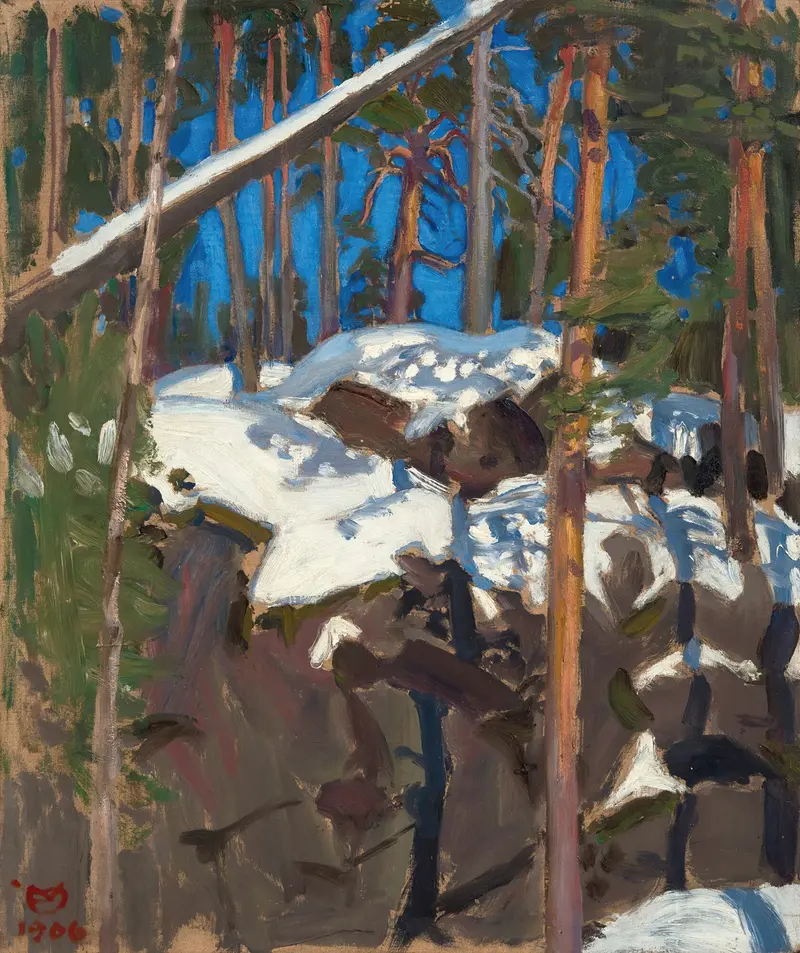
Spring Sun At Konginkangas
Akseli Gallen-Kallela
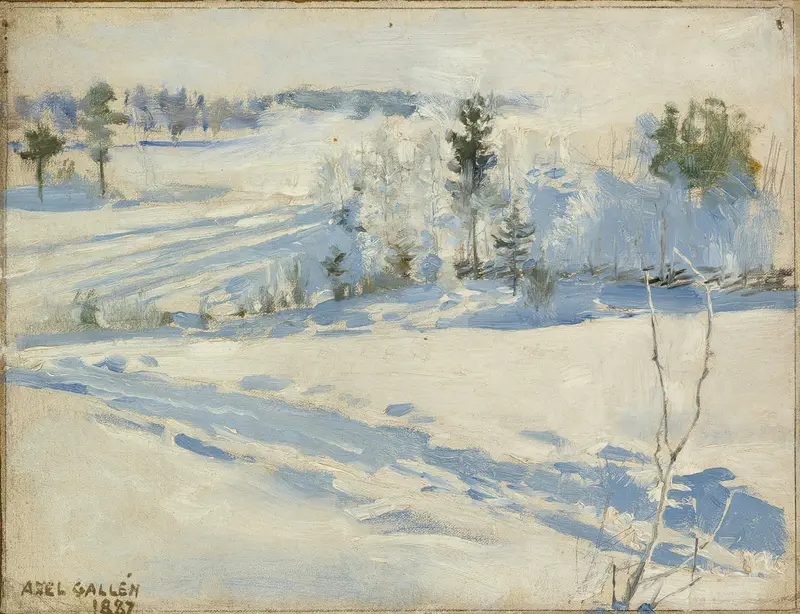
Winter Landscape
Akseli Gallen-Kallela

First Snow
Akseli Gallen-Kallela
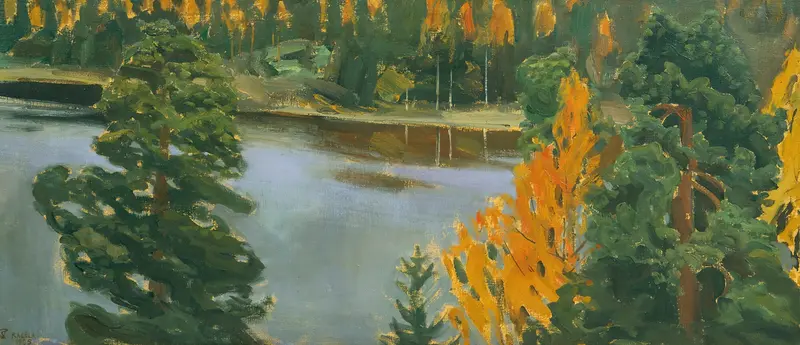
Lake View In Autumn
Akseli Gallen-Kallela
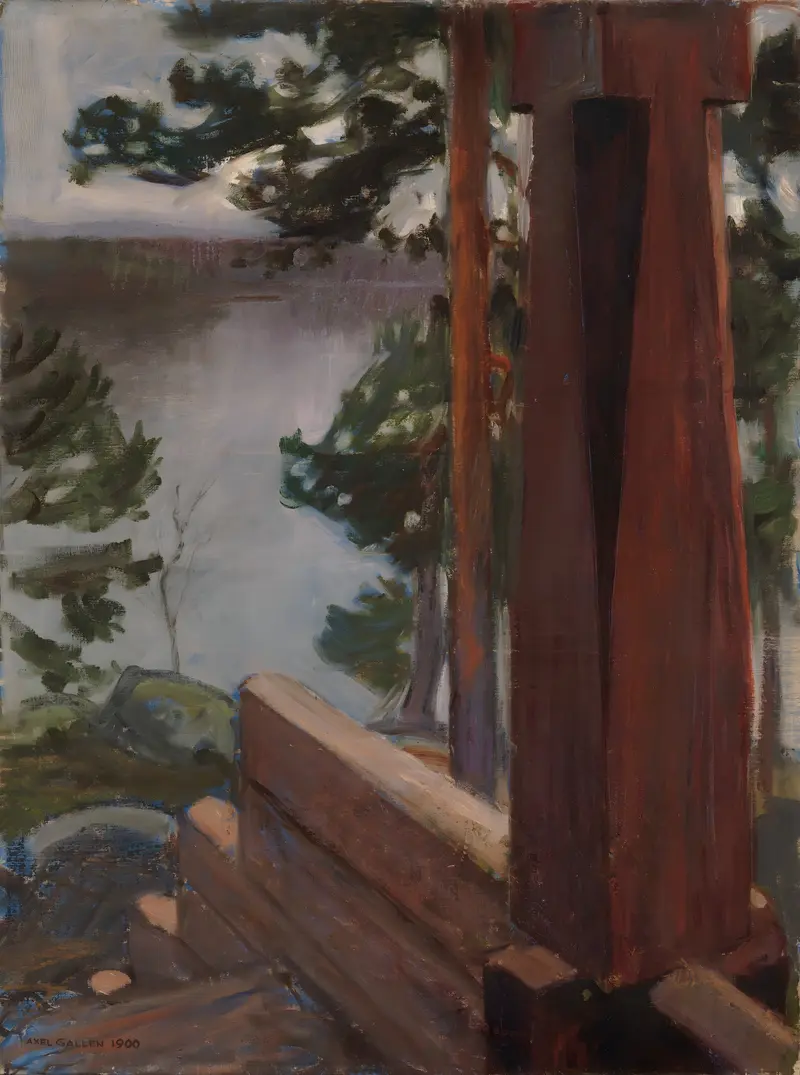
The Kalela Porch
Akseli Gallen-Kallela

Light Behind The Clouds
Akseli Gallen-Kallela
More Genre Scene Art

Banquet of the Officers of the St George Civic Guard
Frans Hals

Rembrandt and Saskia in the Scene of the Prodigal Son
Rembrandt van Rijn

Bal du moulin de la Galette
Pierre-Auguste Renoir

Quadrille at the Moulin Rouge
Henri de Toulouse-Lautrec

A Burial at Ornans
Gustave Courbet

When Will You Marry?
Paul Gauguin