
"L'Amour conjugal". A Young Woman with two Doves. An Allegory of Conjugal Love — History & Facts
What draws the eye first in L'Amour conjugal is the hush: a young woman, wrapped in pale drapery, cradles two doves as if sharing a secret with them alone. Her gaze is lowered, her lips nearly brushing the soft feathers, and the gentle arc of her arms turns the birds into a living emblem of tenderness. The light, falling from the left, carves her profile in warm relief against a shadowed background, while the creamy folds of her garment catch the glow and lead us to the quiet drama at her hands.
There is no narrative action—only the stillness of affection, the suggestion that love, here, is less a passion than a vow of care. The oval format frames her in intimacy, as if we have stumbled upon a private ritual. Painted in 1741 by Jean-François de Troy, this image belongs to a world where allegory and sentiment were prized in the arts of the French Rococo. Such paintings, often destined for private interiors or as gifts marking marriages, used classical symbols—like doves, the birds of Venus—to embody ideals of fidelity and conjugal harmony.
The period delighted in these gentle lessons, wrapping moral virtues in the language of beauty and everyday gesture. Today, this work resides in the collection of the Statens Museum for Kunst, its origins and early journey largely unrecorded, but its message still clear: in an age of wit and ornament, the quiet constancy of love was a theme worth painting, and worth contemplating still.
More Artworks by Jean-François de Troy
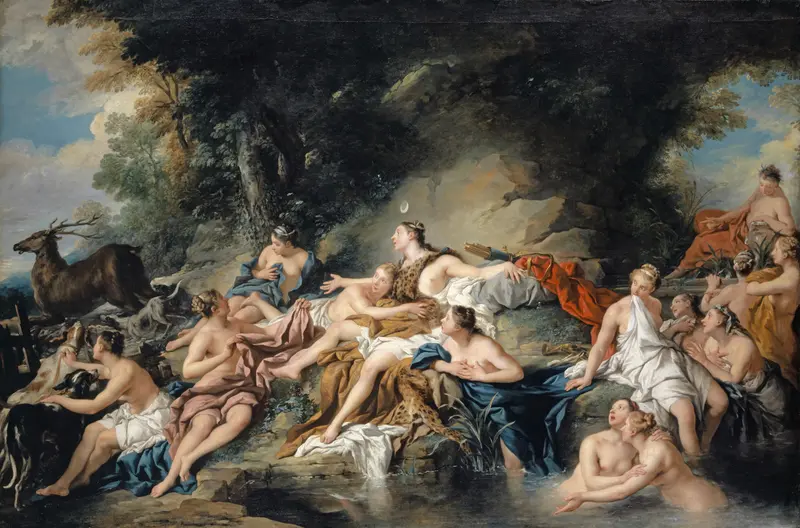
Diana and Actaeon
Jean-François de Troy
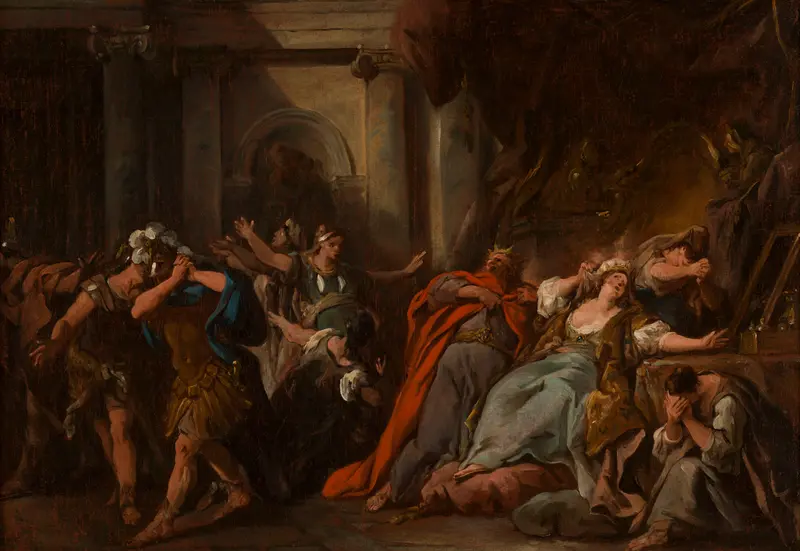
Créüse consumée par la robe empoisonnée
Jean-François de Troy
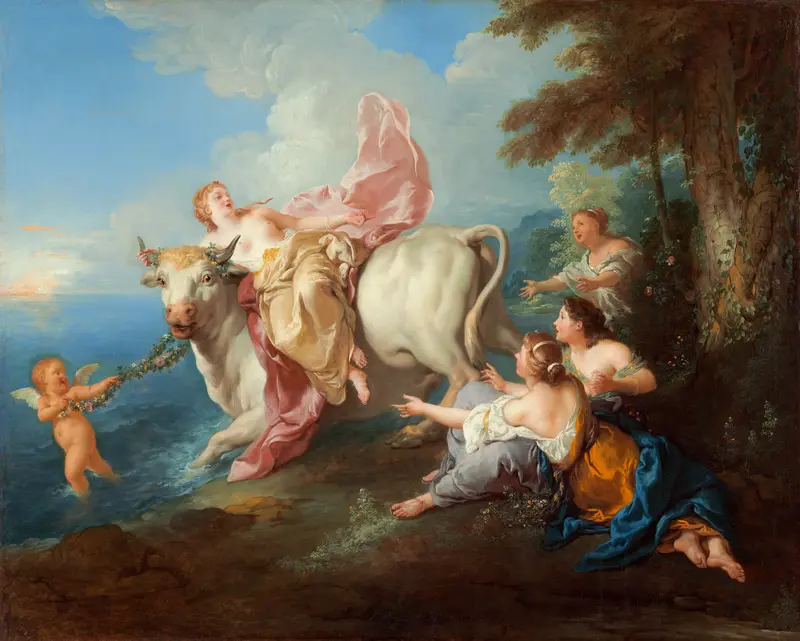
The Abduction of Europa
Jean-François de Troy
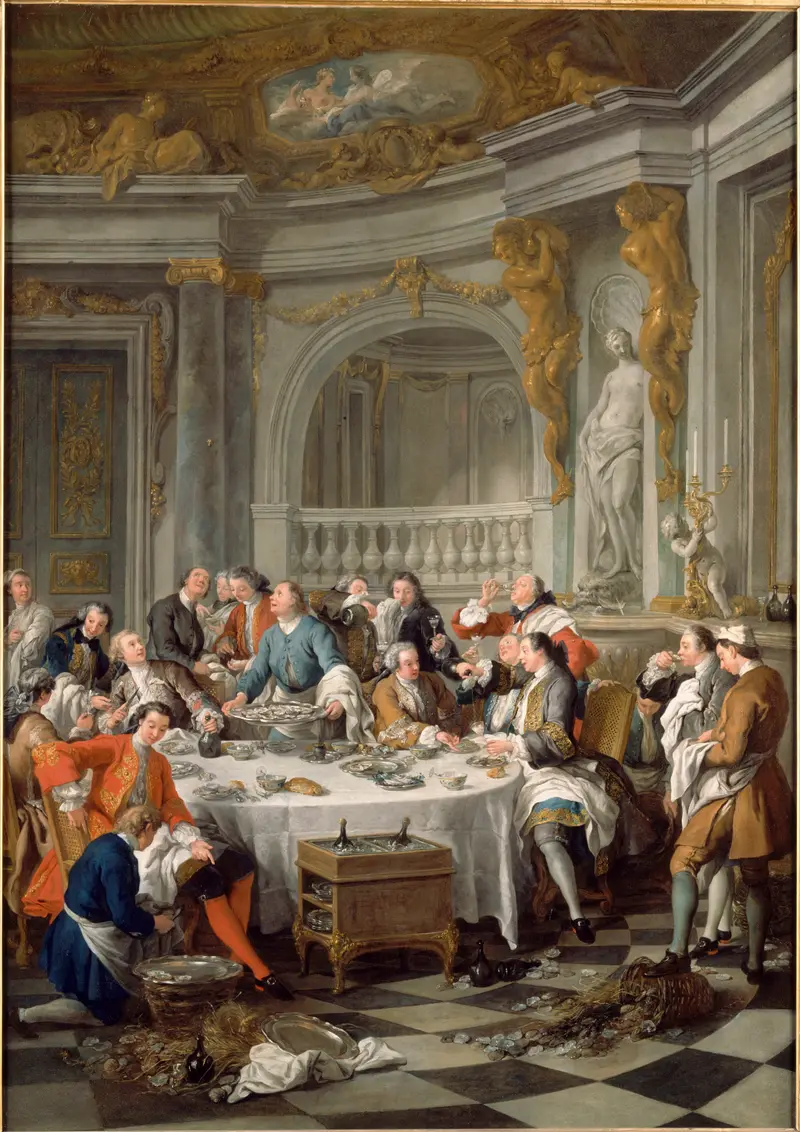
The Lunch of Oysters
Jean-François de Troy
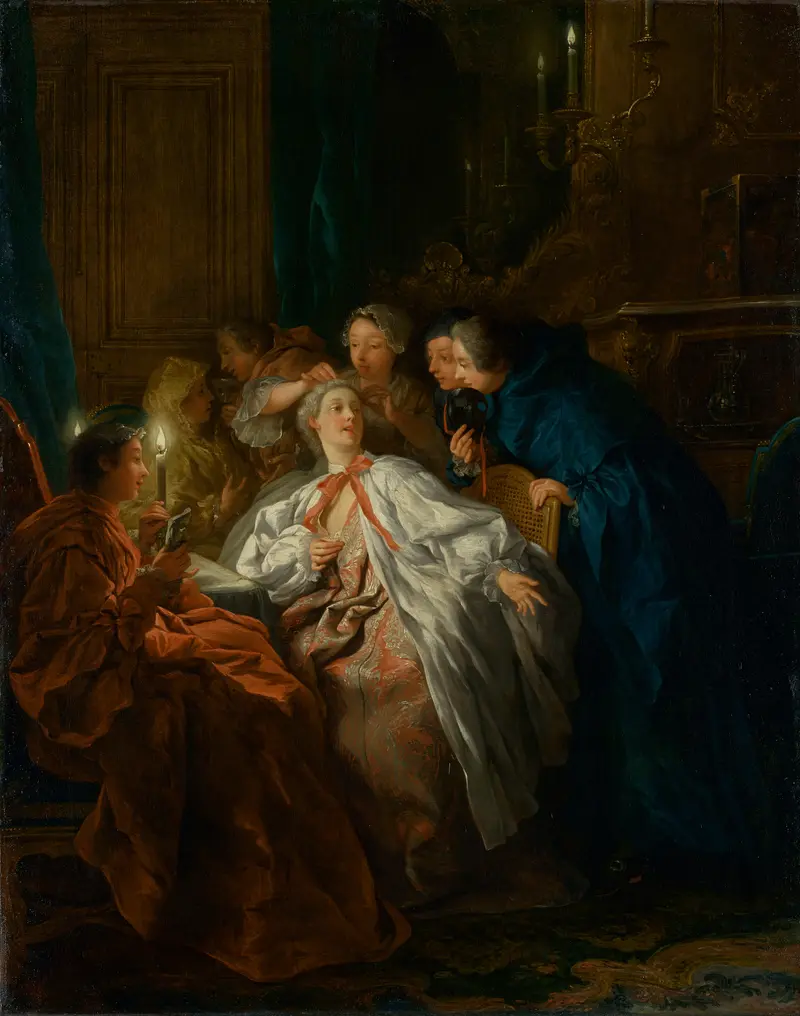
Before the Ball
Jean-François de Troy
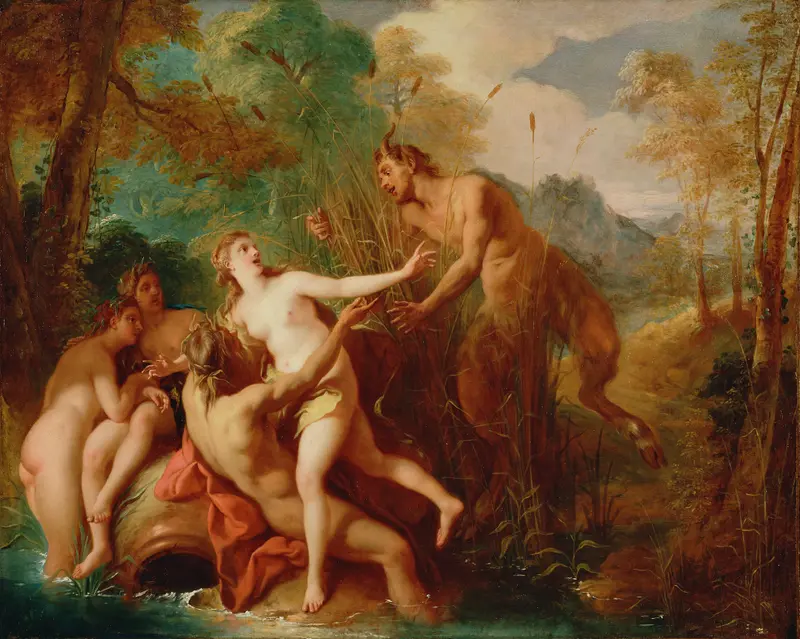
Pan and Syrinx
Jean-François de Troy

Le Combat des soldats nés des dents du serpent
Jean-François de Troy
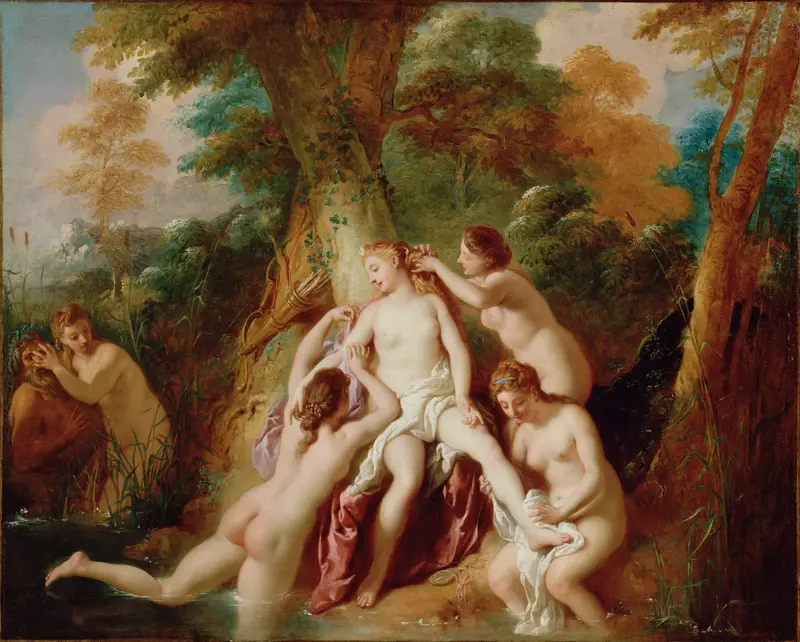
Diana and Her Nymphs Bathing
Jean-François de Troy
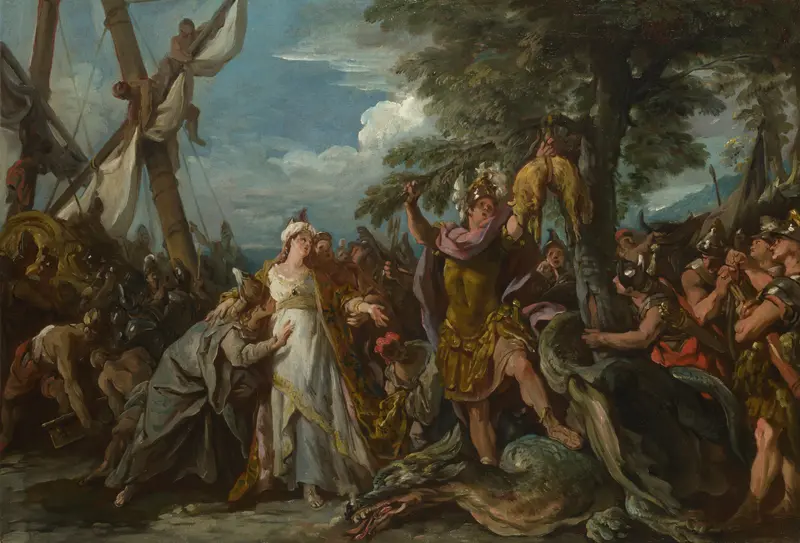
The Capture of the Golden Fleece
Jean-François de Troy
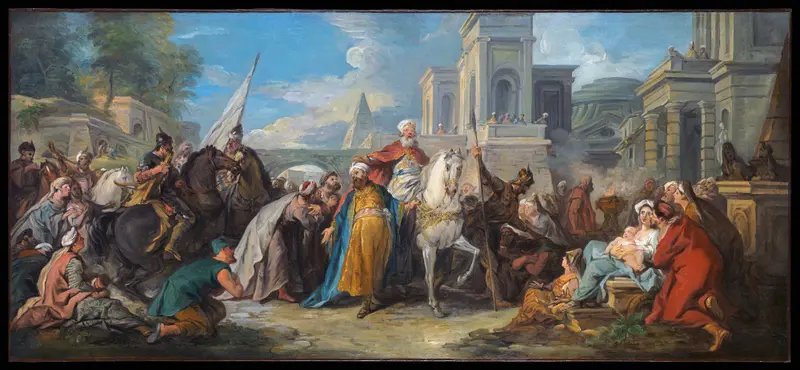
The Triumph of Mordecai
Jean-François de Troy





