
La Belle Dame sans Merci, 1893 — History & Facts
A knight in full armor, bent low in a forest clearing, finds himself entangled—literally and figuratively—by a woman whose gaze is both tender and unyielding. The most striking thing here is the tactile drama: the lady’s flowing hair, golden and alive, wraps around the knight’s neck like a silken snare, blurring the line between caress and capture. Waterhouse guides the eye to this moment of suspended tension, where the knight’s armored bulk is rendered helpless by the gentlest of bonds.
The forest behind them, dense and shadowed, presses close, heightening the sense of secrecy and enchantment. The palette, rich in earthy reds, greens, and the luminous pallor of skin, conjures a world where love and danger are never far apart. Painted in 1893, this work belongs to the late flowering of the Pre-Raphaelite tradition, a movement that reveled in medieval romance, poetic allusion, and the meticulous observation of nature. Artists like John William Waterhouse were drawn to stories that hovered between dream and reality, often inspired by ballads and legends popular in Victorian England.
Such paintings were sought after by collectors who prized their narrative richness and decorative beauty, often intended for private contemplation rather than public display. History has kept few traces of this particular canvas beyond its date and its presence in the Art Renewal Center collection, but its spell is immediate—inviting viewers to lose themselves in a moment where myth, longing, and the wildness of the woods all meet.
More Artworks by John William Waterhouse
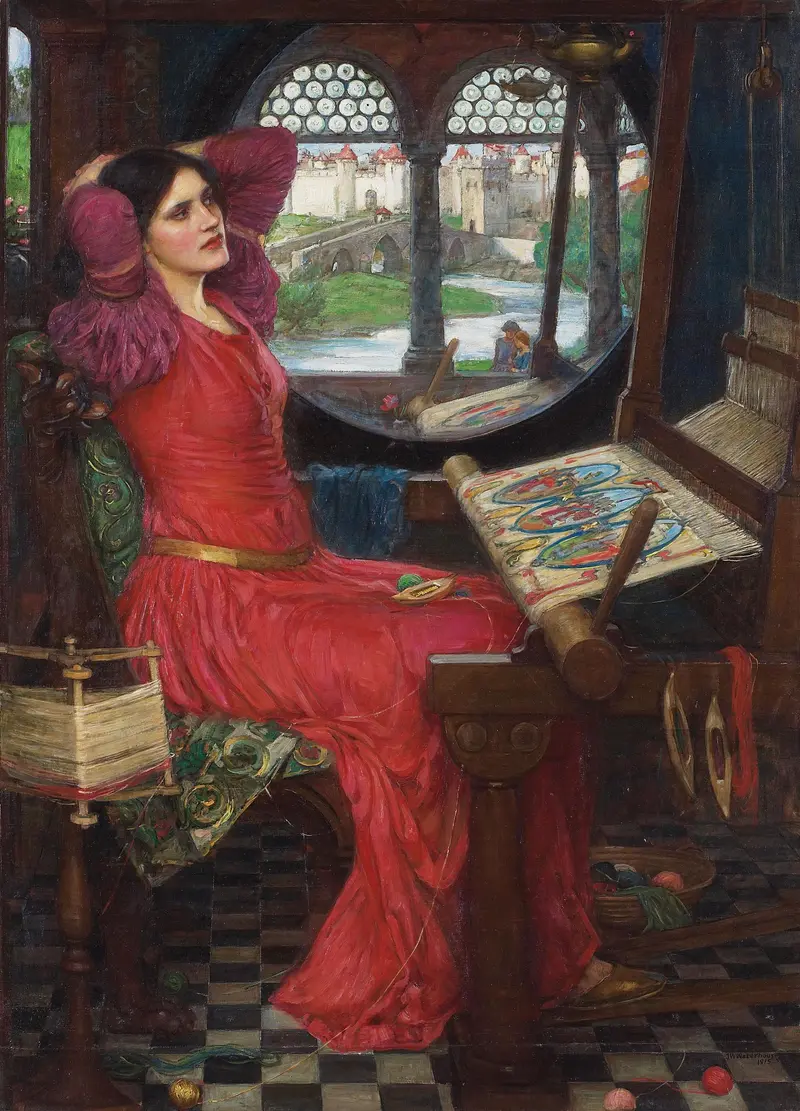
'I Am Half-Sick of Shadows,' Said the Lady of Shalott
John William Waterhouse

The Favourites of the Emperor Honorius, 1883
John William Waterhouse
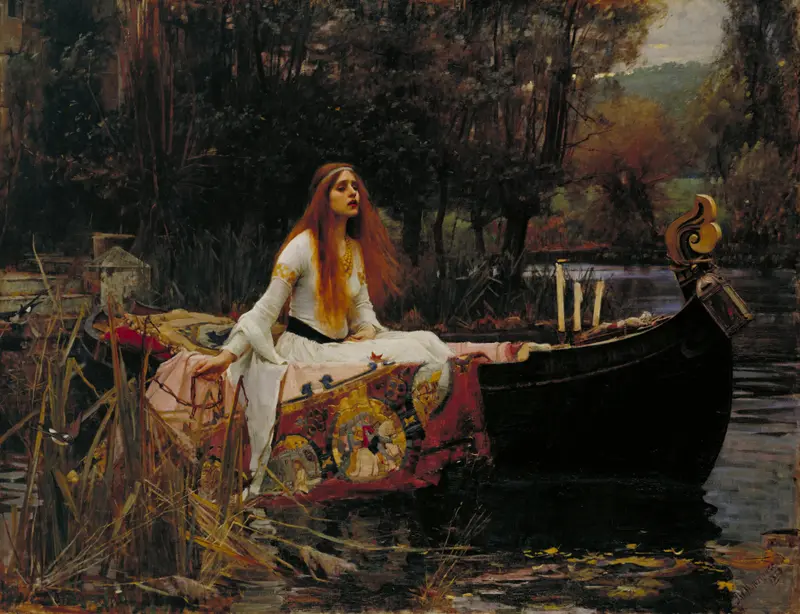
The Lady of Shalott
John William Waterhouse
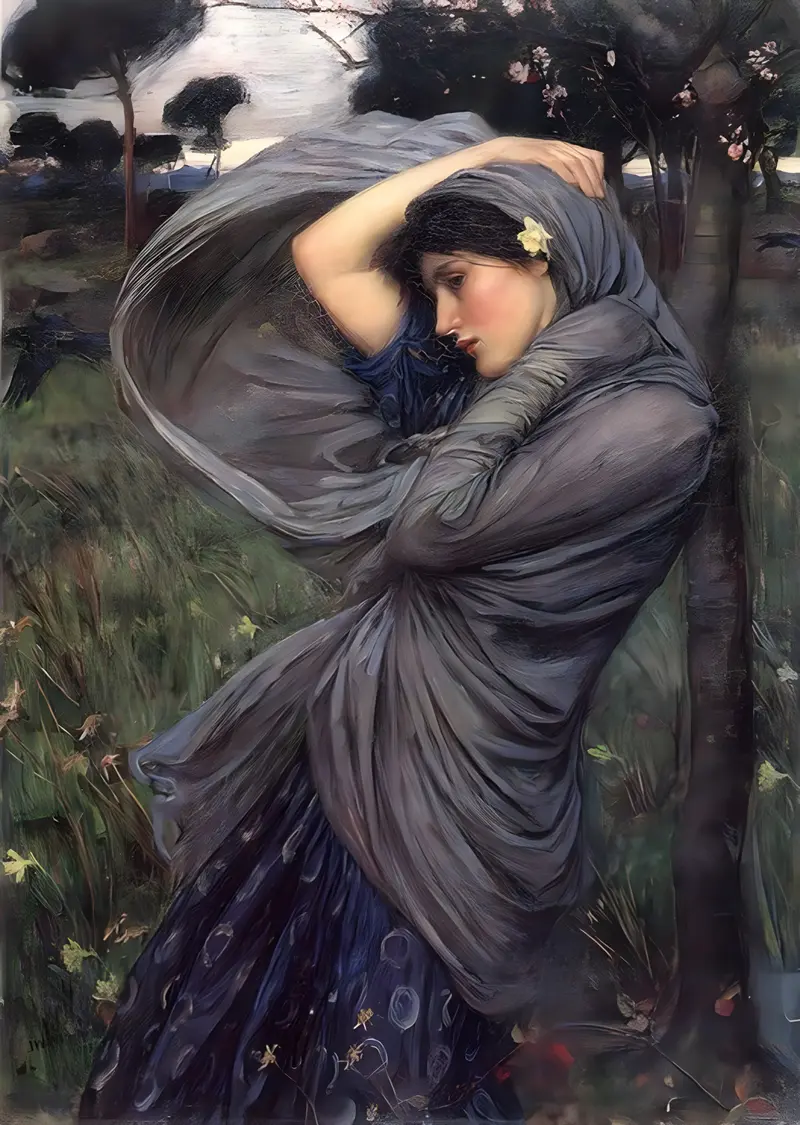
Boreas
John William Waterhouse
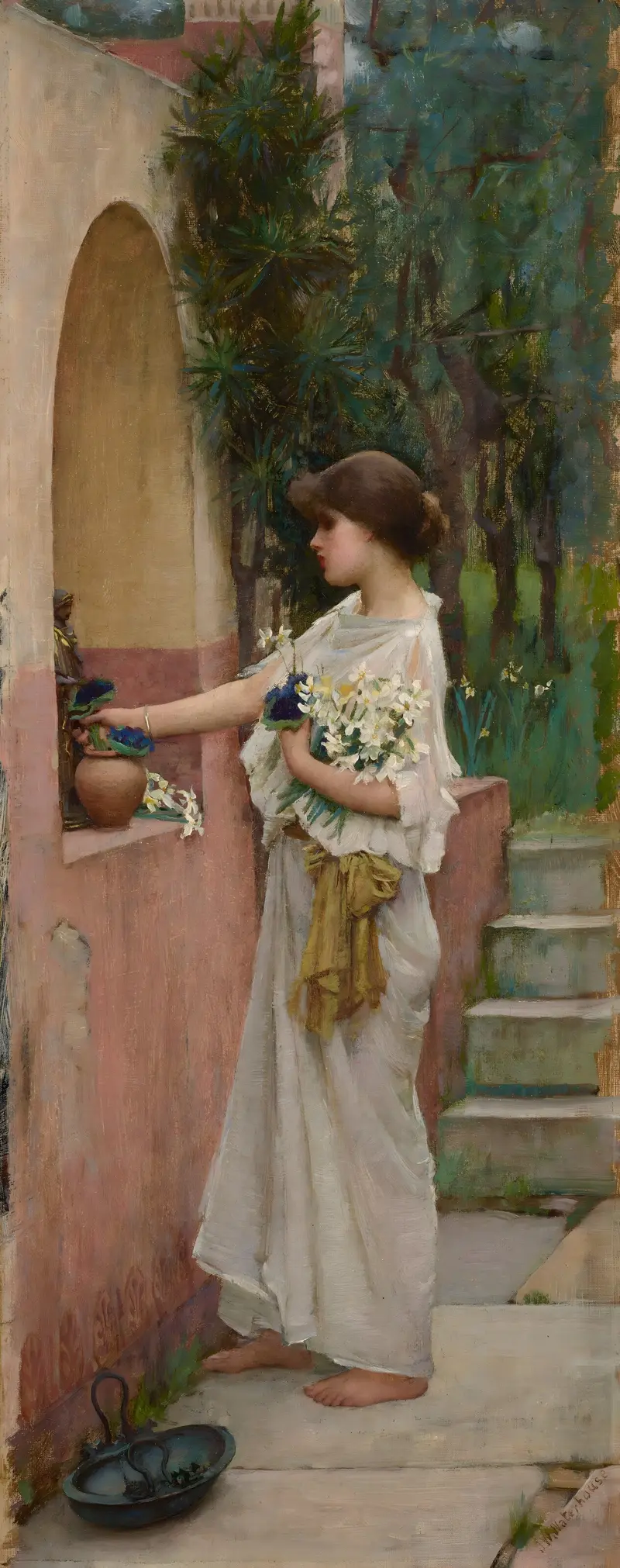
A Roman Offering
John William Waterhouse
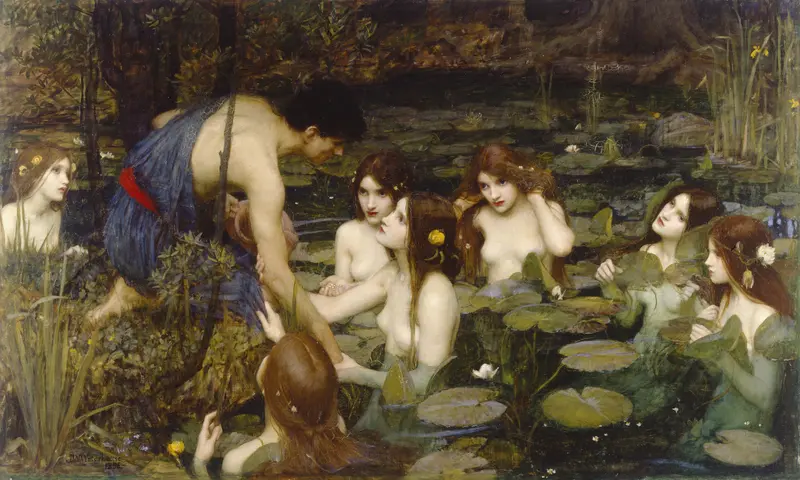
Hylas and the Nymphs
John William Waterhouse
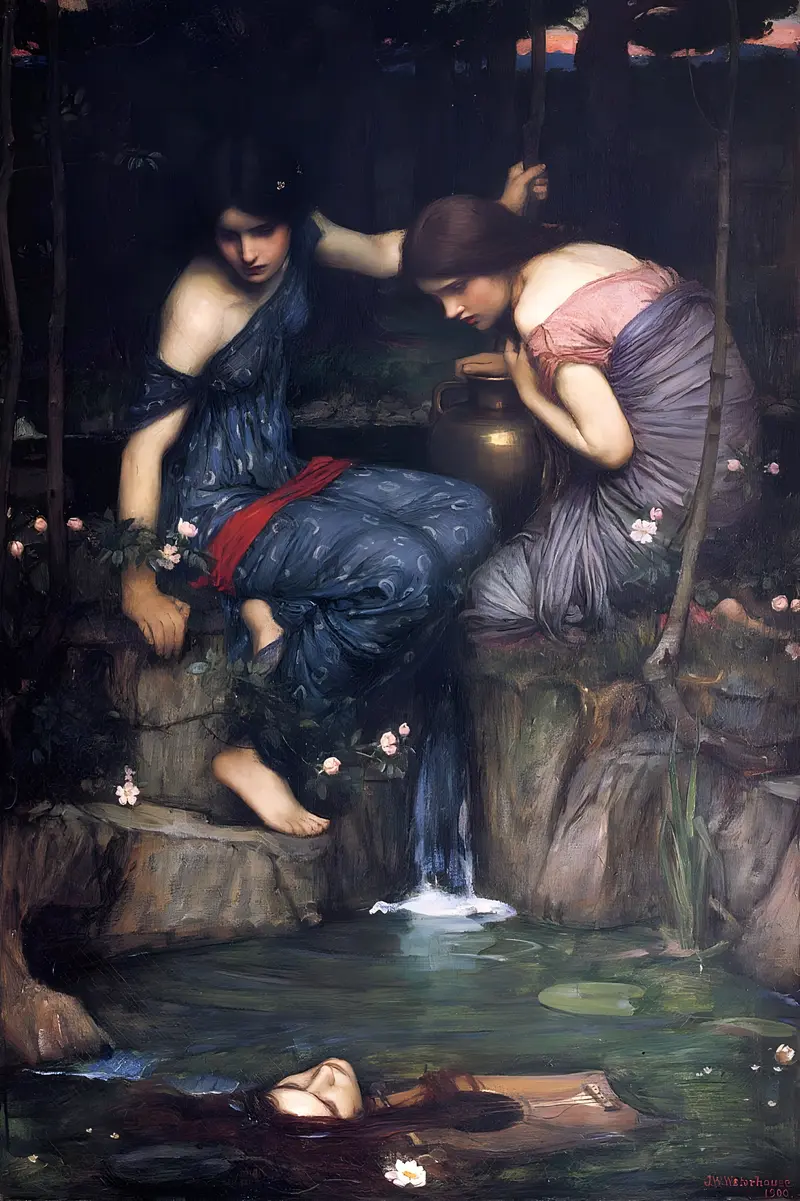
Nymphs Finding the Head of Orpheus
John William Waterhouse
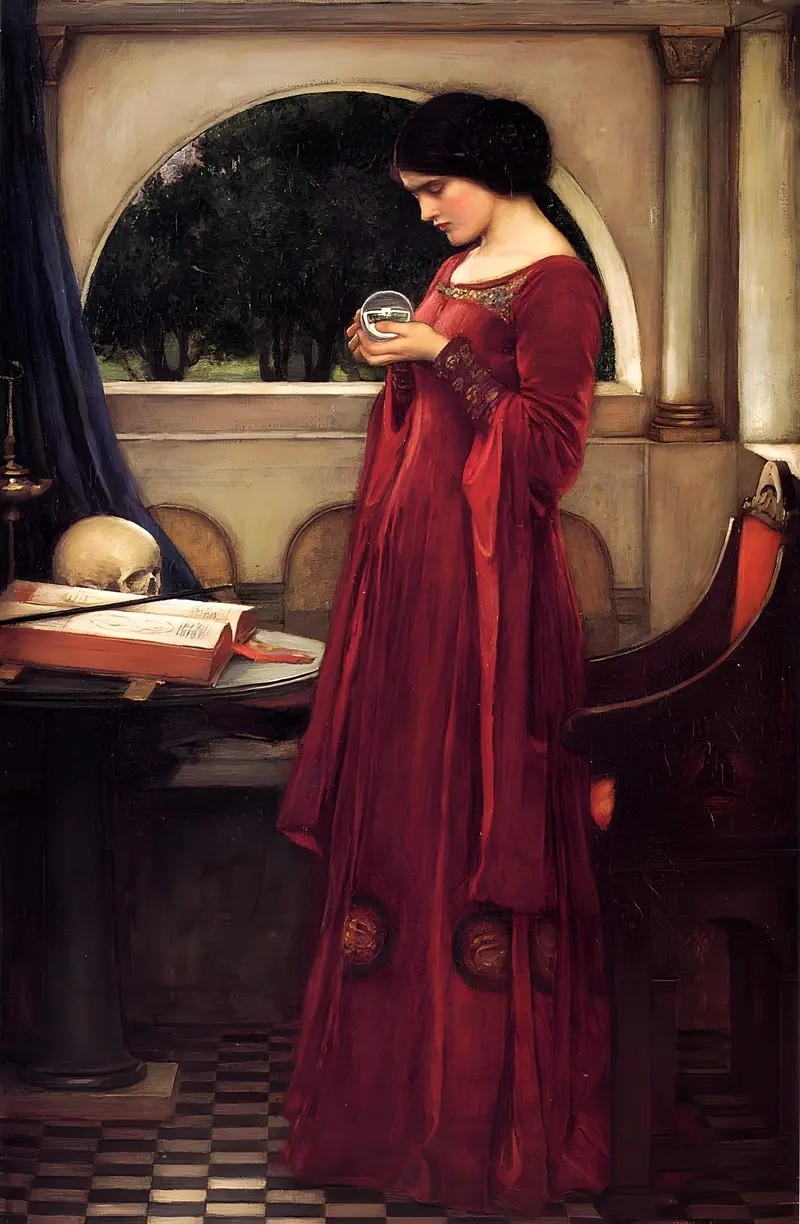
The Crystal Ball
John William Waterhouse
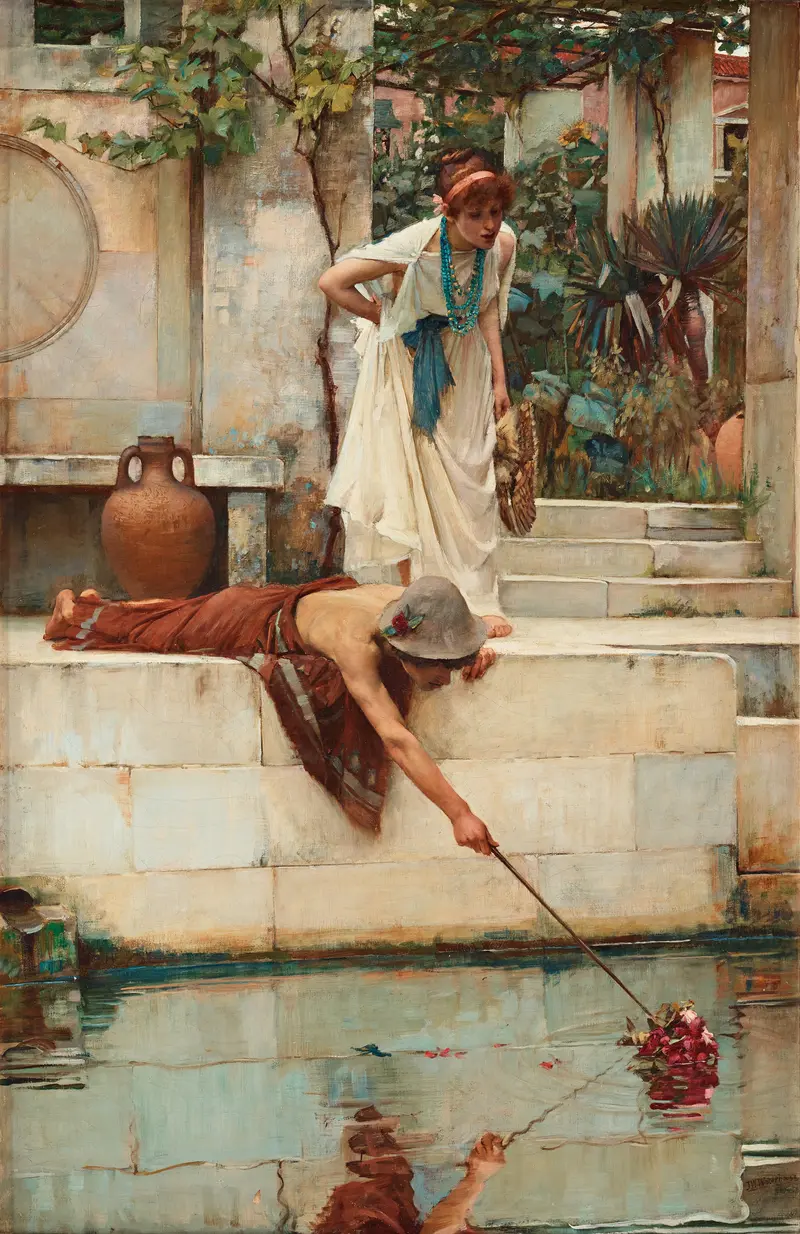
The Rescue
John William Waterhouse
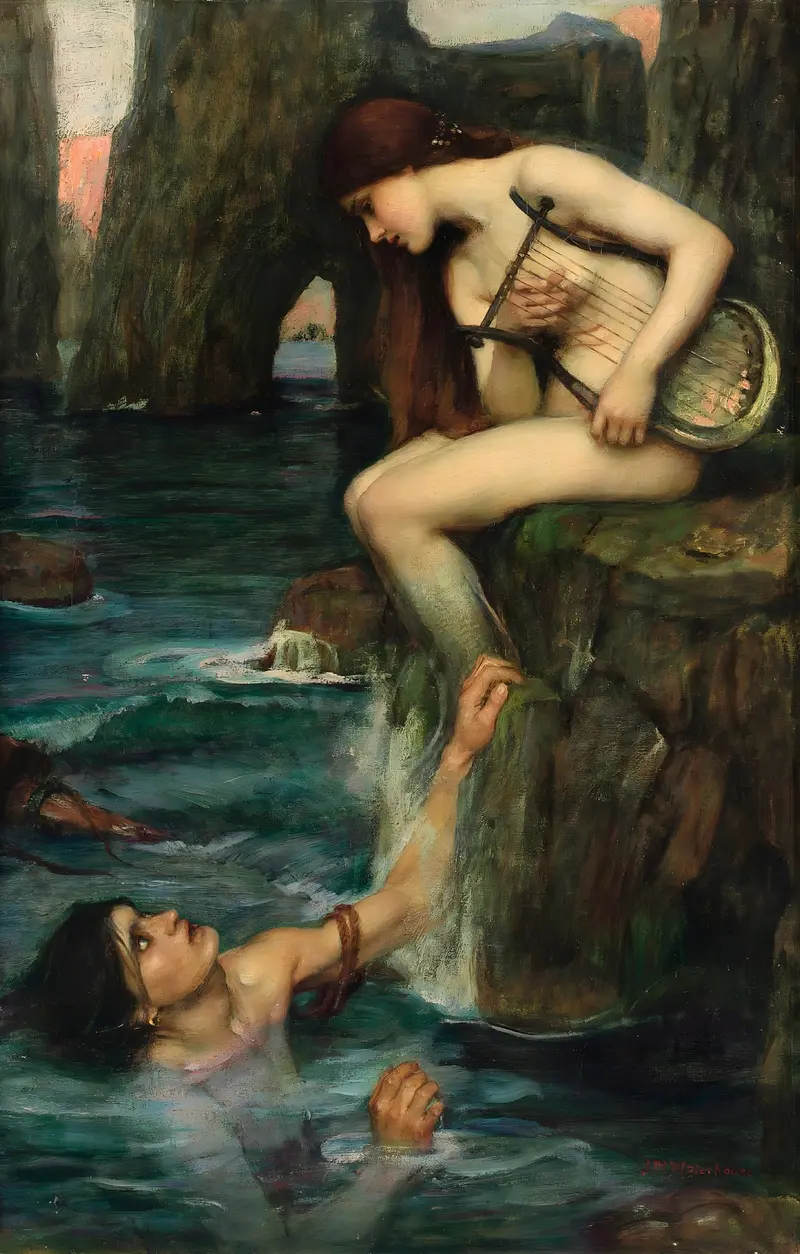
The Siren, 1900
John William Waterhouse





