Discover insights about this artwork
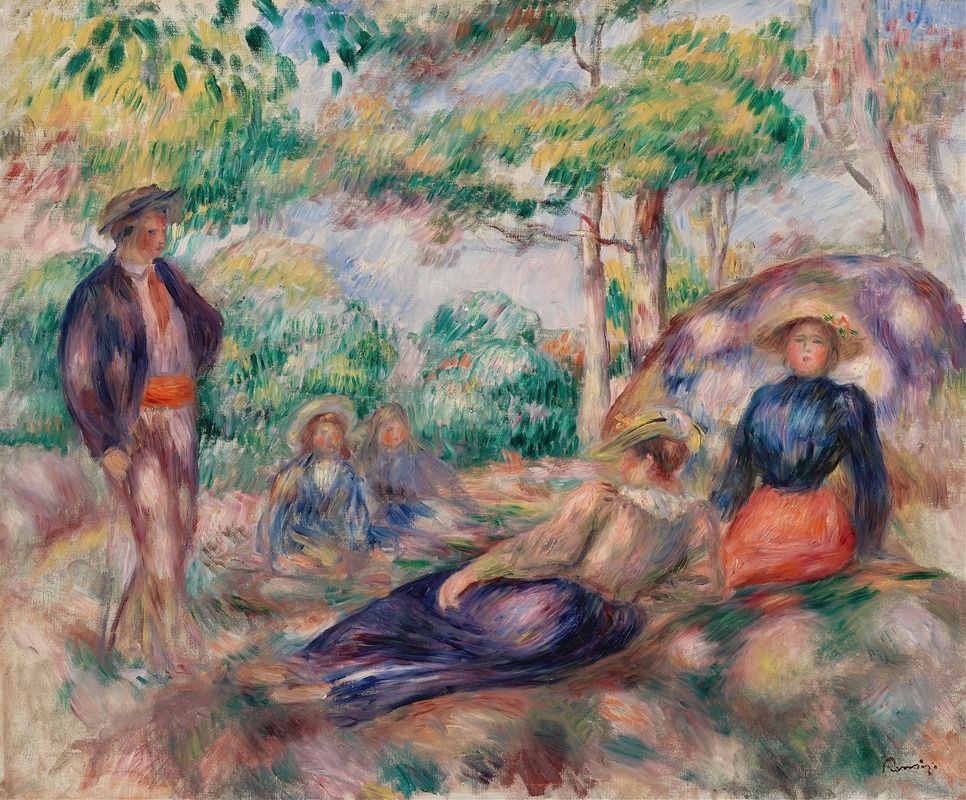
La sieste — History & Facts
La sieste by Henri Matisse presents a tranquil scene filled with vibrant colors. The painting features a reclining figure, likely a woman, resting on a bed or couch. Surrounding her are lush, decorative patterns that reflect Matisse's love for color and form.
The overall atmosphere is one of calm and leisure, inviting the viewer into a moment of serenity. This artwork is characterized by bold, flat areas of color and simplified forms, typical of Matisse's style during the early 20th century. The use of bright hues contrasts with the softer tones of the figure, creating a dynamic visual experience. The composition is balanced, with the reclining figure at the center and the surrounding patterns harmonizing with her form.
Viewers can appreciate Matisse's innovative approach to color and space in this piece. Henri Matisse was a leading figure in the Fauvist movement, known for his expressive use of color. La sieste was painted during a period when Matisse was exploring the relationship between color and emotion. An interesting fact about this work is that it exemplifies his shift towards a more decorative style, which would influence many artists in the years to come.
The painting remains a significant example of early modernist art.
More Artworks by Henri Matisse
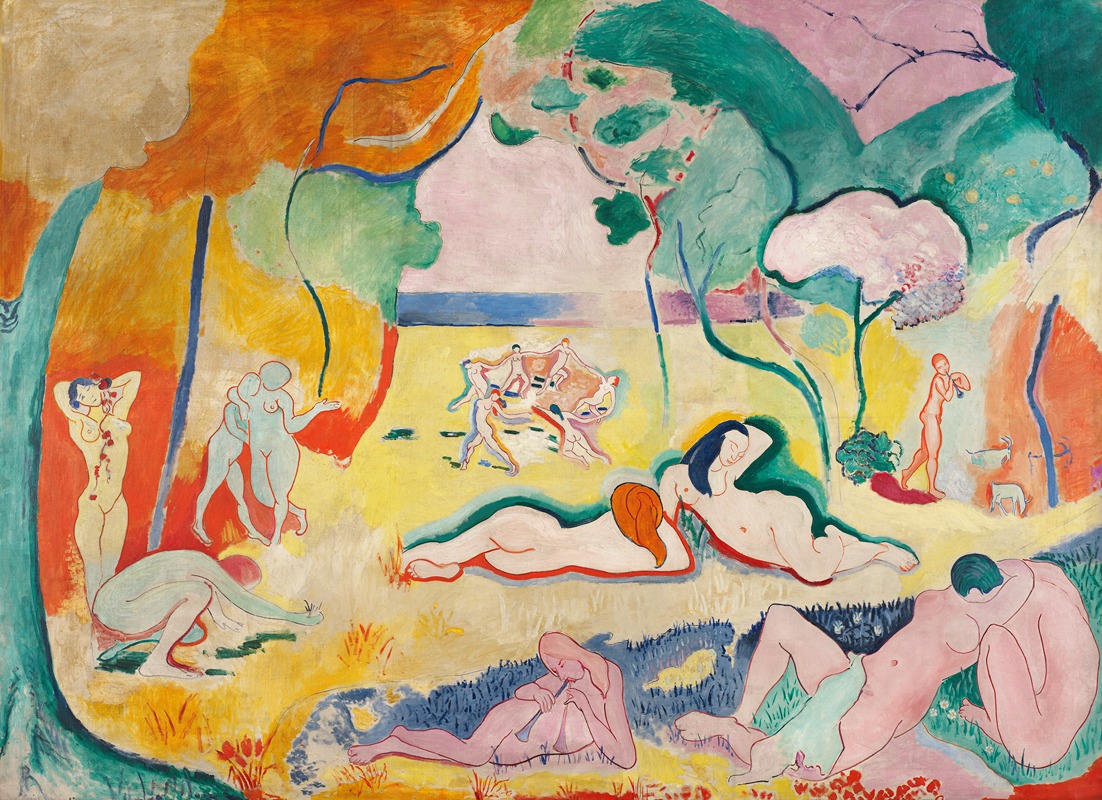
Le Bonheur de vivre, also called The Joy of Life
Henri Matisse
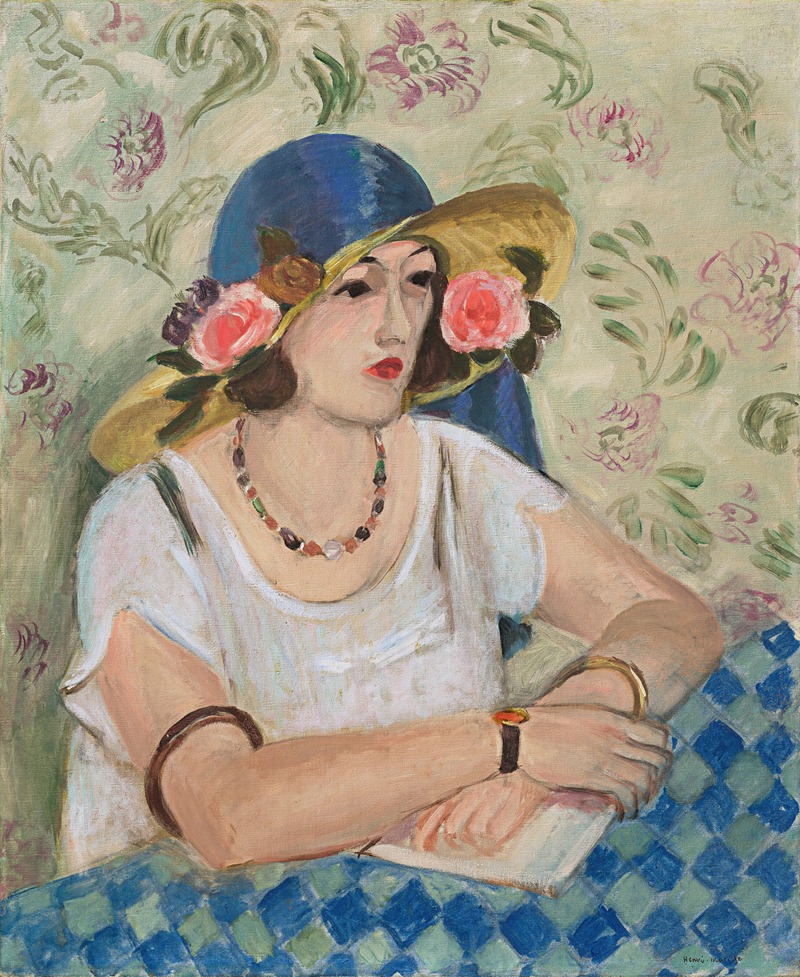
Femme au chapeau fleuri
Henri Matisse
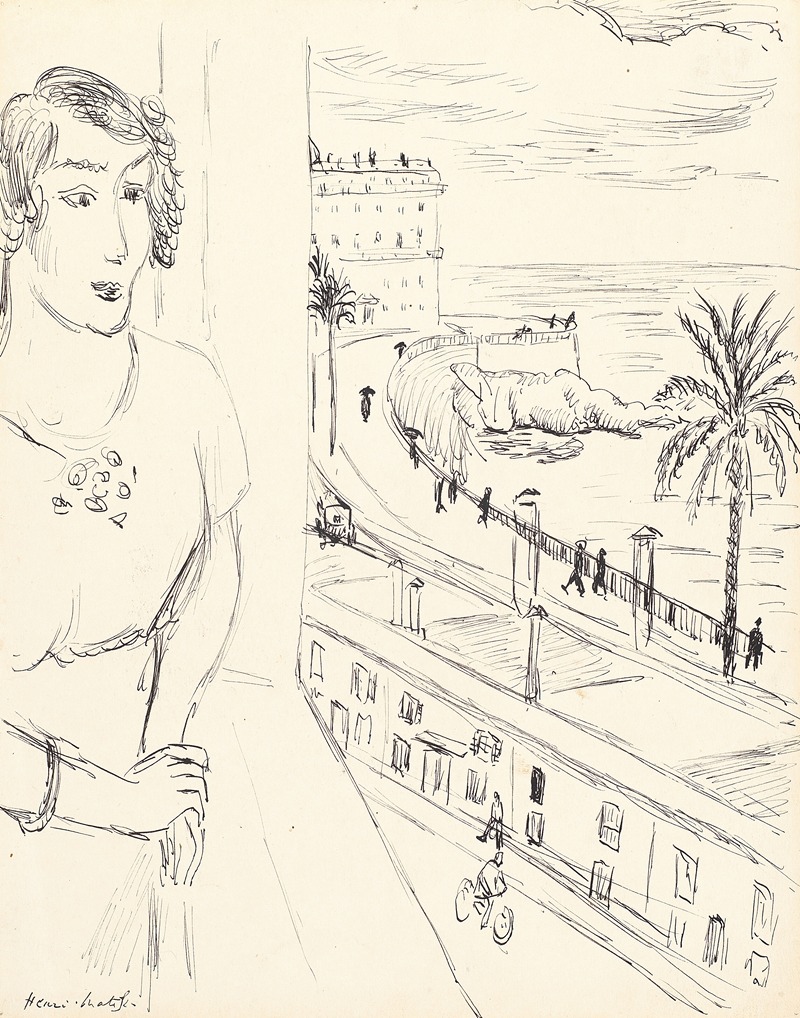
Femme près de la fenêtre, Nice
Henri Matisse
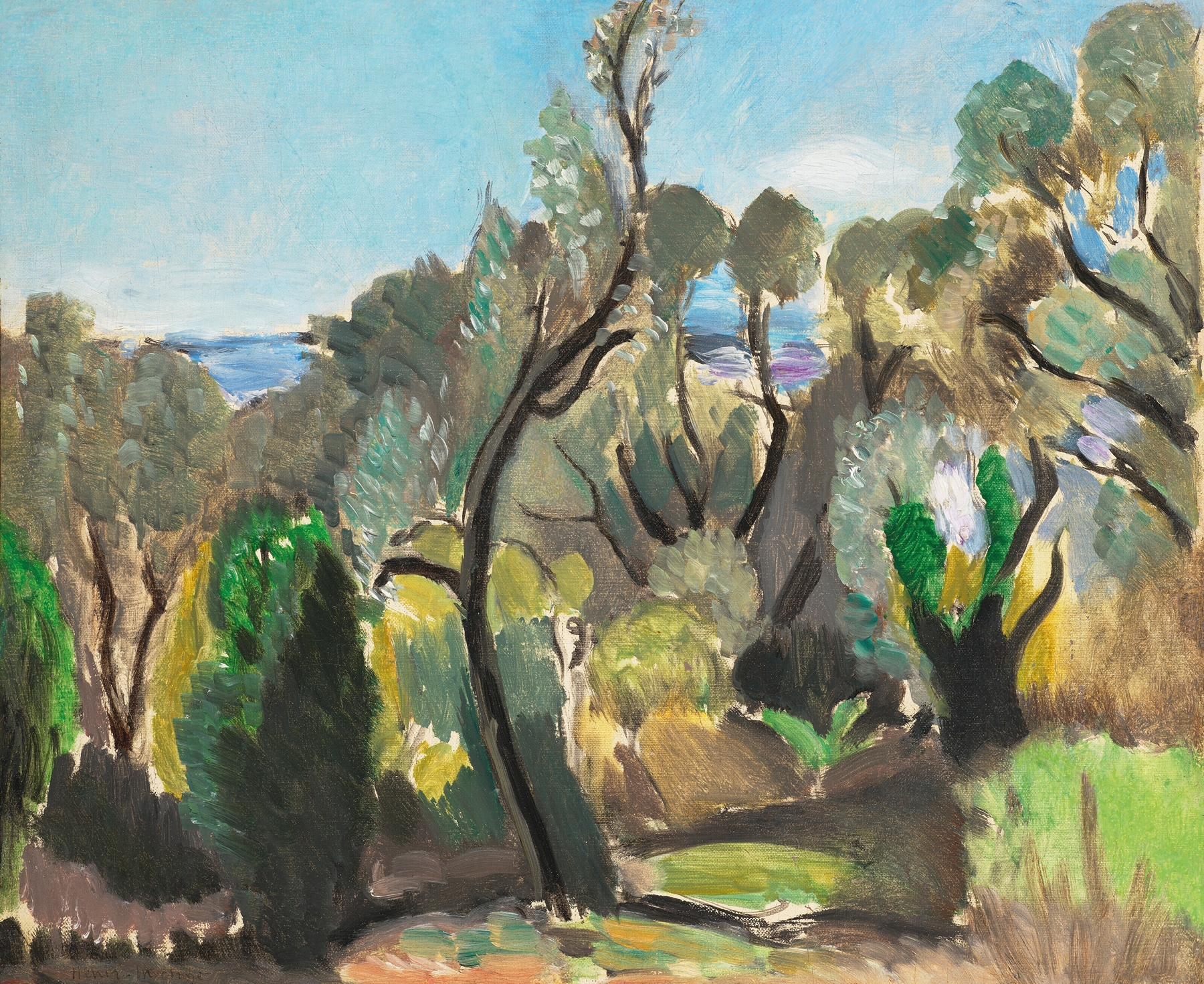
Paysage aux environs de Nice ou Les Oliviers ou Coin du Mont-Boron
Henri Matisse
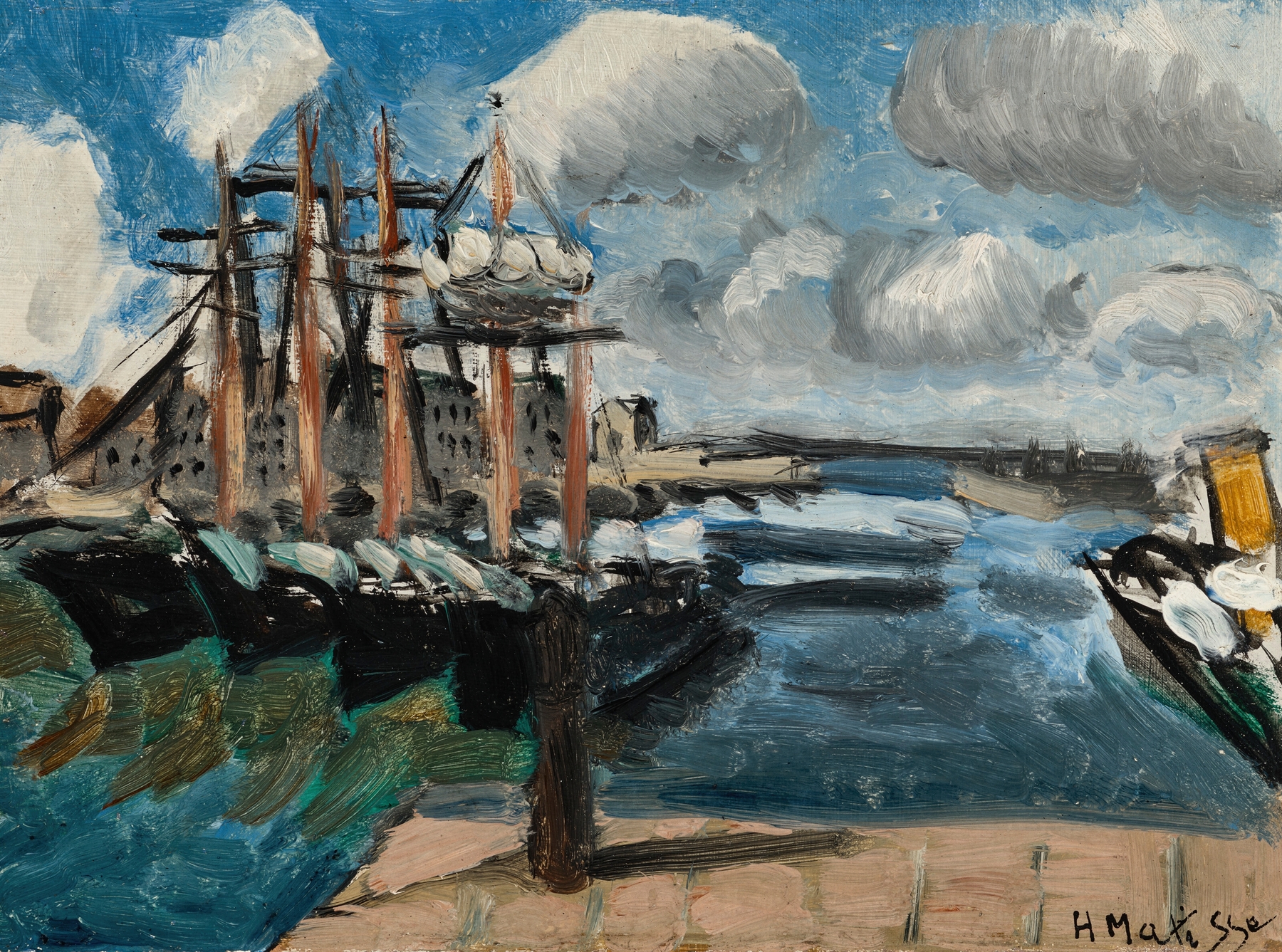
Port de Cherbourg
Henri Matisse
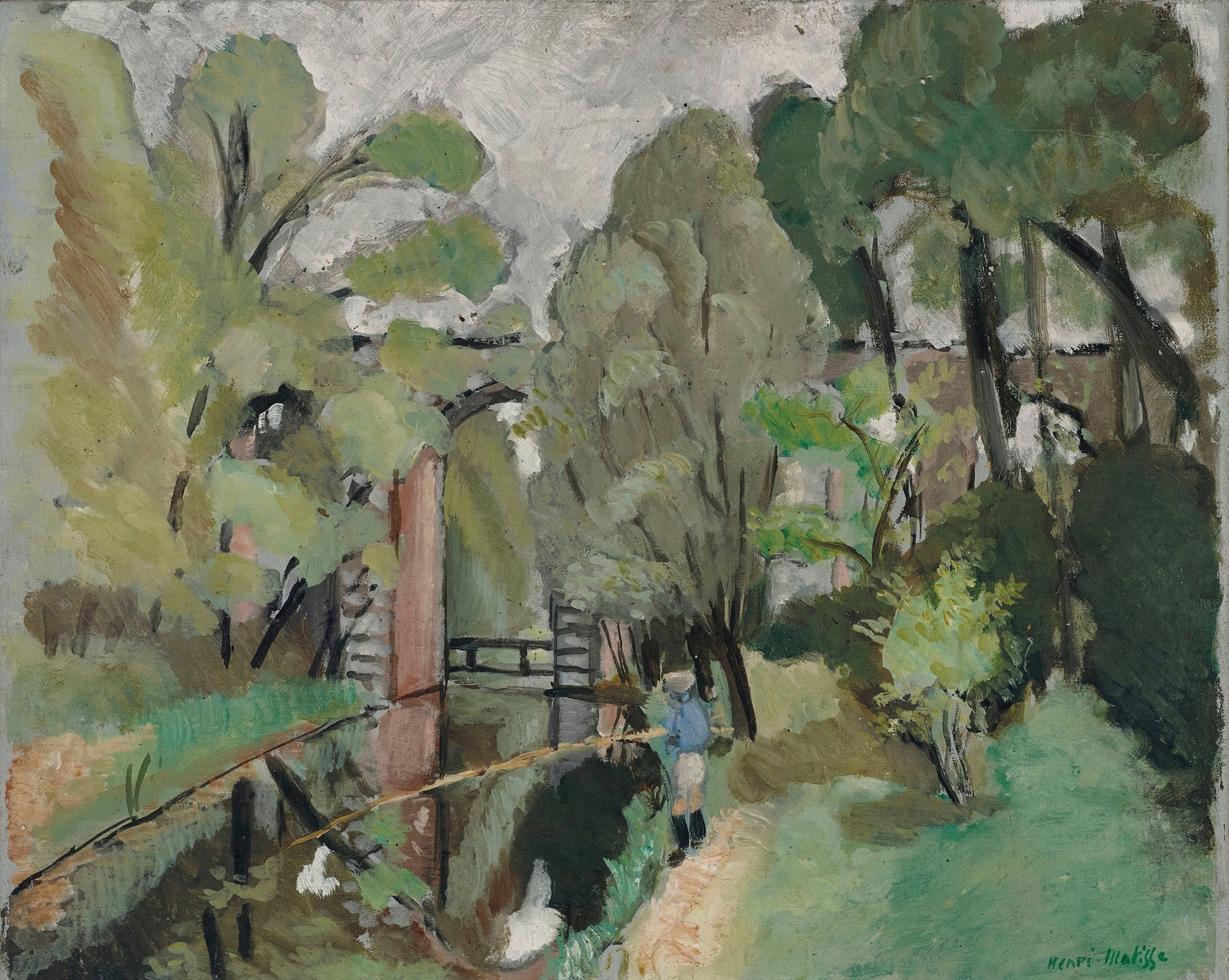
Le Petit pêcheur, Maintenon
Henri Matisse
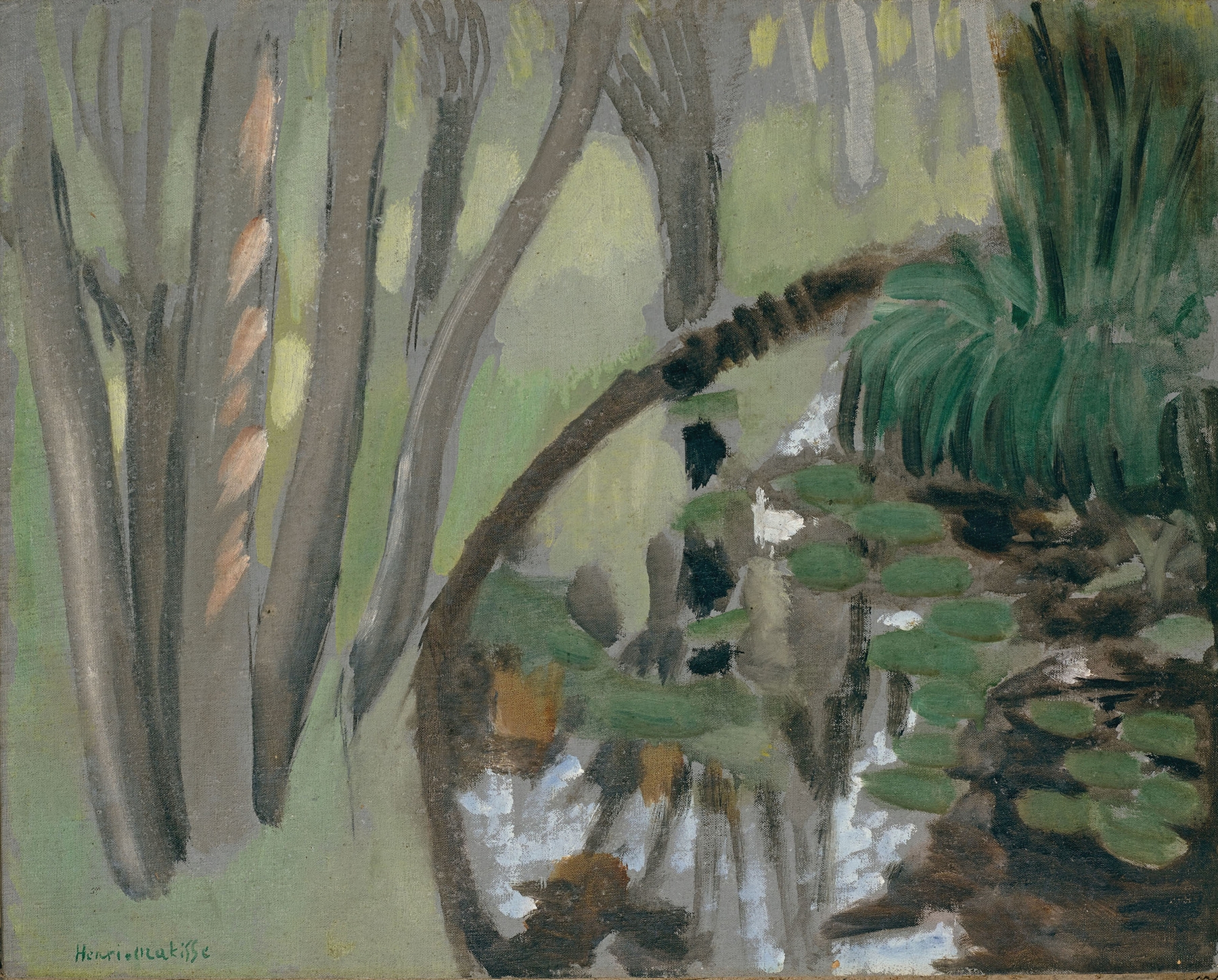
Le ruisseau, Maintenon
Henri Matisse
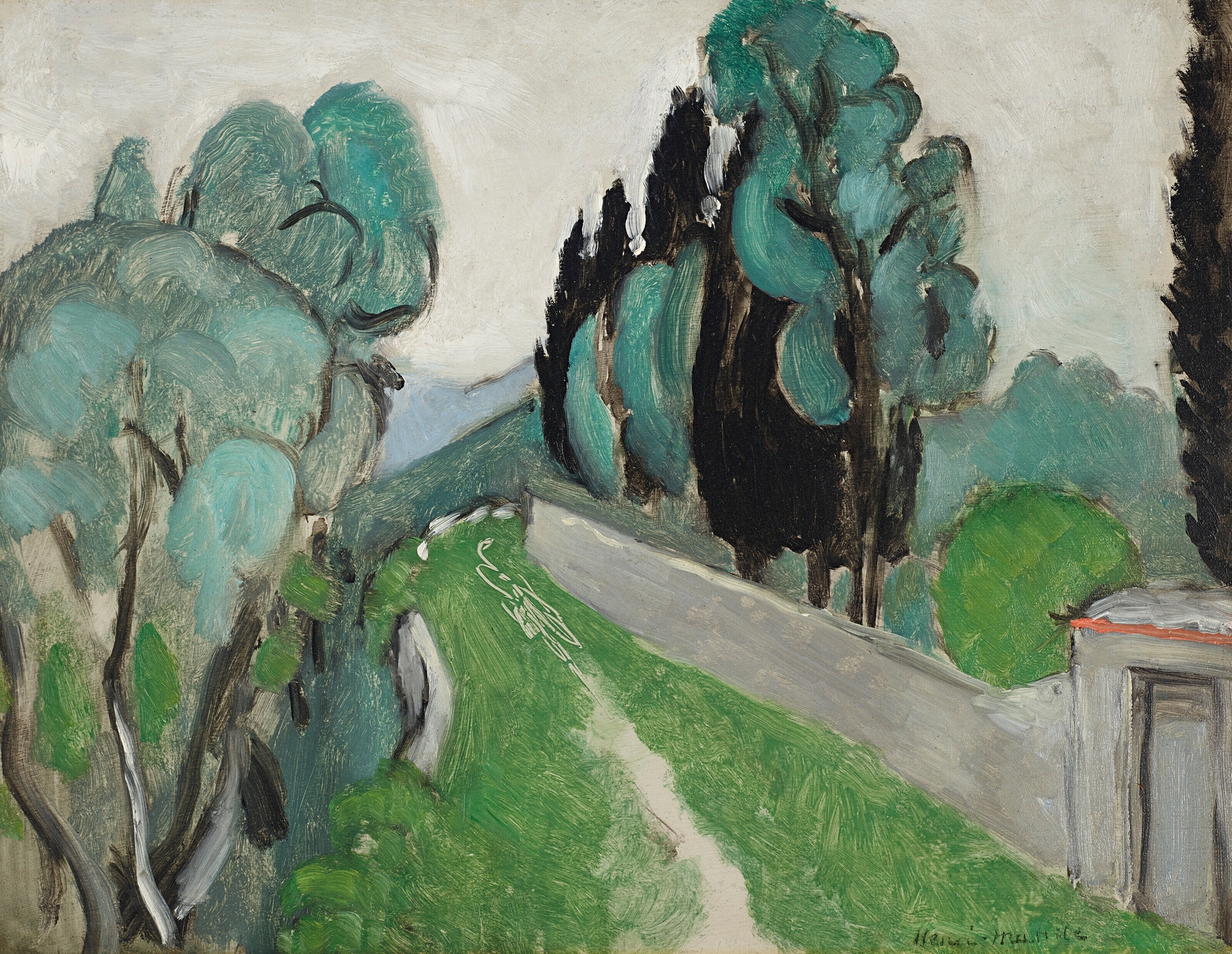
Paysage avec cyprès et oliviers aux environs de Nice
Henri Matisse
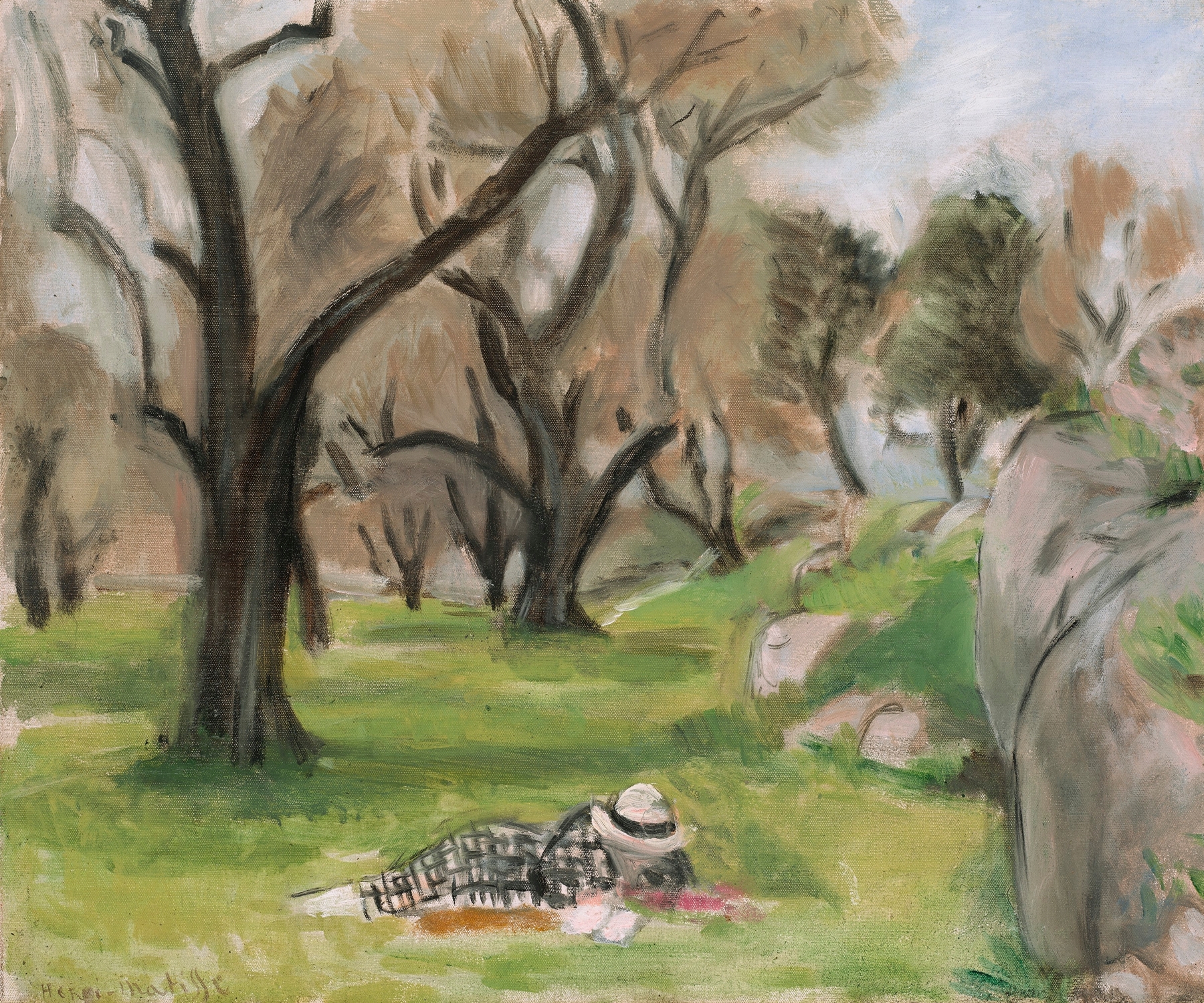
Paysage du Midi
Henri Matisse
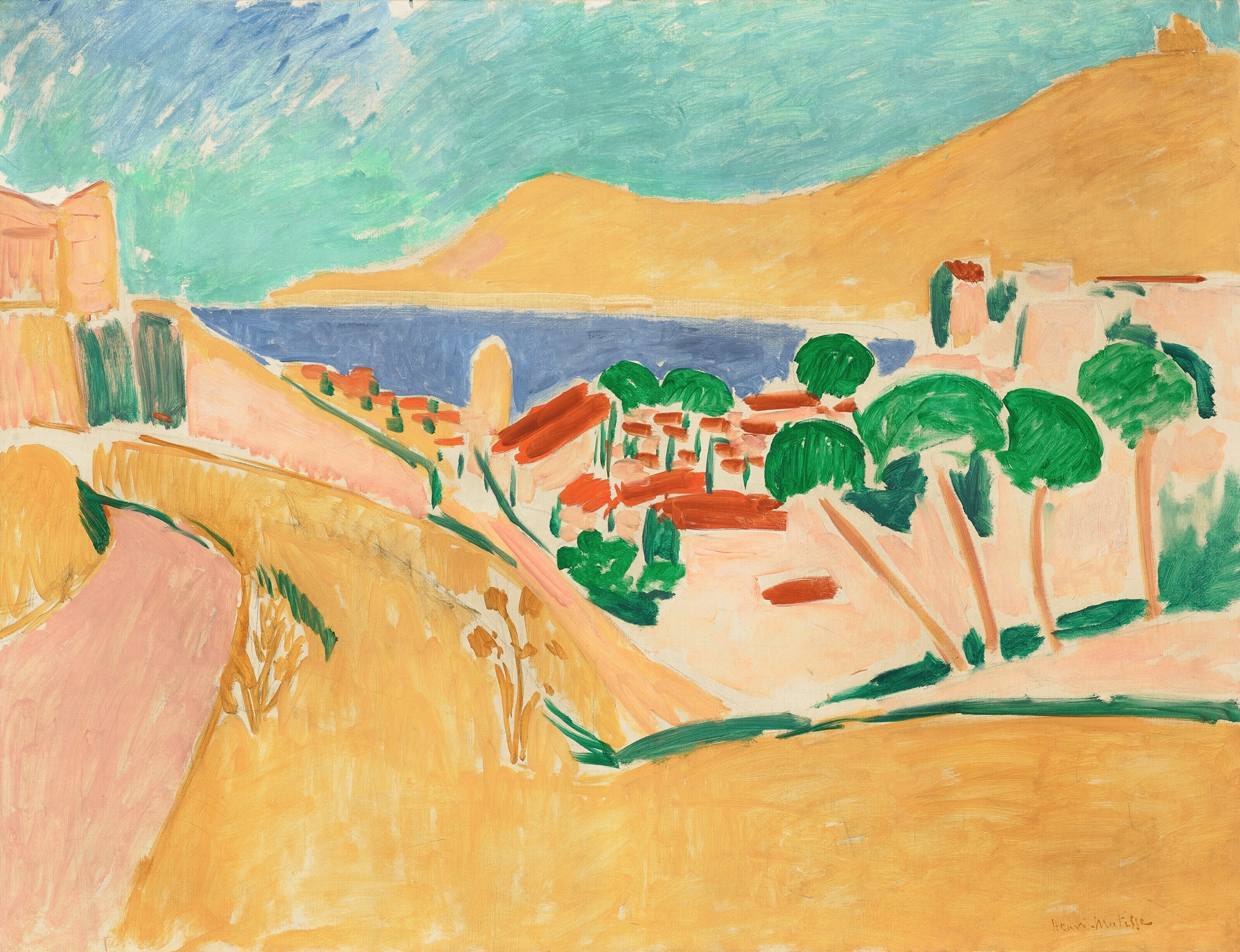
Collioure en août
Henri Matisse