
Lady Anne Miller of Glenlee — History & Facts
The most intriguing aspect of Lady Anne Miller of Glenlee is the enduring enigma surrounding its creation: neither the exact date nor the circumstances of its commission are known, and yet the painting stands as a testament to the social circles of late eighteenth-century Scotland. Lady Anne Miller was a celebrated hostess and literary figure, famed for her Bath-based salon where poets and thinkers gathered—a rare position for a woman of her era. The portrait’s very existence hints at the esteem in which she was held, possibly commissioned by her family or admirers to commemorate her influence.
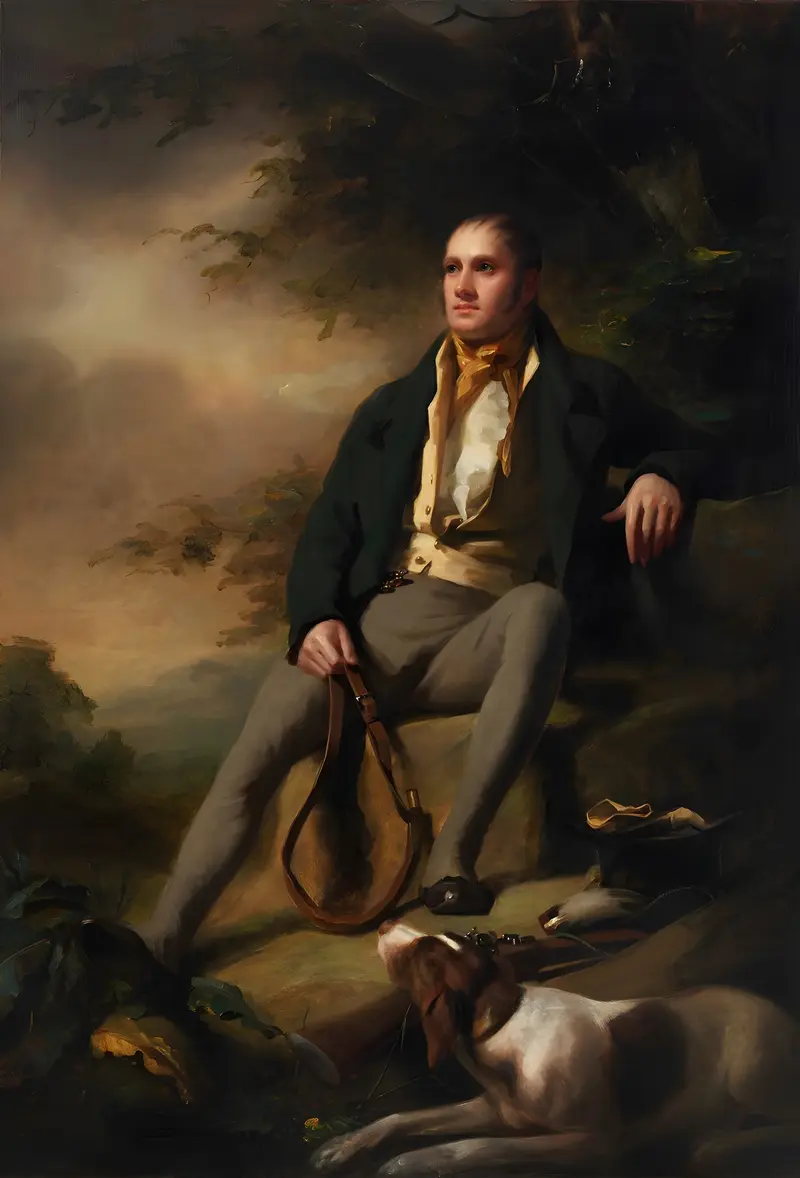
The lack of documentation has led to ongoing scholarly discussion, with some suggesting the work was painted during the height of her literary gatherings in the 1780s. In the painting, Lady Anne sits poised yet relaxed, her gaze direct but softened by a gentle half-smile—a moment of private reflection rather than public display. Raeburn captures her in a simple, high-waisted gown, eschewing ostentation for an air of intellectual grace. The light falls across her face, drawing attention to her thoughtful expression and the delicate hand resting on her lap, perhaps alluding to her role as a writer and patron of the arts.
Unlike the more theatrical portraits of Thomas Gainsborough, Raeburn’s approach is intimate and unadorned, focusing on character over costume. The muted palette and subtle play of shadow reinforce the sense of quiet confidence that defined Lady Anne’s reputation. As with many of Sir Henry Raeburn’s portraits, the painting’s early history is shrouded in some uncertainty, though it almost certainly remained with the Miller family for several generations. Over time, its attribution to Raeburn has been consistently upheld, thanks to the distinctive brushwork and psychological insight characteristic of his mature period.
The portrait has likely passed through private hands before entering a public collection, where it now offers visitors a glimpse into the world of Scottish Enlightenment society. Today, Lady Anne Miller of Glenlee stands as both a personal likeness and a cultural document, reflecting Raeburn’s pivotal role in capturing the intellectual elite of his time.
More Artworks by Sir Henry Raeburn

Portrait of Hugh Hope
Sir Henry Raeburn
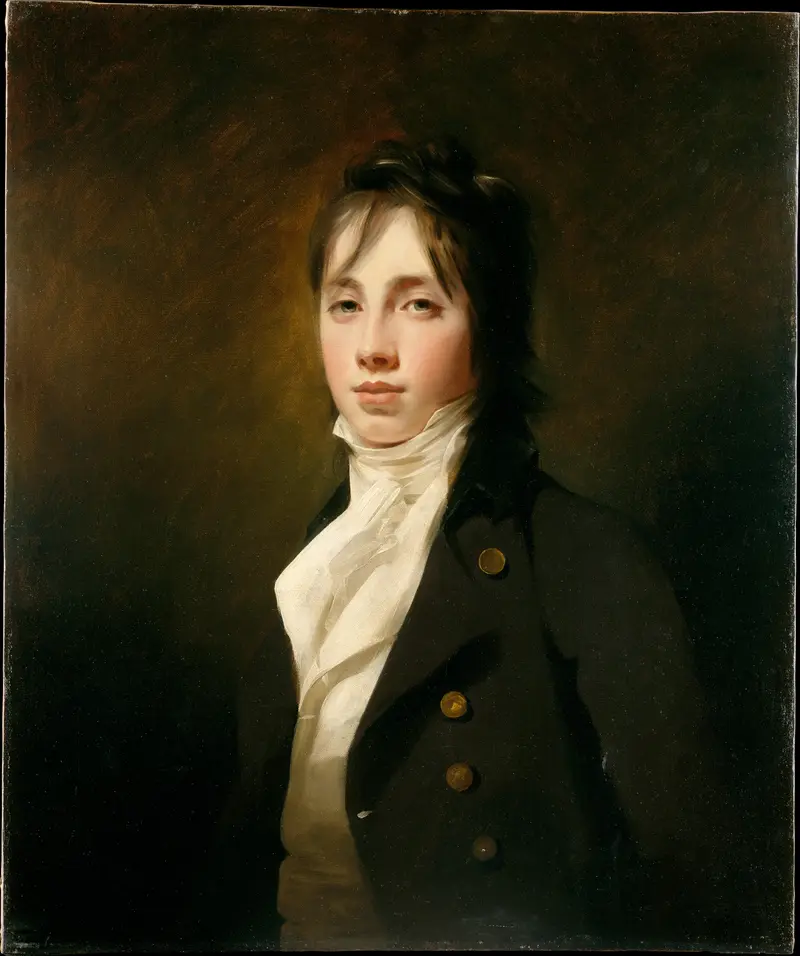
William Fraser of Reelig (1784–1835)
Sir Henry Raeburn
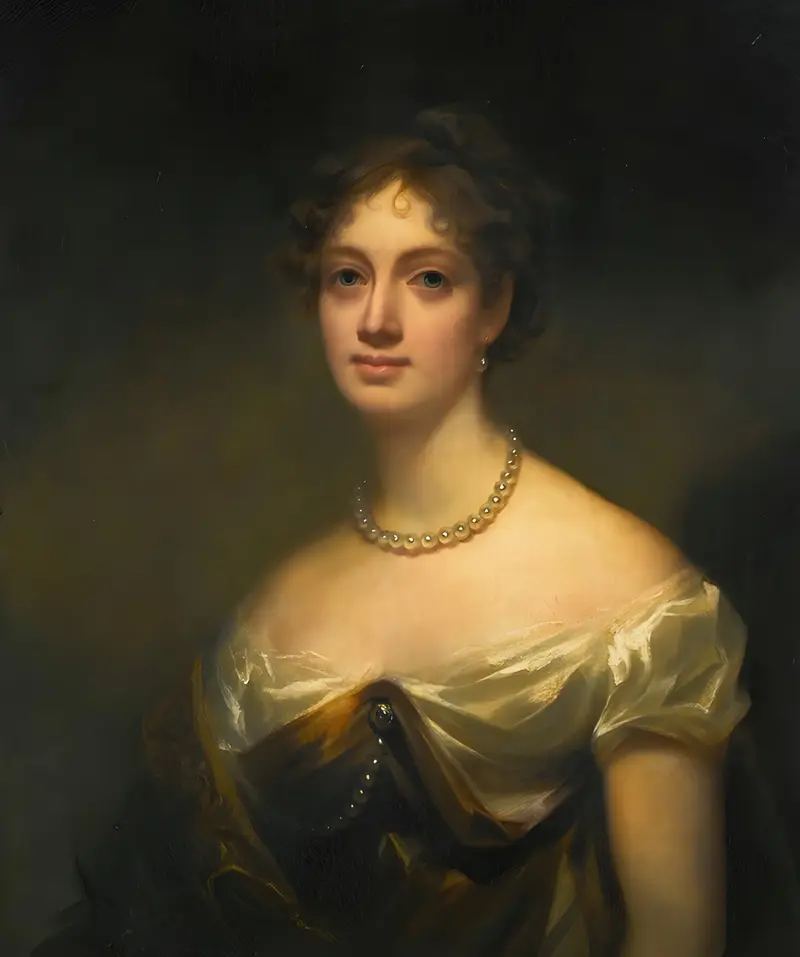
Portrait Of Anne Blair Maconochie Welwood Of Garvock, Lady Meadowbank (1784–1866)
Sir Henry Raeburn
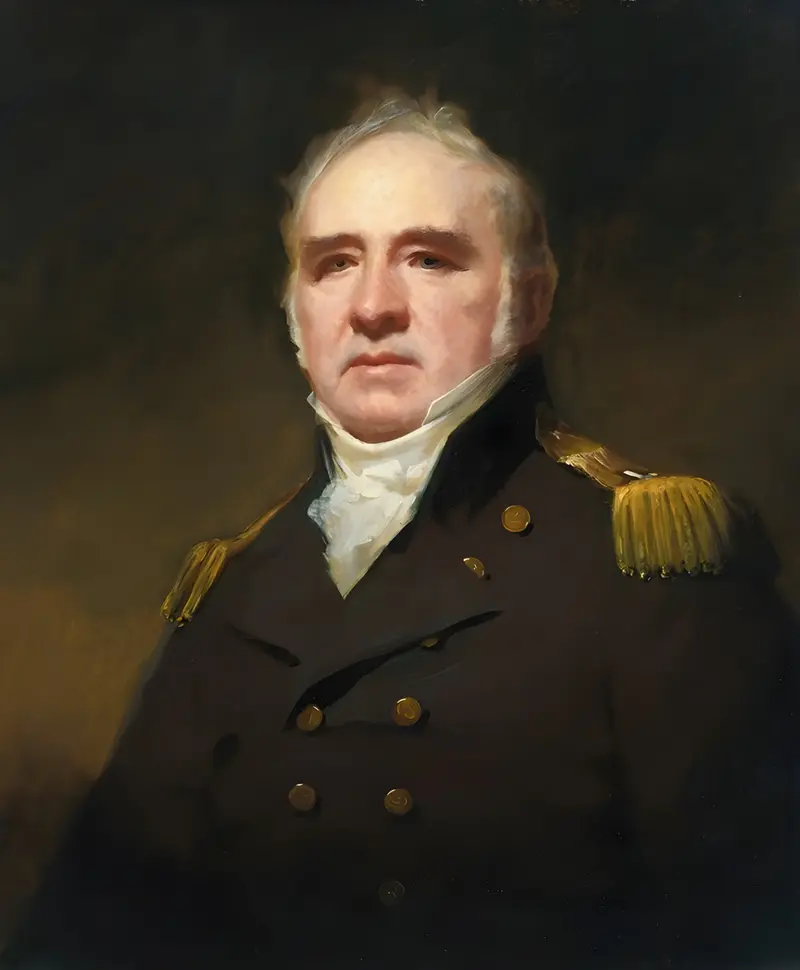
Portrait Of Captain James Forbes-Drummond, R.N., Of Hawthornden
Sir Henry Raeburn
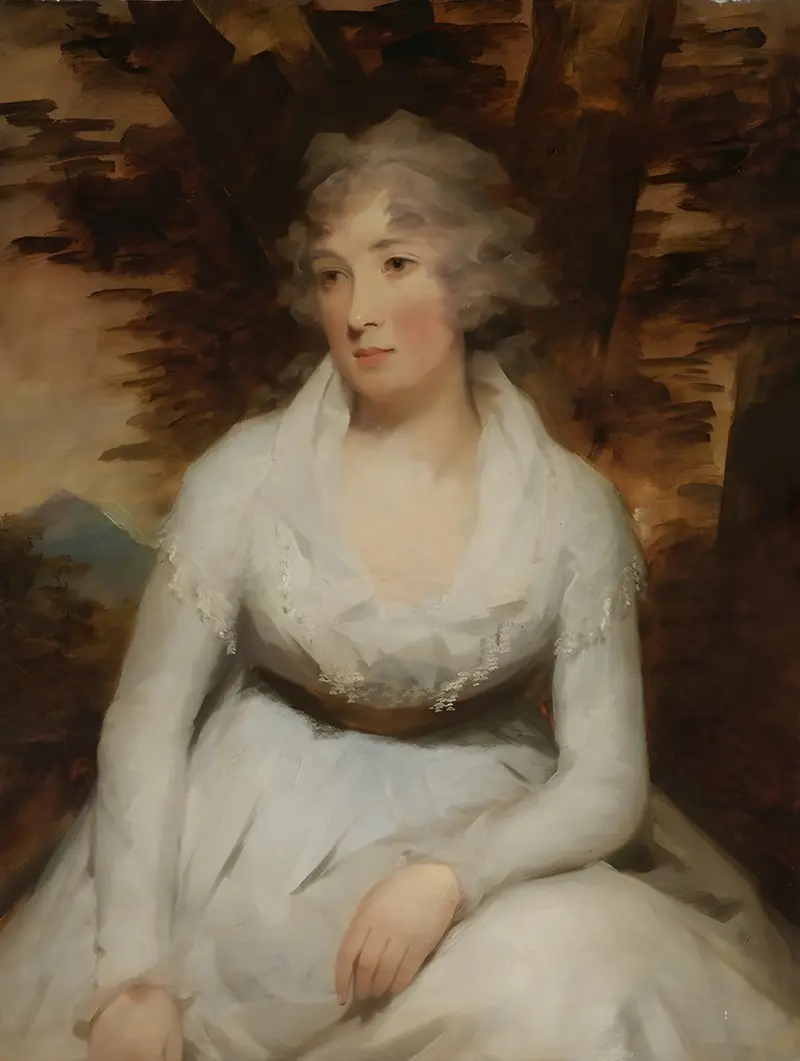
Miss Elizabeth Dalrymple (afterwards Mrs. George Leith)
Sir Henry Raeburn
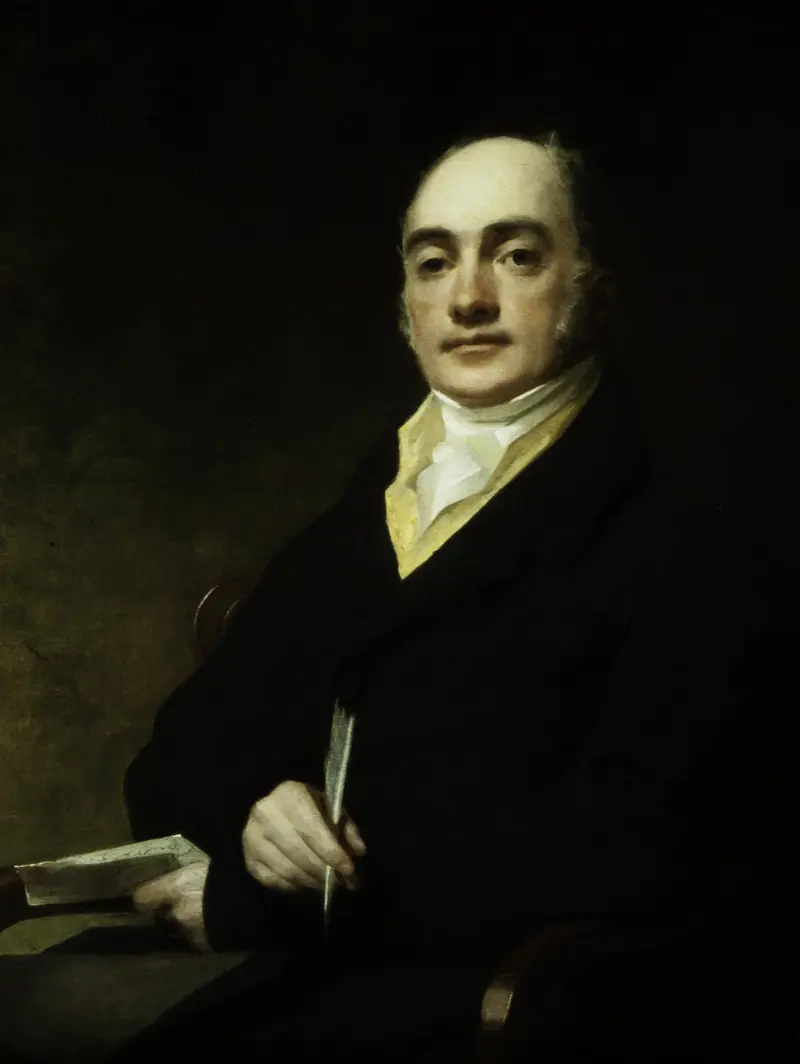
Portrait of John Baillie (1772-1833)
Sir Henry Raeburn
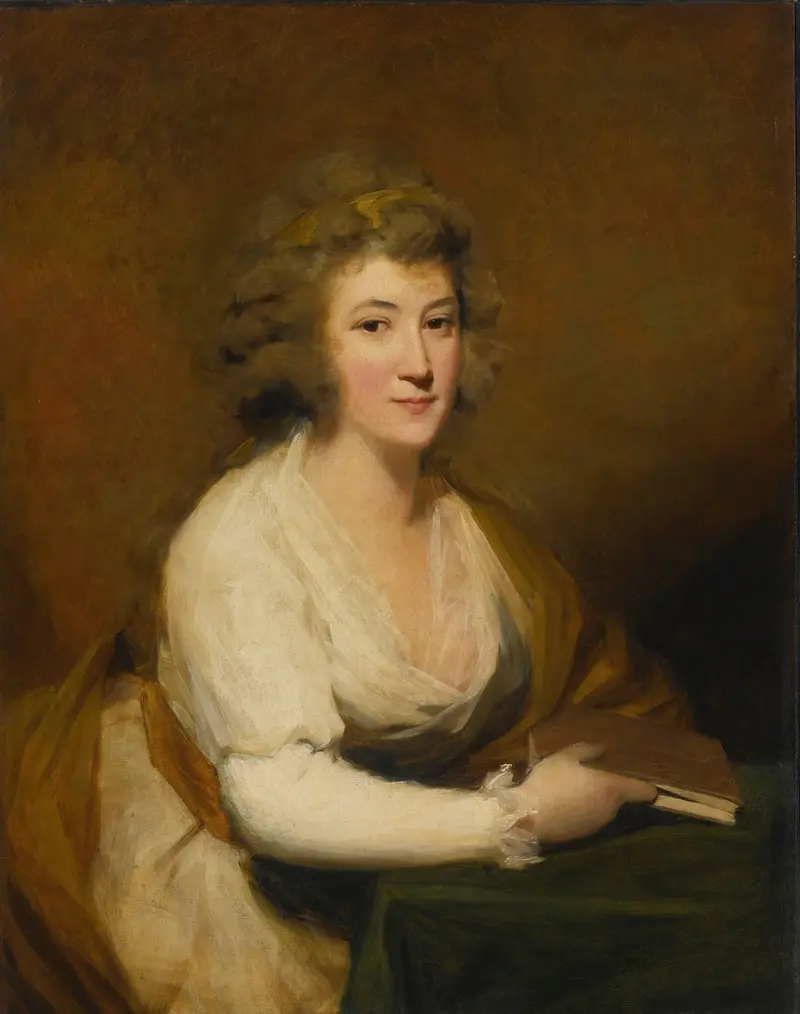
Portrait Of Lady Nasmyth, In A White Dress And Brown Shawl, Seated At A Table, Holding A Book
Sir Henry Raeburn
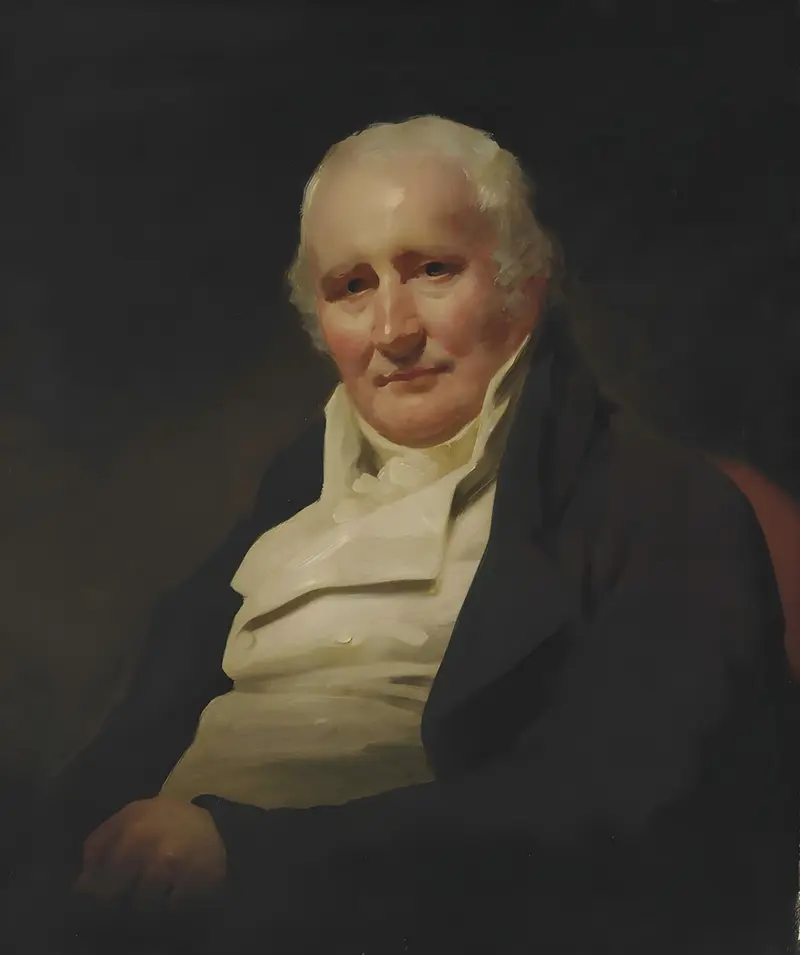
Portrait Of Mr. Spottiswood
Sir Henry Raeburn
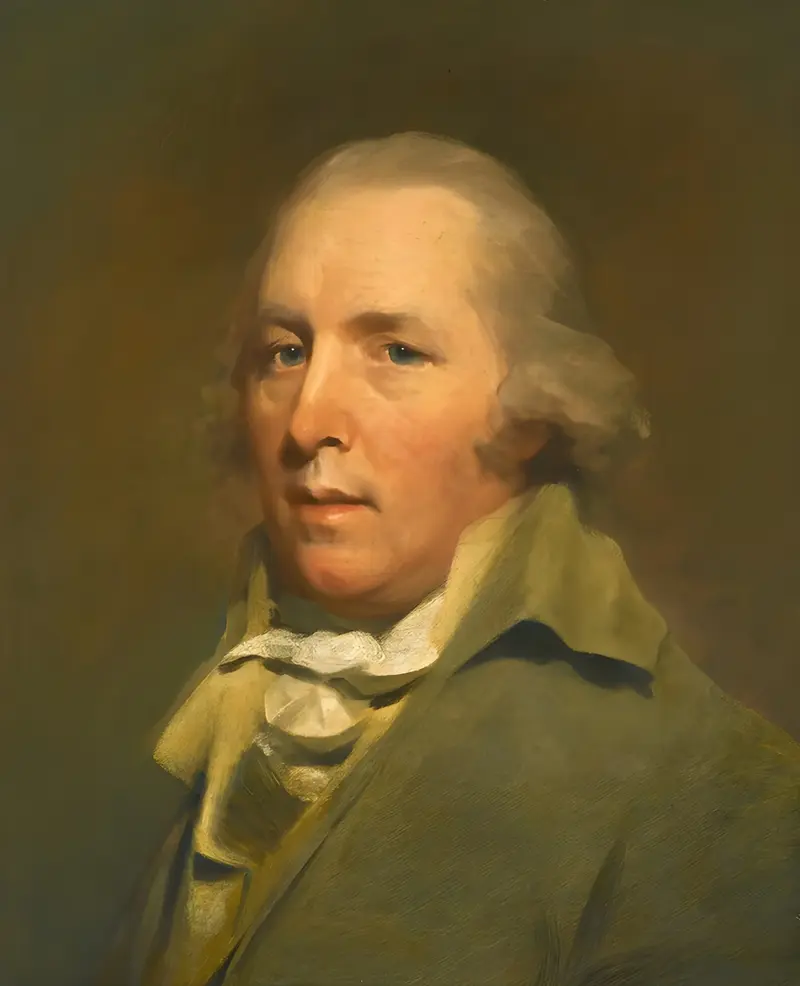
Portrait Of The Reverend John Home (1722-1808)
Sir Henry Raeburn
Portrait of William Hunt (c.1796-1854), Pittencrief House, Dunfermline
Sir Henry Raeburn





