
Lady Maitland (Catherine Connor, died 1865) — History & Facts
When Sir Henry Raeburn painted Lady Maitland (Catherine Connor, died 1865), he captured not only a likeness but a social alliance that would shape Scottish society. Catherine Connor, who would become Lady Maitland through marriage, came from a family of considerable means, and her union with the Maitlands was a notable event in Edinburgh’s close-knit circles. Portraits such as this were more than family mementos—they were public statements of status and connection, often commissioned to mark marriages or inheritance.
Raeburn, celebrated for his ability to convey character, was the portraitist of choice for Scotland’s elite during the late 18th and early 19th centuries. In this work, Lady Maitland sits with a composed yet alert expression, her gaze meeting the viewer’s with quiet assurance. The painting’s focus on her face, softly illuminated against a subdued background, draws attention to her intelligence and presence rather than mere ornament. Her attire, likely rendered in rich but restrained fabrics, signals both her wealth and her adherence to the dignified fashions of her time.
Raeburn’s brushwork is lively and direct, especially in the handling of flesh and fabric—a technique that sets him apart from contemporaries like Thomas Lawrence, whose portraits often favored grander, more theatrical effects. Here, the sitter’s poise and the artist’s honesty combine to create a portrait that feels both immediate and enduring. The precise date and circumstances of this portrait’s commission remain uncertain, as is often the case with Raeburn’s private sitters, but it likely hung in the Maitland family home for generations. Over time, the painting has become a touchstone for scholars tracing the lineage and alliances of Scotland’s landed families.
While the medium is not definitively recorded, Raeburn typically worked in oil on canvas, and the portrait’s condition suggests careful stewardship. Today, Lady Maitland is recognized as part of Raeburn’s mature period, when his reputation was firmly established and his portraits were sought after by the Scottish gentry. The painting stands as both a record of personal history and a testament to Raeburn’s distinctive vision of character.
More Artworks by Sir Henry Raeburn

Portrait of Hugh Hope
Sir Henry Raeburn
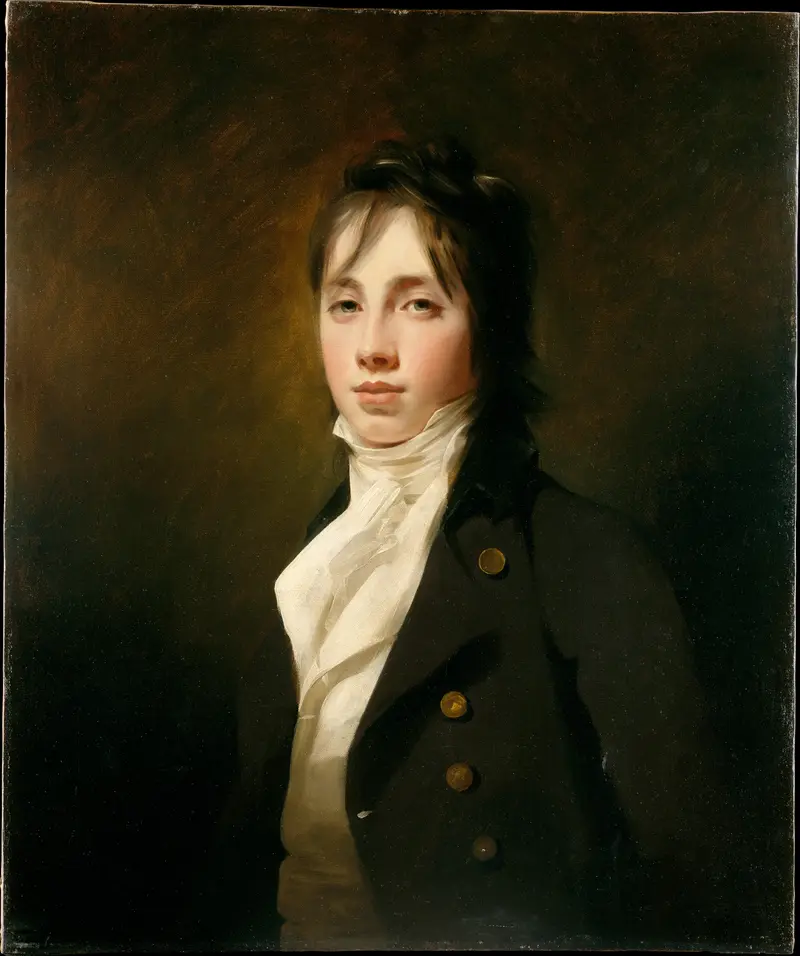
William Fraser of Reelig (1784–1835)
Sir Henry Raeburn
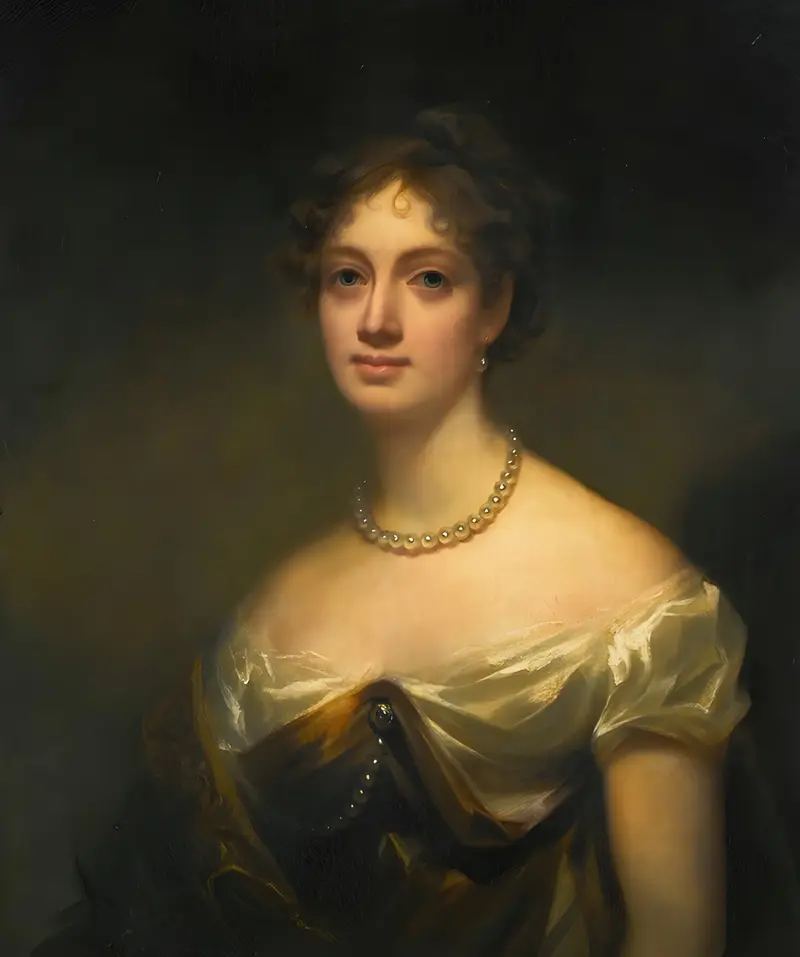
Portrait Of Anne Blair Maconochie Welwood Of Garvock, Lady Meadowbank (1784–1866)
Sir Henry Raeburn
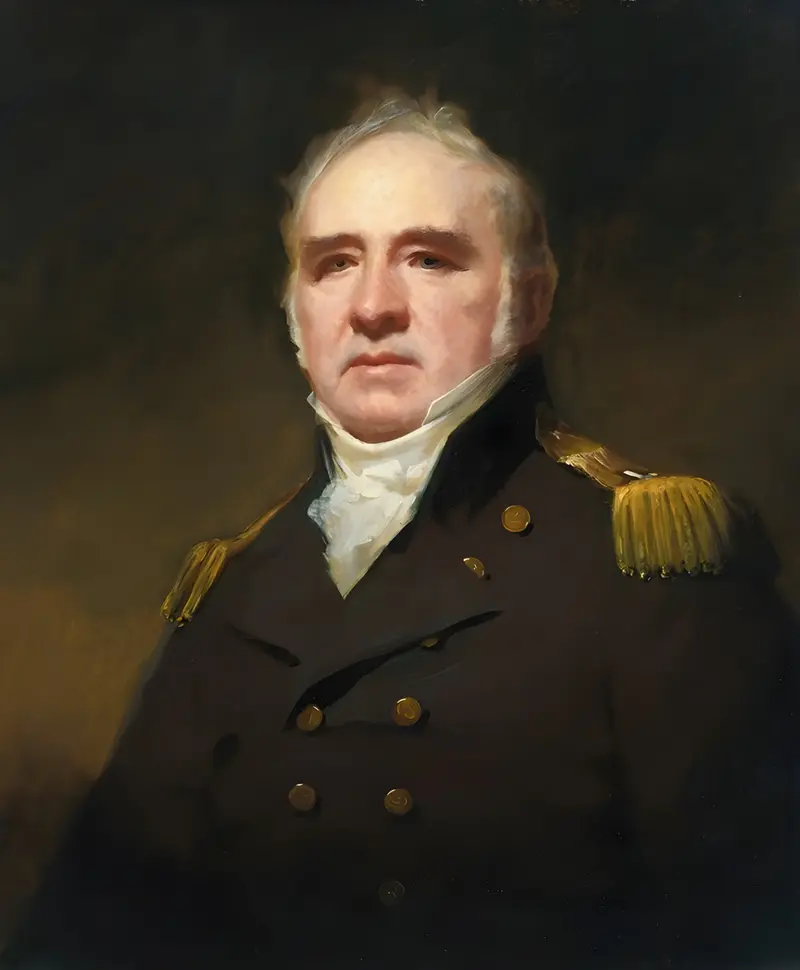
Portrait Of Captain James Forbes-Drummond, R.N., Of Hawthornden
Sir Henry Raeburn
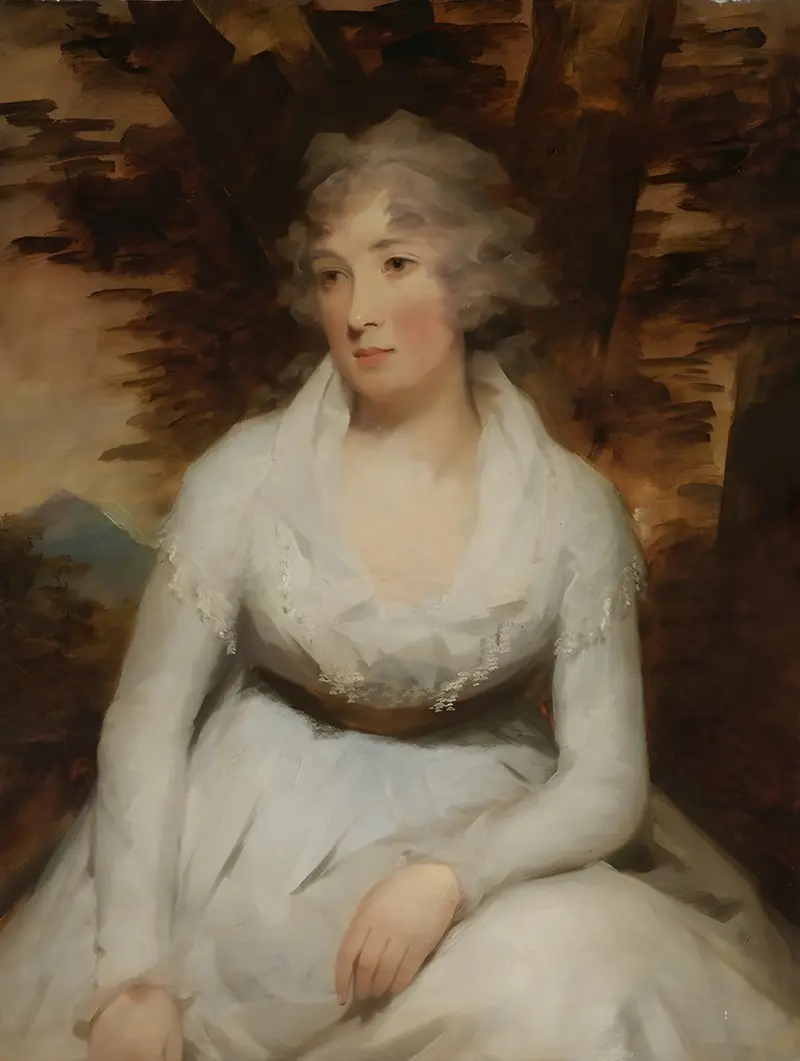
Miss Elizabeth Dalrymple (afterwards Mrs. George Leith)
Sir Henry Raeburn
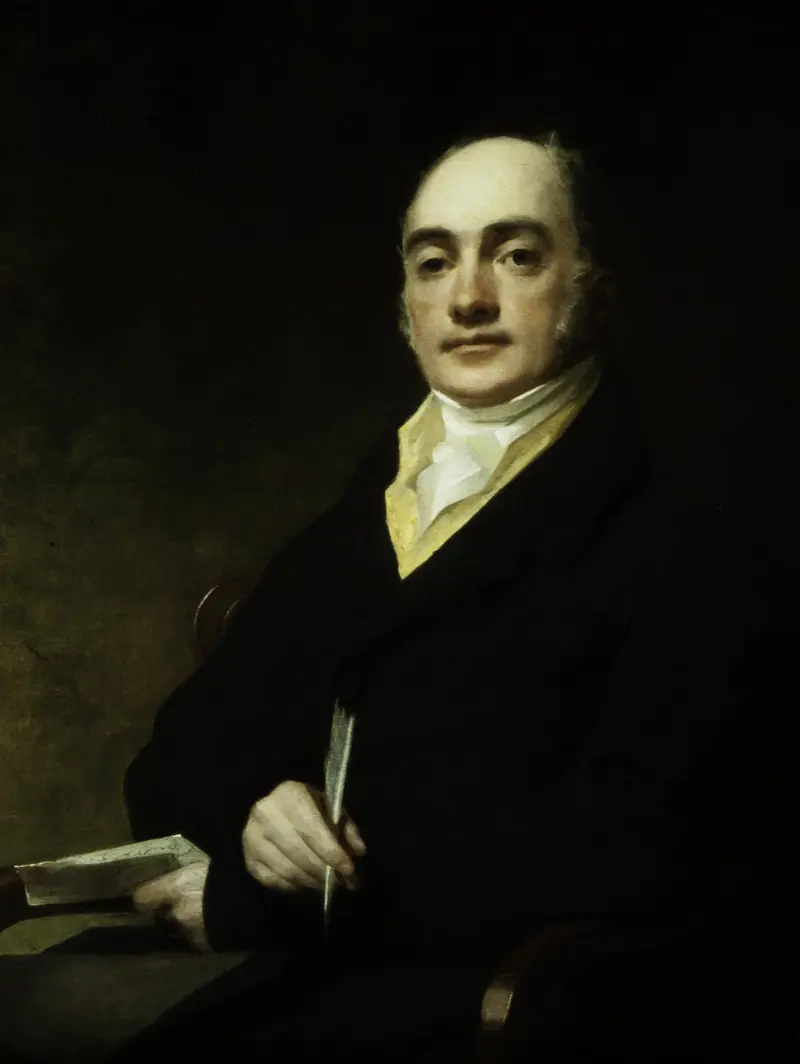
Portrait of John Baillie (1772-1833)
Sir Henry Raeburn
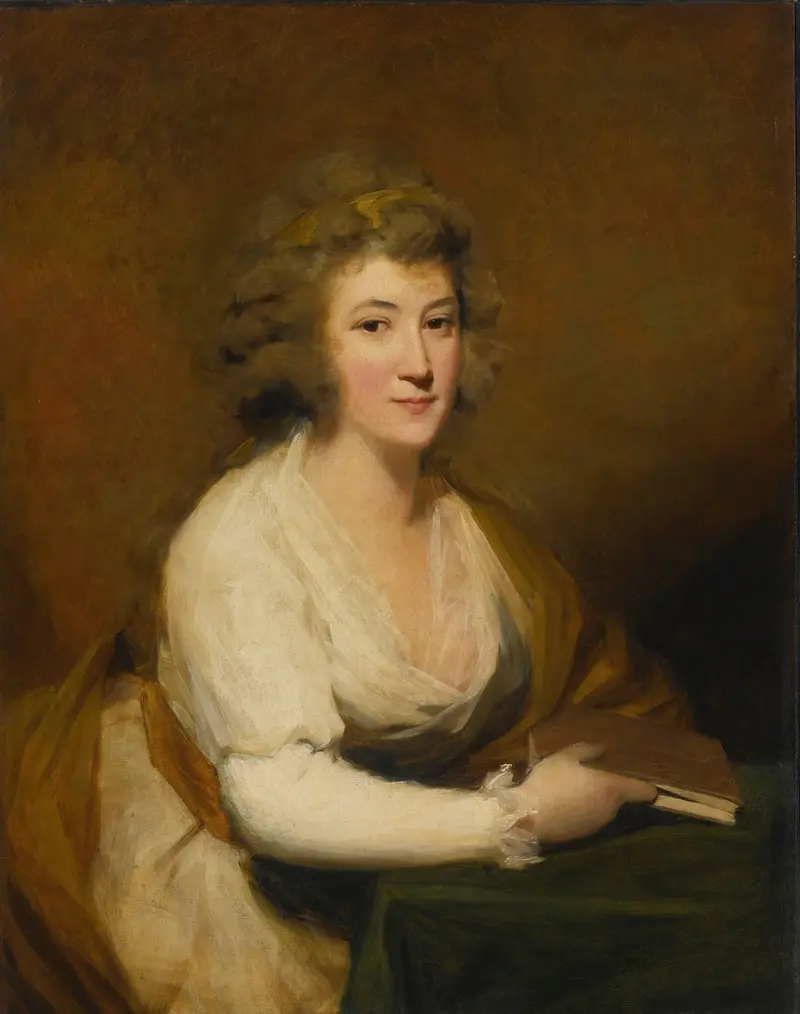
Portrait Of Lady Nasmyth, In A White Dress And Brown Shawl, Seated At A Table, Holding A Book
Sir Henry Raeburn
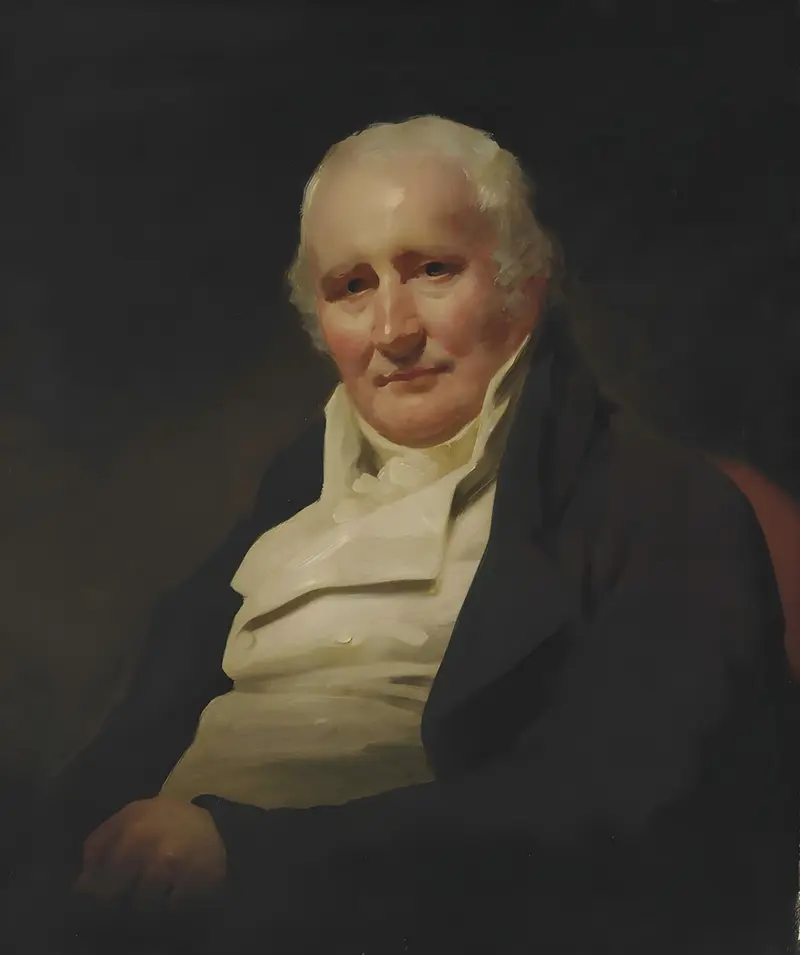
Portrait Of Mr. Spottiswood
Sir Henry Raeburn
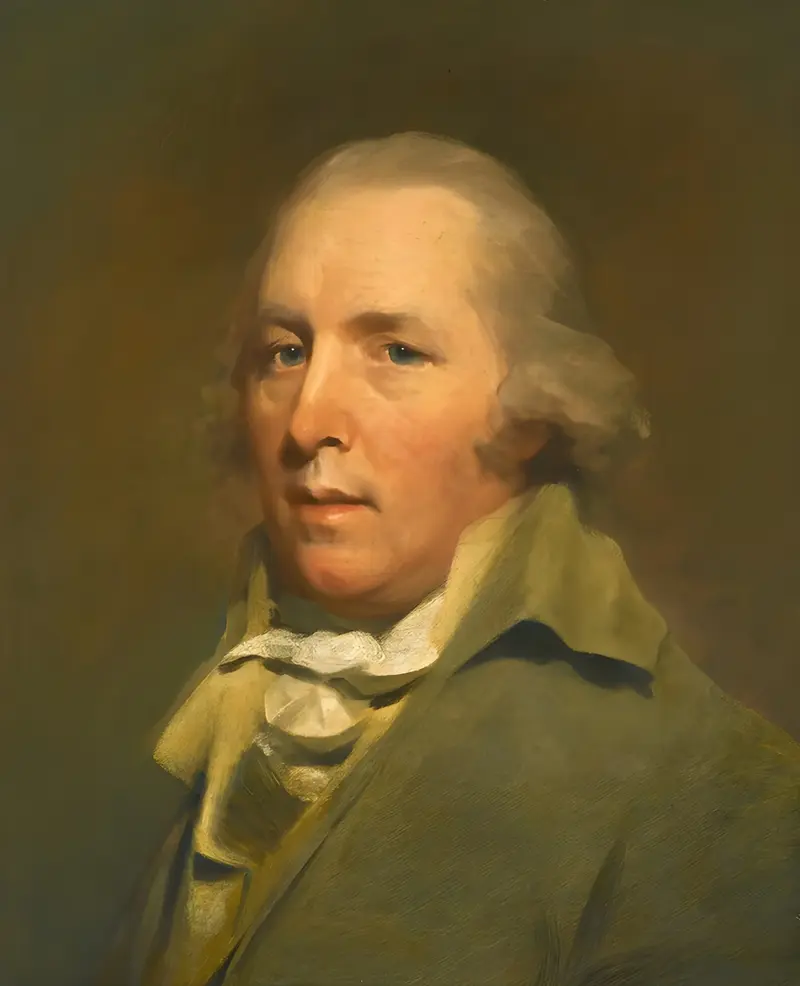
Portrait Of The Reverend John Home (1722-1808)
Sir Henry Raeburn
Portrait of William Hunt (c.1796-1854), Pittencrief House, Dunfermline
Sir Henry Raeburn





