
Lamentation over the Dead Christ — History & Facts
In the early 1430s, the Dominican friar-painter Fra Angelico was working in the heart of Florence, where his religious images were already sought after by both monastic patrons and private citizens. Among the most moving of his works from this period is Lamentation over the Dead Christ, one of several treatments of this theme by the artist, yet unique for its intimacy and emotional restraint. Unlike many contemporaries who crowded the scene with mourners, Fra Angelico chose a quieter moment, focusing on the tender gestures of those closest to Christ.
This painting is often cited as an early example of his gift for merging devotional clarity with a new sense of human feeling, a quality that Giorgio Vasari would later praise as "painting with the heart of a saint." The scene unfolds just after the Crucifixion, as Christ’s body has been removed from the cross and laid upon the ground. The Virgin Mary cradles her son’s head, her sorrow expressed not in dramatic outcry but in a gentle, almost maternal embrace, while Mary Magdalene clasps Christ’s feet in silent grief. The figures are arranged in a shallow arc, drawing the viewer’s eye toward the pale, lifeless form of Christ, whose wounds are delicately rendered.
The gold halos and luminous robes recall earlier Gothic traditions, yet the tender touch and the landscape behind hint at the coming Renaissance. Compared to Giotto’s more monumental Lamentation in the Scrovegni Chapel, Fra Angelico’s version is quieter, more inward, inviting contemplation rather than spectacle. Although the precise original location and patron of Lamentation over the Dead Christ are not documented, works of this kind were often commissioned for private devotion or for the altars of monastic communities. The painting’s medium remains uncertain, as does its early provenance, but its style and technique place it firmly in the artist’s Florentine years, before his move to the convent of San Marco.
Over centuries, Fra Angelico’s reputation has only grown, with this Lamentation admired for its blend of spiritual intensity and gentle realism. Today, it stands as a testament to the devotional art of early Renaissance Florence, and to the quiet genius of a friar who, as Vasari wrote, "never took up his brushes without first praying."
More Artworks by Fra Angelico

Condemnation of St Lawrence by the Emperor Valerian
Fra Angelico
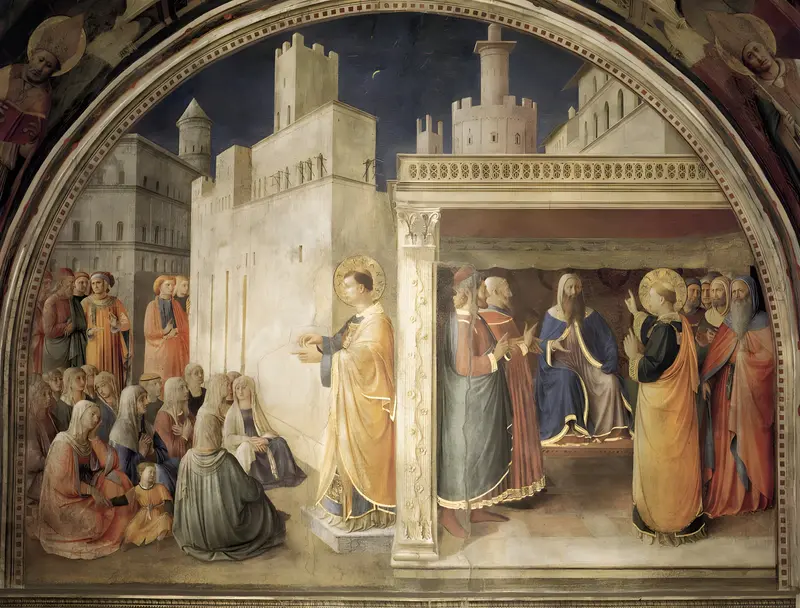
Lunette of the north wall
Fra Angelico
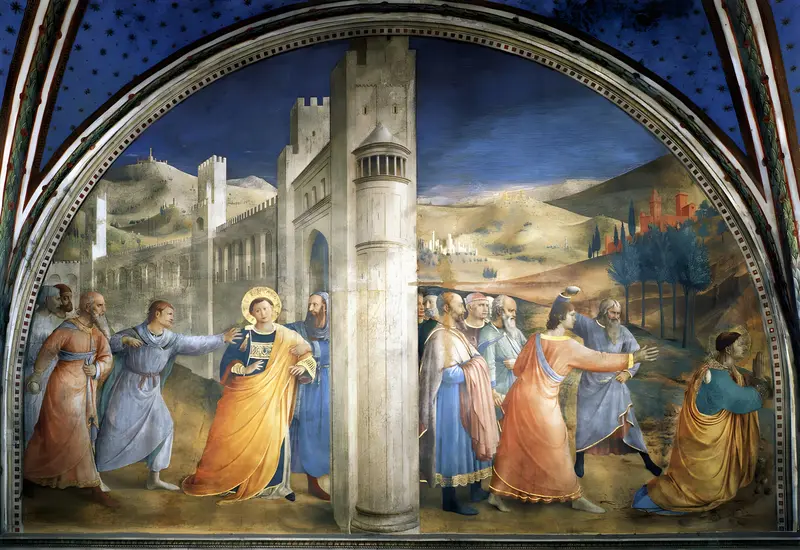
Lunette of the east wall in Niccoline Chapel
Fra Angelico
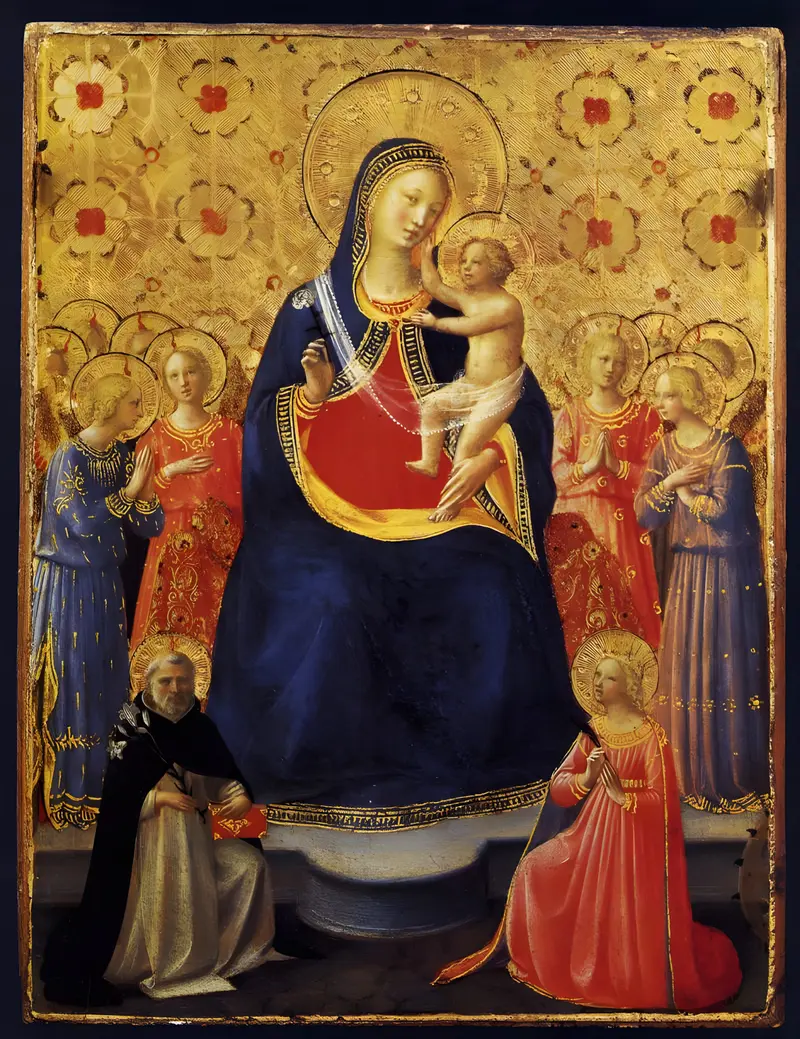
Madonna and Child Enthroned with Nine Angels and Saints Dominic and Catherine of Alexandria
Fra Angelico
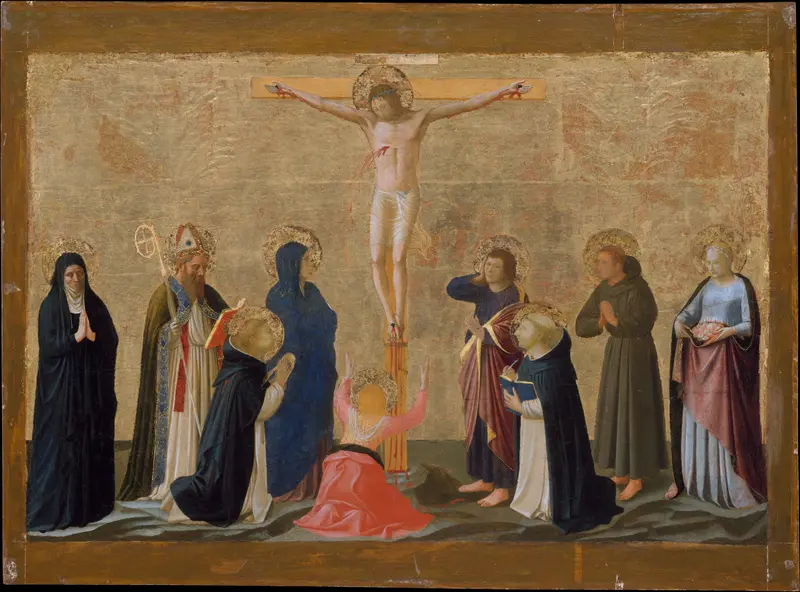
The Crucifixion
Fra Angelico
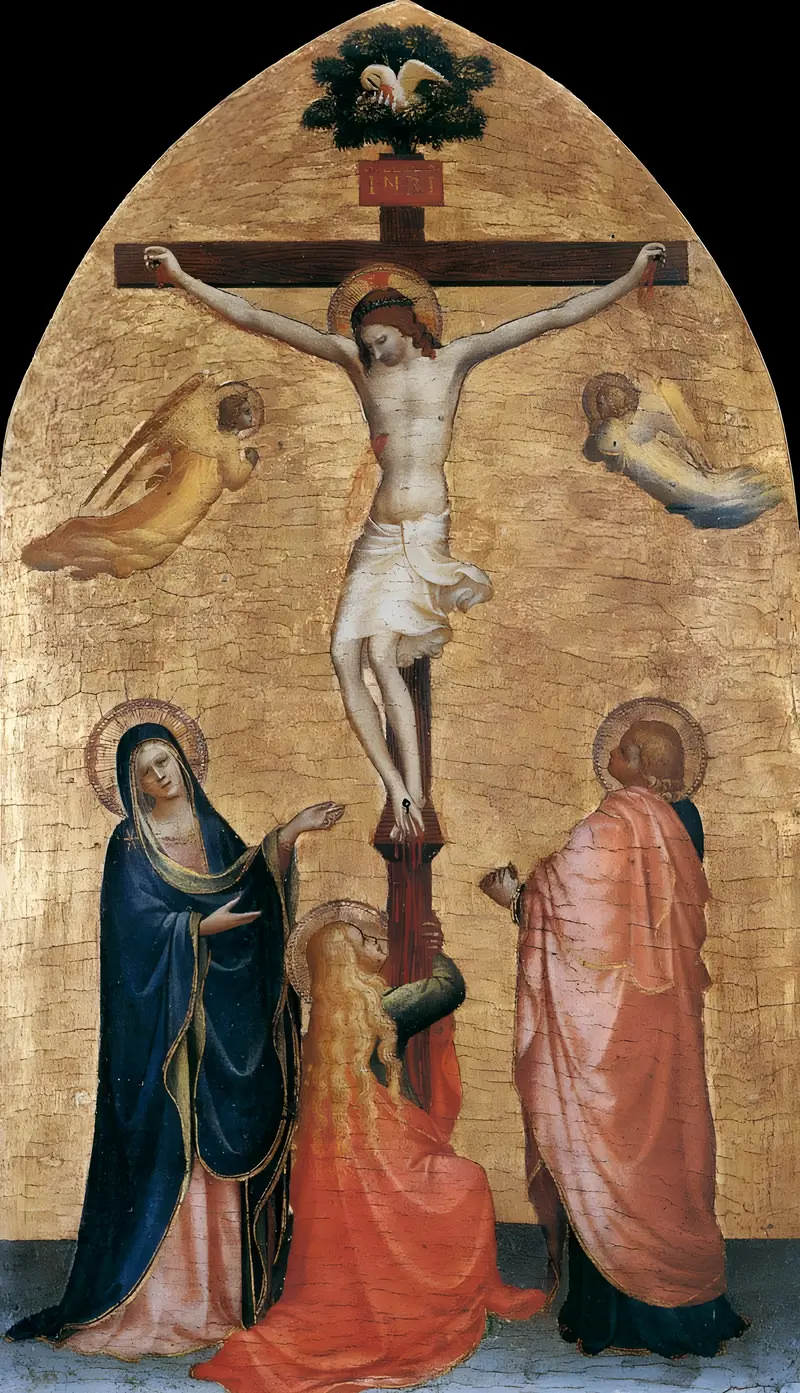
Crucifixion with the Virgin, John the Evangelist, and Mary Magdelene
Fra Angelico
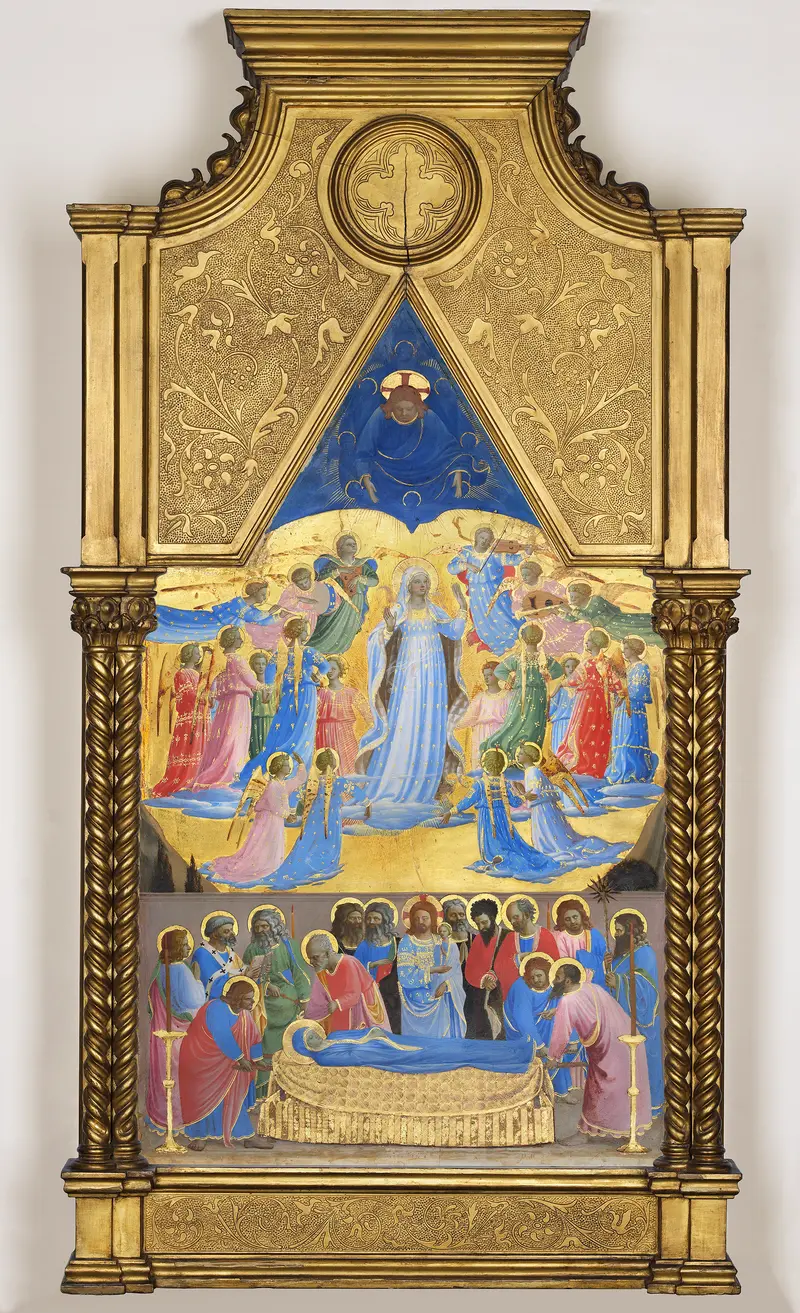
Dormition and Assumption of the Virgin
Fra Angelico
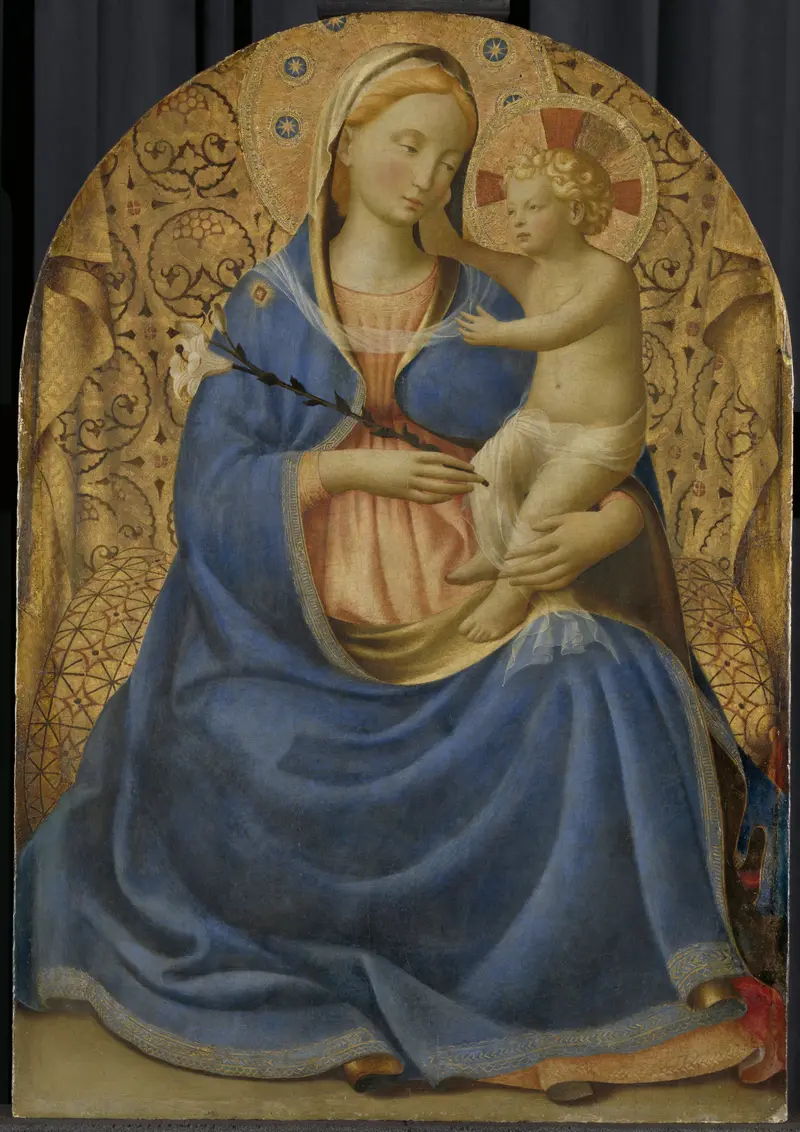
Madonna of Humility
Fra Angelico
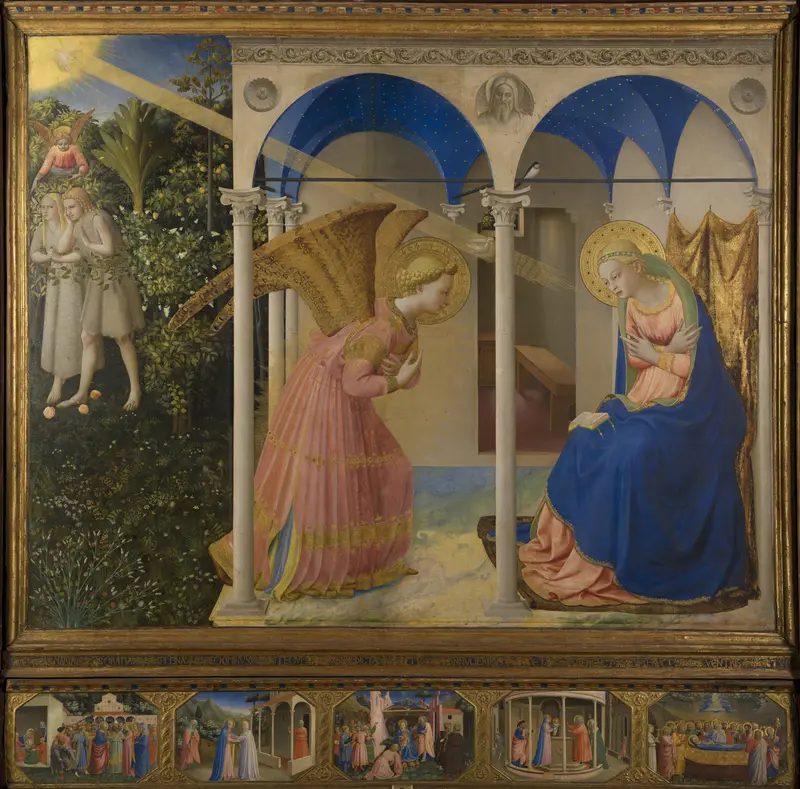
The Annunciation
Fra Angelico

Saint Anthony Abbot
Fra Angelico





