
Landscape with Hercules and Cacus — History & Facts
When Nicolas Poussin painted Landscape with Hercules and Cacus in 1660, he was near the end of his life and career, yet his fascination with myth and order remained undimmed. This work stands out as one of the last mythological landscapes he ever created, and it reimagines a tale that had already gripped the imagination of Renaissance giants like Raphael and Dosso Dossi. The painting’s provenance is still partly a mystery, but it is known that during the 17th century, such mythological scenes were highly prized by collectors eager to display their learning and taste.
Its rarity among Poussin’s late works only adds to its intrigue. The scene captures the climactic confrontation from Virgil’s Aeneid: Hercules, having completed his labor of stealing the cattle of Geryon, discovers the monstrous Cacus, who has hidden some of the herd in his cave on the Palatine Hill. Poussin chooses the moment of imminent justice—Hercules, poised with club raised, towers over the writhing, defeated Cacus. The landscape is not mere backdrop; the craggy rocks and darkened cave mouth echo the chaos of Cacus’s lair, while the ordered trees and distant light suggest the restoration of harmony.
Hercules’s lion skin and muscular form signal his heroic status, while the scattered cattle and smoke curling from the cave allude to the monster’s earlier crimes. Compared to Raphael’s more crowded and theatrical treatment, Poussin’s composition is measured, his figures integrated into a landscape that reflects the moral order being restored. The exact early history of Landscape with Hercules and Cacus is uncertain, but it likely passed through the hands of discerning French or Italian collectors before entering a public collection. As with many of Poussin’s works, attributions have occasionally shifted, but consensus now firmly credits him as the artist.
This painting exemplifies Poussin’s late style: a cool, intellectual approach to myth, where landscape and narrative are fused. Today, it stands as a testament to his enduring influence on the genre of the classical landscape, admired for its clarity and restraint. The painting’s survival into the present day ensures that Poussin’s vision of myth, order, and nature remains vividly alive.
More Artworks by Nicolas Poussin

Spring
Nicolas Poussin
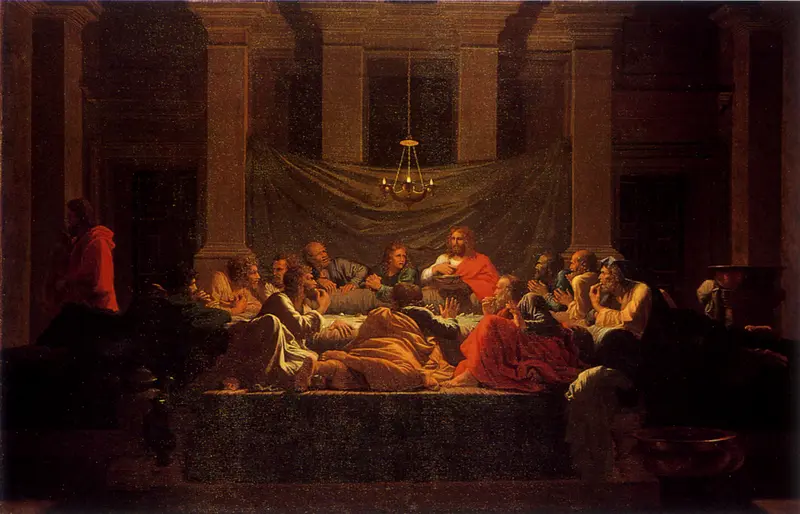
The Sacrament of the Holy Eucharist
Nicolas Poussin
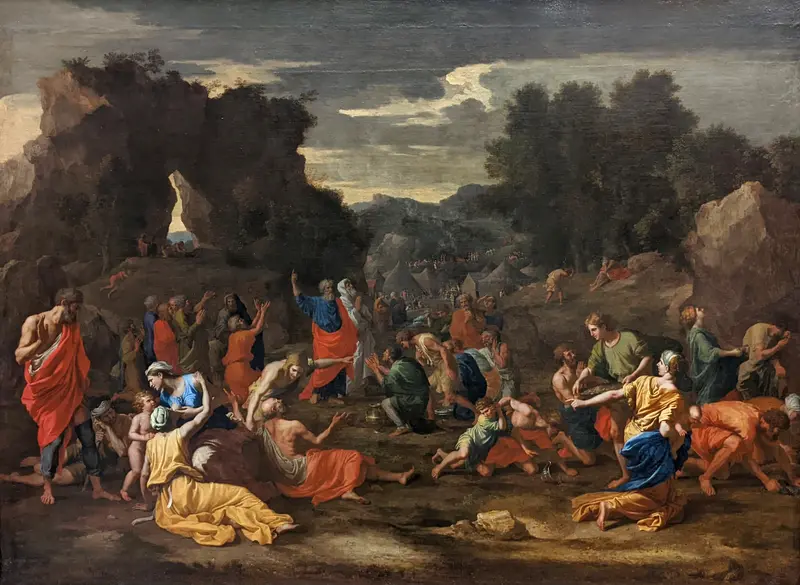
The Israelites gathering Manna in the Desert
Nicolas Poussin
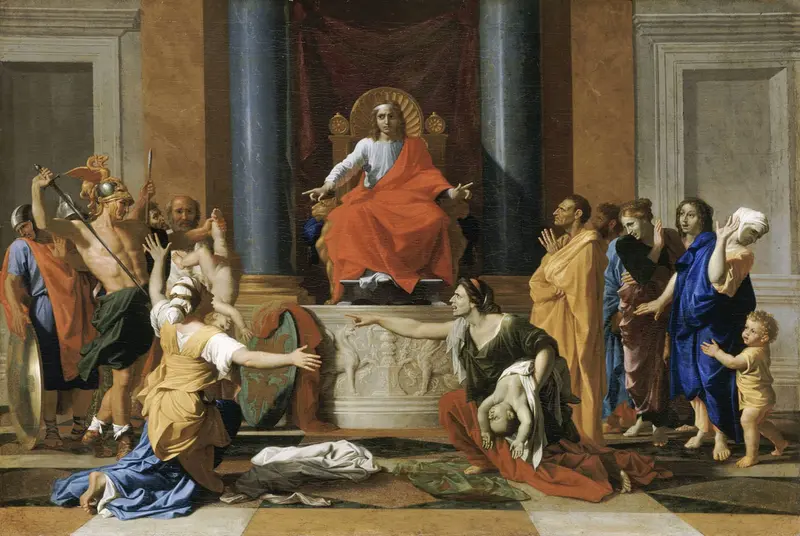
The Judgment of Solomon
Nicolas Poussin
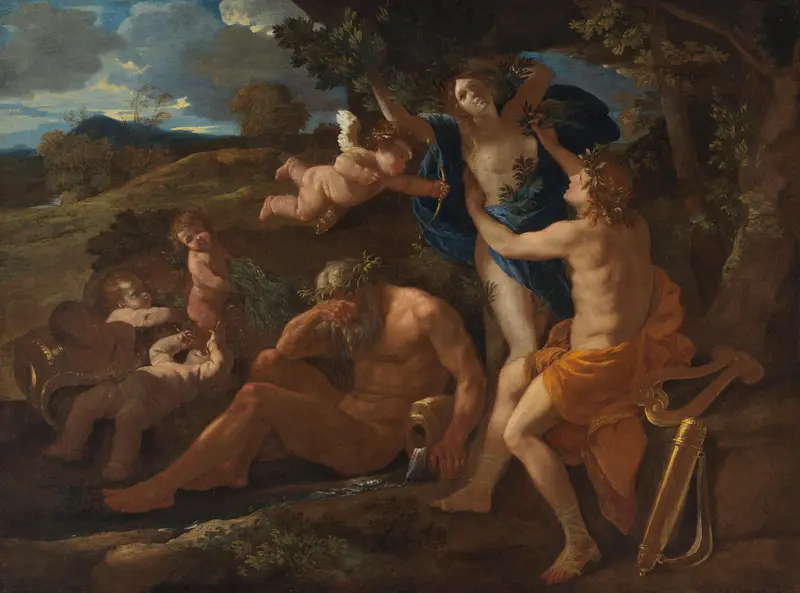
Apollo and Daphne
Nicolas Poussin

The Nurture of Jupiter
Nicolas Poussin

Ordination
Nicolas Poussin
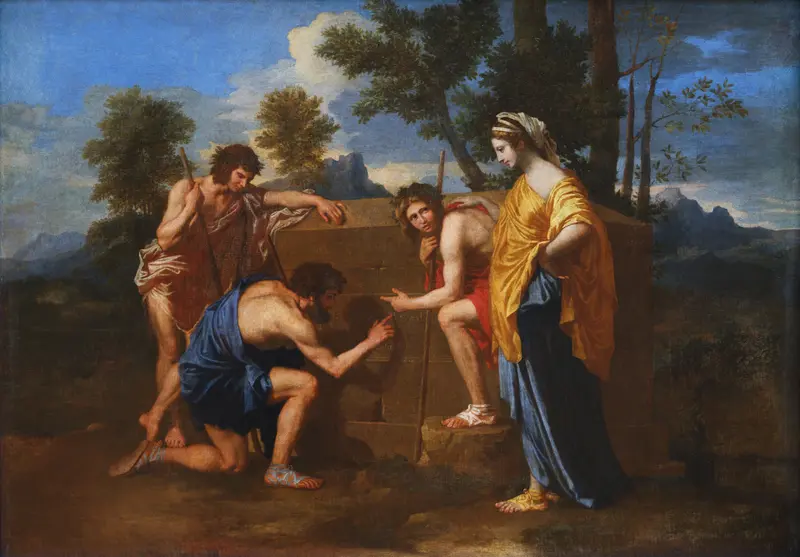
Et in Arcadia ego
Nicolas Poussin
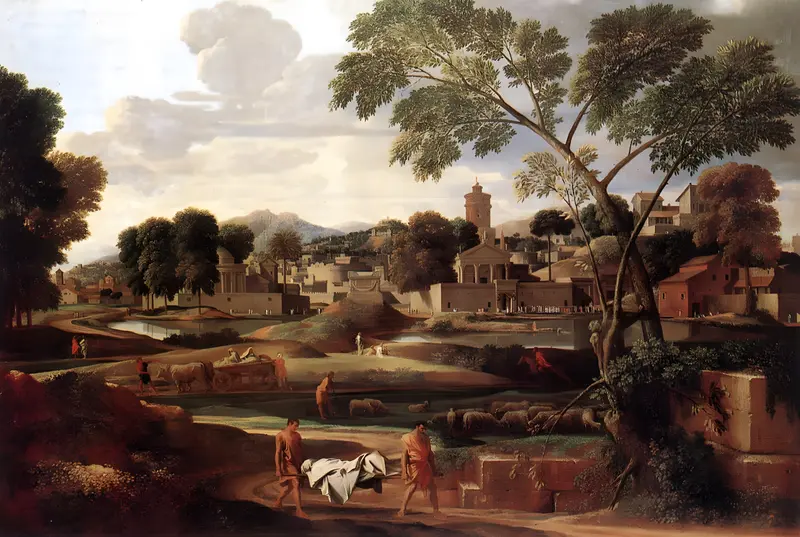
The Funeral of Phocion
Nicolas Poussin
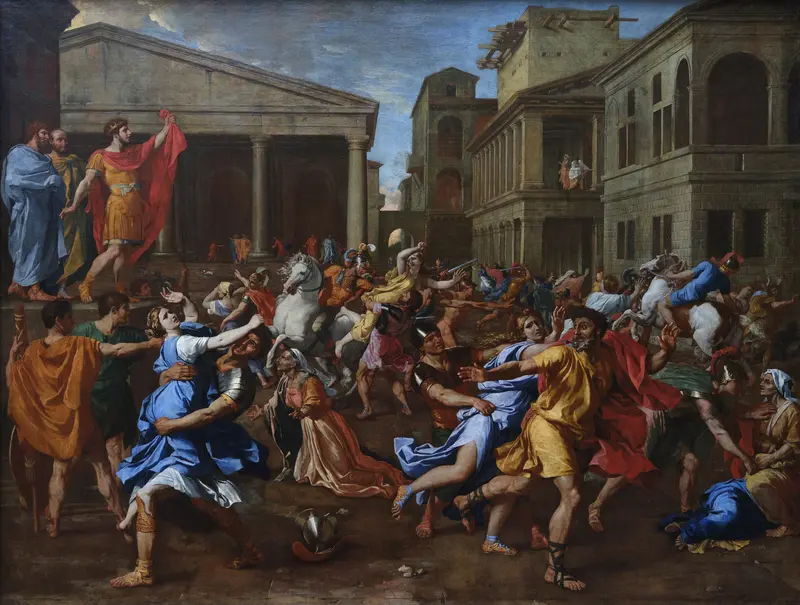
The Rape of the Sabine Women
Nicolas Poussin





