
Le carrefour Richelieu-Drouot — History & Facts
What secret hides in the quiet of the canvas? In a world brimming with noise and chaos, the stillness of a moment can reveal profound truths waiting to be uncovered. Look to the center where a bustling intersection lies beneath a wash of soft, muted colors. The gentle interplay of light and shadow captures the essence of an everyday scene, inviting the viewer's gaze to wander along the cobblestones. Notice how the light glimmers off the passing figures, their hurried movements juxtaposed against the calm, almost ethereal atmosphere that envelops the street.
The careful composition, with its lines leading toward the horizon, draws us deeper into the narrative held within each brushstroke. Yet beneath this placid exterior lies a tension—the contrast between the vibrant life of the city and the underlying solitude of the individuals traversing it. Each face tells a story of its own, hinting at the burdens and dreams that remain unvoiced. The simple act of crossing the street transforms into a metaphor for choices, chances, and the unseen connections woven between strangers.
It’s this revelation that stirs a sense of shared experience, urging us to reflect on our own lives as we navigate the crossroads of existence. In 1902, when this piece was created, the artist was immersed in the vibrant pulse of Paris, a city ripe with energy and change. It was a time when modernity began to challenge the status quo of art, and Houbron found himself at the intersection of tradition and innovation. Against this backdrop, Le carrefour Richelieu-Drouot emerges as a poignant commentary on the ever-evolving nature of urban life and the stories carried within its confines.
More Artworks by Frédéric Houbron
Browse all →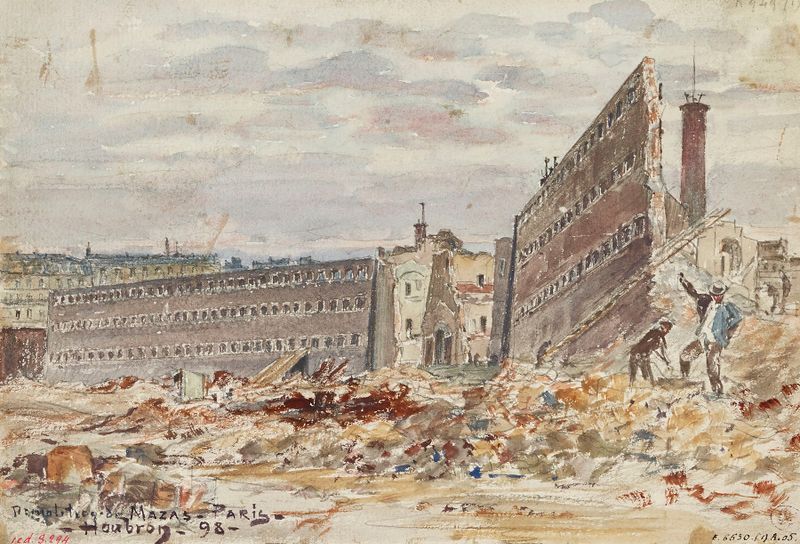
Démolition de la prison Mazas, 23, 25 boulevard Diderot (ancien boulevard Mazas)
Frédéric Houbron
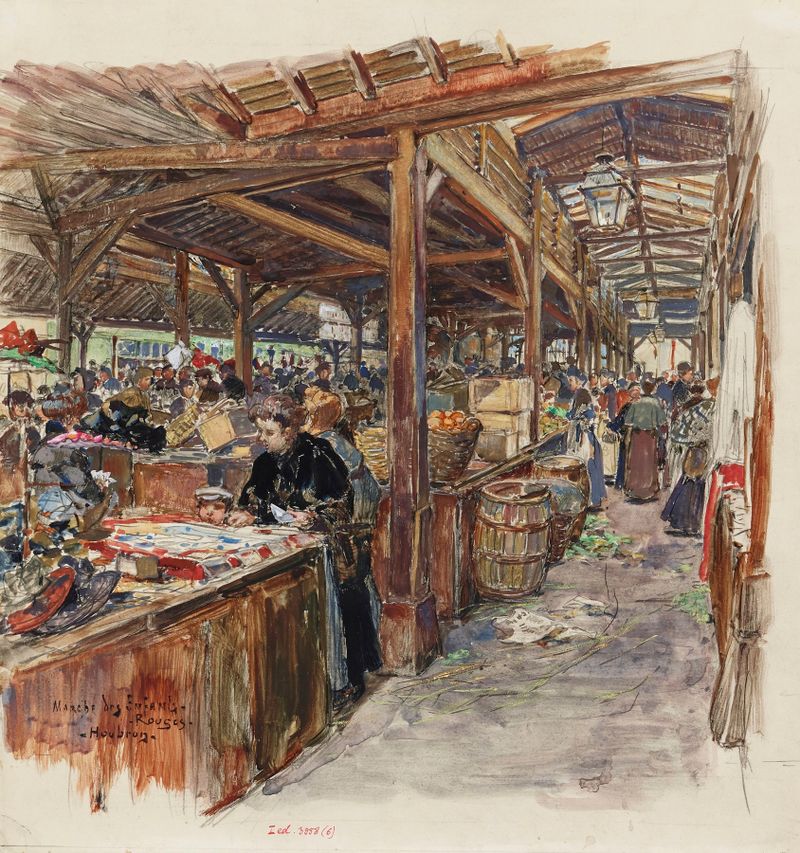
Intérieur du Marché des Enfants Rouges. 3ème arrondissement
Frédéric Houbron
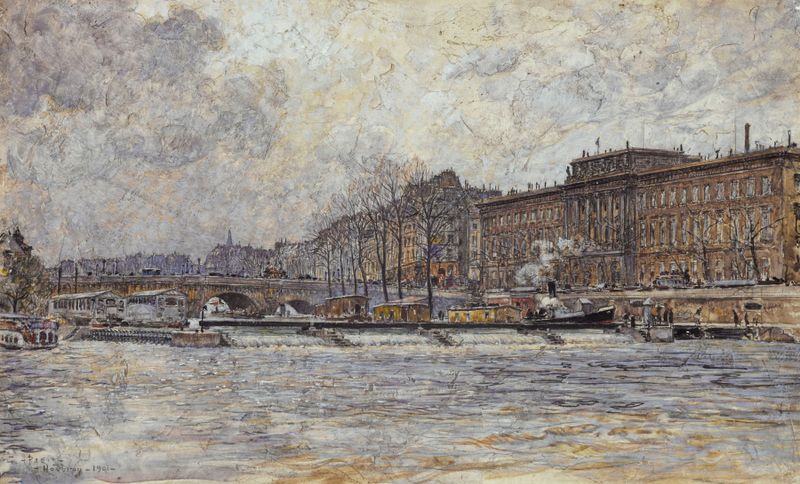
L’Hôtel de la Monnaie et le Pont-Neuf
Frédéric Houbron

Quai des Orfèvres. Paris. 1906
Frédéric Houbron
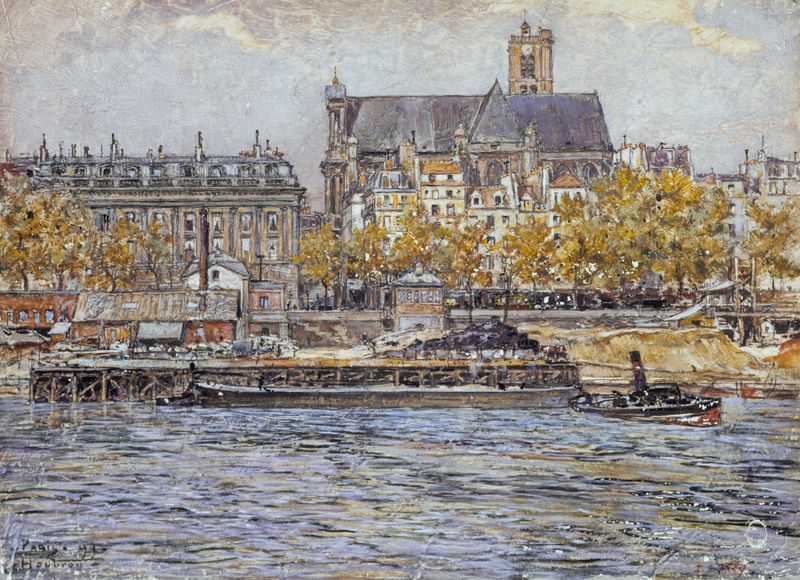
Le quai de l’Hôtel-de-Ville et l’église Saint-Gervais-Saint-Protais
Frédéric Houbron
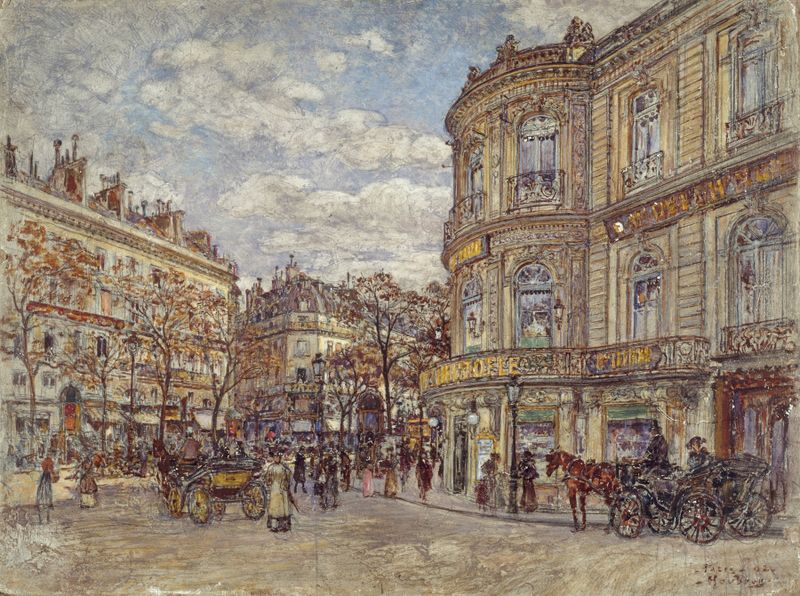
Le Pavillon de Hanovre, rue Louis-le-Grand
Frédéric Houbron

La rue du Chevalier-de-la-Barre, avec le Sacré-Cœur en construction
Frédéric Houbron
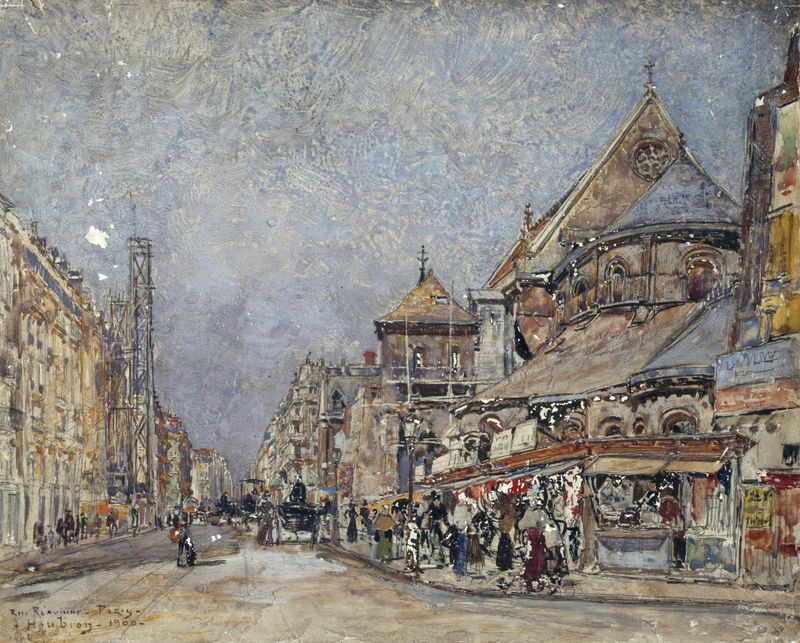
La rue Réaumur et le chevet de l’église Saint-Martin-des-Champs
Frédéric Houbron
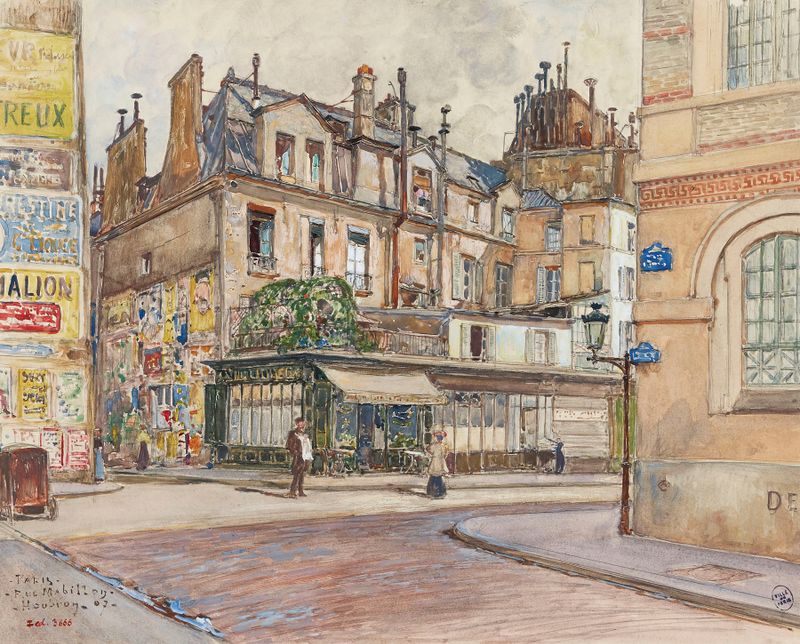
Angle rue Mabillon et rue Clément, en 1907. 5ème et 6ème arrondissements
Frédéric Houbron
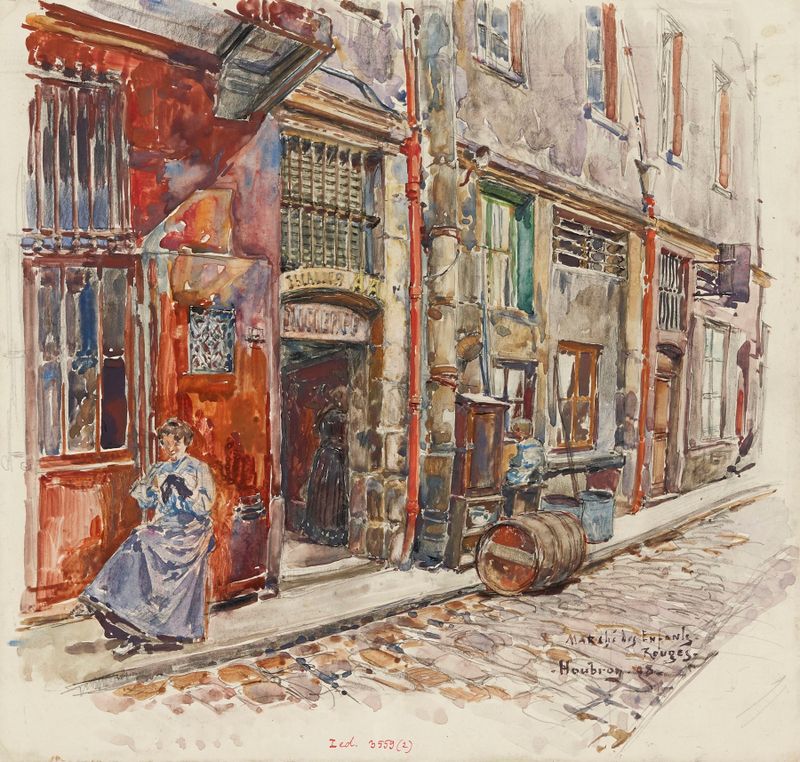
Entrée escalier A du Marché des Enfants-Rouges, en 1908. 3ème arrondissement
Frédéric Houbron





