
Le Pêcheur à la Ligne — History & Facts
In the quietude between life and death, the act of fishing becomes a poignant meditation on mortality. Time seems to suspend, as the angler stands at the water’s edge, cradling both his line and the weight of existence itself. Focus on the figure in the foreground, anchored in deliberate motion. The soft, muted palette reflects the unhurried essence of the scene—grays and greens blend harmoniously, evoking the serenity of the natural world.
Notice how the light dances on the water’s surface, illuminating the fleeting moments captured in this stillness. The gentle ripples contrast with the solid presence of the fisherman, conveying a sense of both action and stillness, life and contemplation. Beneath the surface lies an intricate interplay of hope and despair. The solitary figure, seemingly at peace, embodies the universal quest for connection and meaning in a transient world.
The fishing line, taut yet fragile, serves as a metaphor for the delicate balance of existence, tethering aspirations to the depths of reality. It poses an unspoken question: what do we catch in the end, and what remains ungrasped? During this period, the artist was exploring themes of existentialism and reflection, with the painting likely completed between 1857 and 1911. Legros, inspired by the changing dynamics of French art and society, found himself immersed in the depths of realism, where he sought to convey the essence of human experience through the lens of nature and solitude.
This composition encapsulates a moment that resonates deeply with the viewer, evoking timeless contemplation on life’s finitude.
More Artworks by Alphonse Legros
Browse all →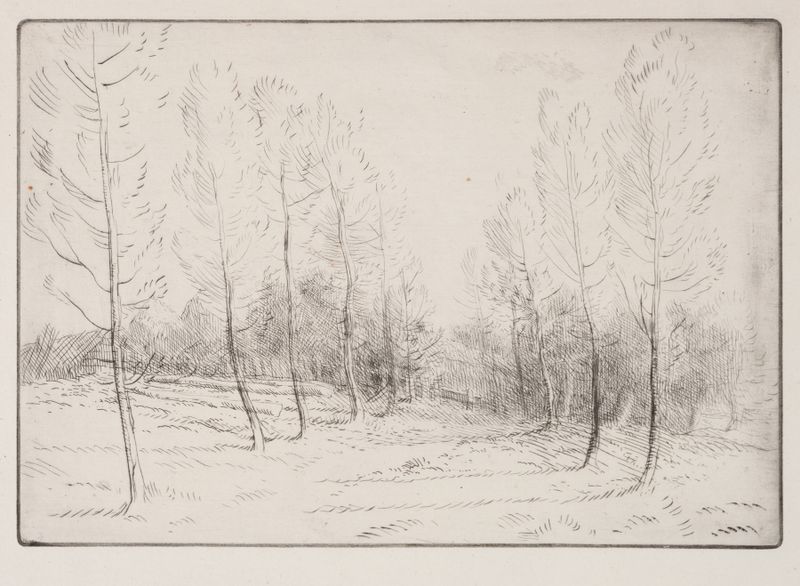
Avenue of Poplars
Alphonse Legros
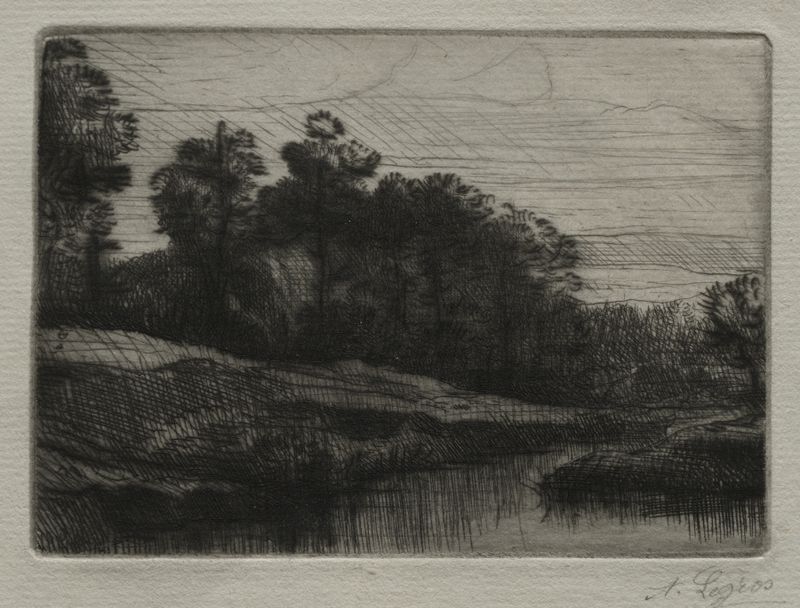
Evening
Alphonse Legros

The Fish in the Hoop Net
Alphonse Legros

The Little Beggar
Alphonse Legros
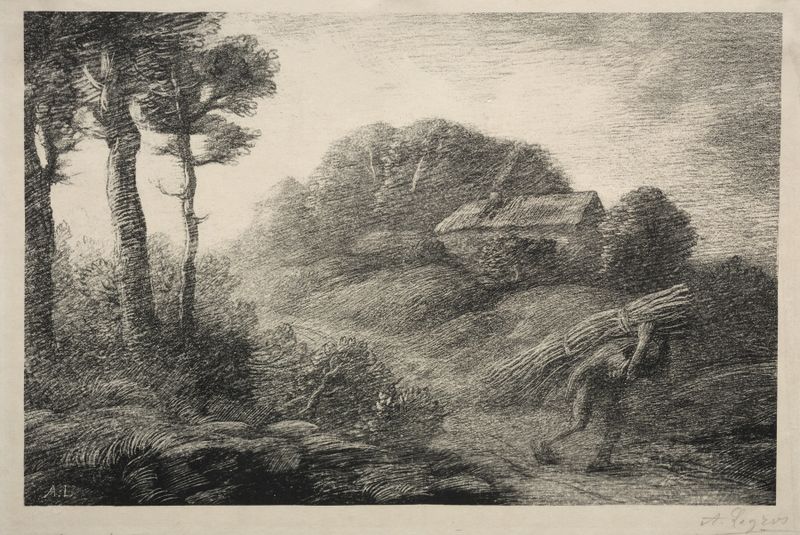
The Return of the Fagot Gatherer
Alphonse Legros

Storm
Alphonse Legros
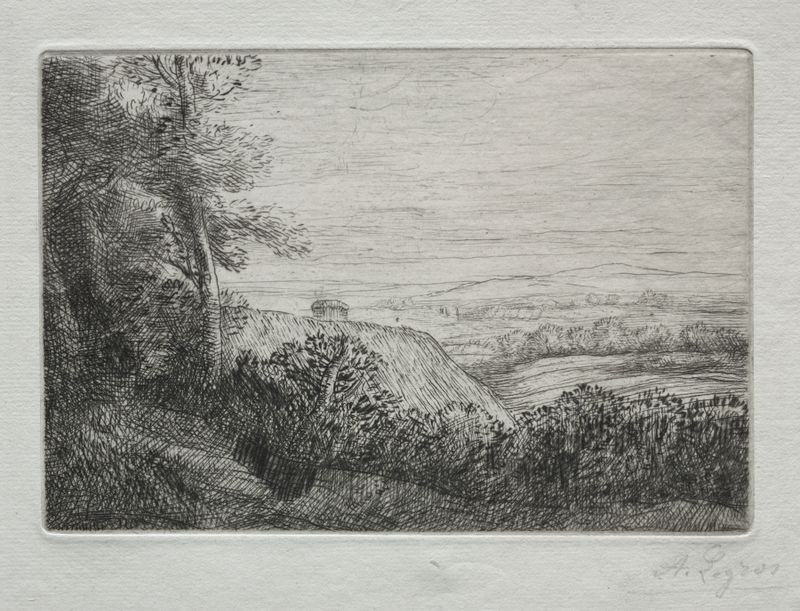
Les dernière Rayons de Soleil
Alphonse Legros
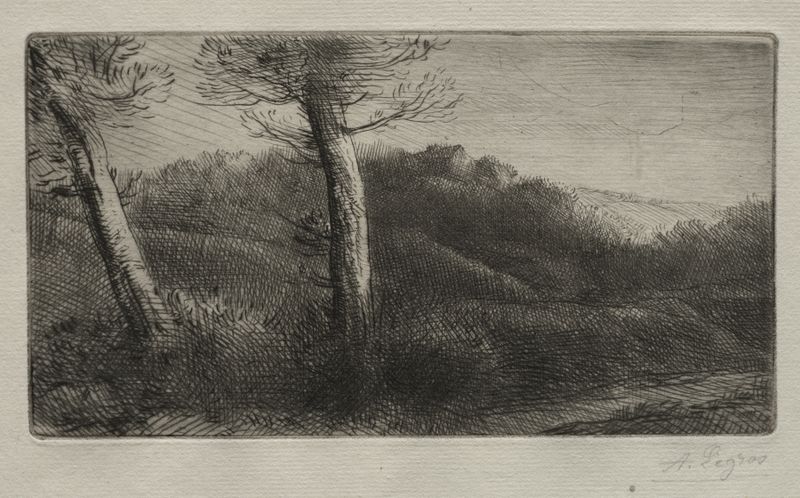
The Traveler Stretched out on the Grass
Alphonse Legros
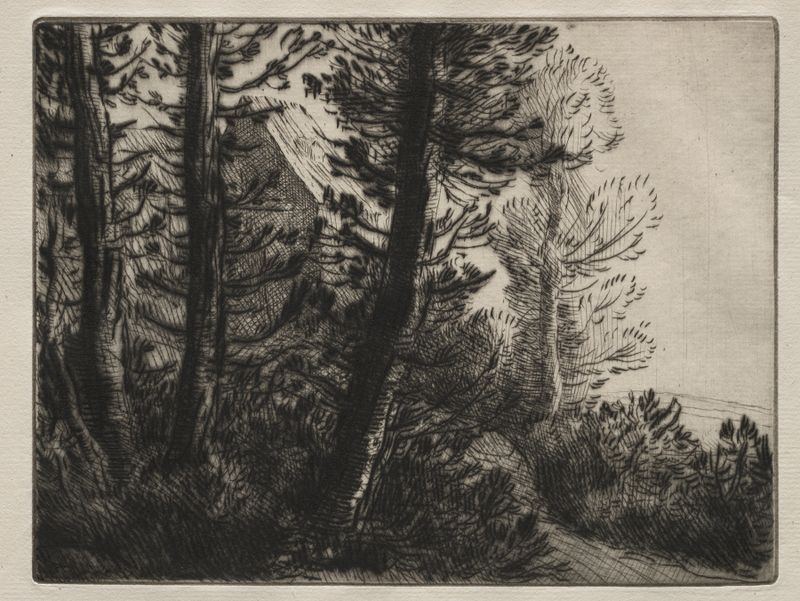
Guard House
Alphonse Legros

Death of a Vagabond
Alphonse Legros





