Leaves and Flowers from Nature No. 8 — History & Facts
What first catches the eye in Leaves and Flowers from Nature No. 8 is the almost rhythmic arrangement of blossoms and leaves, each form isolated yet harmoniously balanced on a field of gentle yellow. The page becomes a garden of order, where each botanical specimen is rendered with a clarity that invites close inspection.
The iris, bold and velvety, commands the center, while the daffodil and honeysuckle radiate outward, their petals and stems carefully labeled and composed. The chromolithograph technique gives every flower a crispness and vibrancy, the colors chosen not for realism alone but for their ability to guide the viewer’s gaze from one species to the next. Here, the visual language is one of taxonomy, but also of delight—a celebration of nature’s forms distilled into a page that feels both scientific and decorative. This work belongs to a world where art and science often walked hand in hand, especially in the mid-19th century, when illustrated botanical books were prized by scholars, designers, and curious amateurs alike.
Owen Jones, best known for his design treatise The Grammar of Ornament, brought a designer’s eye to natural forms, translating the complexity of real plants into stylized motifs that could inspire everything from wallpaper to architecture. Published in London, this 1910 edition preserves that Victorian fascination with cataloguing and understanding the world through images. Such chromolithographs were not only educational tools but also objects of beauty, bridging the gap between the study and the drawing room.
The page invites us to linger, to compare, and to imagine how these forms might live again in the patterns of everyday life.
More Artworks by Owen Jones

Greek Ornament No. 1
Owen Jones
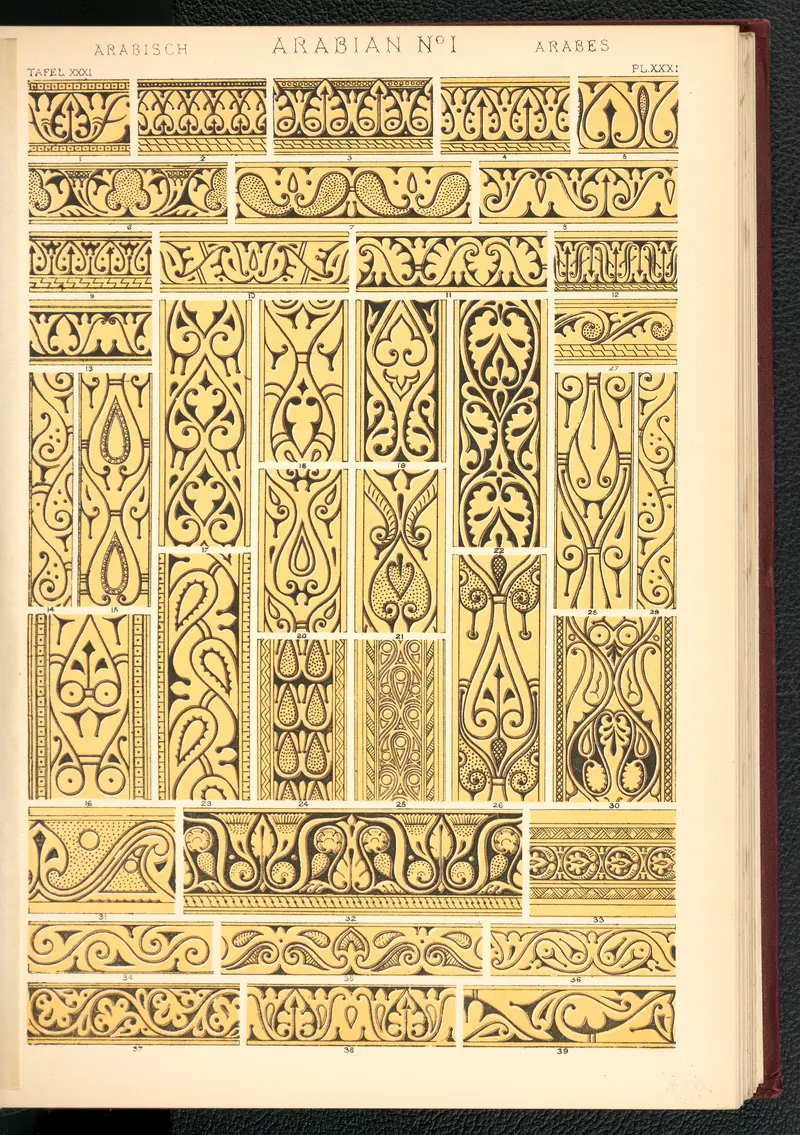
Arabian Ornament No. 1
Owen Jones
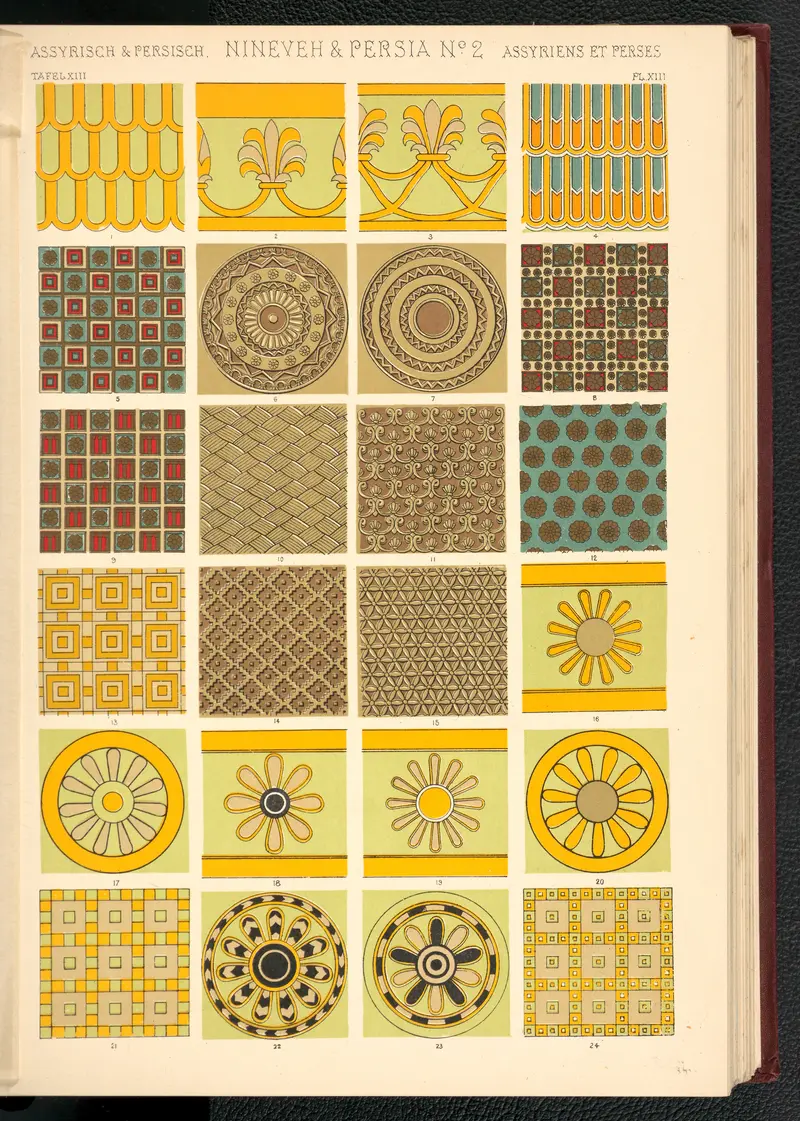
Assyrian Ornament No. 2
Owen Jones

Egyptian Ornament No. 3
Owen Jones
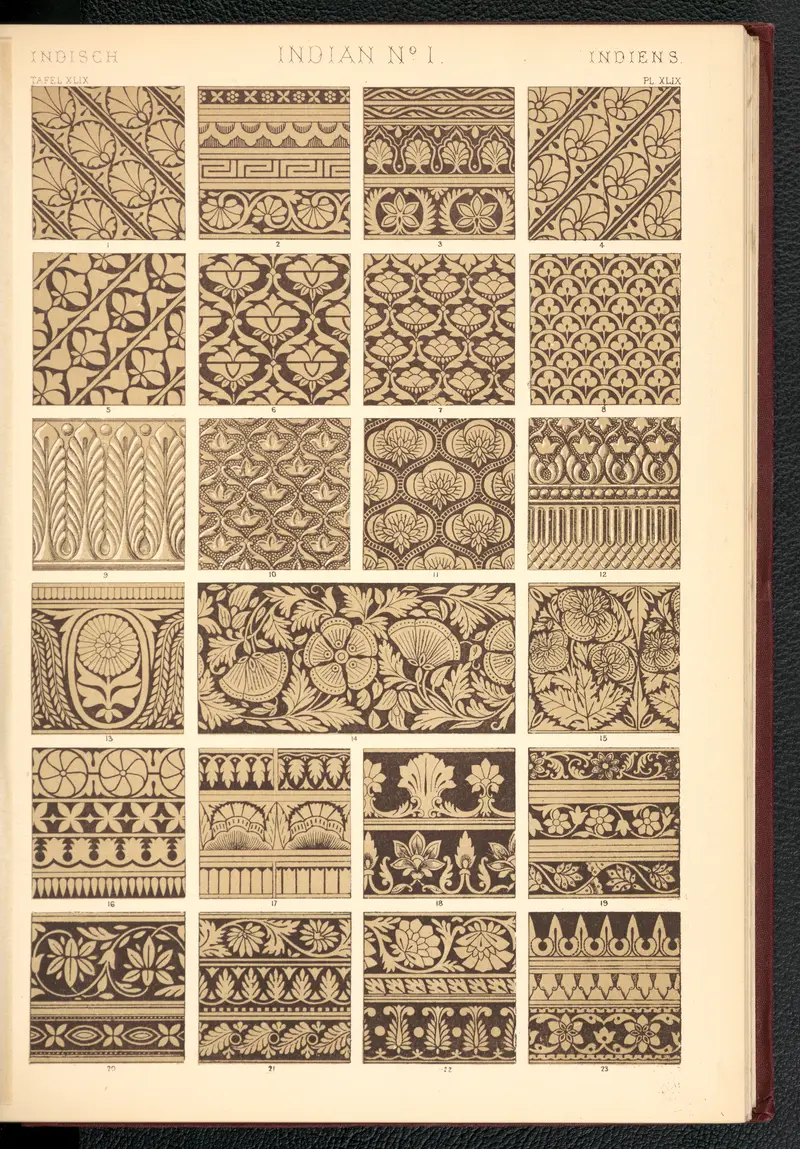
Indian Ornament No. 1
Owen Jones
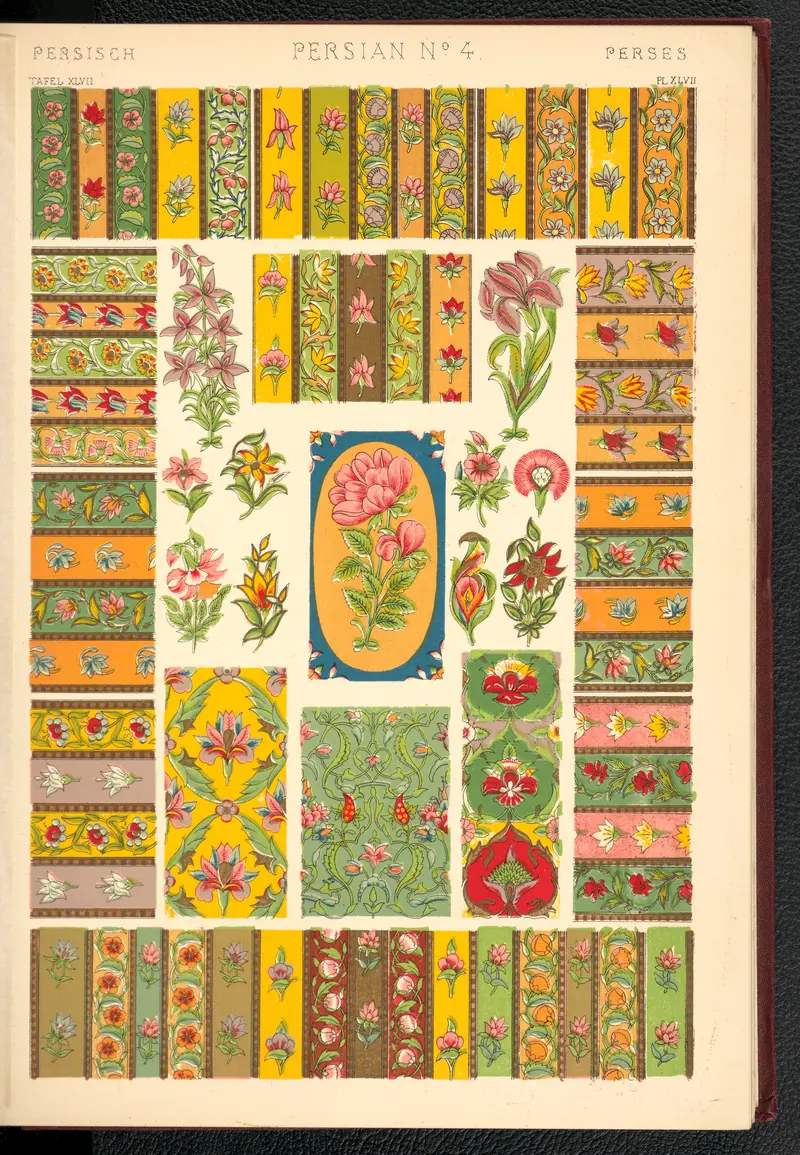
Persian Ornament No. 4
Owen Jones
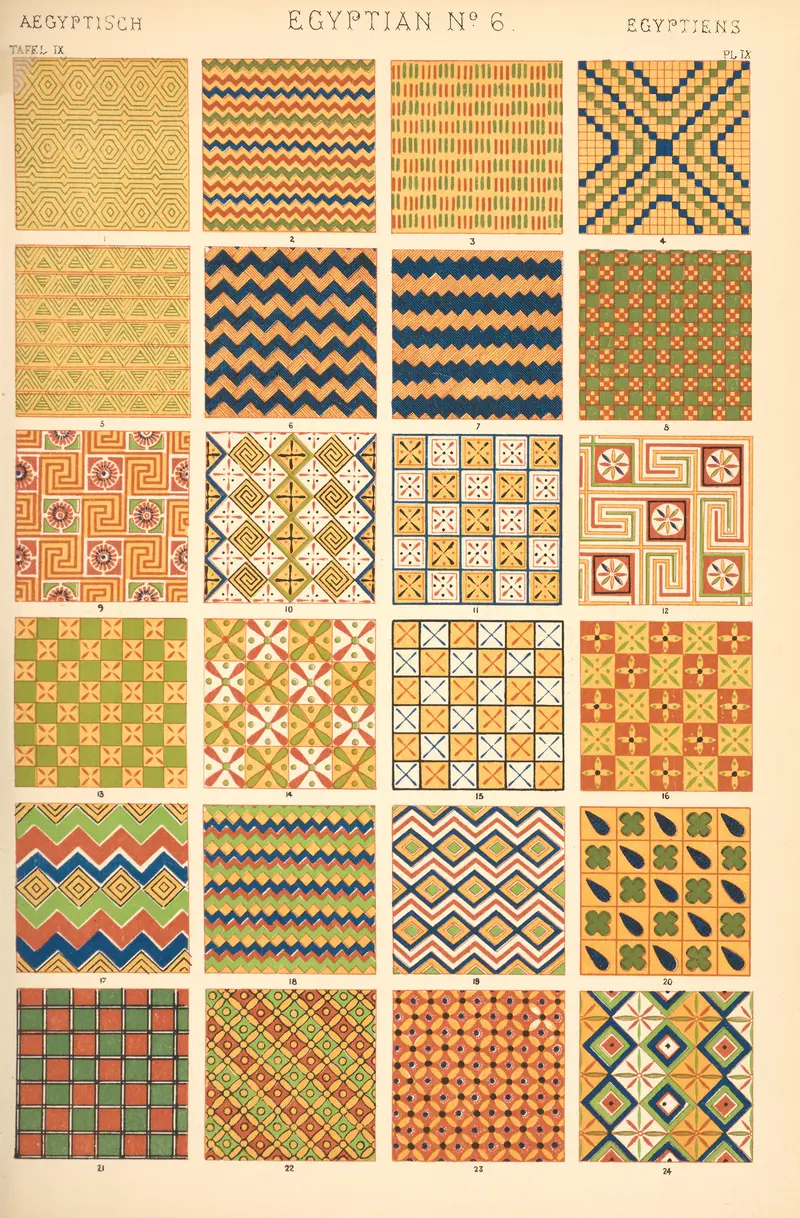
Egyptian Ornament No. 6
Owen Jones
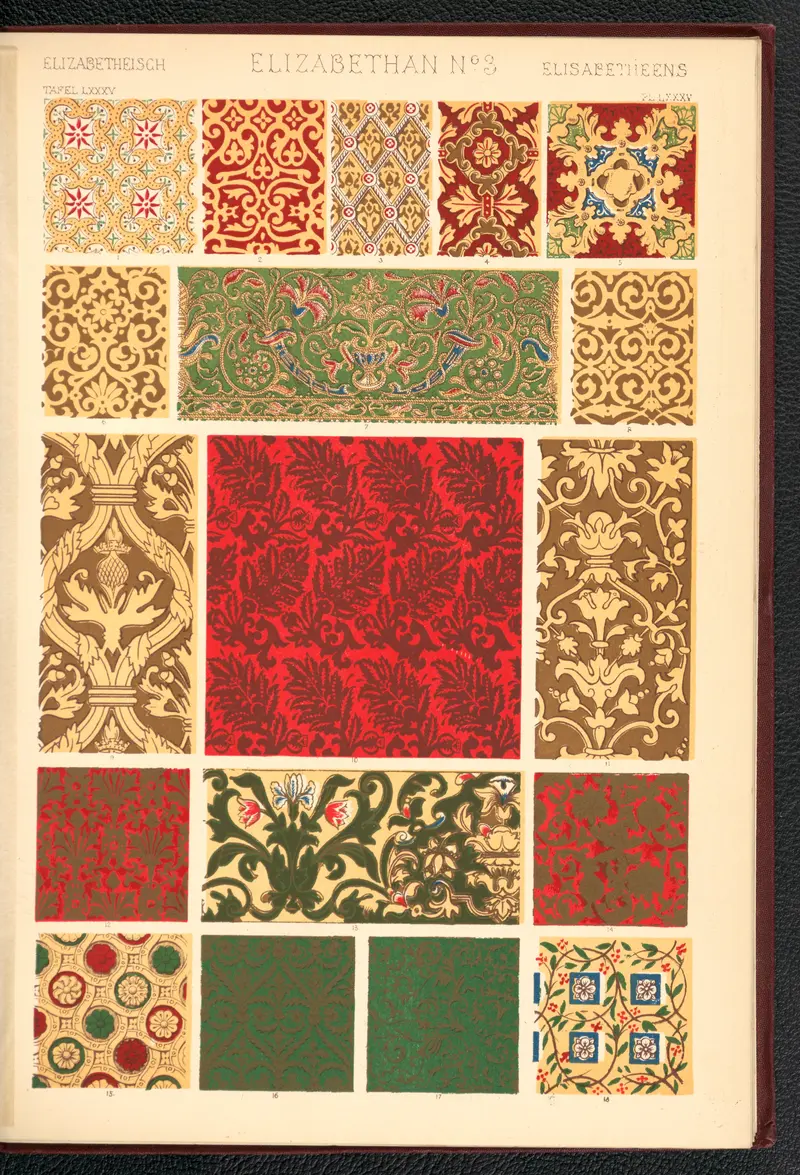
Elizabethan Ornament No. 3
Owen Jones
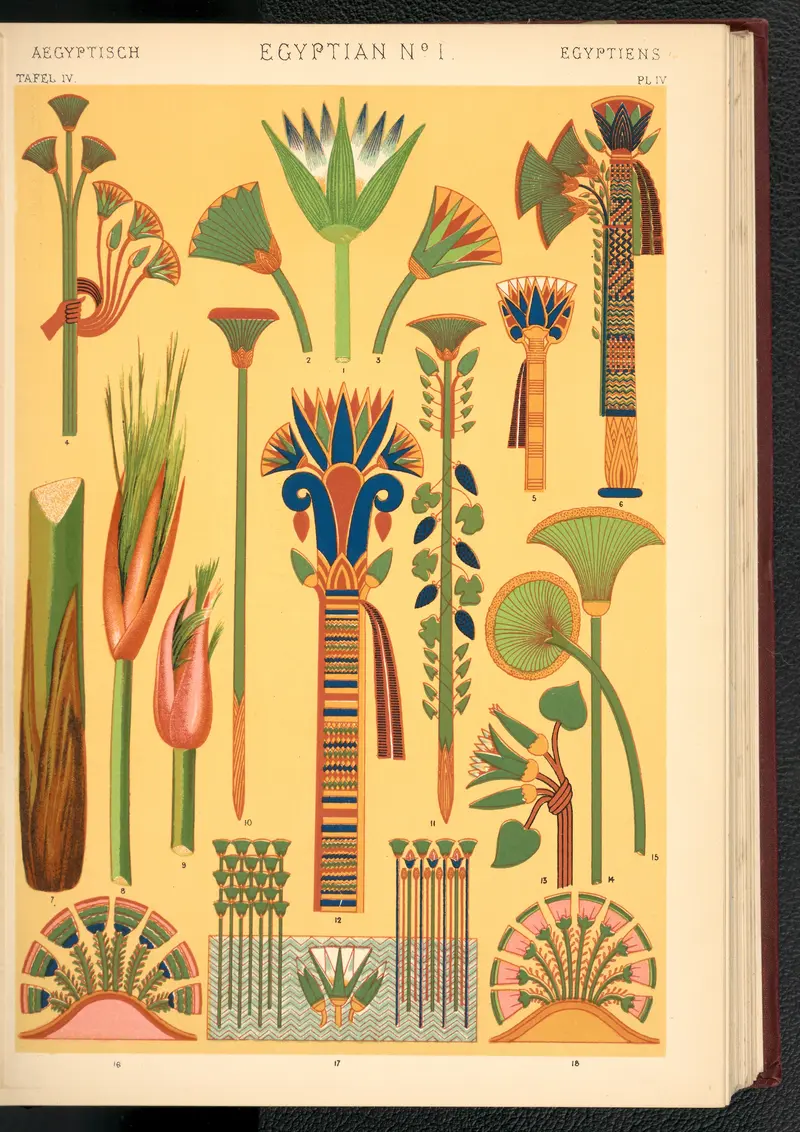
Egyptian Ornament No. 1
Owen Jones
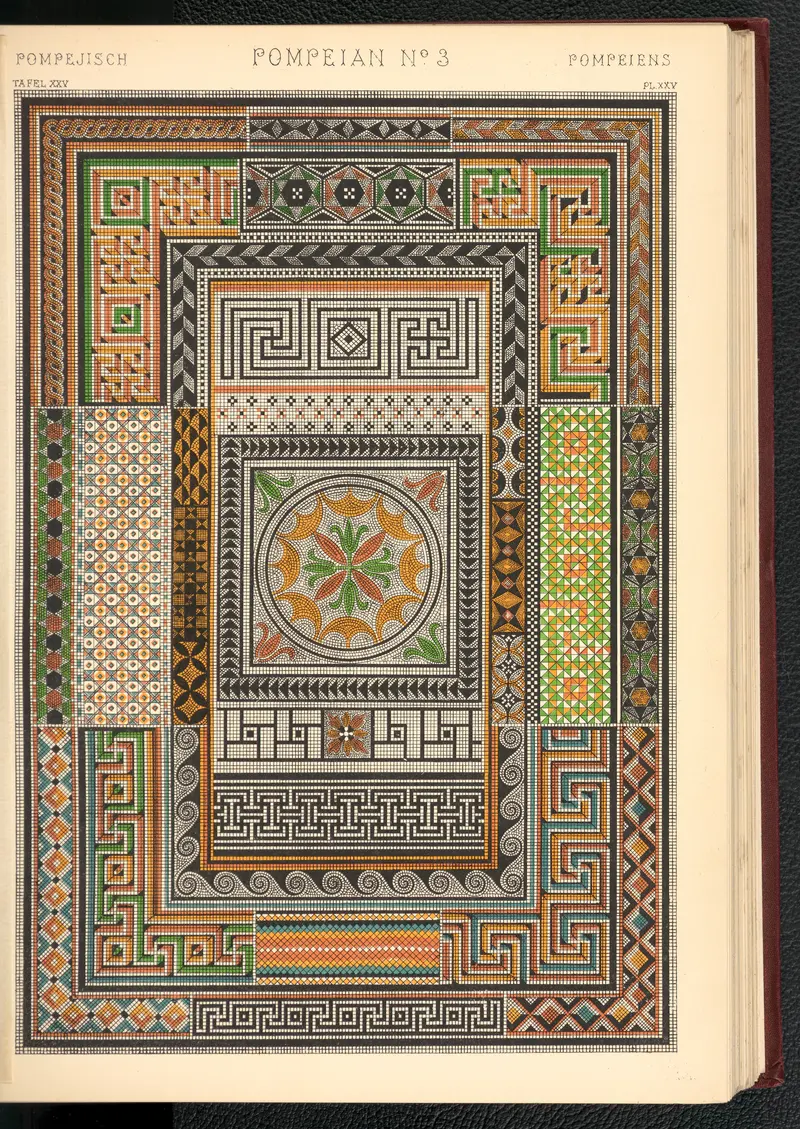
Pompeian Ornament No. 3
Owen Jones