
Les Fumeurs — History & Facts
The first thing that seizes the eye in Les Fumeurs is the billowing, almost sculptural clouds of smoke, which carve their own space through the fractured geometry of the scene. Faces and hands emerge at odd angles, their forms broken into planes, yet unmistakably locked in the ritual of smoking. Léger’s palette is subdued but punctuated by flashes of red and green, guiding the viewer’s gaze from the clustered figures to the angular rooftops and trees beyond.
The smoke itself becomes a central character—soft, luminous, and oddly weighty—blurring the boundary between the human and the architectural, the animate and the constructed. Here, the act of smoking is less a moment of leisure than a visual engine, driving the painting’s rhythm and structure. Painted in 1911, Les Fumeurs belongs to the early years of Cubism, when artists like Fernand Léger were reimagining how to represent modern life. In this period, painters sought to capture the energy and fragmentation of the new century, breaking down forms to reveal their inner architecture.
Léger’s approach stands apart for its mechanical precision and fascination with everyday rituals—here, the simple act of sharing a smoke becomes a study in form and motion. Now housed in the Solomon R. Guggenheim Museum, this work invites us to linger, to trace the shifting boundaries between figure and ground, and to imagine the hum of conversation swirling with the smoke.
More Artworks by Fernand Léger

The Tugboat Bridge
Fernand Léger
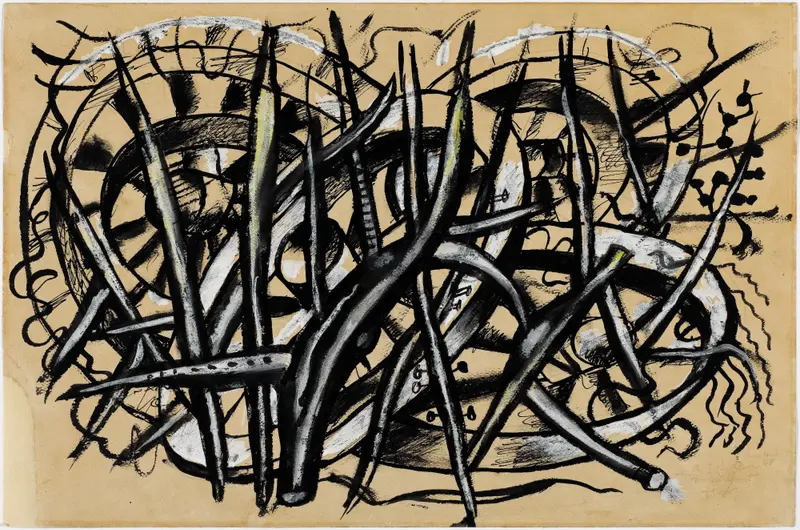
The Wheels
Fernand Léger

Le Cirque Médrano
Fernand Léger
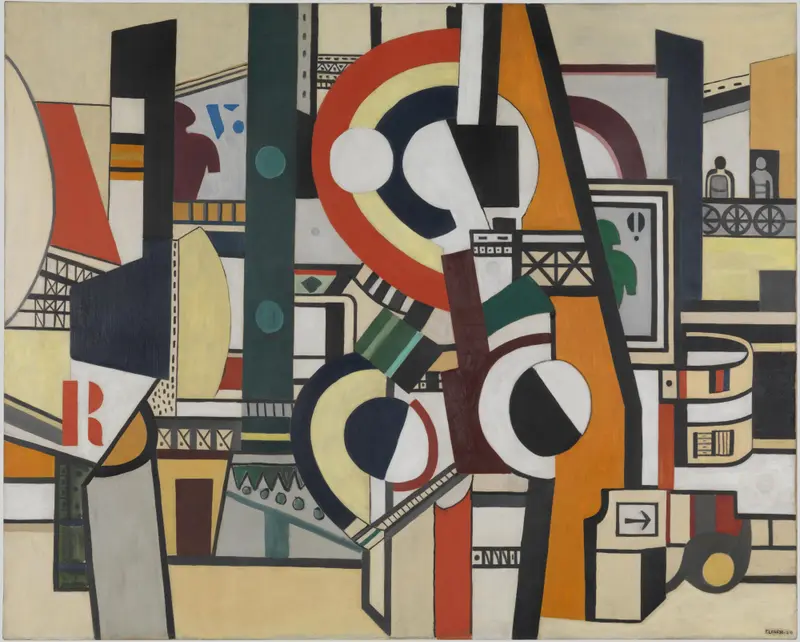
The Disks in the City
Fernand Léger
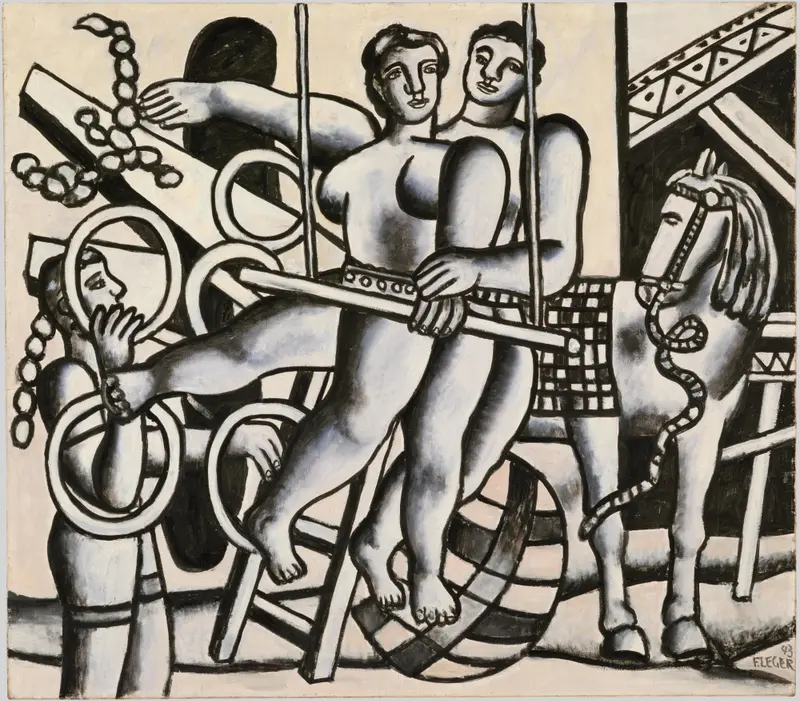
Le Jongleur et les acrobates
Fernand Léger
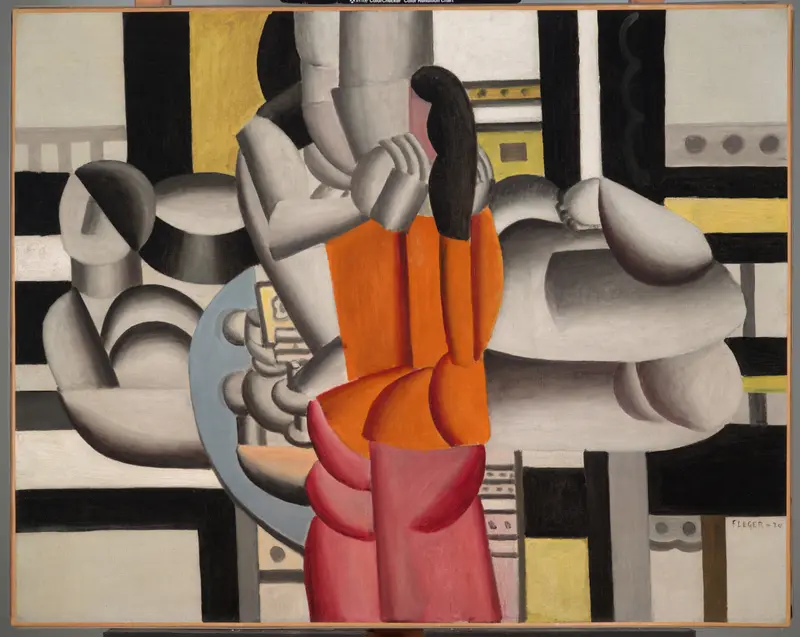
Three Women and Still Life (Déjeuner)
Fernand Léger
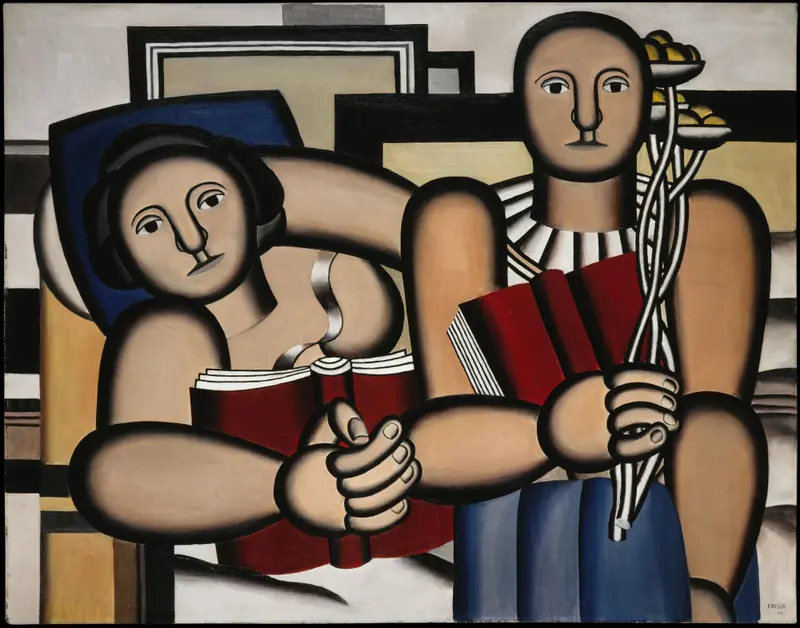
Reading
Fernand Léger
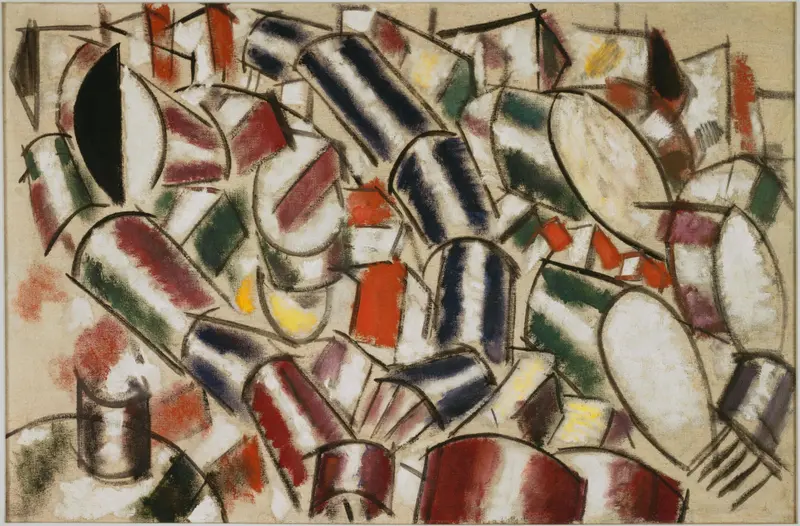
Femme couchée
Fernand Léger
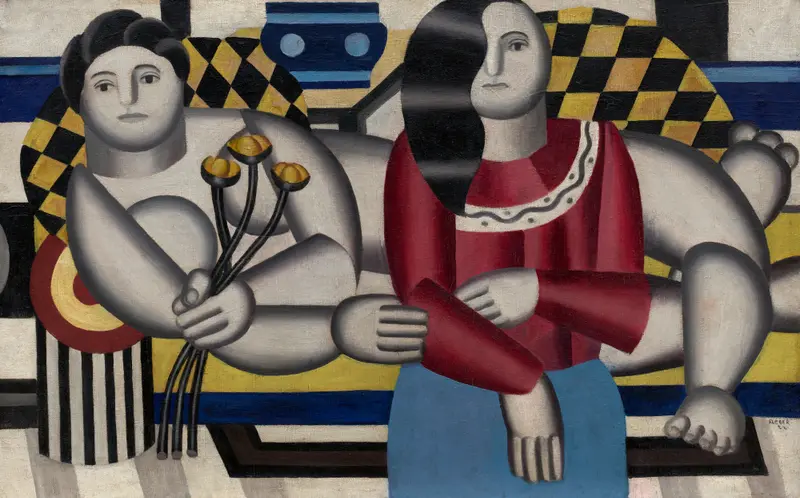
Woman holding flowers
Fernand Léger
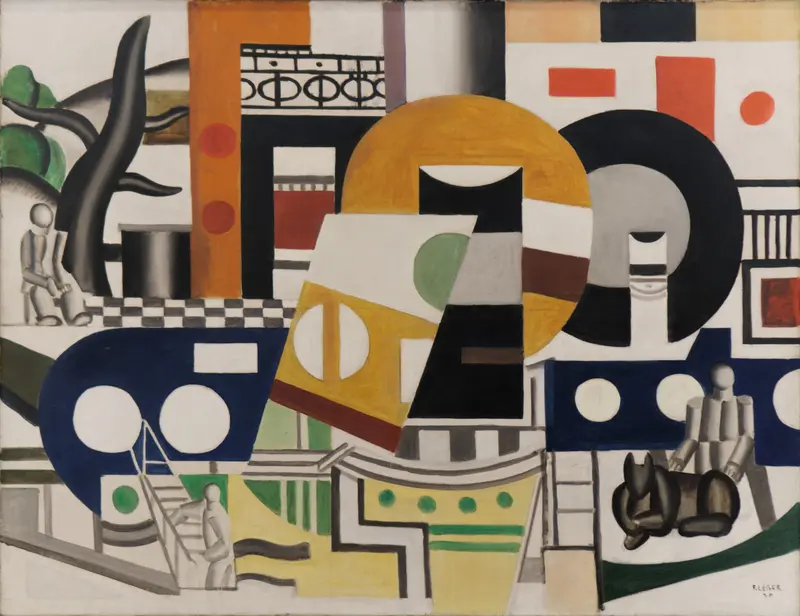
The Tug
Fernand Léger
More Genre Scene Art

Banquet of the Officers of the St George Civic Guard
Frans Hals

Rembrandt and Saskia in the Scene of the Prodigal Son
Rembrandt van Rijn

Bal du moulin de la Galette
Pierre-Auguste Renoir

Quadrille at the Moulin Rouge
Henri de Toulouse-Lautrec

A Burial at Ornans
Gustave Courbet

When Will You Marry?
Paul Gauguin