
Les Gueules Noires — History & Facts
A tide of weary men flows across the center of Les Gueules Noires, their faces shadowed, their bodies slumped with exhaustion. The eye is drawn first to a quiet exchange at the left: a miner, cap in hand, stands before a woman, her black dress echoing the darkness of the mine. Around them, the mass of workers trudges forward, heads bowed, tools slung over shoulders, the chalky ground beneath their feet suggesting the endless cycle of labor and return.
The artist’s hand, confident and swift, captures the solidarity and fatigue of these figures with a few bold strokes, while the muted palette of black and ochre sets a somber, honest tone—there is no sentimentality here, only the stark reality of the miners’ world. This image belongs unmistakably to the early twentieth century, when posters like this one—created by Théophile Alexandre Steinlen for the 1907 publication of Les Gueules Noires—were both advertisement and social document. Such works were commissioned to promote books, plays, or causes, and their visual language was designed to seize the attention of the urban passerby. Here, the publisher E.
Sansot et Cie of Paris and the author Emile Morel are announced in bold letters, while the lithograph itself serves as a window onto the lives of coal miners, known in France as “gueules noires” for their soot-darkened faces. History has kept few traces of this particular poster’s journey, but its presence in the Bibliothèque nationale de France today invites us to look again at the faces in the crowd, and to imagine the stories that walked home with them.
More Artworks by Théophile Alexandre Steinlen

Village et charrette
Théophile Alexandre Steinlen
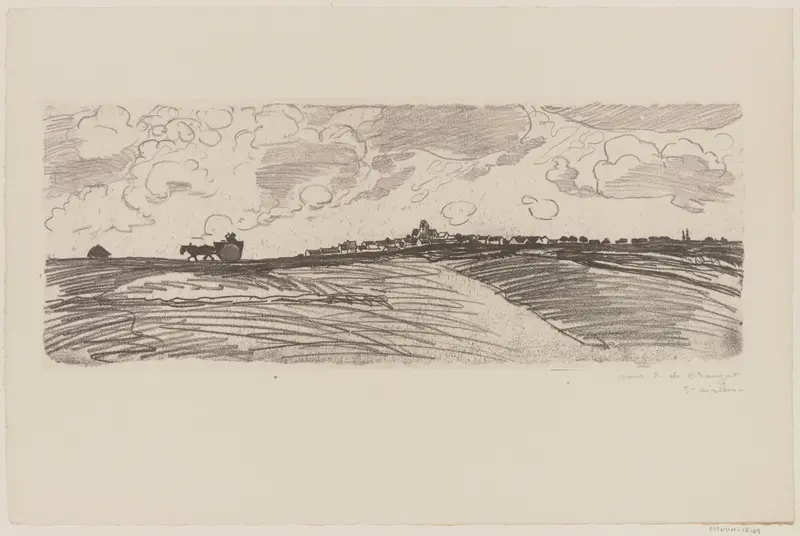
Village et charrette
Théophile Alexandre Steinlen
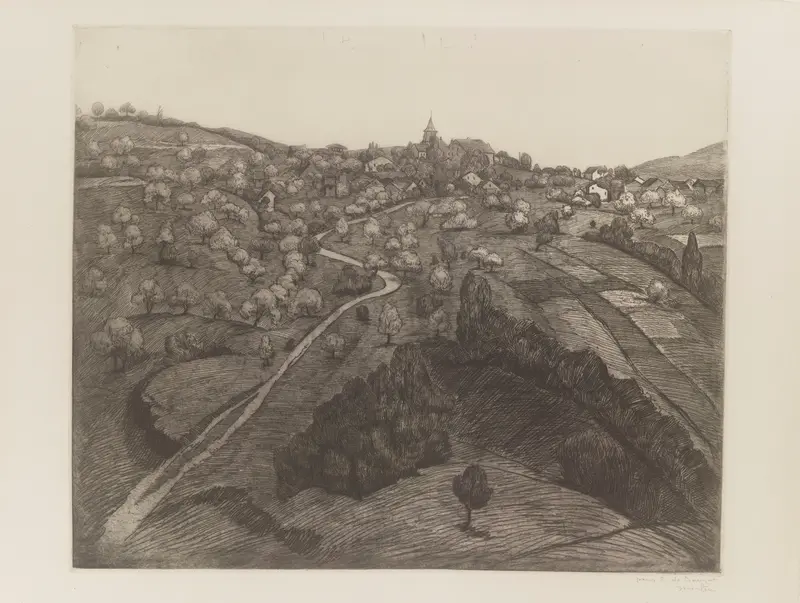
Vue de Belmont, près de Lausanne
Théophile Alexandre Steinlen
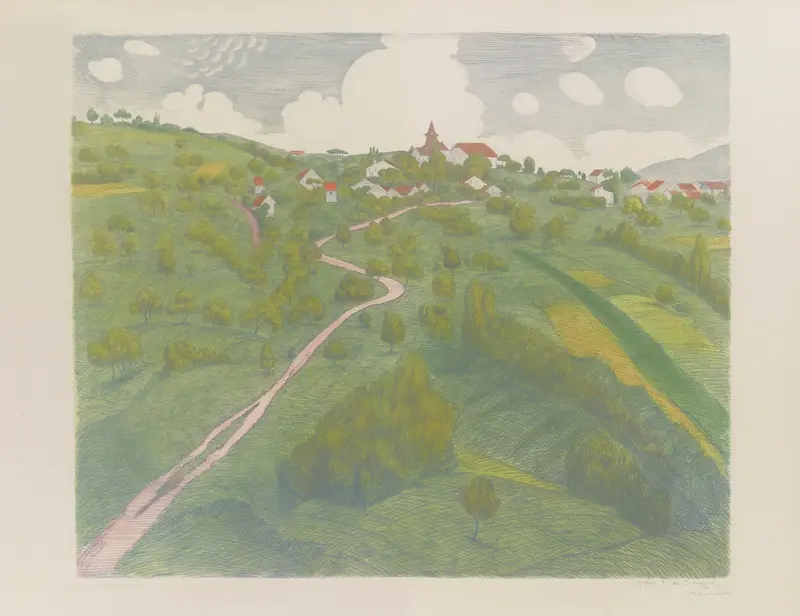
Vue de Belmont, près de Lausanne
Théophile Alexandre Steinlen
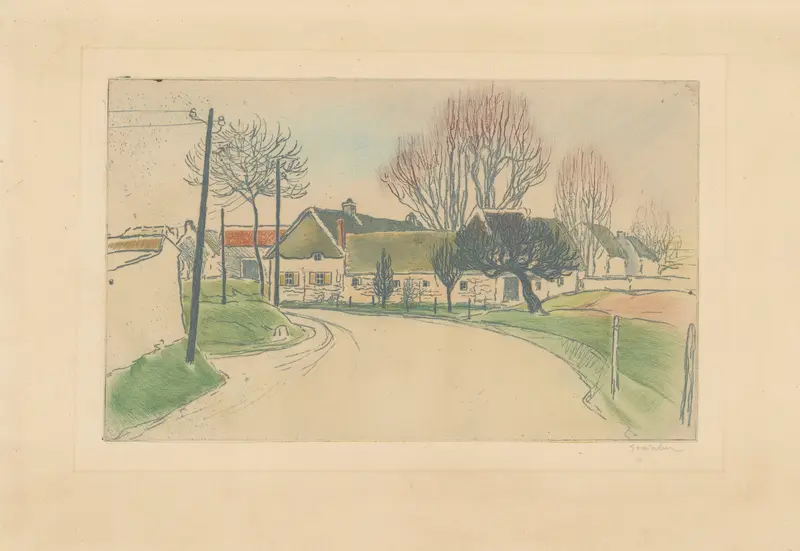
La maison à l’entrée du village
Théophile Alexandre Steinlen
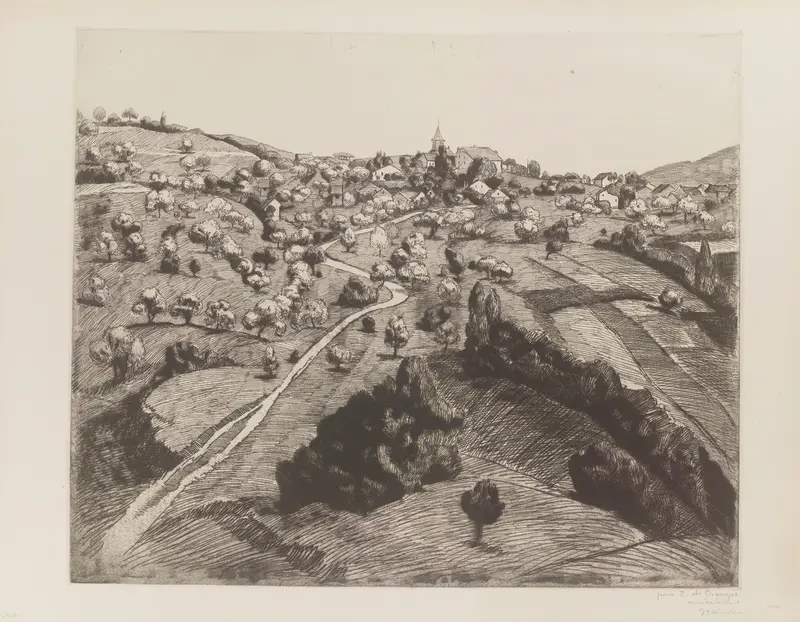
Vue de Belmont, près de Lausanne
Théophile Alexandre Steinlen
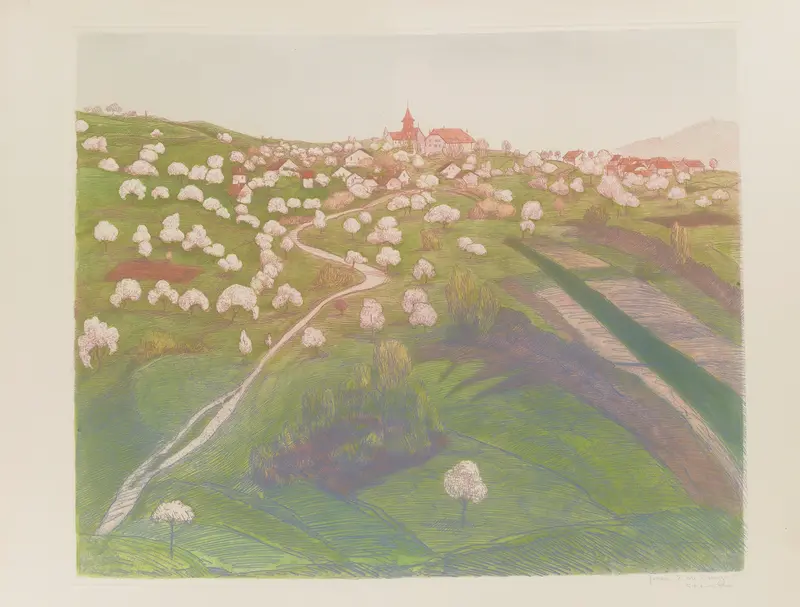
Vue de Belmont, près de Lausanne, n° 2
Théophile Alexandre Steinlen
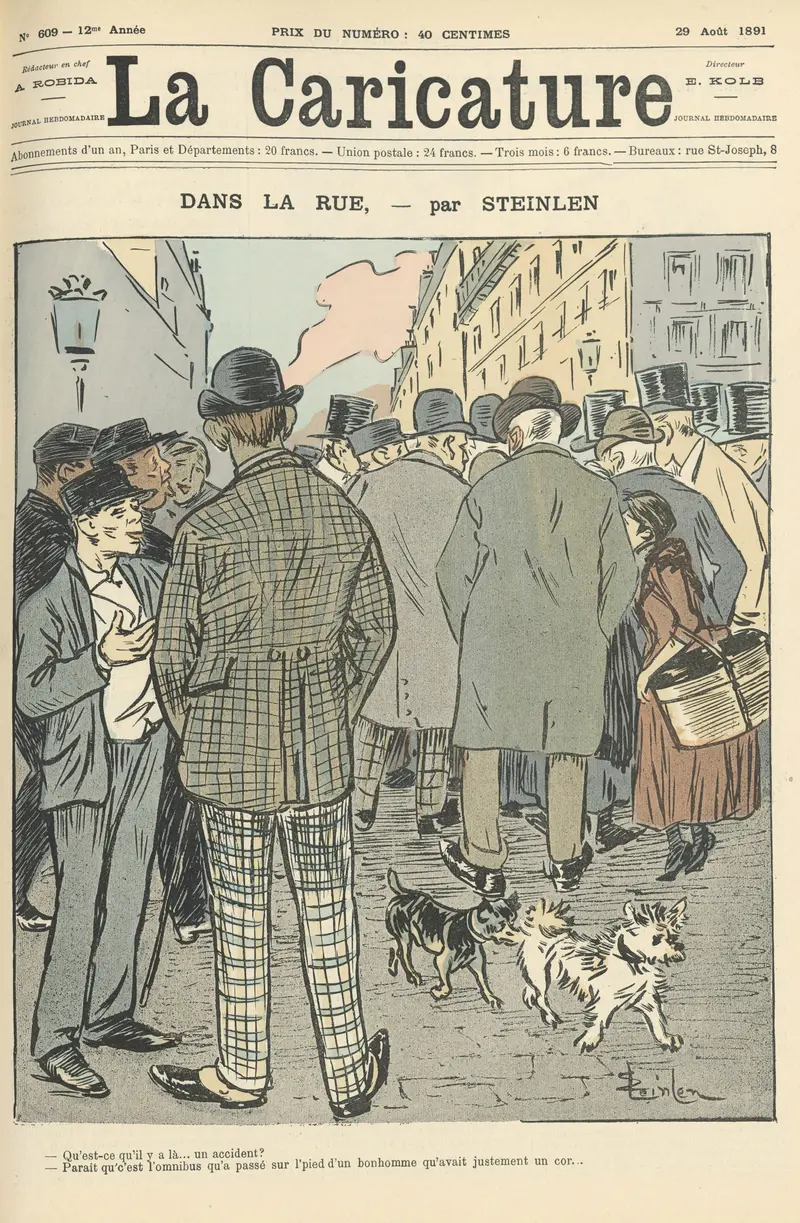
Dans la rue (La Caricature, 29 août 1891)
Théophile Alexandre Steinlen
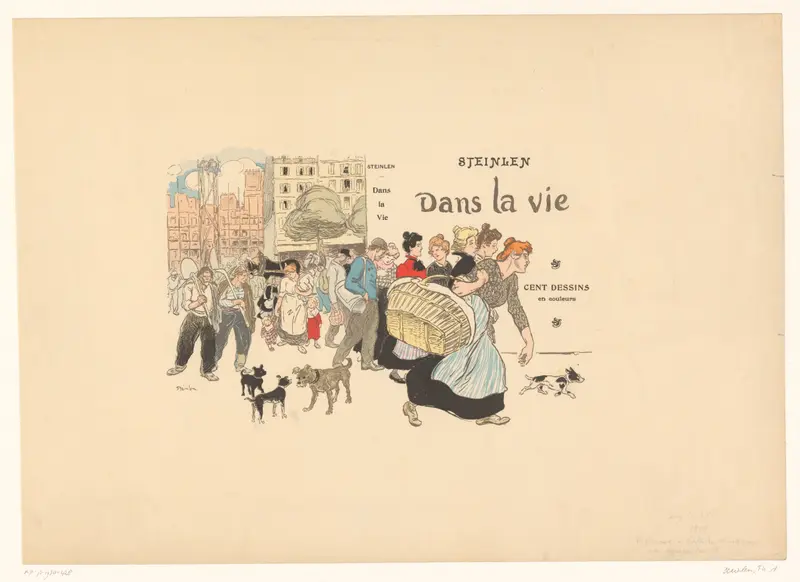
Dans la vie
Théophile Alexandre Steinlen
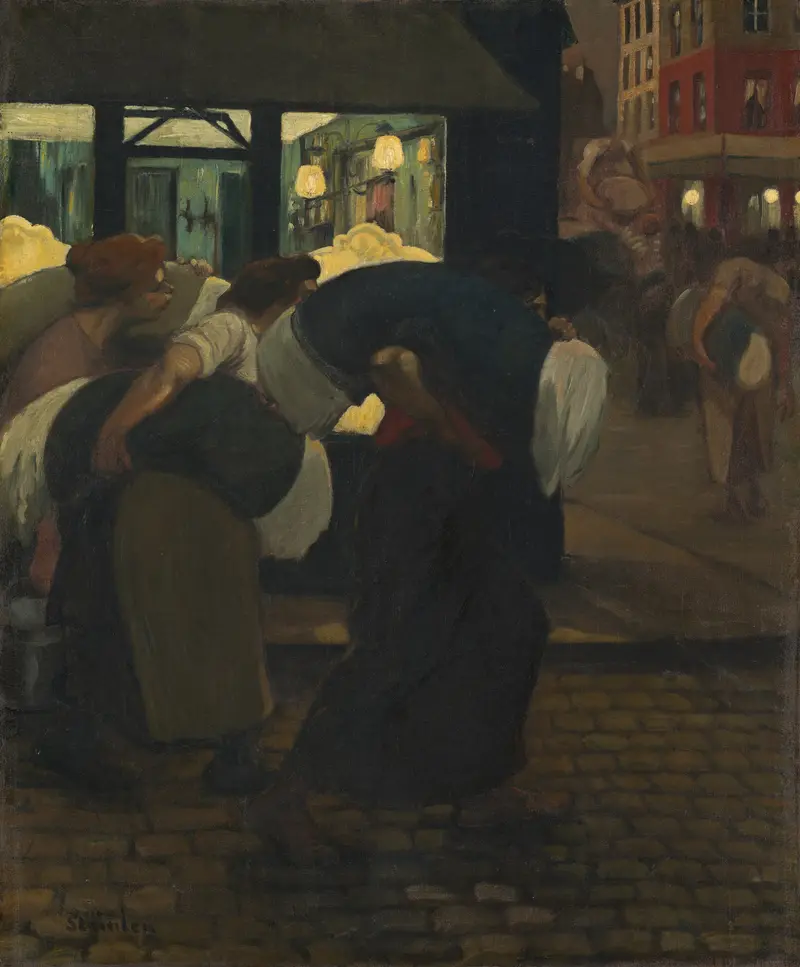
The Laundresses
Théophile Alexandre Steinlen
More Genre Scene Art

Banquet of the Officers of the St George Civic Guard
Frans Hals

Rembrandt and Saskia in the Scene of the Prodigal Son
Rembrandt van Rijn

Bal du moulin de la Galette
Pierre-Auguste Renoir

Quadrille at the Moulin Rouge
Henri de Toulouse-Lautrec

A Burial at Ornans
Gustave Courbet

When Will You Marry?
Paul Gauguin