
Les trois personnages devant le jardin — History & Facts
A sense of stillness reigns in Les trois personnages devant le jardin, yet nothing here is truly at rest. The eye is first caught by the monumental, almost mechanical forms of the three figures, their bodies rendered in rounded, tubular shapes that recall the machinery of the early twentieth century. The woman in red leans forward, her oversized arms and hands echoing the robust geometry of the objects that surround her—a potted plant, a jug, a table—each outlined with the same bold, black line.
Light slices through the composition in blocks of yellow and white, flattening space and making the garden outside feel as constructed as the interior, while the palette of cool blues and hot reds keeps the mood suspended between warmth and reserve. Painted in 1922, this work belongs to the moment when Fernand Léger was forging a new visual language for the modern age. In the years after the First World War, artists like Léger sought to reconcile the human figure with the new realities of industrial life. The figures here are neither classical nor wholly abstract; they are citizens of a world where people and objects are built from the same visual grammar.
This painting, signed and dated by Léger himself, stands as an emblem of the era’s fascination with clarity, order, and the beauty of everyday things transformed by the artist’s hand. The longer you look, the more the boundaries between person, object, and landscape begin to blur, inviting you to imagine what it might feel like to inhabit this precise, harmonious world.
More Artworks by Fernand Léger

The Tugboat Bridge
Fernand Léger
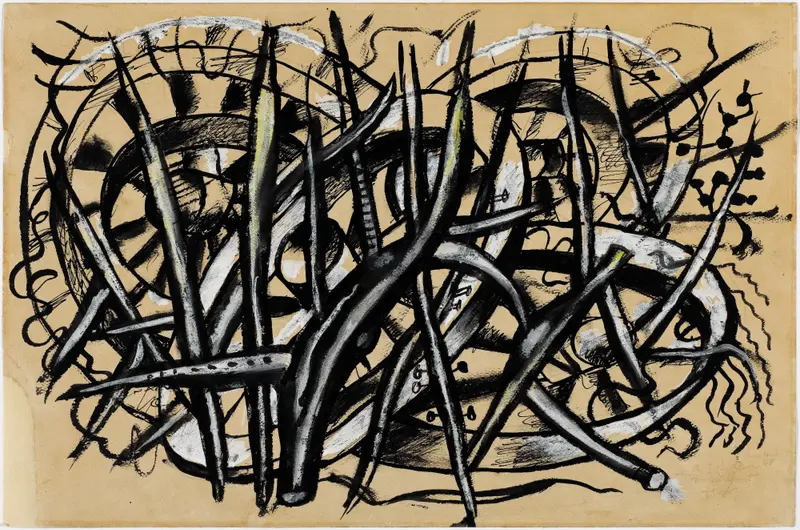
The Wheels
Fernand Léger

Le Cirque Médrano
Fernand Léger
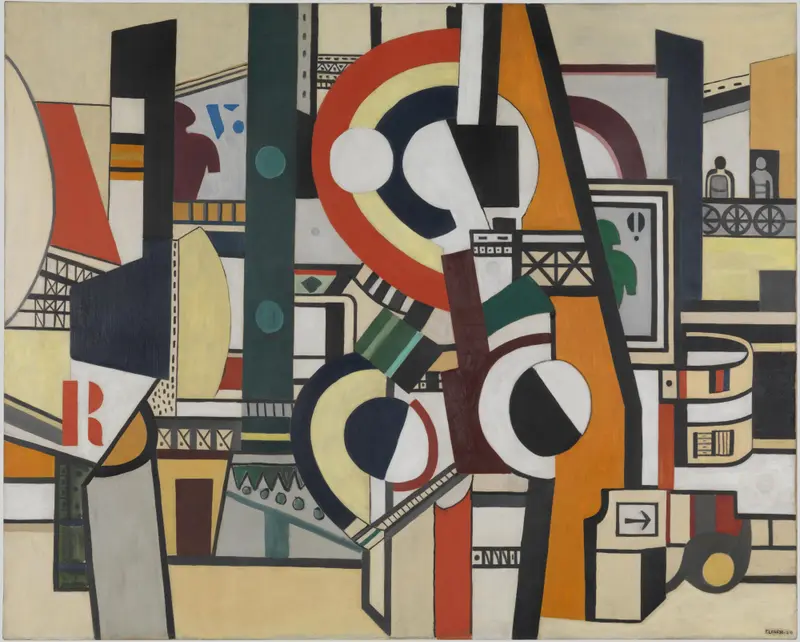
The Disks in the City
Fernand Léger
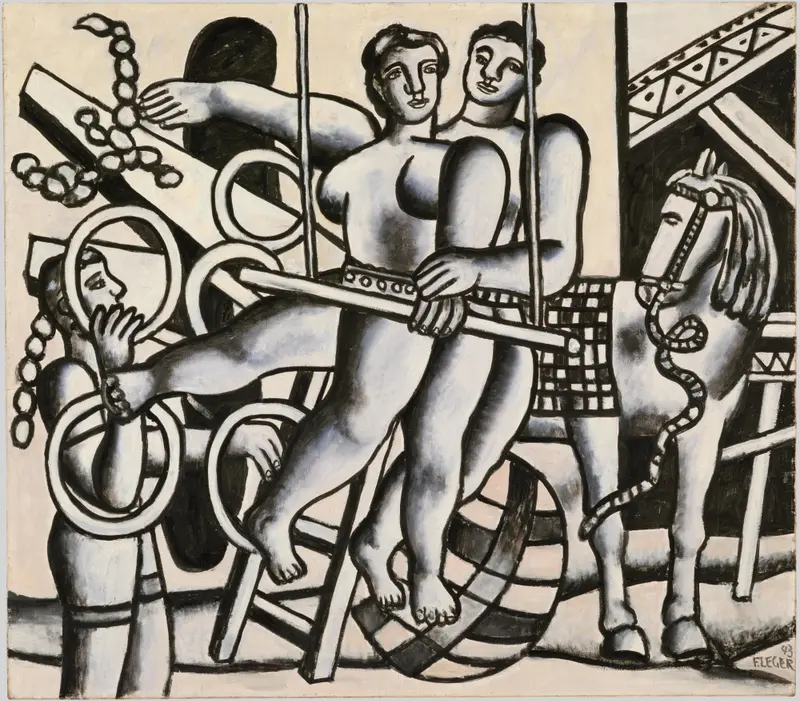
Le Jongleur et les acrobates
Fernand Léger
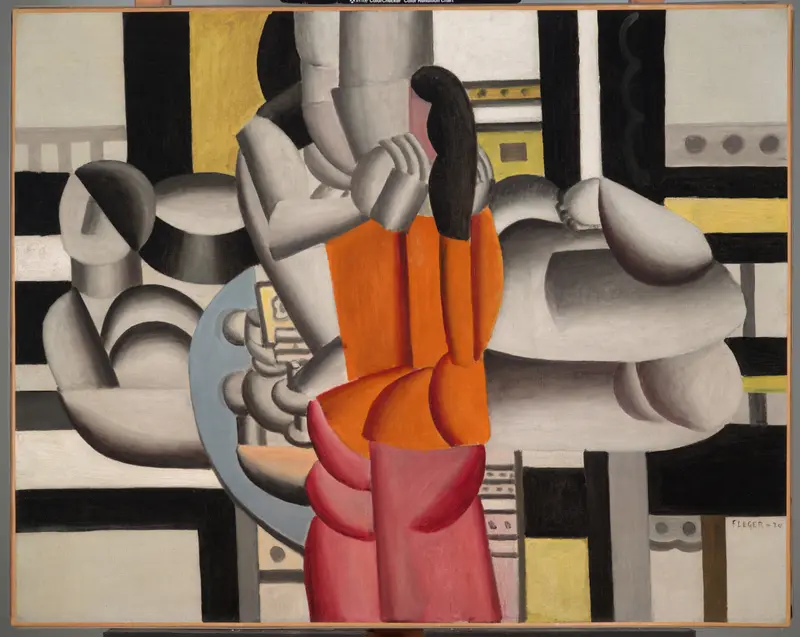
Three Women and Still Life (Déjeuner)
Fernand Léger
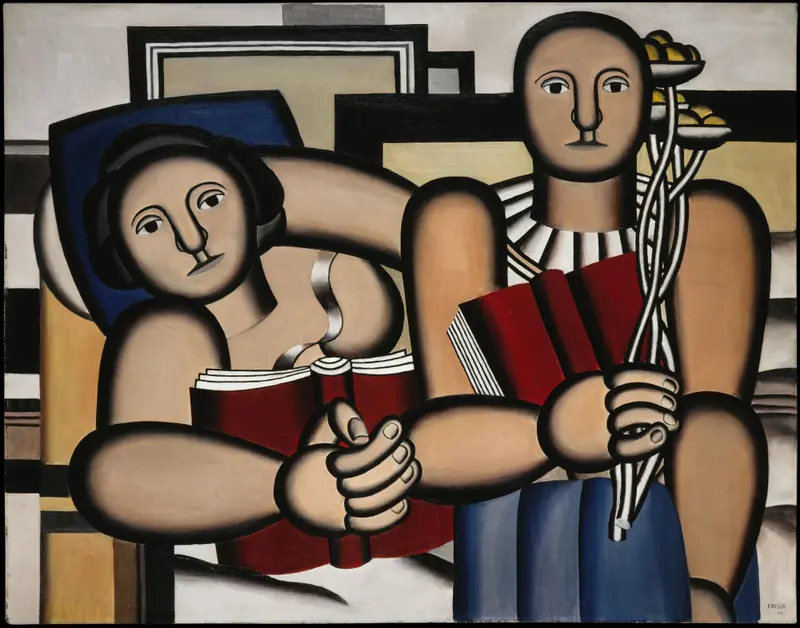
Reading
Fernand Léger
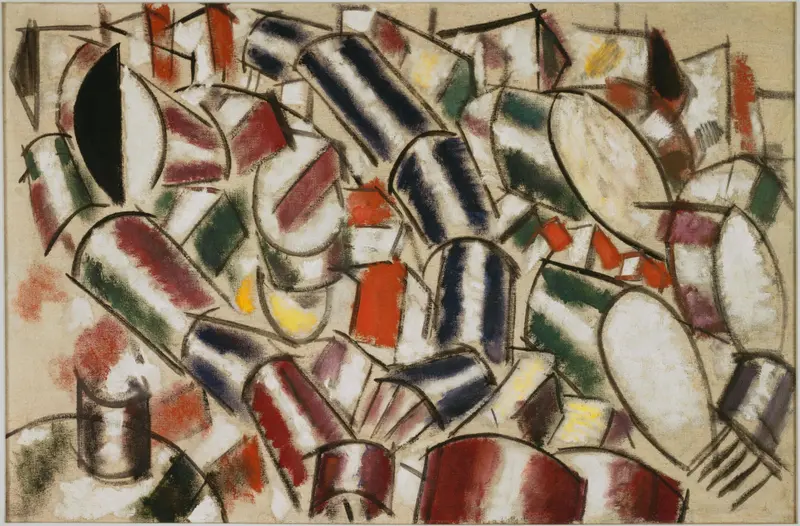
Femme couchée
Fernand Léger
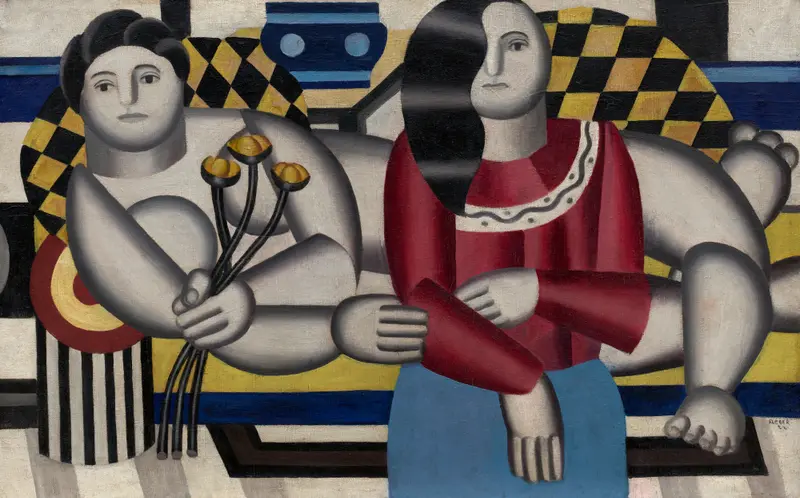
Woman holding flowers
Fernand Léger
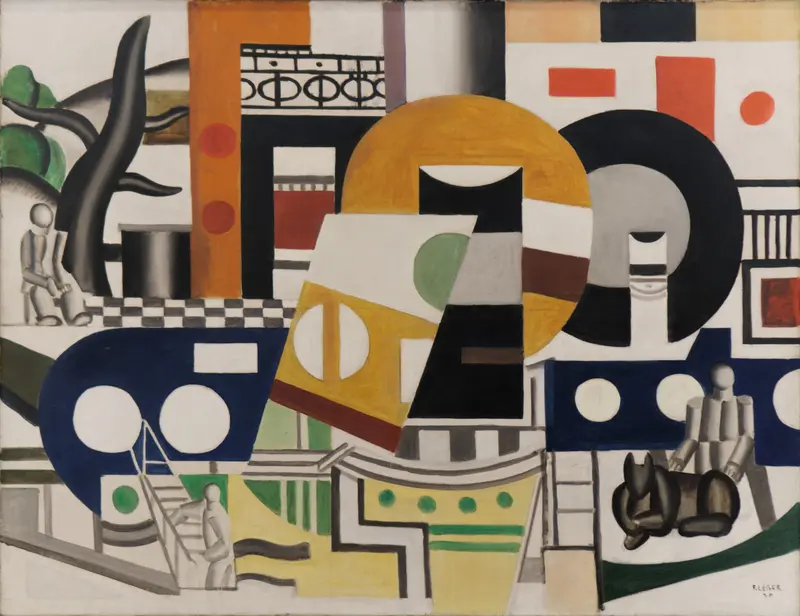
The Tug
Fernand Léger





