
Lion in Repose — History & Facts
When Théodore Géricault exhibited Lion in Repose in 1850, critics were startled to see the great Romantic painter—best known for his turbulent human dramas—turn his attention to the animal kingdom. The work appeared just a year before his death, at a time when Géricault’s health was failing and his creative energies burned with new urgency. Some contemporaries saw the painting as a veiled self-portrait, a meditation on power and vulnerability.
Others noted its kinship to the growing European fascination with exotic animals, fueled by menageries and traveling circuses. The lion’s presence at the Paris Salon that year was a quiet, unexpected roar amid the din of historical canvases. The painting captures a single, charged moment: a lion, neither sleeping nor fully awake, lies stretched across a barren patch of earth. Its massive paws are relaxed, but the head is slightly raised, eyes half-open, as if listening for distant danger or remembering lost freedom.
Géricault’s brushwork lingers on the animal’s mane, rendering it both wild and dignified, while the muted background isolates the beast in a world apart. The play of shadow and light across the lion’s flank draws the viewer’s eye to scars and sinew, inviting empathy rather than fear. Unlike the grandiose lions of Delacroix—often caught mid-leap or in the throes of battle—Géricault’s creature is at rest, yet charged with latent energy. The fate of Lion in Repose after its first exhibition is less well documented than some of Géricault’s major works.
There is no record of a specific patron, and the painting’s medium remains uncertain, though its style and handling are unmistakably his. It is thought to have passed through several private collections in France during the late nineteenth century, surfacing at auction only sporadically. Today, it stands as a testament to Géricault’s restless curiosity and his ability to find drama in the quietest of subjects, marking a late, contemplative chapter in the brief, brilliant career of one of Romanticism’s most restless spirits.
More Artworks by Théodore Géricault
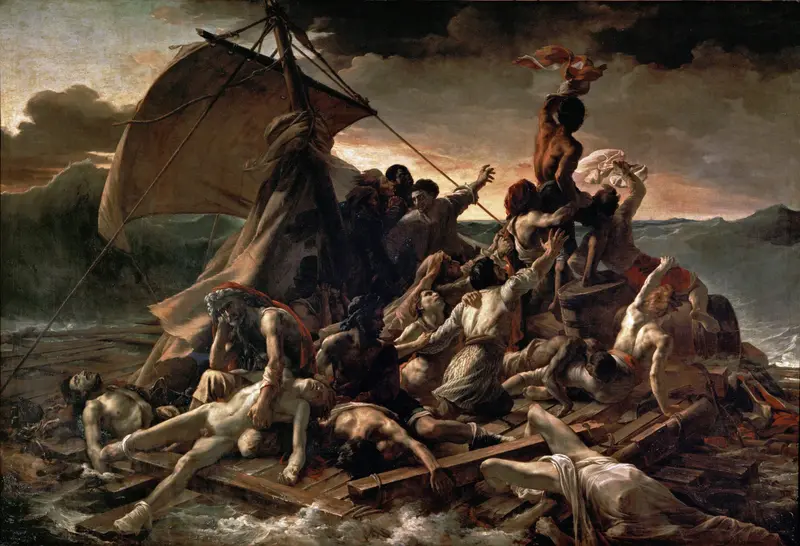
The Raft of the Medusa
Théodore Géricault

Géricault - Le naufrage du radeau de la Méduse, MBA 790
Théodore Géricault
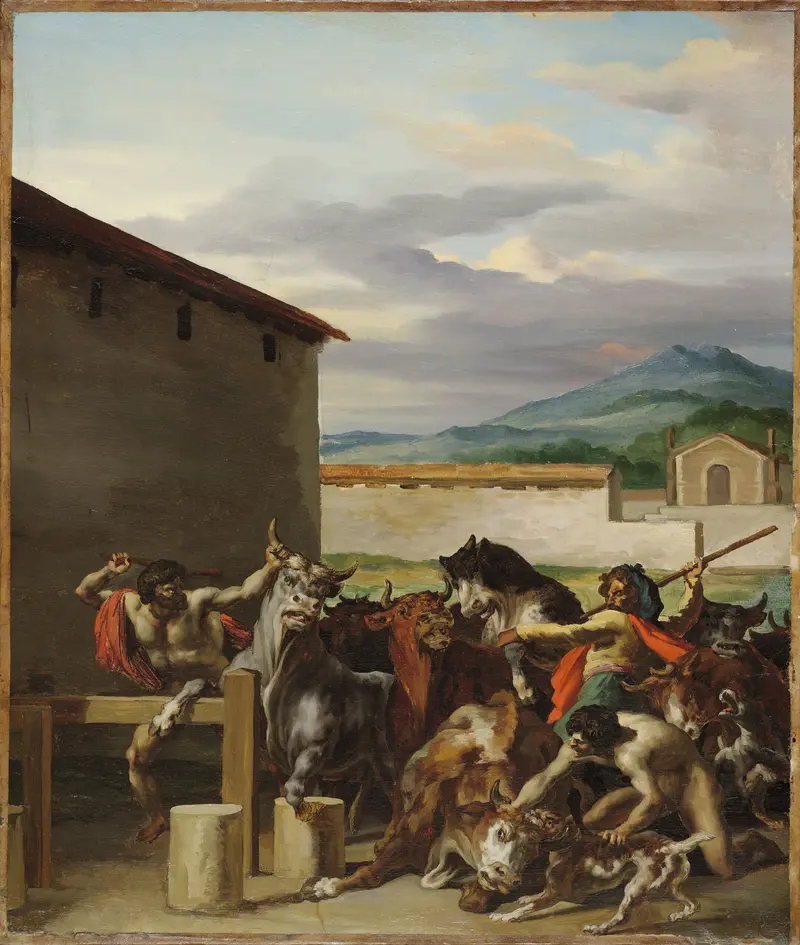
Cattle Market
Théodore Géricault
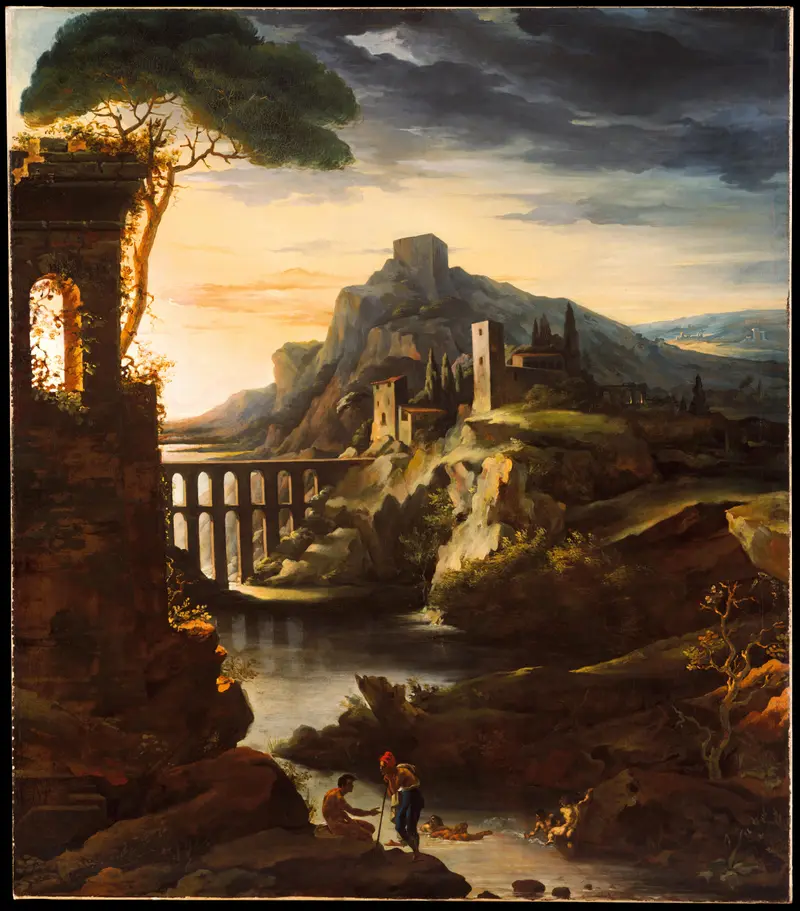
Evening; Landscape with an Aqueduct
Théodore Géricault
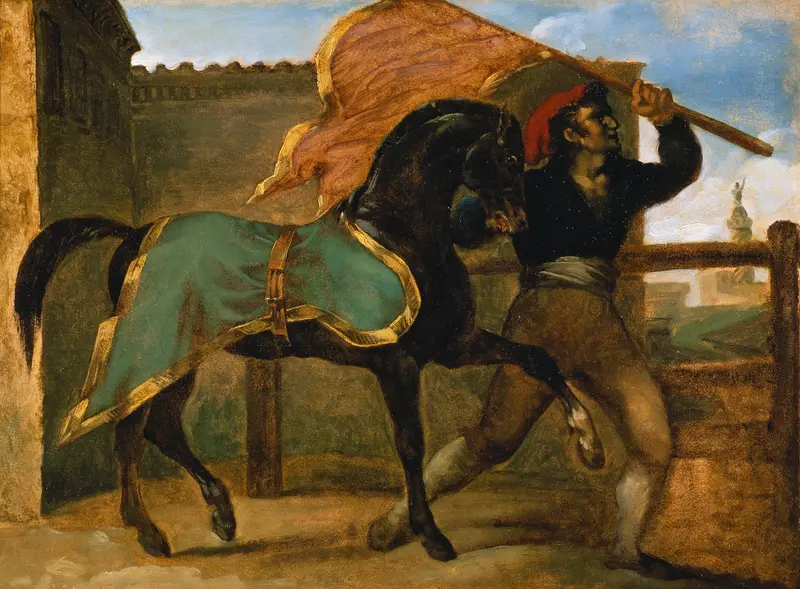
Horse Race
Théodore Géricault

Horses Standing in a Mews
Théodore Géricault
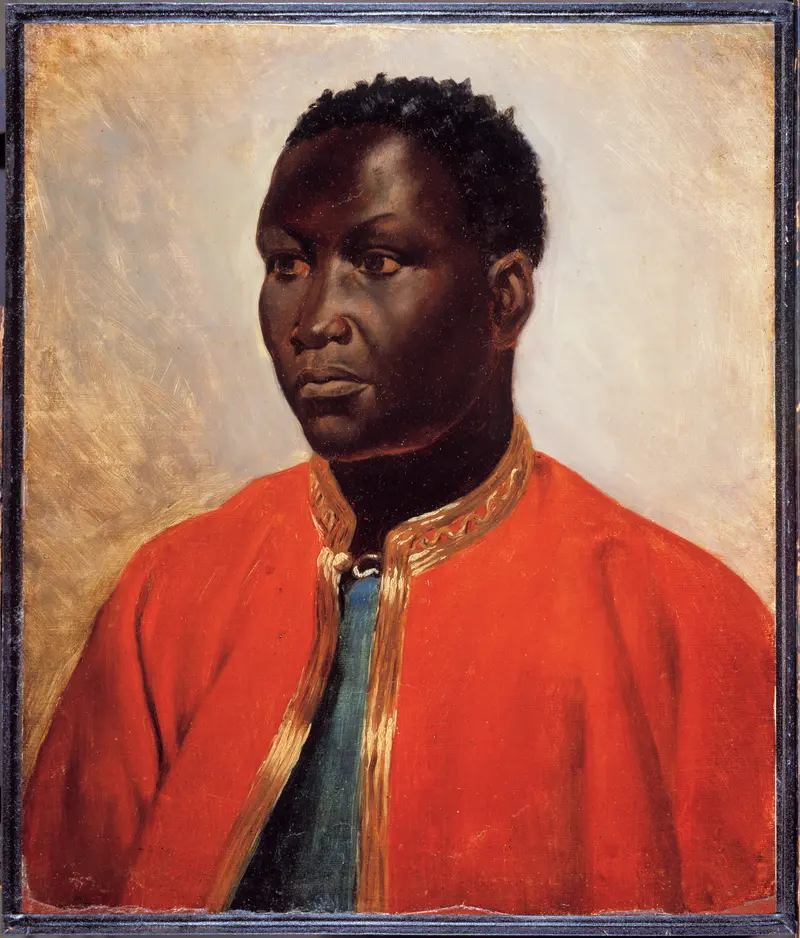
Portrait of a Negro
Théodore Géricault
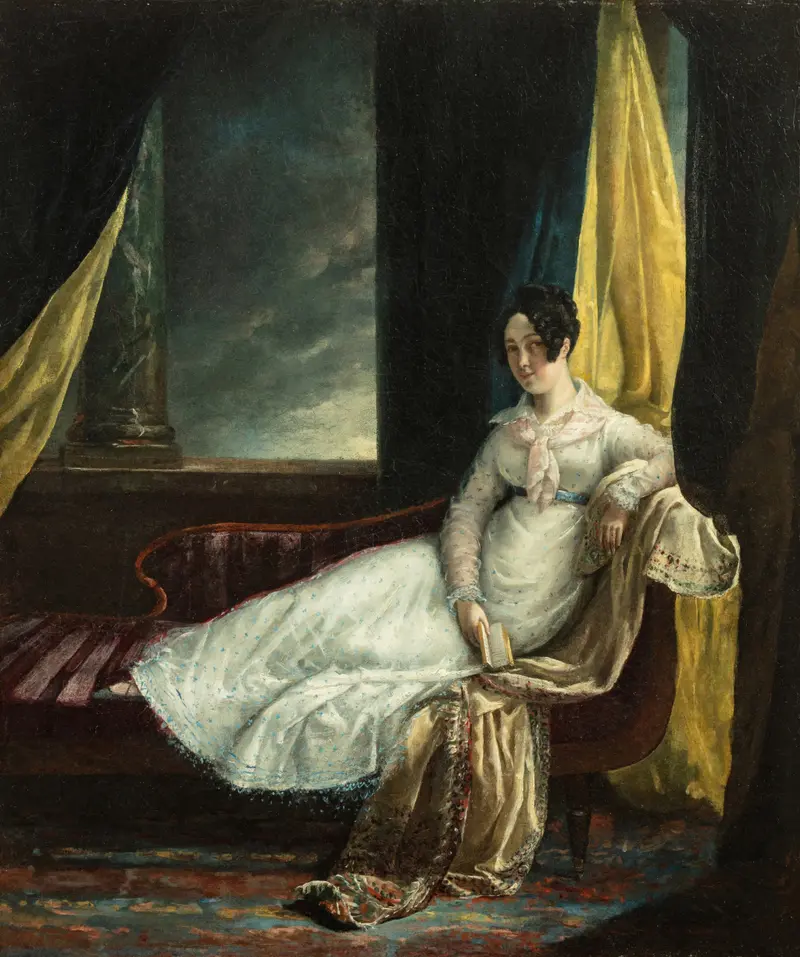
Portrait of Zoë Elmore
Théodore Géricault
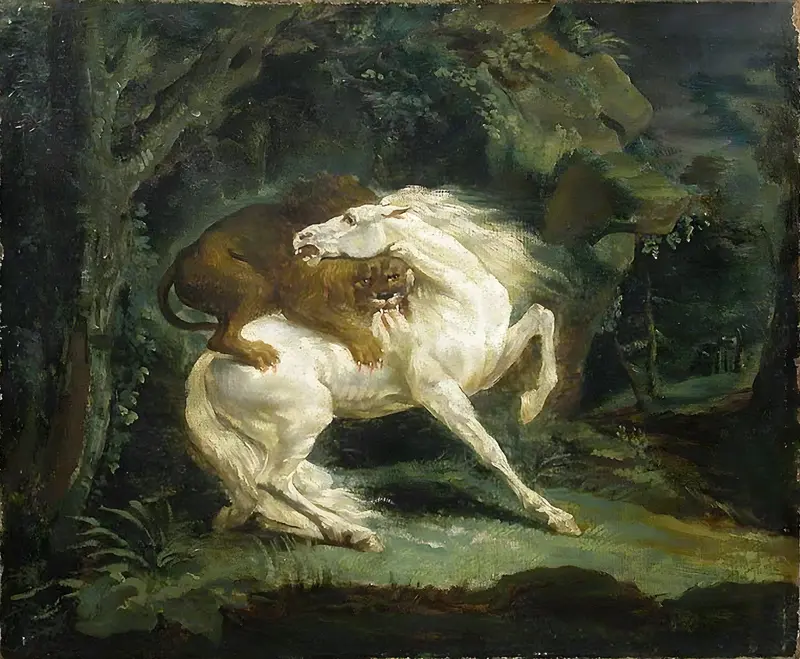
Cheval attaqué par un lion
Théodore Géricault
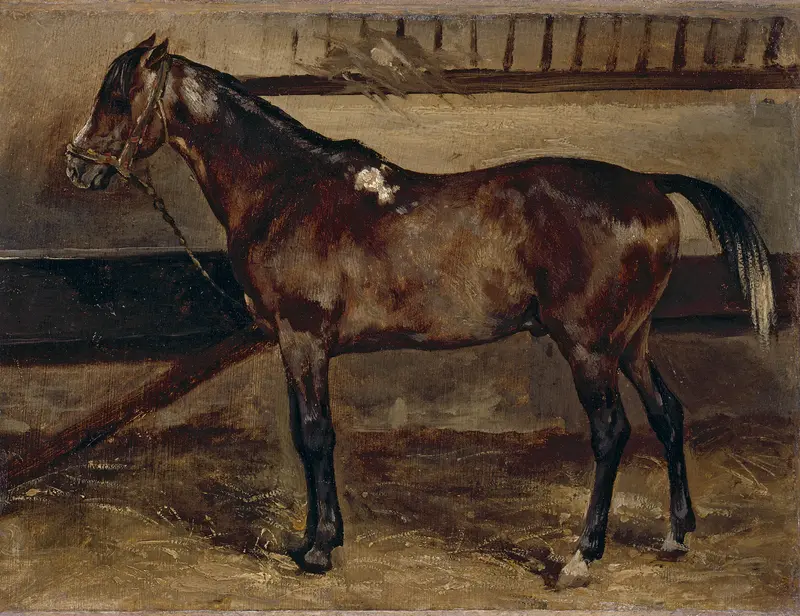
Cheval brun à l'écurie
Théodore Géricault





