
Lochis Madonna — History & Facts
No other painting by Giovanni Bellini has prompted as much debate over its date and authorship as the Lochis Madonna. For decades, scholars puzzled over whether this tender image of the Virgin and Child was an early work by Bellini himself or the product of his workshop, with some even suggesting the hand of his brother-in-law, Andrea Mantegna. Only in the twentieth century did a consensus emerge, thanks to close study of the painting’s delicate modeling and the gentle melancholy that would become Bellini’s hallmark.
Today, it stands as a touchstone for understanding the artist’s transition from the late Gothic to the early Renaissance. The scene captures the Virgin Mary cradling the Christ Child, their faces pressed close in a moment of quiet intimacy. The Madonna’s downcast eyes and the Child’s gentle gesture—his tiny hand reaching for his mother’s veil—speak to both the bond between mother and son and the foreshadowing of sorrow. The parapet in the foreground, a device Bellini often used, separates the holy figures from the viewer, yet the subtle landscape glimpsed behind them opens the world beyond.
Unlike Mantegna’s more sculptural Madonnas, Bellini’s treatment is softer, suffused with a gentle light that bathes the figures in warmth and humanity. Little is known about the original patron or the early history of the Lochis Madonna. The painting takes its name from the Lochis family, who acquired it in the nineteenth century before it entered the Accademia Carrara in Bergamo, where it remains today. Its uncertain provenance has not diminished its importance: the work is now recognized as a key example of Bellini’s early style, marking his move away from the influence of Mantegna toward a more personal, lyrical vision.
As with many of Bellini’s Madonnas, the painting’s quiet power lies in its ability to bridge the sacred and the everyday—a hallmark of the Venetian Renaissance.
More Artworks by Giovanni Bellini
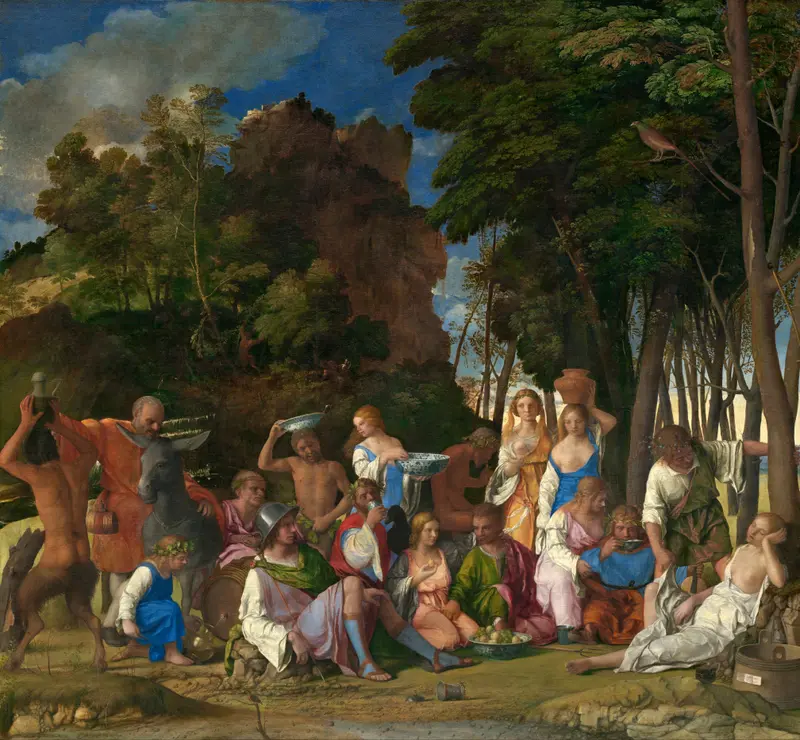
The Feast of the Gods
Giovanni Bellini

Madonna and Child enthroned with Saints and Angels
Giovanni Bellini
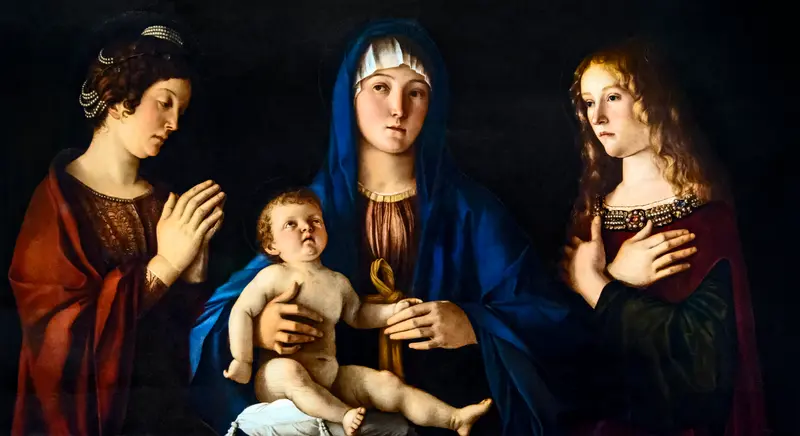
Madonna and Child between Saints Catherine and Mary Magdalene
Giovanni Bellini
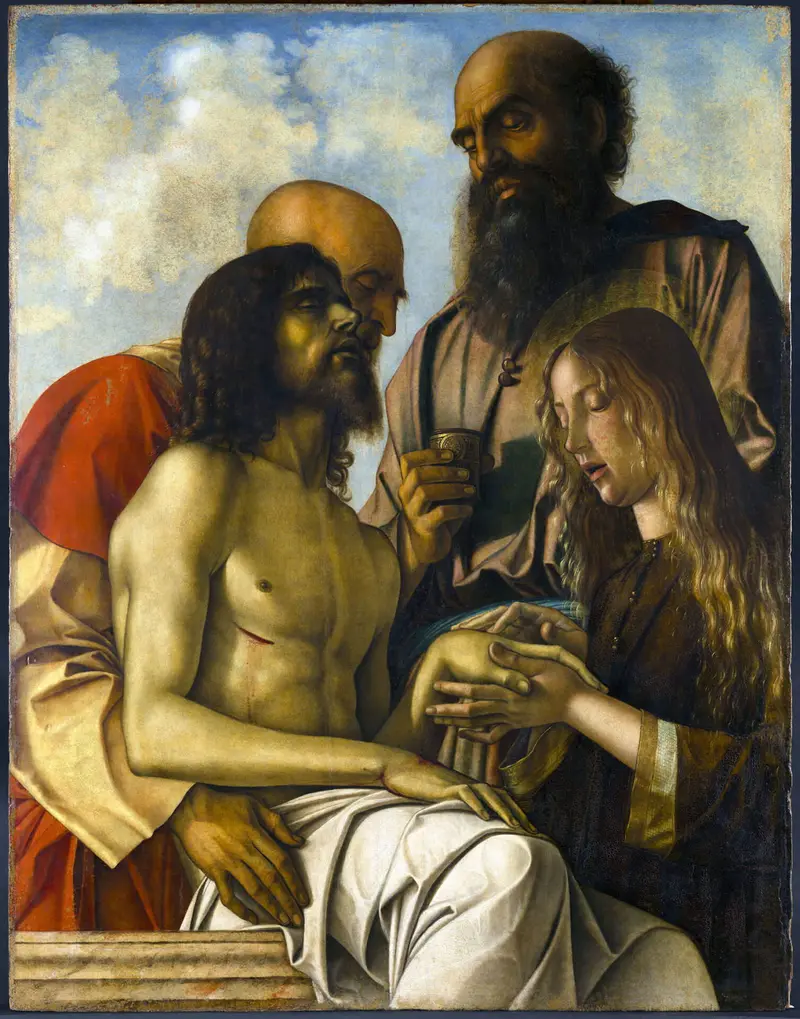
Lamentation over the Dead Christ
Giovanni Bellini
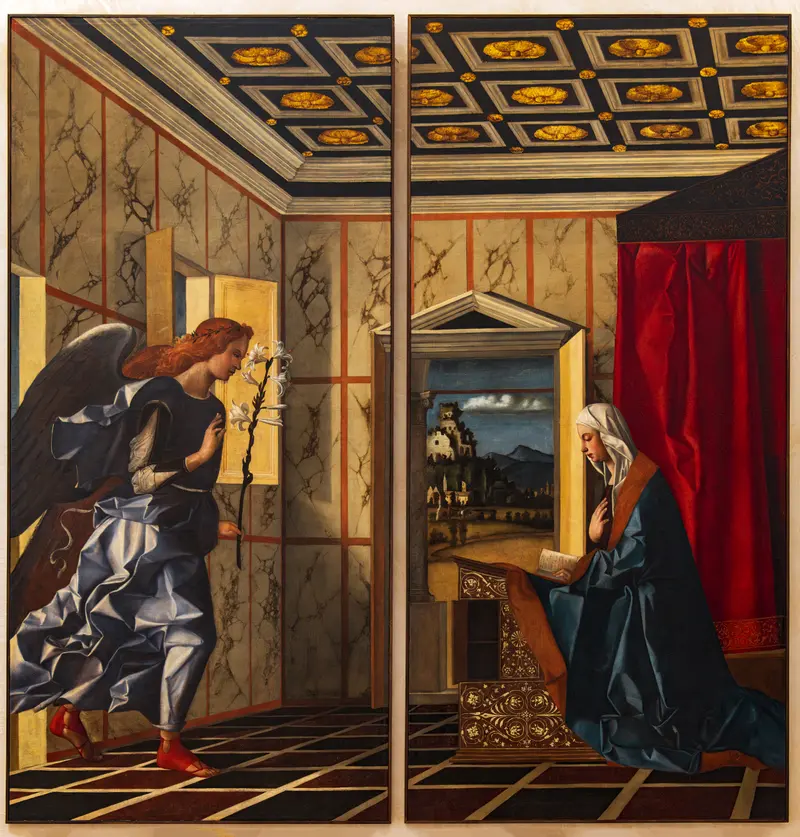
Annunciation
Giovanni Bellini
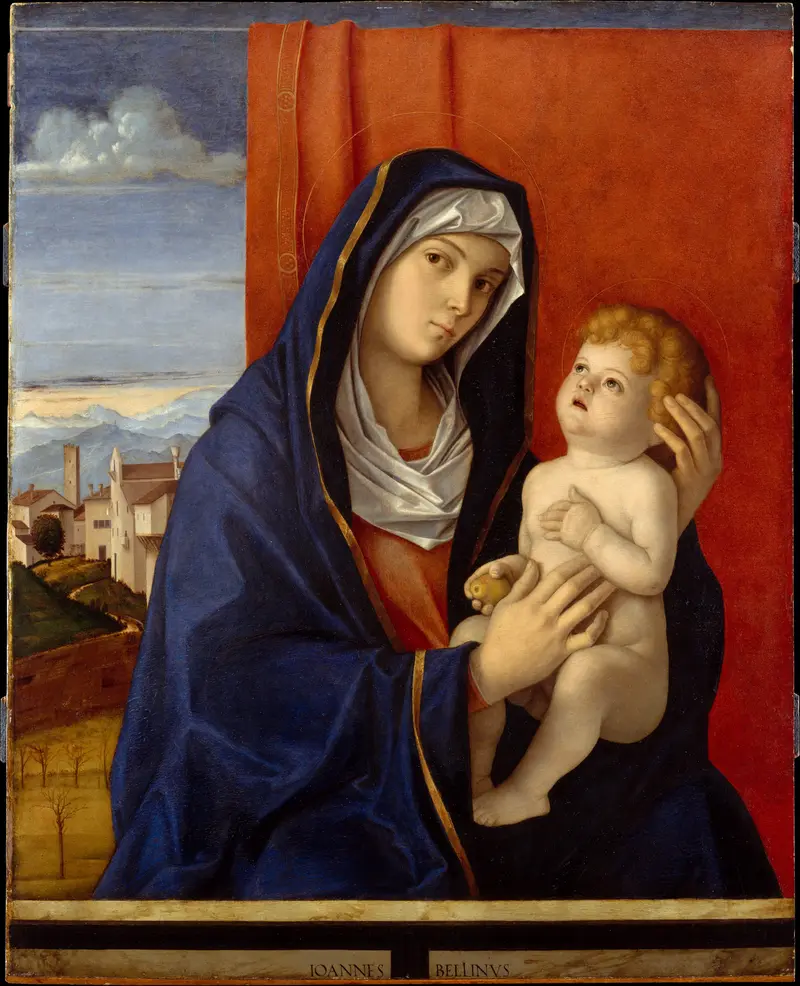
Madonna and Child
Giovanni Bellini
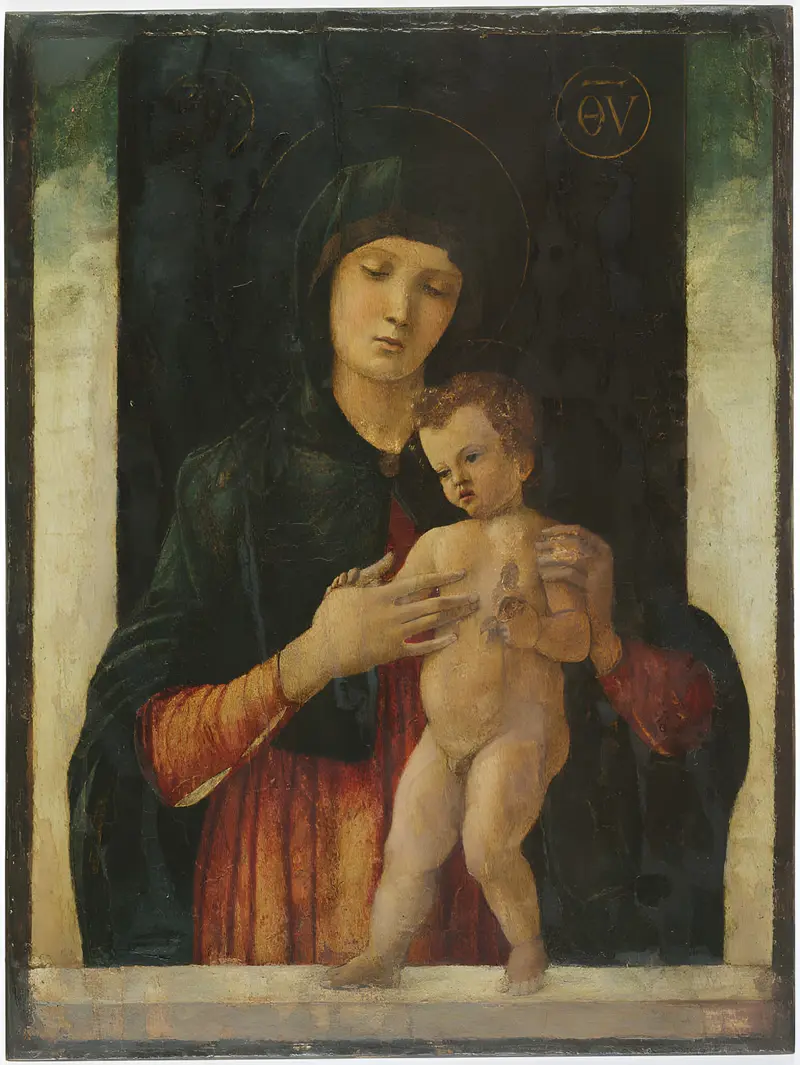
The Virgin and Child
Giovanni Bellini
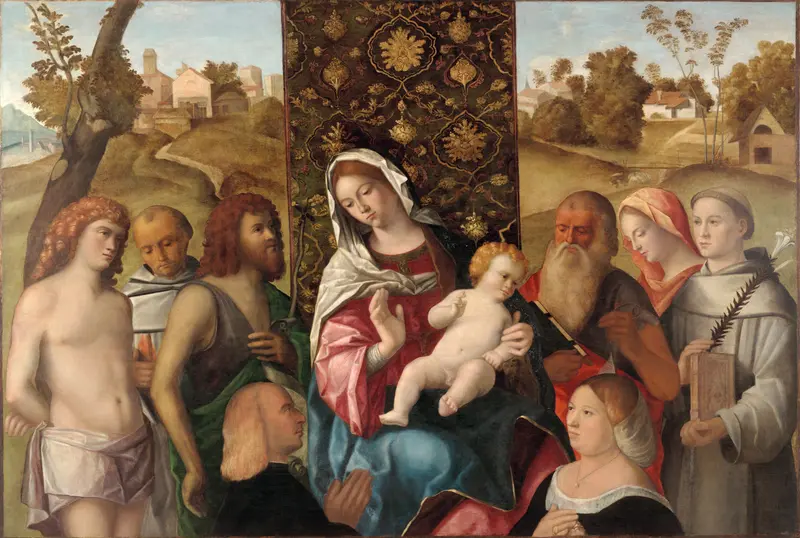
Virgin and Child with Saints Sebastian, Francis, John the Baptist, Jerome, an unidentified female saint, Saint Anthony of Padua and two donors
Giovanni Bellini
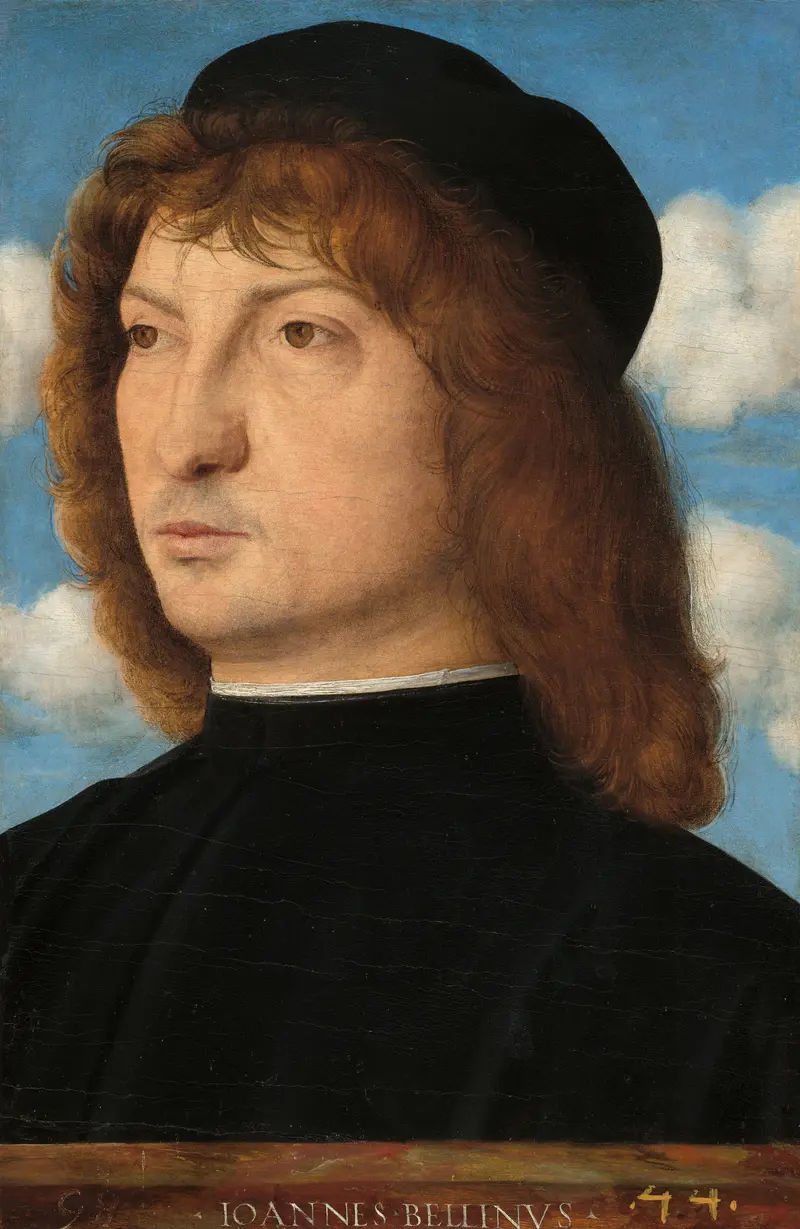
Portrait of a Venetian Gentleman
Giovanni Bellini
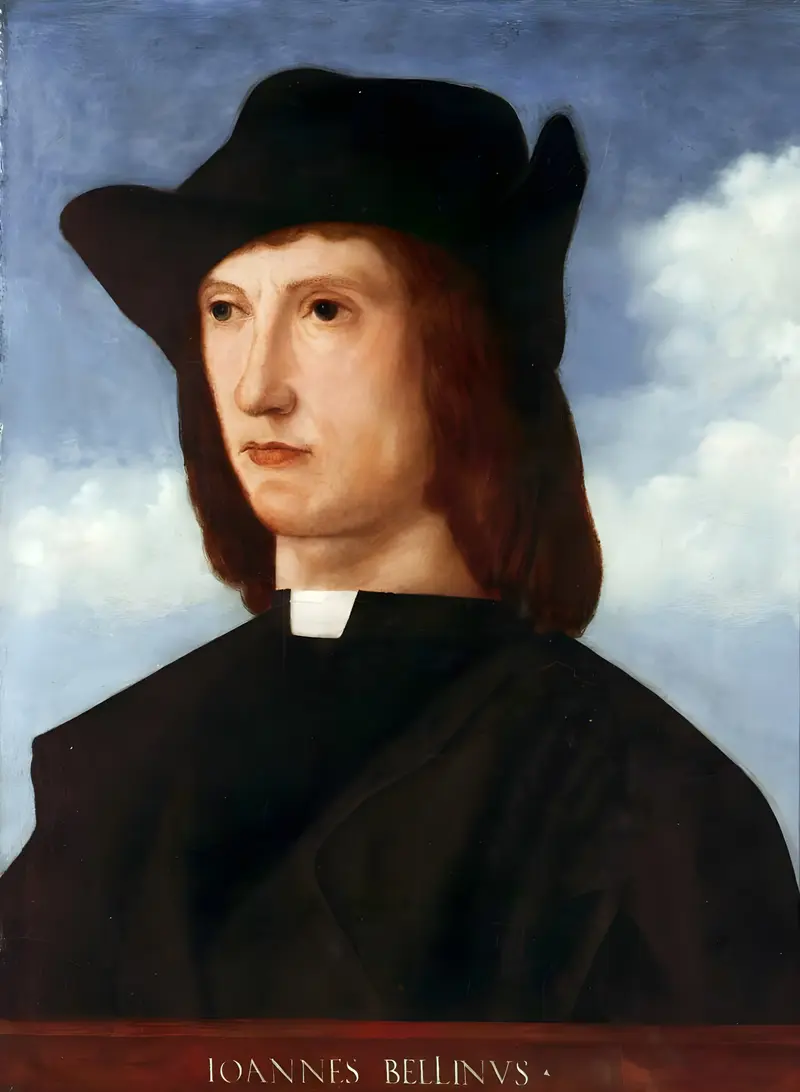
Portrait of a Young Man
Giovanni Bellini





