
Madonna of the Red Cherubim — History & Facts
No detail in Madonna of the Red Cherubim has puzzled art historians more than the vibrant, almost otherworldly host of red cherubim that crowds the sky behind the Virgin. While blue or gold putti were common in Venetian altarpieces of the late 15th century, this fiery celestial backdrop is unique in the known works of Giovanni Bellini. The painting’s title comes directly from this singular feature, which has sparked debate: was Bellini signaling a new theological emphasis, or simply experimenting with color and light in ways that would later influence the Venetian Renaissance? At the heart of the composition, the Madonna sits serenely, the Christ Child poised on her lap.
Bellini captures a moment of quiet intimacy: the Child raises his hand in blessing, while the Virgin gazes outward, her eyes meeting the viewer’s with gentle gravity. The lush landscape, so typical of Bellini, recedes into a luminous distance, but here the sky is crowded with those remarkable red cherubim, their faces emerging from the clouds like flames. The red hue may allude to the Holy Spirit or to the Passion, infusing the scene with a sense of foreshadowing absent from earlier, more placid depictions of the Madonna and Child, such as those by Fra Filippo Lippi.
Bellini’s use of color and atmosphere marks a shift toward the emotional immediacy that would define Venetian painting. The exact origins of Madonna of the Red Cherubim remain uncertain; no surviving records reveal its original patron or intended location. However, its style and iconography suggest it was painted around 1485, a period when Bellini was at the height of his powers and deeply engaged with religious commissions for both private devotion and public chapels. Over the centuries, the painting has been attributed to various hands within Bellini’s workshop, but consensus now firmly credits the master himself.
Today, the work is celebrated as a pivotal example of Bellini’s mature style, bridging the devotional calm of the early Renaissance with the coloristic innovations that would soon flourish in Venice.
More Artworks by Giovanni Bellini
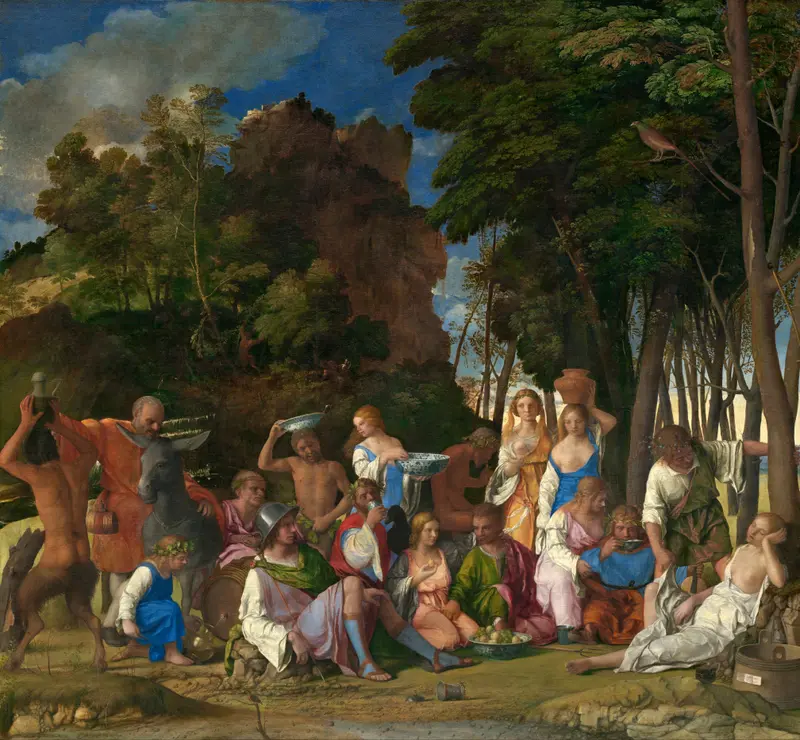
The Feast of the Gods
Giovanni Bellini

Madonna and Child enthroned with Saints and Angels
Giovanni Bellini
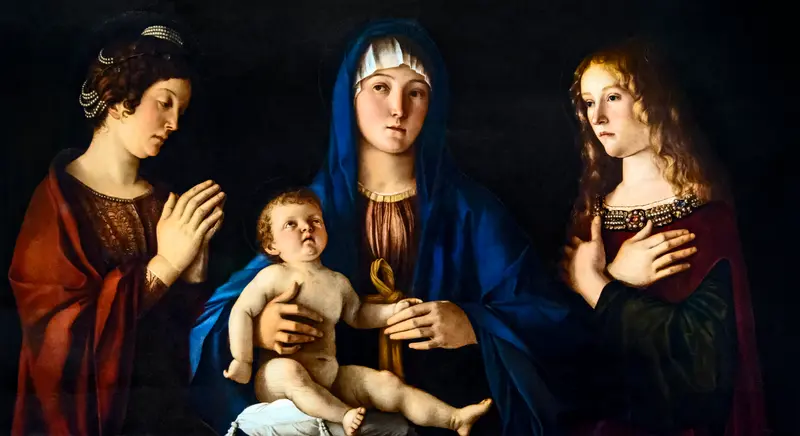
Madonna and Child between Saints Catherine and Mary Magdalene
Giovanni Bellini
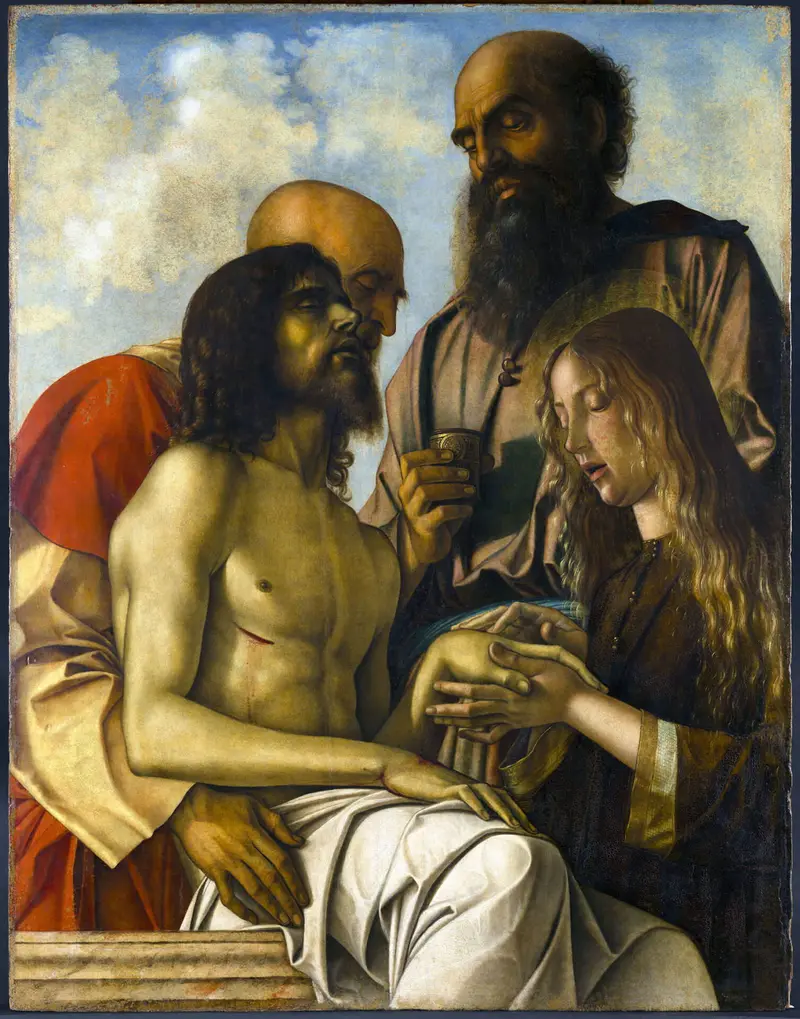
Lamentation over the Dead Christ
Giovanni Bellini
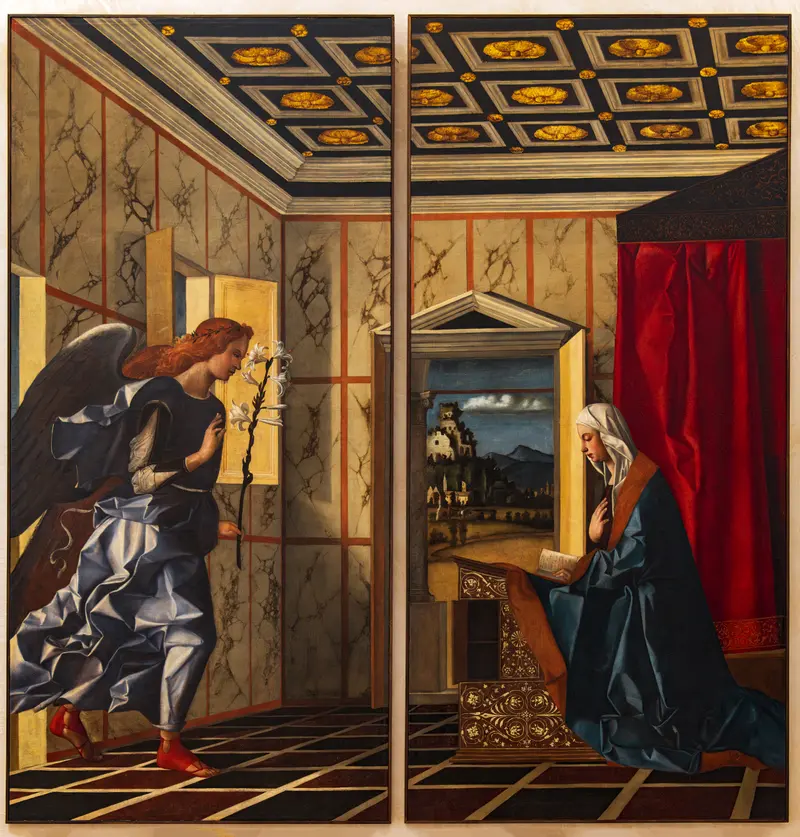
Annunciation
Giovanni Bellini
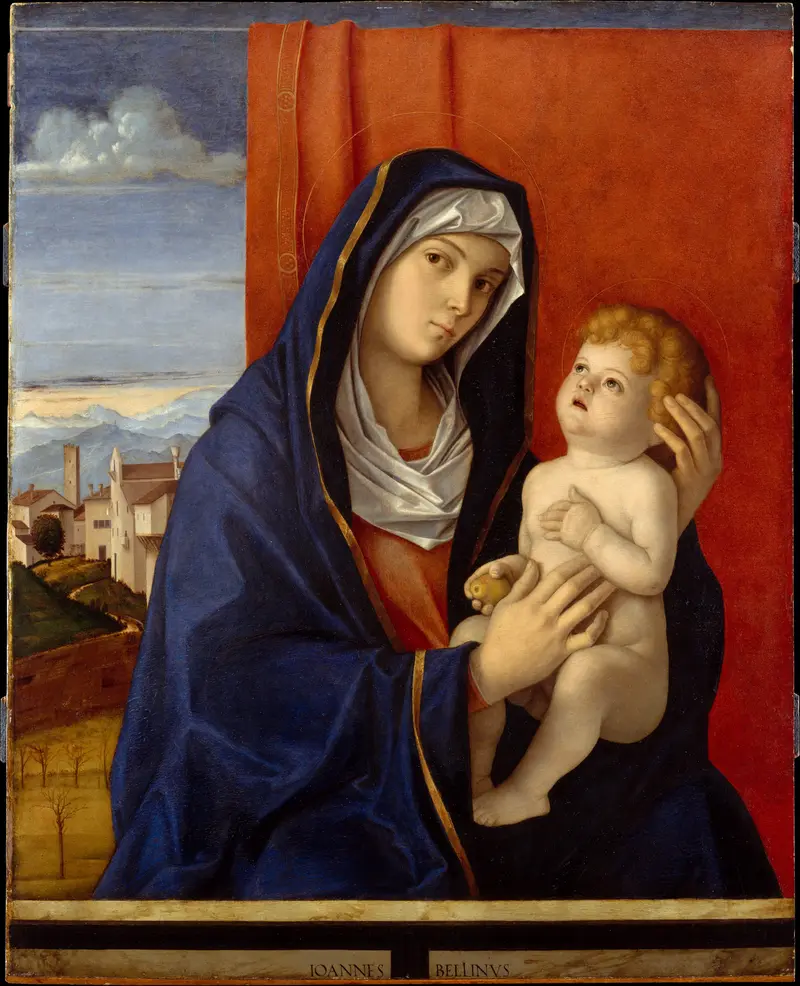
Madonna and Child
Giovanni Bellini
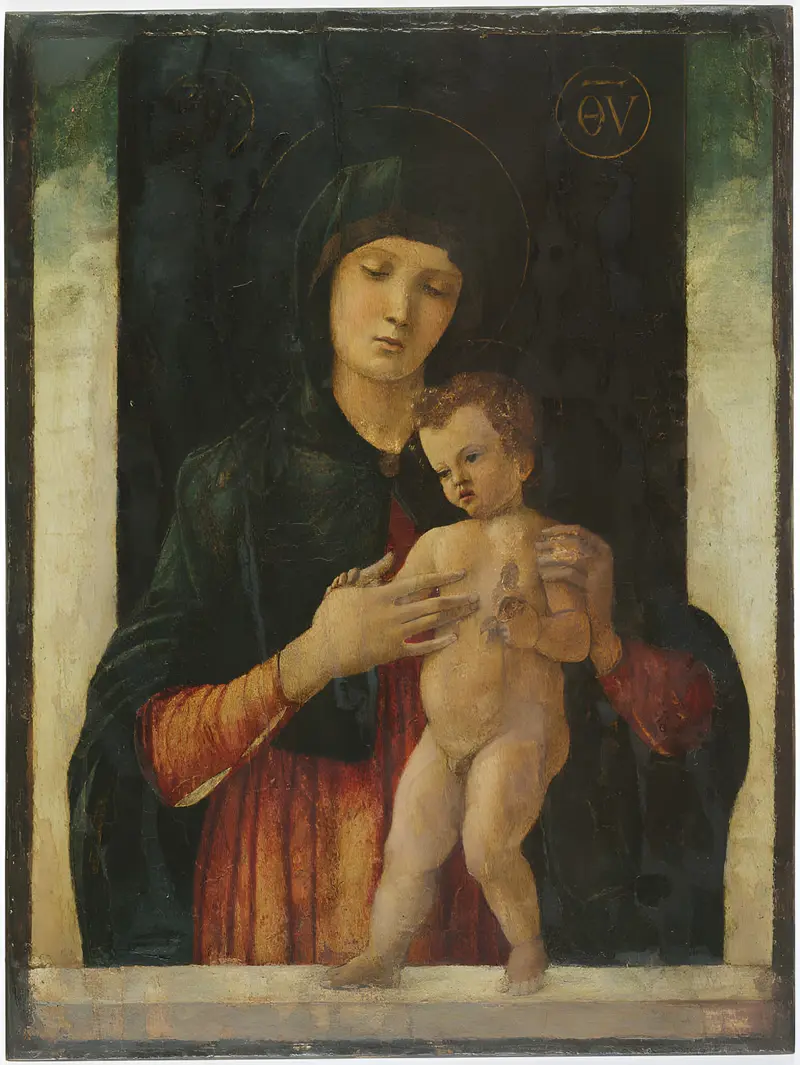
The Virgin and Child
Giovanni Bellini
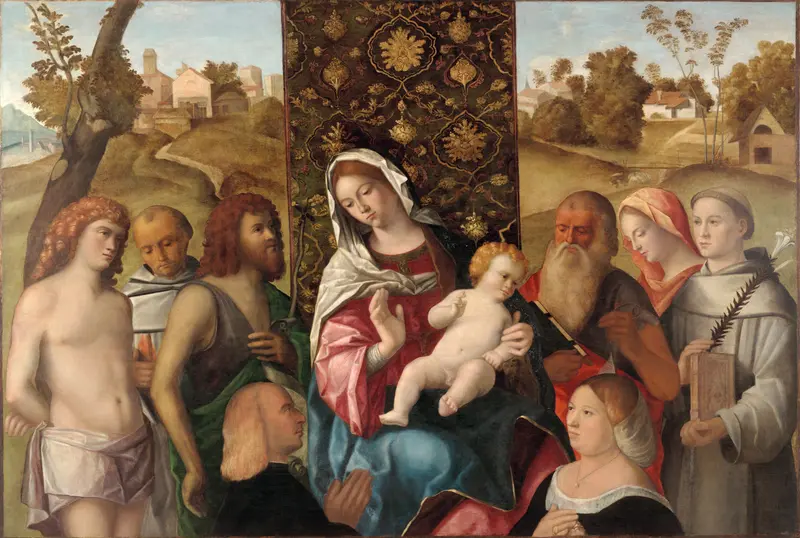
Virgin and Child with Saints Sebastian, Francis, John the Baptist, Jerome, an unidentified female saint, Saint Anthony of Padua and two donors
Giovanni Bellini
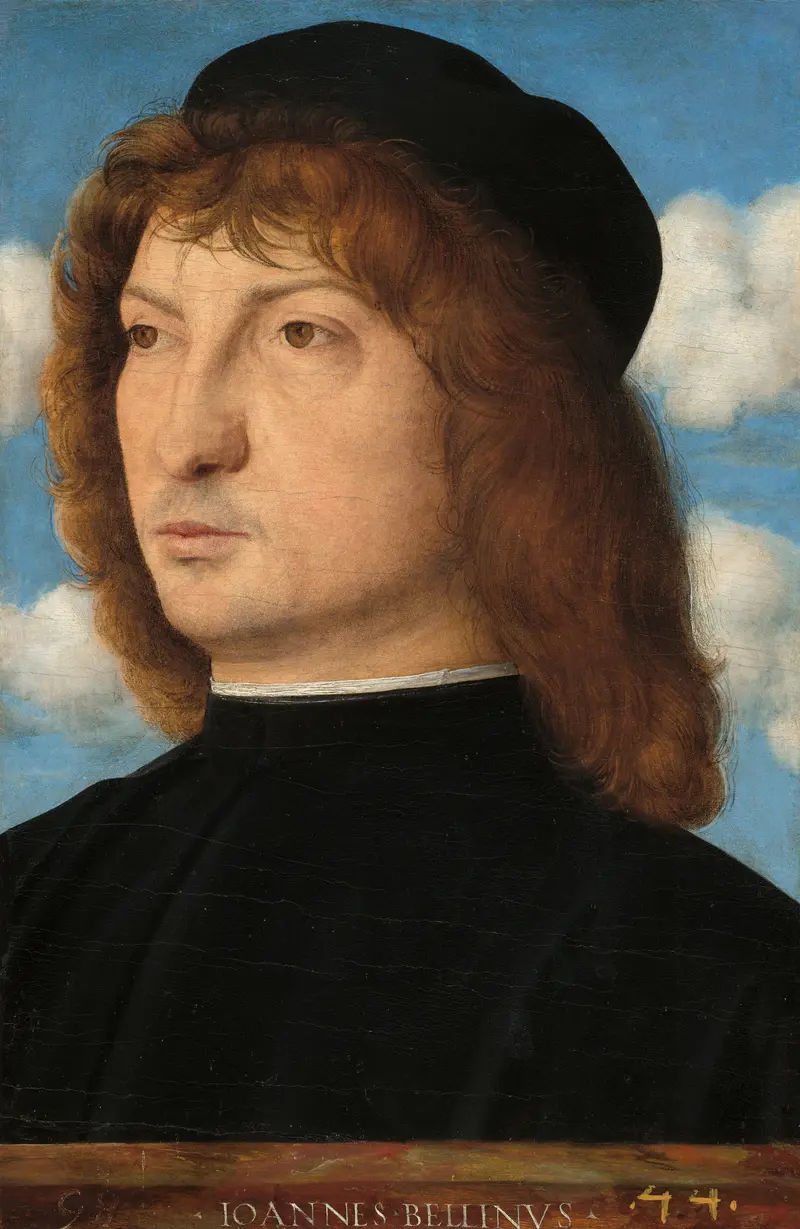
Portrait of a Venetian Gentleman
Giovanni Bellini
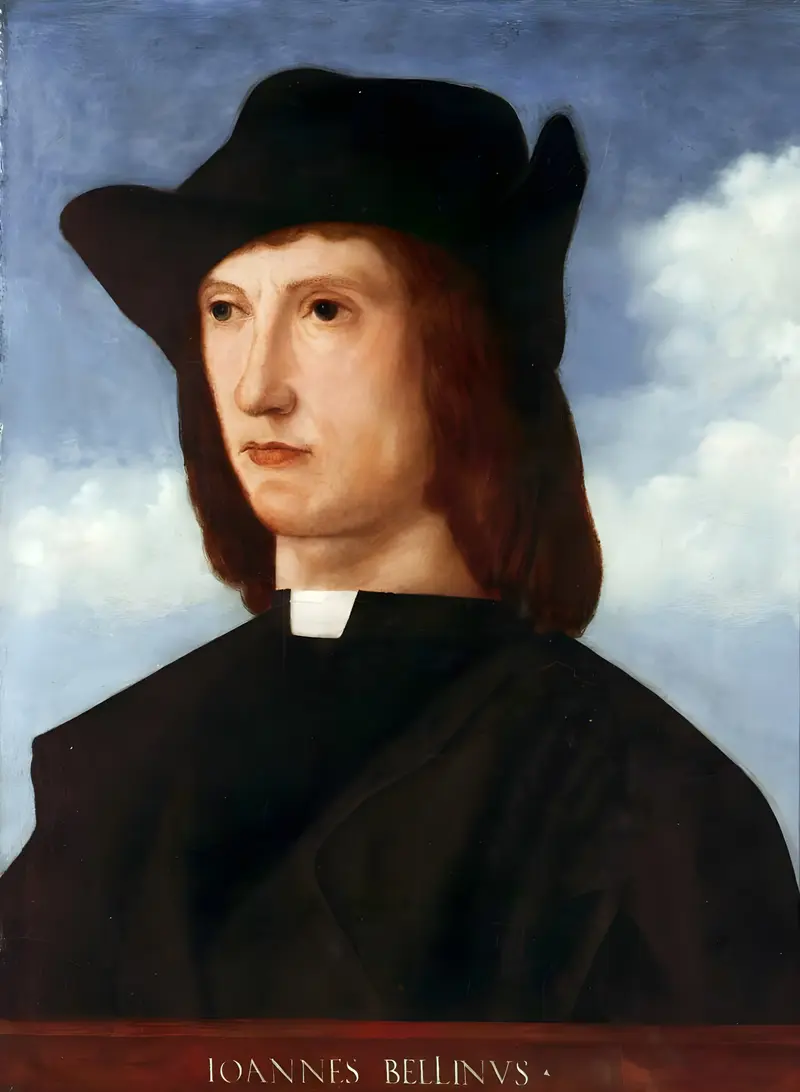
Portrait of a Young Man
Giovanni Bellini





