
Madonna with the laughing Child — History & Facts
No other painting by Giotto di Bondone has sparked as much debate as Madonna with the laughing Child, a work whose attribution has been questioned for centuries. While the painting has been linked to Giotto since at least the 19th century, its authorship remains uncertain, with some scholars pointing to stylistic differences from his more monumental frescoes. The painting’s date, 1291, places it at the dawn of the Italian Renaissance, when artists were just beginning to break away from the rigid conventions of Byzantine iconography.
This rare depiction of the Virgin Mary and Christ Child laughing together is almost unheard of in medieval art, where solemnity and gravity were the norm. The work’s medium itself is a mystery, as records do not clearly state whether it is panel, fresco, or another technique. At the heart of the painting is a moment of intimate joy: the Virgin Mary, her head gently inclined, cradles the infant Jesus, who bursts into laughter. This is not the distant, formal Madonna of earlier centuries, but a young mother caught in an unguarded moment with her child.
The Christ Child’s chubby hand reaches up, perhaps to touch his mother’s face, while Mary’s eyes crinkle in amusement. The gold background, typical of the period, sets the holy figures apart from the earthly realm, yet their humanity is unmistakable. Where Cimabue’s Madonnas remain remote and hieratic, Giotto—if indeed it is his hand—offers a glimpse of genuine affection that would influence generations of artists. Little is known about the early history of Madonna with the laughing Child, and its journey through the centuries is largely undocumented.
The lack of clear provenance and the uncertainty surrounding its medium have fueled ongoing debates about its origin and authorship. Today, the painting is recognized as a landmark of late 13th-century Italian art, regardless of whether it can be definitively assigned to Giotto. Its tender depiction of mother and child marks a turning point in the representation of sacred subjects, bridging the gap between the medieval and the emerging Renaissance sensibility.
The painting remains a touchstone for scholars and visitors alike, inviting us to reconsider what it means to see the divine in the everyday.
More Artworks by Giotto di Bondone
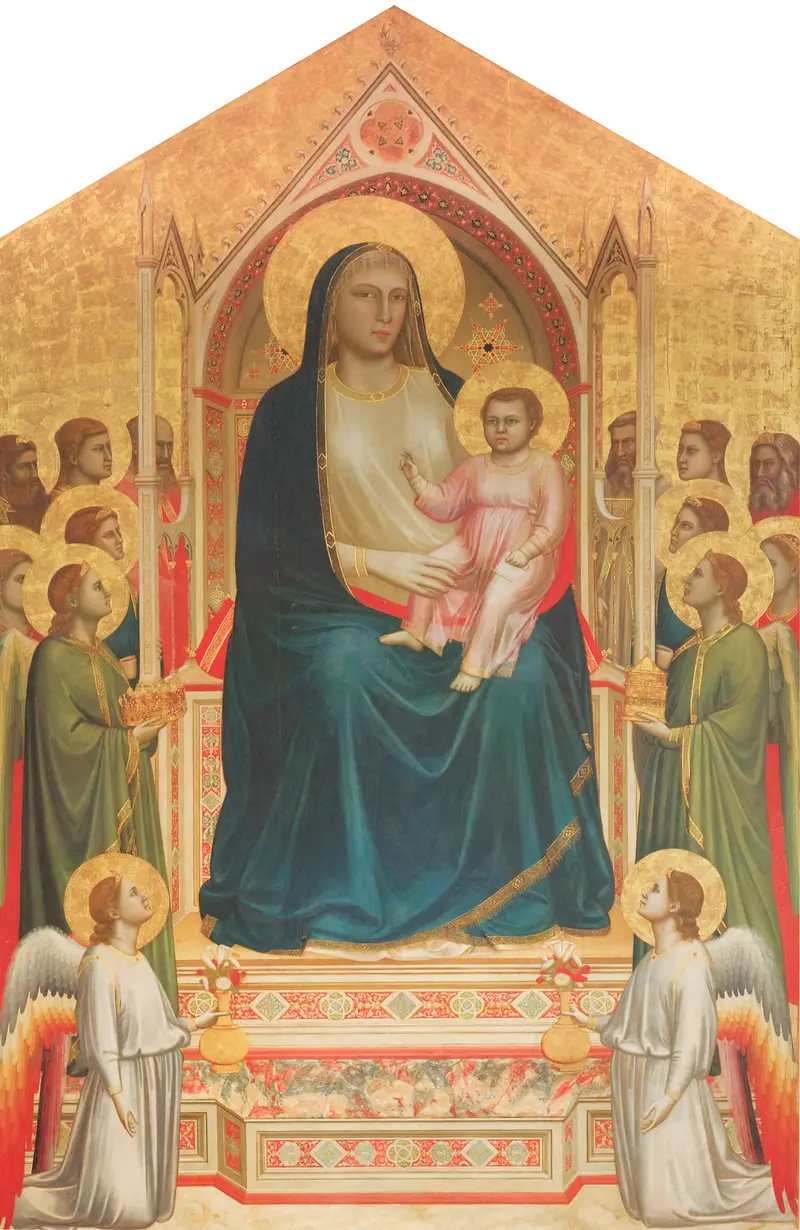
Ognissanti Madonna
Giotto di Bondone
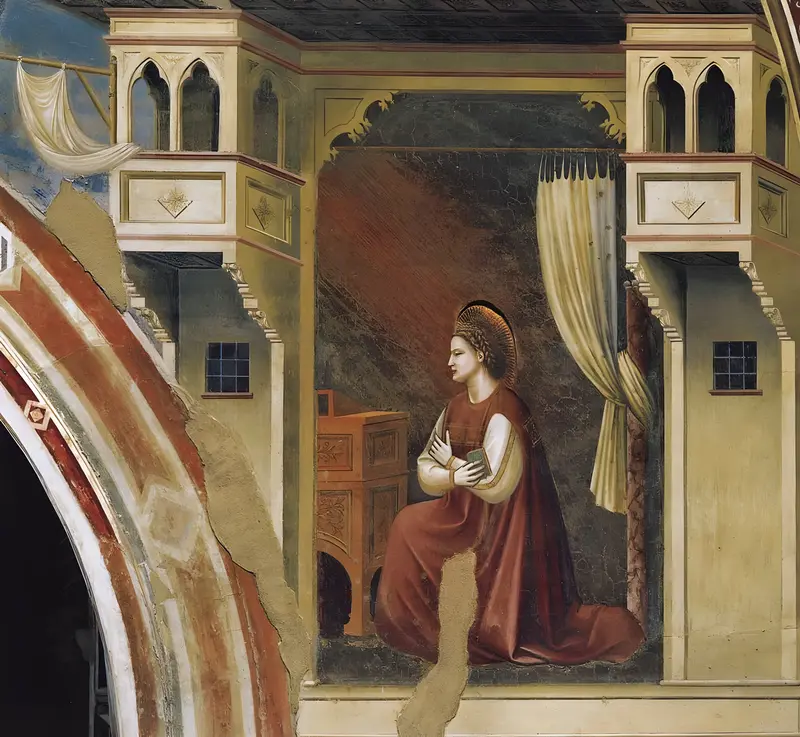
The Virgin of the Annunciation
Giotto di Bondone
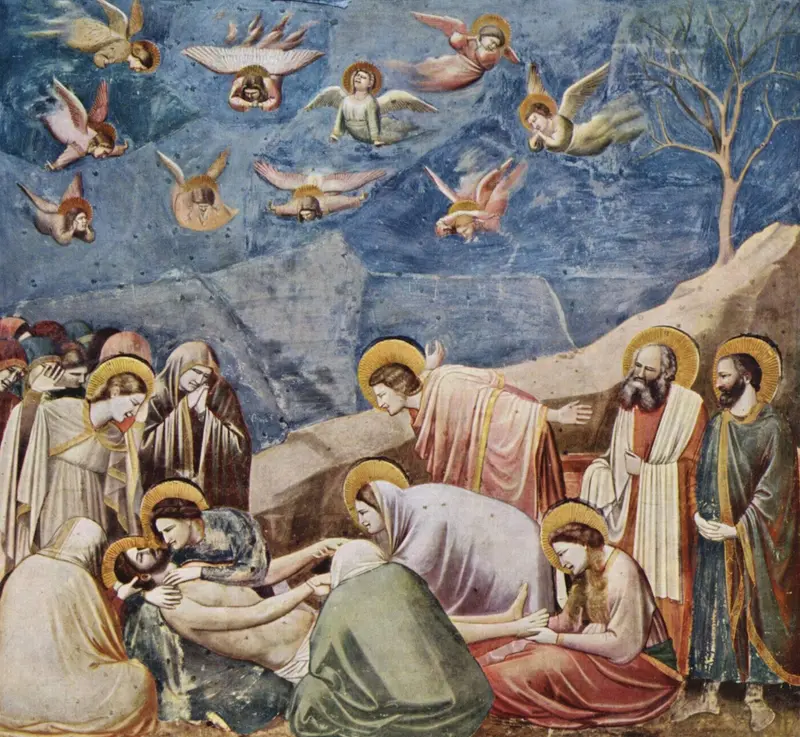
Lamentation (The Mourning of Christ)
Giotto di Bondone
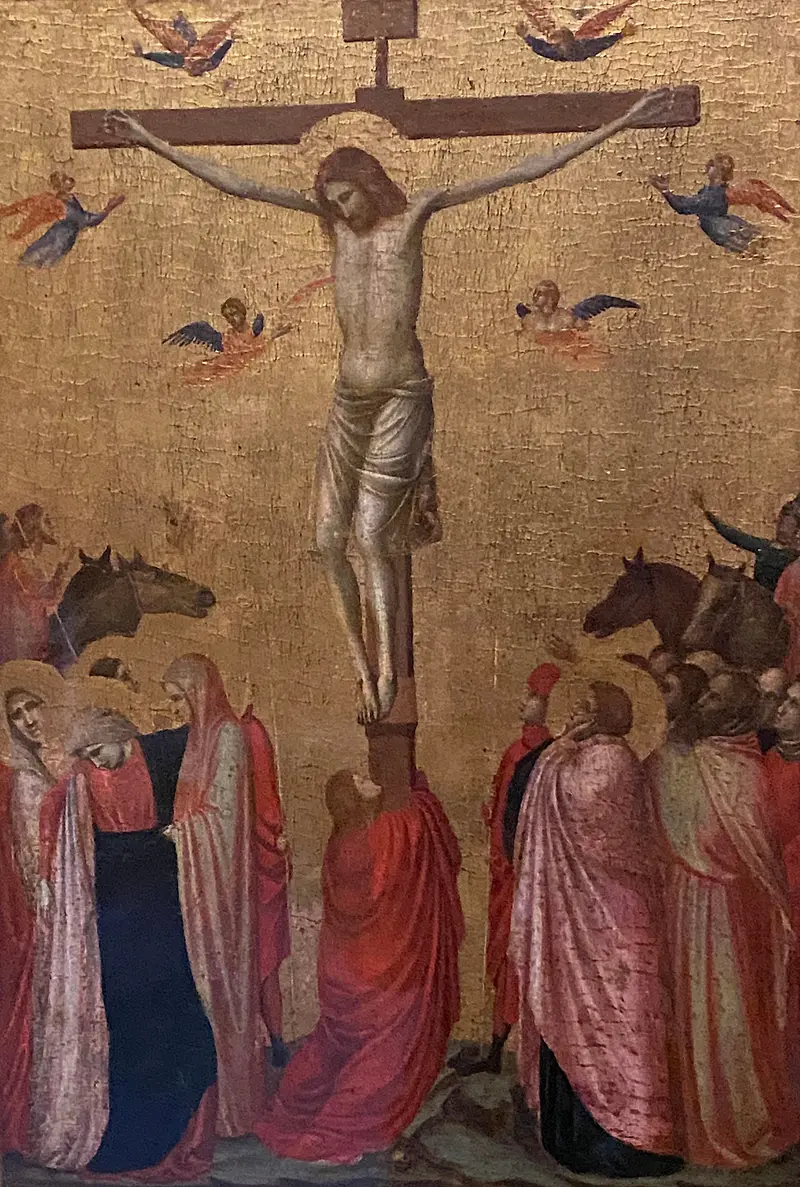
Crucifixion of Strasbourg
Giotto di Bondone
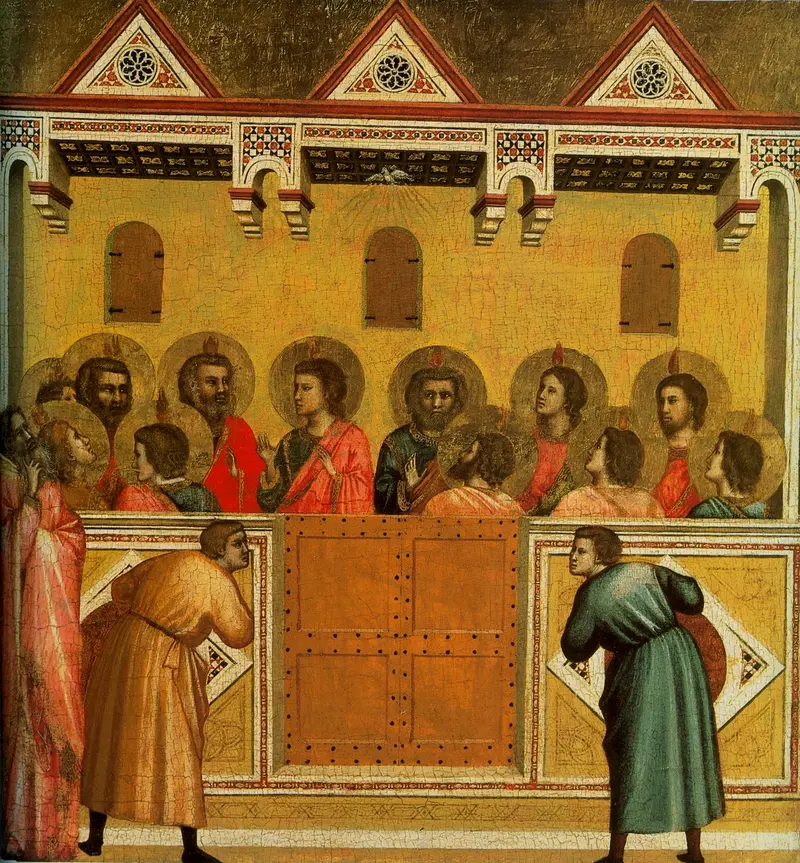
Pentecost
Giotto di Bondone
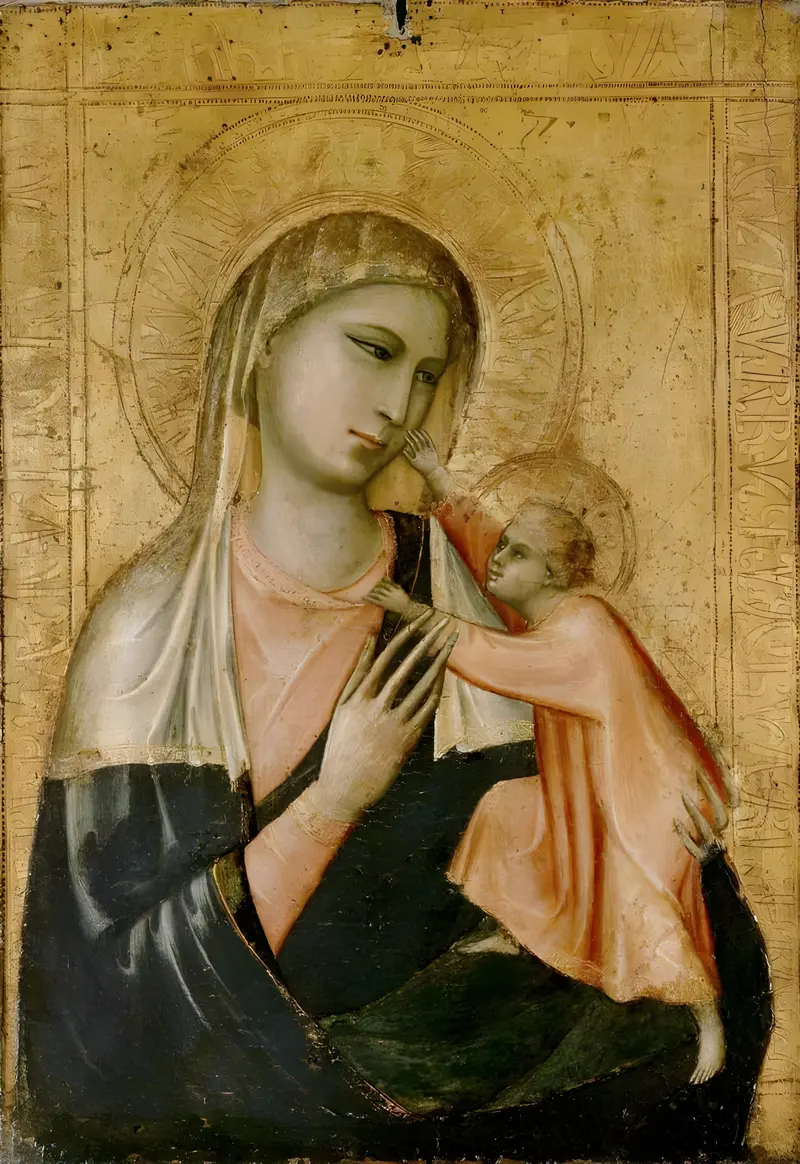
The Virgin and Child
Giotto di Bondone
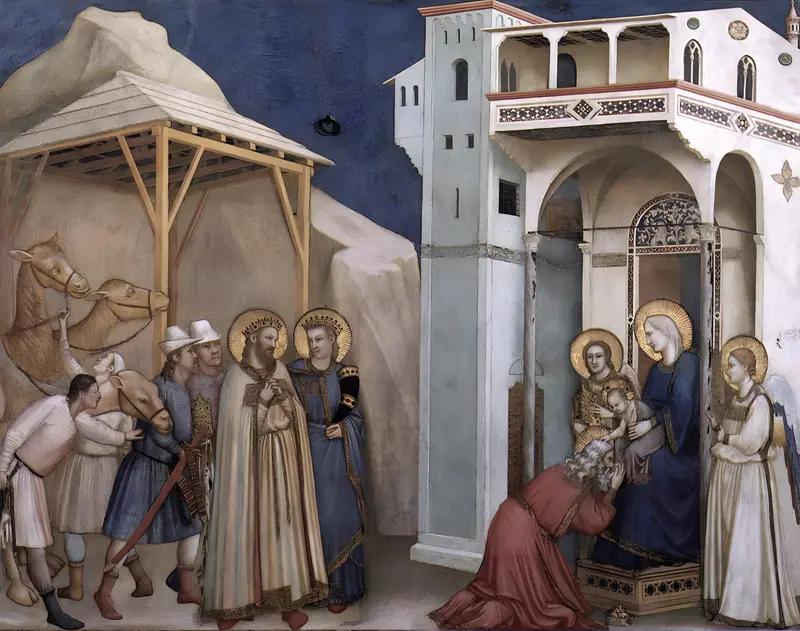
Anbetung der Könige
Giotto di Bondone
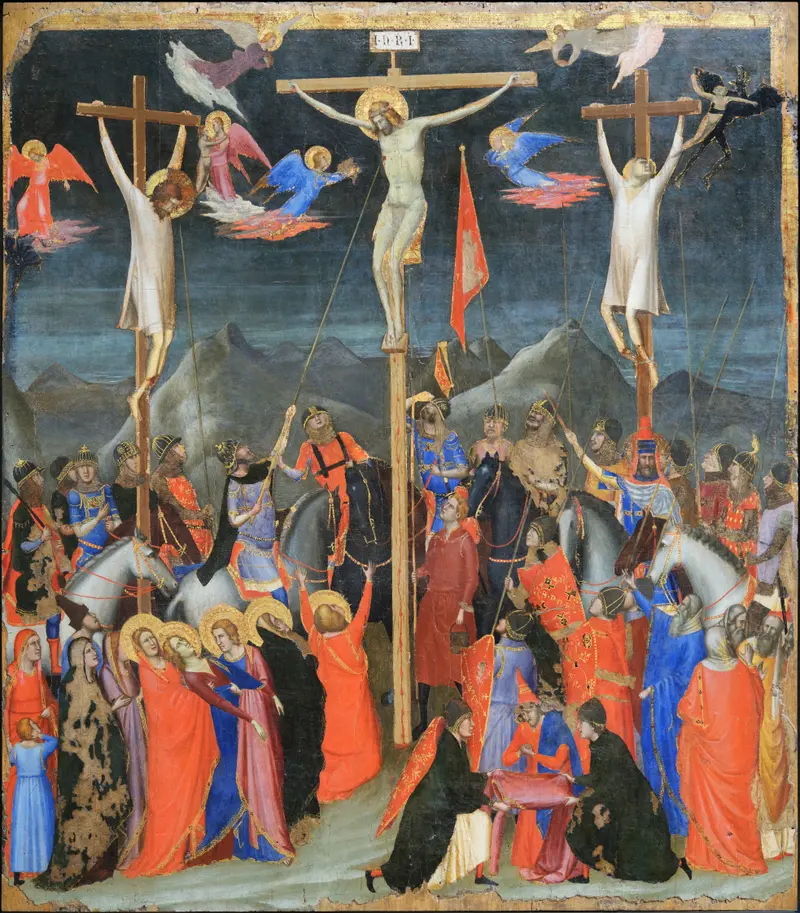
Crucifixion
Giotto di Bondone
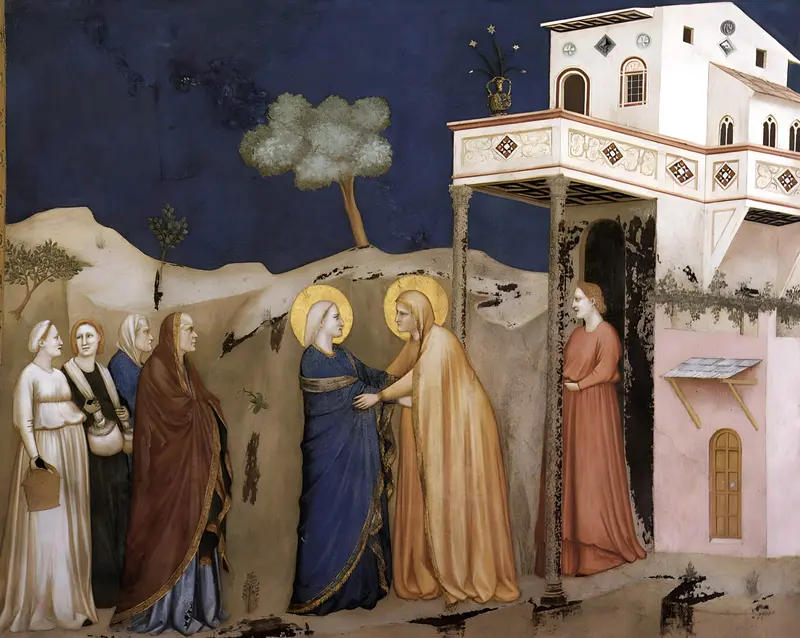
The Visitation
Giotto di Bondone
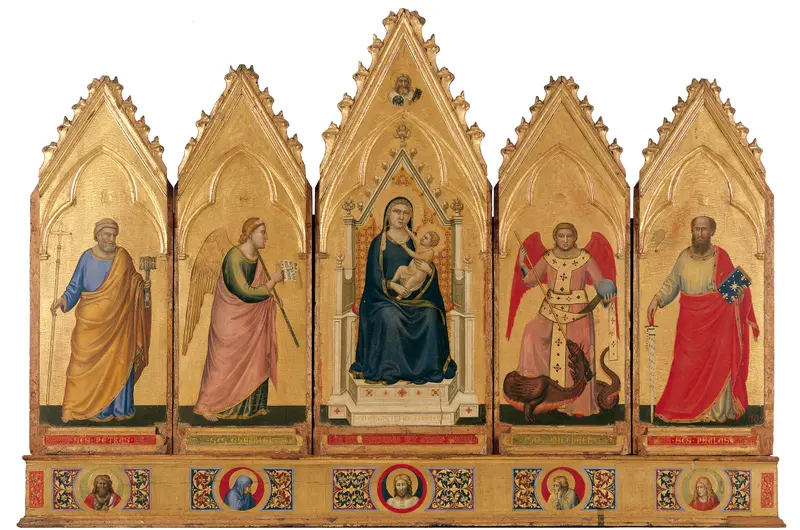
Bologna Polyptych
Giotto di Bondone





