
Man with a Hoe — History & Facts
When Man with a Hoe first appeared in 1882, it sparked immediate interest among critics who recognized in it a new direction for Georges Seurat, then just twenty-three years old. The painting stands as one of Seurat’s earliest rural scenes, created before his signature Pointillist technique emerged. Its subject—a solitary laborer in the fields—was so unusual for a young Parisian artist that one critic remarked, "He paints the peasant not as a type, but as a fact." The work’s directness and gravity set it apart from the more sentimental or picturesque rural scenes popular at the time. Seurat chooses the moment when the man, stooped and muscular, pauses mid-task, his hoe resting on the earth.
The laborer’s broad back fills the foreground, his face turned away, emphasizing the anonymity and endurance of rural toil. The muted palette—earthy browns, ochres, and greens—anchors the figure in the landscape, while the low horizon and heavy sky press down, reinforcing the sense of burden. Unlike Jean-François Millet’s famous The Man with the Hoe, which sentimentalizes the peasant’s plight, Seurat’s figure is neither heroic nor pitiable; he simply is, absorbed in his endless work.
The painting’s realism, stripped of narrative embellishment, quietly insists on the dignity of manual labor. The exact early history of Man with a Hoe is not fully documented, but it is believed to have remained in Seurat’s possession until his death in 1891, as it was not listed in the major exhibitions of his lifetime. The painting marks a pivotal stage in Seurat’s development, bridging his academic training and his later innovations in color and technique. Today, it stands as a testament to his early fascination with working-class subjects and his commitment to depicting modern life.
Man with a Hoe is now held in a private collection, rarely exhibited, but it remains a touchstone for understanding Seurat’s roots in the realism of the early 1880s.
More Artworks by Georges Seurat
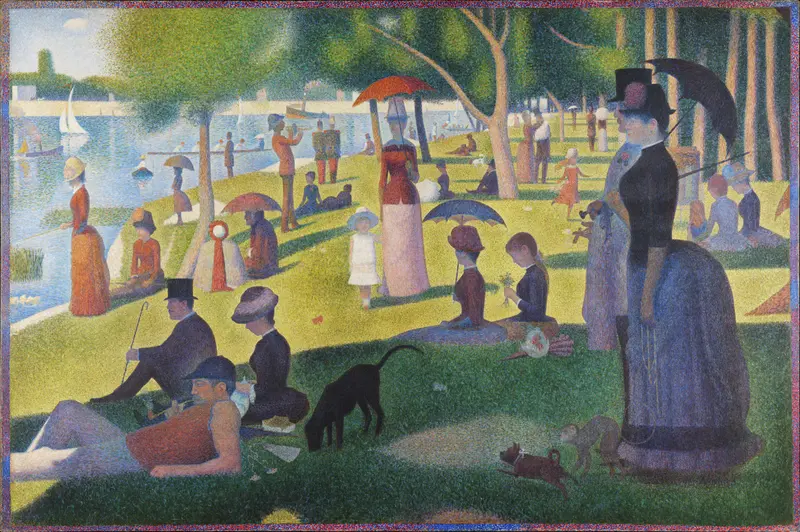
A Sunday Afternoon on the Island of La Grande Jatte
Georges Seurat
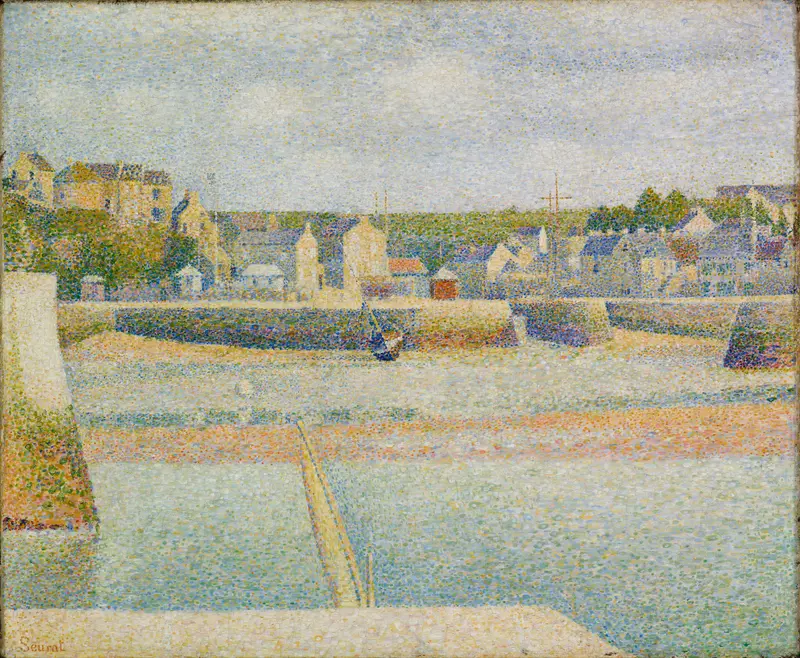
Port-en-Bessin, The Outer Harbor (Low Tide)
Georges Seurat
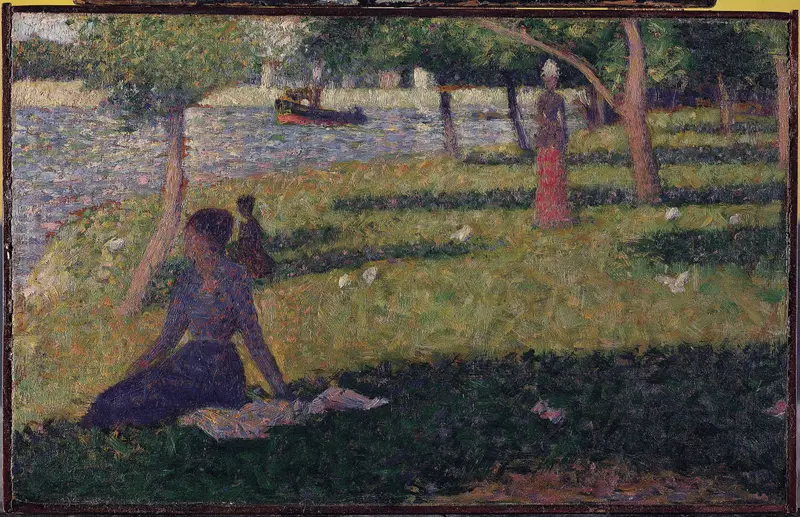
Étude pour ‘La Grande Jatte’ (Study for ‘La Grande Jatte’)
Georges Seurat
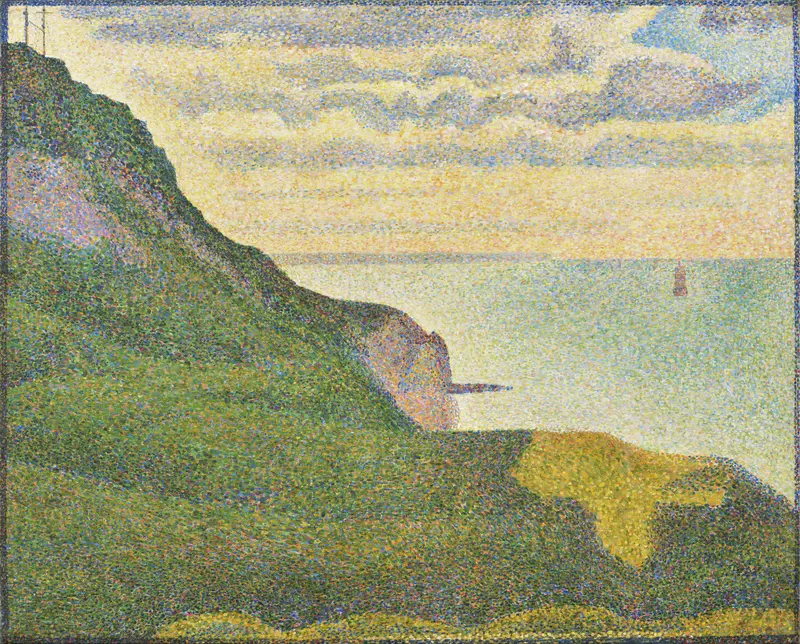
Seascape at Port-en-Bessin,Normandy
Georges Seurat
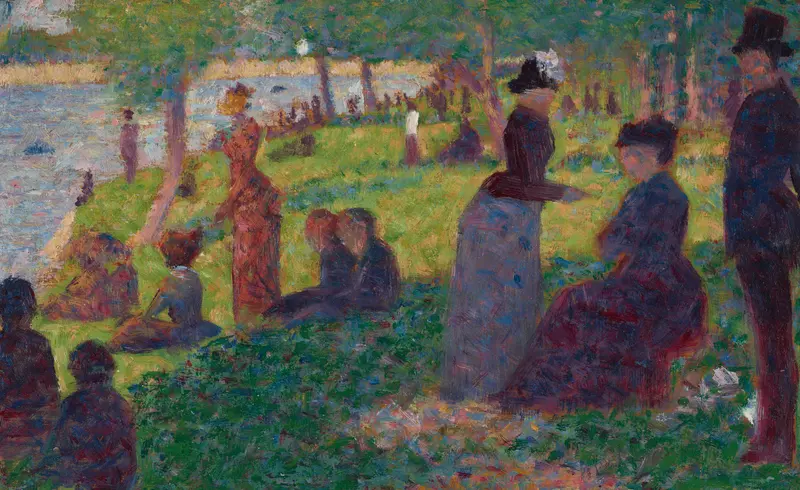
Oil Sketch for "A Sunday on La Grande Jatte — 1884"
Georges Seurat
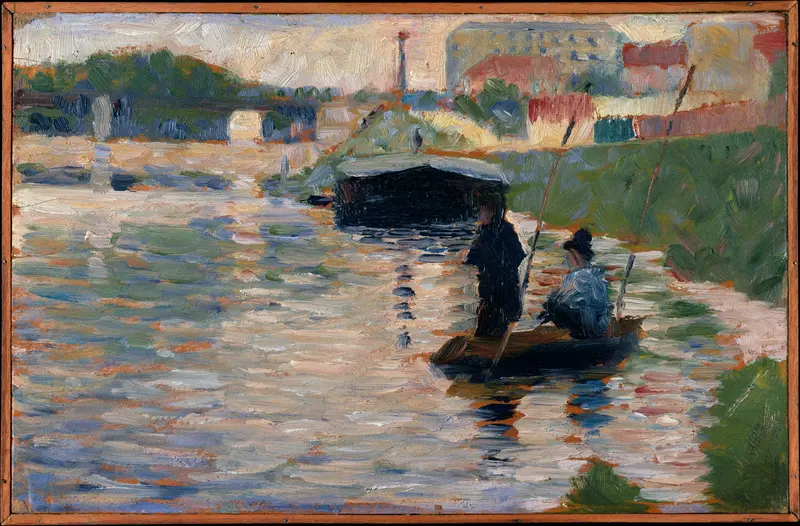
View of the Seine
Georges Seurat
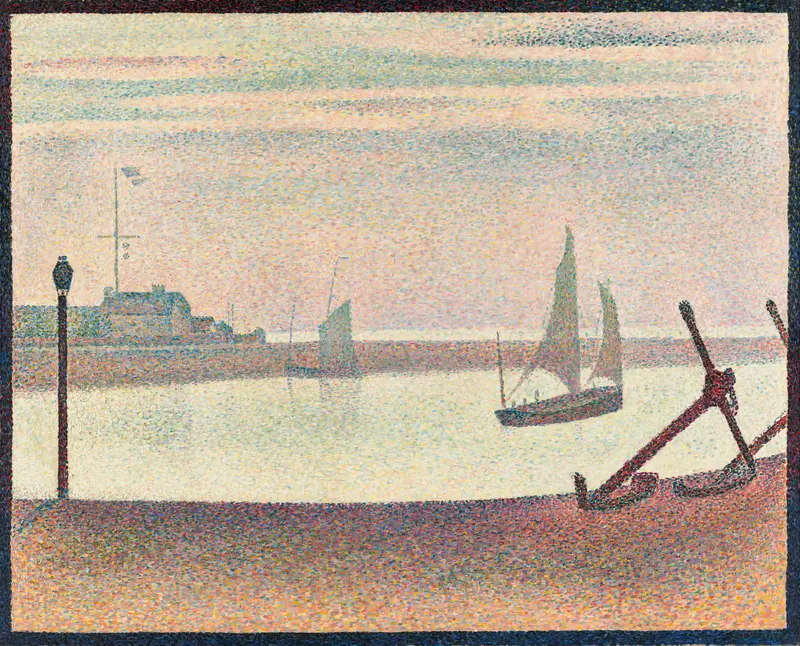
The Channel at Gravelines, Evening
Georges Seurat
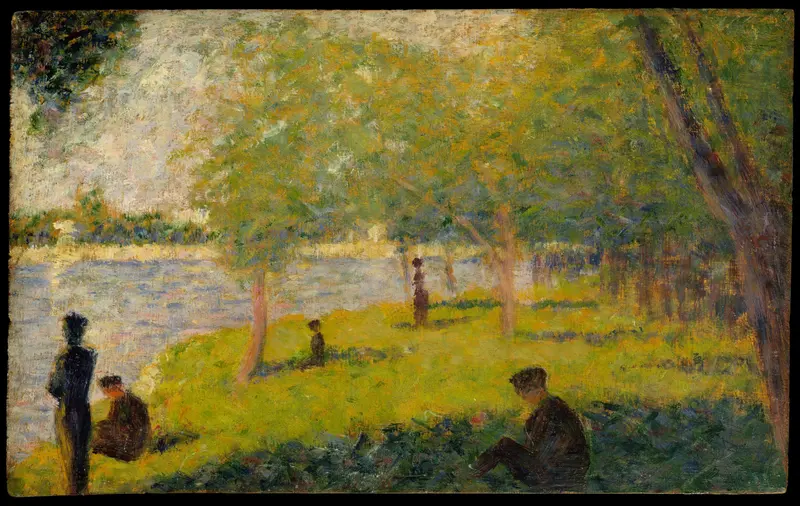
Study for ‘A Sunday on La Grande Jatte’
Georges Seurat
Study for A Sunday on La Grande Jatte
Georges Seurat
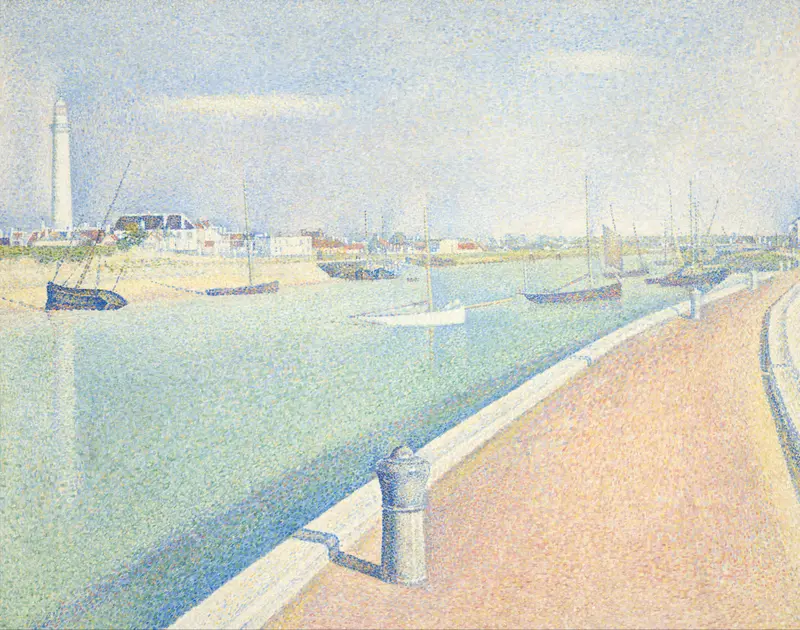
The Channel of Gravelines, Petit Fort Philippe
Georges Seurat
More Genre Scene Art

Banquet of the Officers of the St George Civic Guard
Frans Hals

Rembrandt and Saskia in the Scene of the Prodigal Son
Rembrandt van Rijn

Bal du moulin de la Galette
Pierre-Auguste Renoir

Quadrille at the Moulin Rouge
Henri de Toulouse-Lautrec

A Burial at Ornans
Gustave Courbet

When Will You Marry?
Paul Gauguin