
Mariana in the South — History & Facts
A shaft of morning light falls across the black-and-white tiles, catching the sweep of a woman's impossibly long hair as she lifts it from her neck. The mirror, tall and oval, holds her reflection in a private moment—her lips parted, eyes half-closed, lost in thought or memory. Scattered letters at her feet, some torn, hint at a story of longing or regret, while the single red flower at her breast draws the eye to her heart.
The artist’s brush lingers on textures: the sheen of her white gown, the cool geometry of the floor, the heavy green shadows of the chamber. Every detail is chosen to draw us into her solitude, the hush of anticipation before she steps into the world beyond the door. Painted in the 1890s by John William Waterhouse, this work belongs to a moment when British art reveled in romance, myth, and introspection. The Pre-Raphaelite movement, with which Waterhouse is often associated, looked back to medieval and literary subjects, favoring luminous color and elaborate detail.
Such paintings were often commissioned for private enjoyment, meant to inspire reverie or conversation among their viewers. The date and sources confirm this piece's roots in that world, but history has kept few traces of its early journey. What remains is the image itself—inviting us to linger with Mariana, to wonder at the letters, the mirror, and the story that flickers just out of reach.
More Artworks by John William Waterhouse
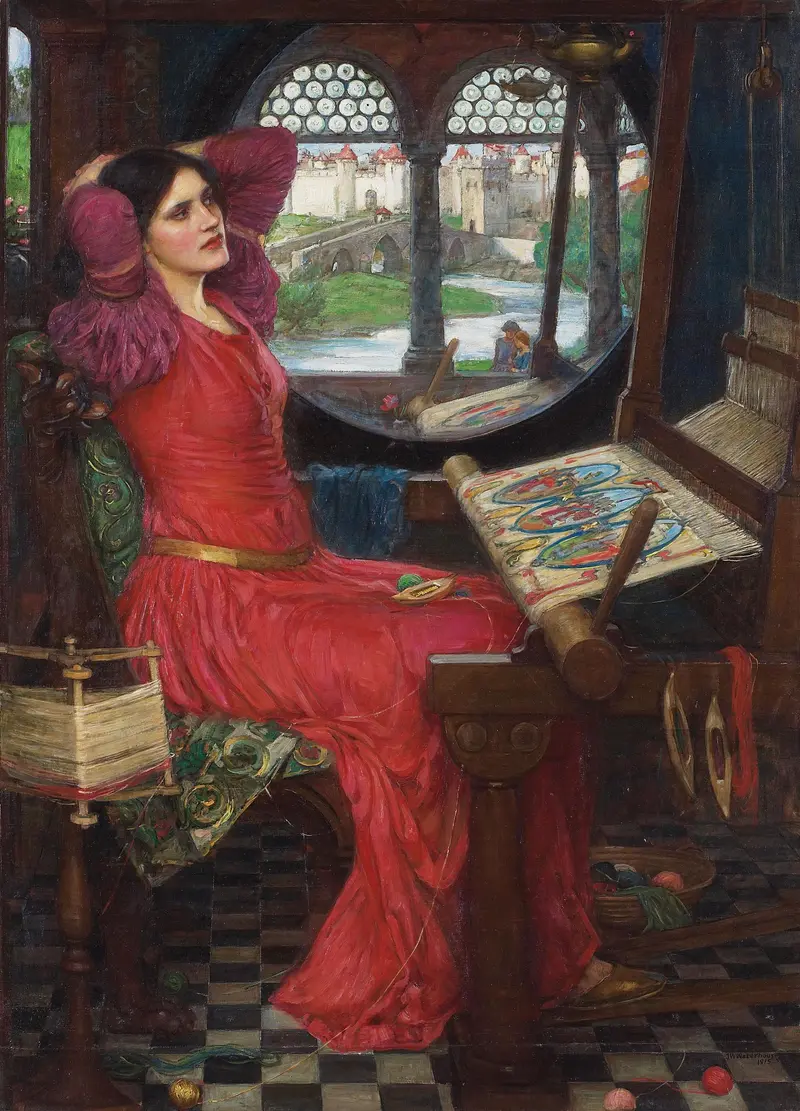
'I Am Half-Sick of Shadows,' Said the Lady of Shalott
John William Waterhouse

The Favourites of the Emperor Honorius, 1883
John William Waterhouse
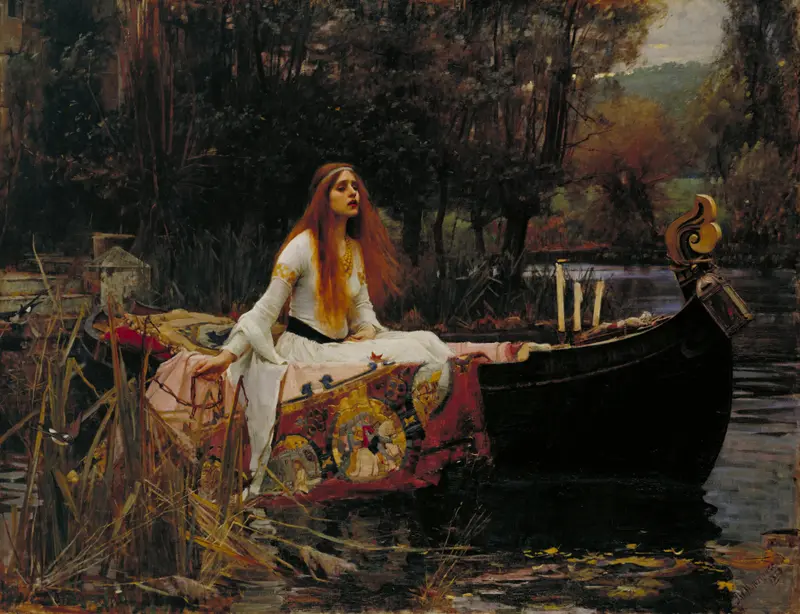
The Lady of Shalott
John William Waterhouse
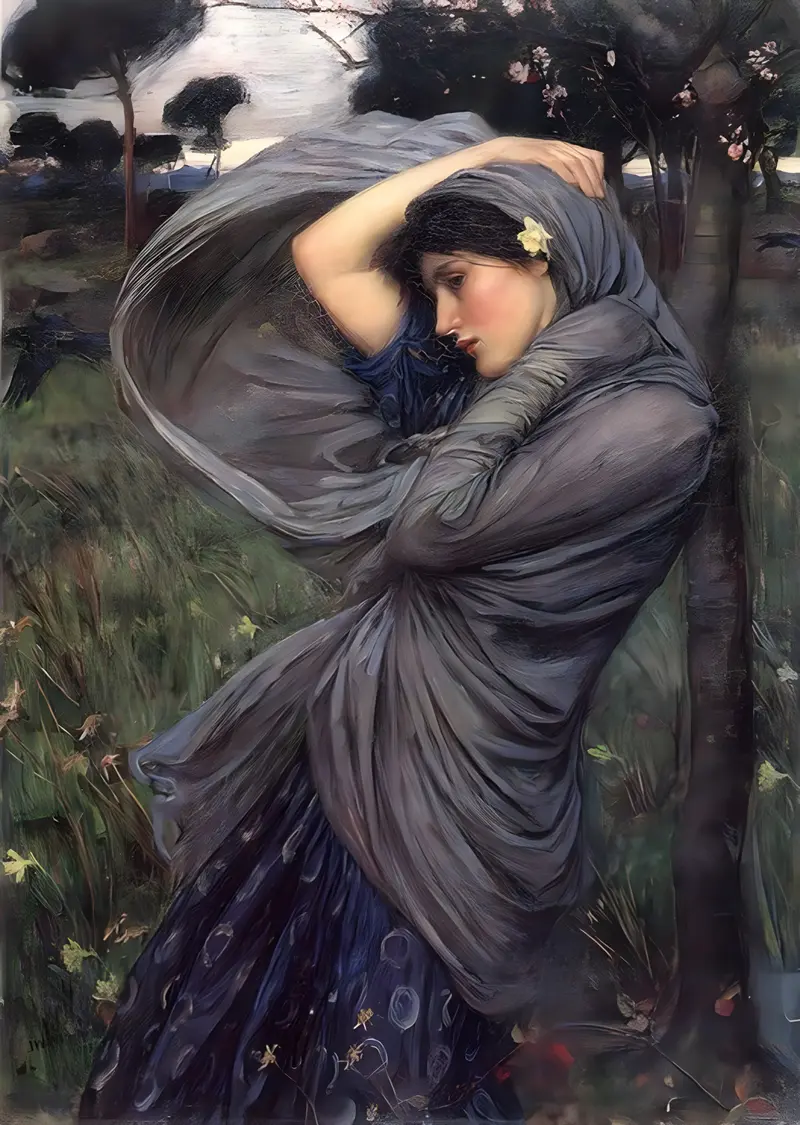
Boreas
John William Waterhouse
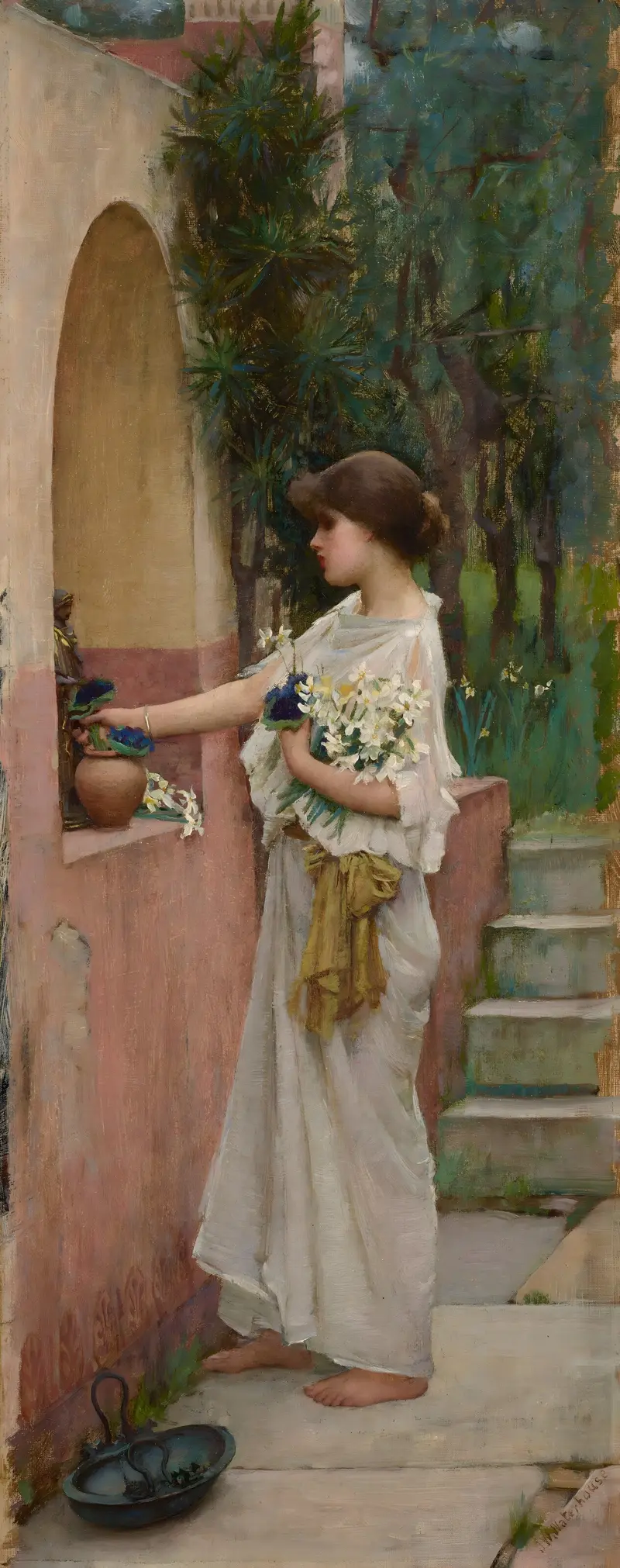
A Roman Offering
John William Waterhouse
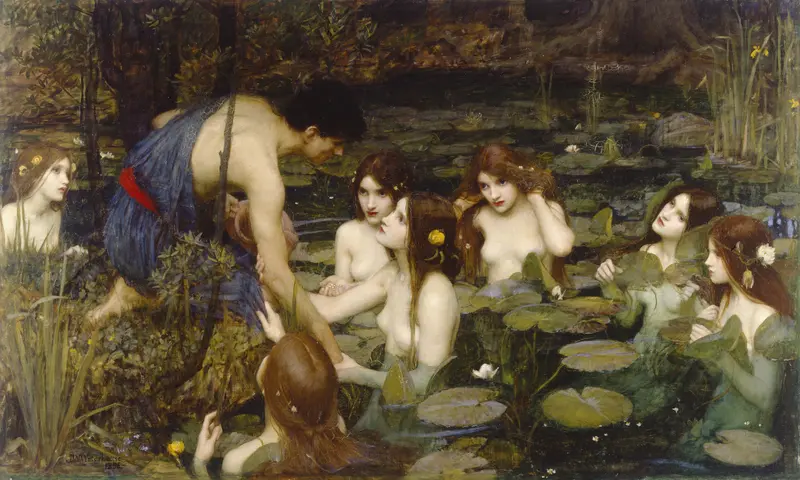
Hylas and the Nymphs
John William Waterhouse
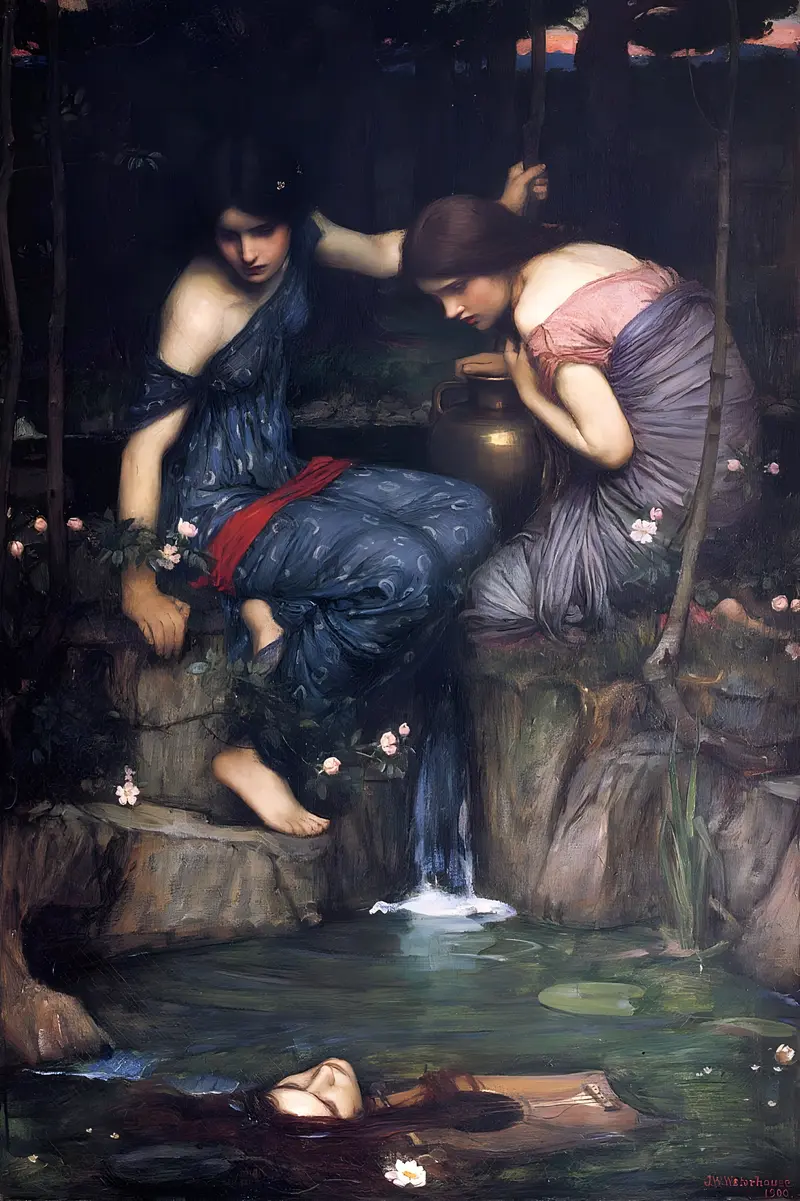
Nymphs Finding the Head of Orpheus
John William Waterhouse
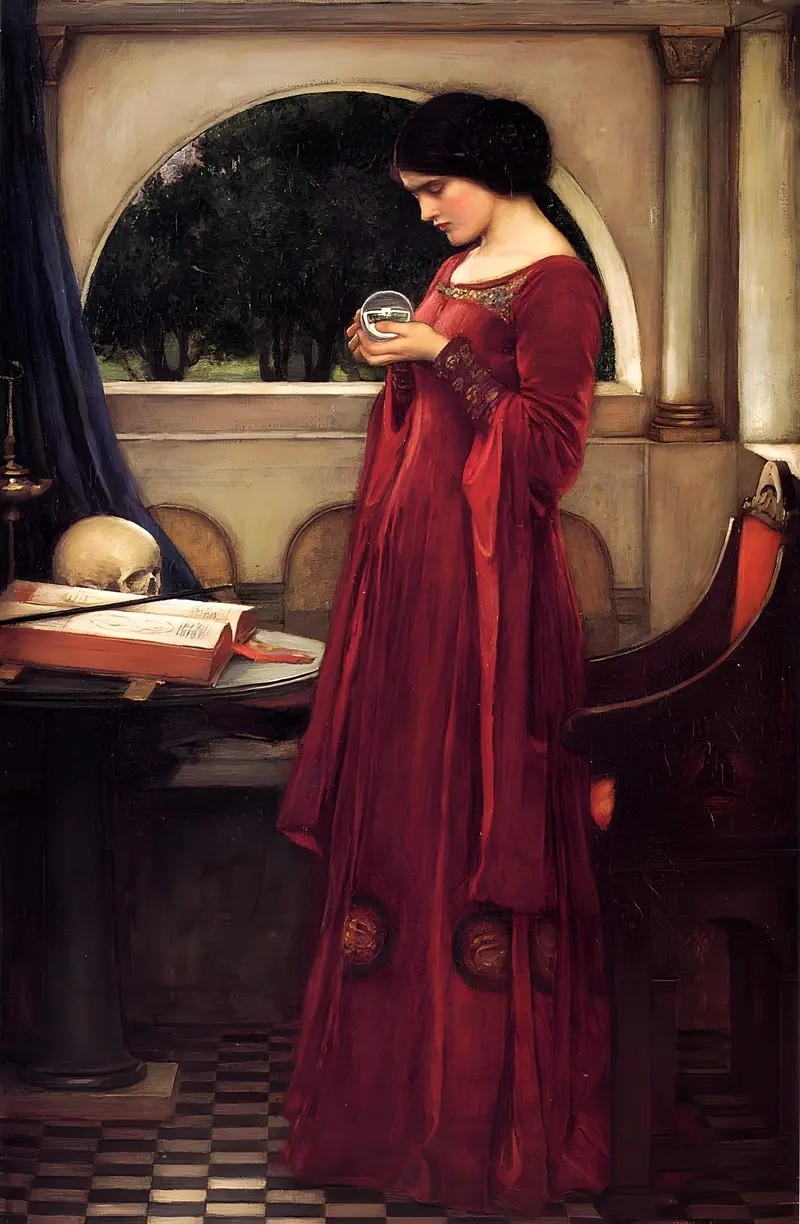
The Crystal Ball
John William Waterhouse
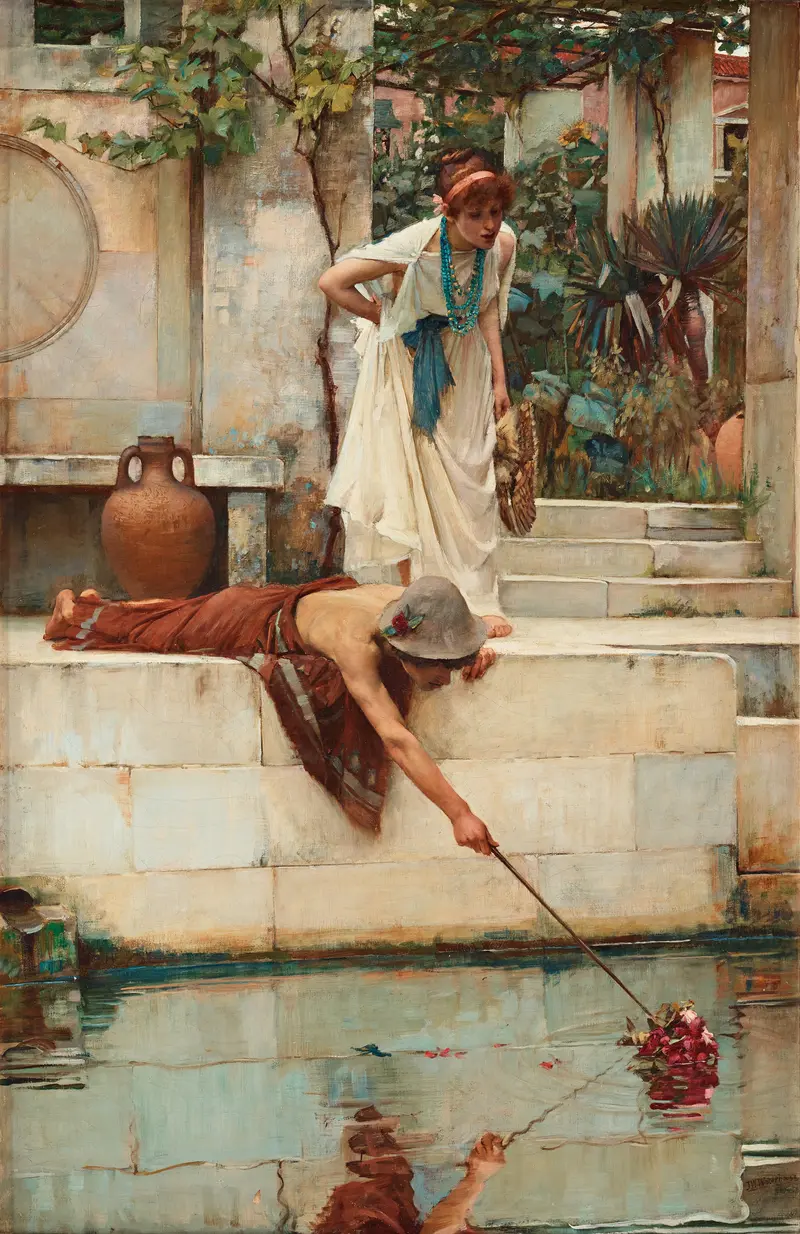
The Rescue
John William Waterhouse
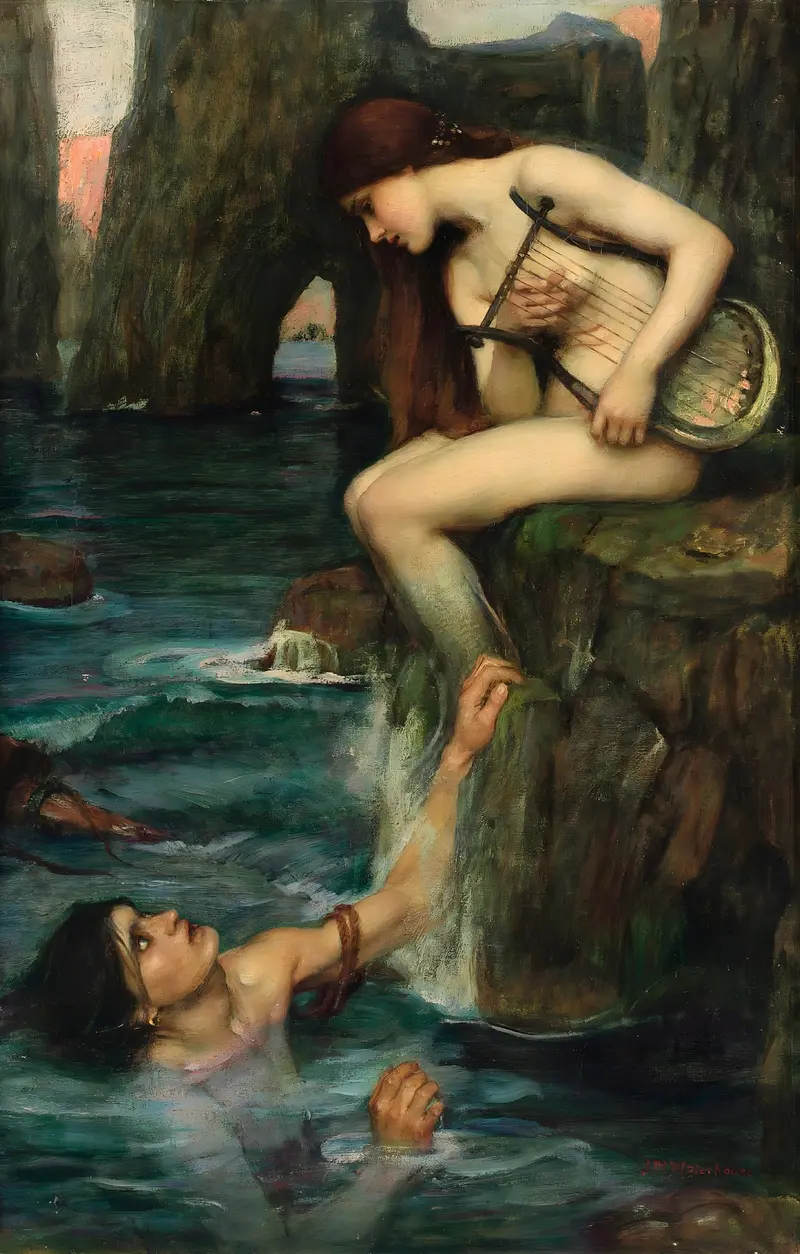
The Siren, 1900
John William Waterhouse





