
Mary Magdalene holding a Skull — History & Facts
When Artemisia Gentileschi painted Mary Magdalene holding a Skull in 1631, she was living in Naples, at the height of her fame and independence. This painting stands out among her Magdalene works for its intense intimacy and psychological depth, and it is one of several versions she created of this repentant saint. Scholars have long debated whether this Magdalene is a self-portrait, as Artemisia often used her own features in her heroines, blurring the line between artist and subject.
The painting’s provenance is uncertain, but its emotional charge and direct gaze have made it a touchstone for discussions of female agency in the Baroque era. At the moment Artemisia chooses, Mary Magdalene is caught in solitary contemplation, her hand resting on a skull—a classic symbol of mortality and repentance. The saint’s gaze is downcast, her loose hair and exposed shoulder hinting at both her past as a sinner and her vulnerability in the act of penance. The light falls across her face and hands, drawing the viewer into her moment of reckoning, while the darkness behind her suggests the weight of her past.
Unlike Caravaggio’s more theatrical Magdalene, Artemisia’s version is quieter, more inward, emphasizing not drama but the gravity of self-reflection. The skull, the open book, and the absence of other figures focus all attention on Magdalene’s internal struggle. The precise early history of Mary Magdalene holding a Skull remains unclear, as records from Artemisia’s Neapolitan period are fragmentary. It is likely that the painting was commissioned by a private patron, as Magdalene was a popular devotional subject in 17th-century Italy.
Over the centuries, the painting has been attributed and reattributed, reflecting the shifting fortunes of Artemisia Gentileschi’s reputation. Today, it stands as a testament to her ability to reinterpret traditional themes through a distinctly personal lens, and it continues to attract attention wherever it is exhibited, often cited as a key work from her mature period.
More Artworks by Artemisia Gentileschi

Judith Beheading Holofernes
Artemisia Gentileschi
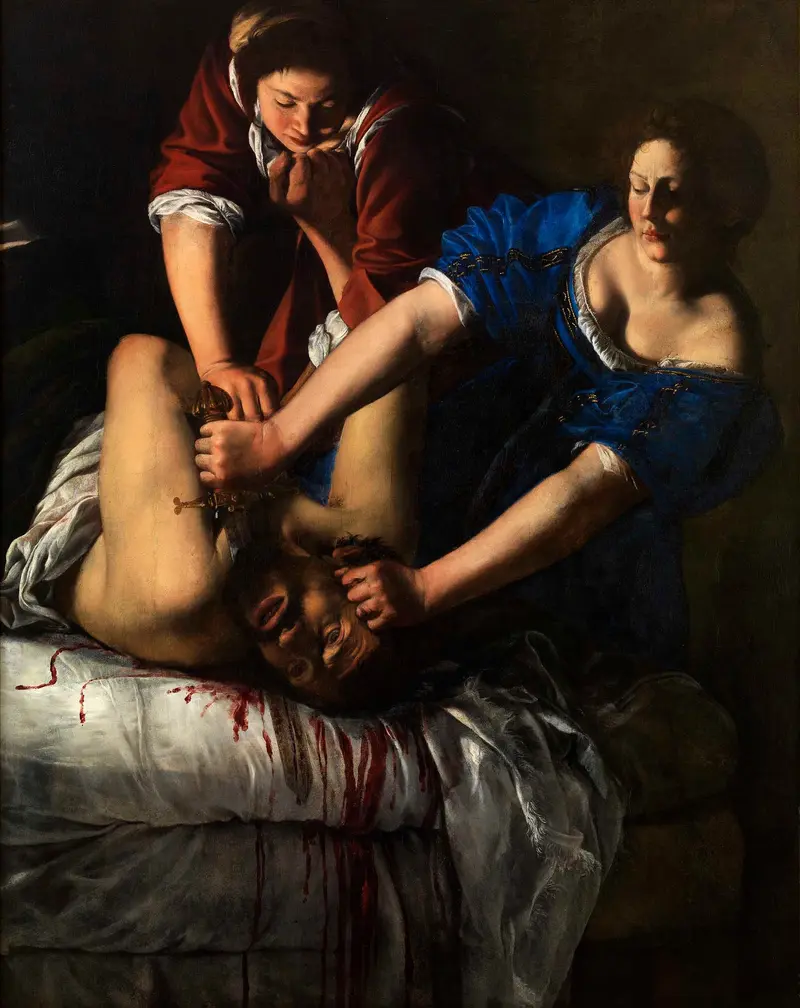
Judith Slaying Holofernes
Artemisia Gentileschi
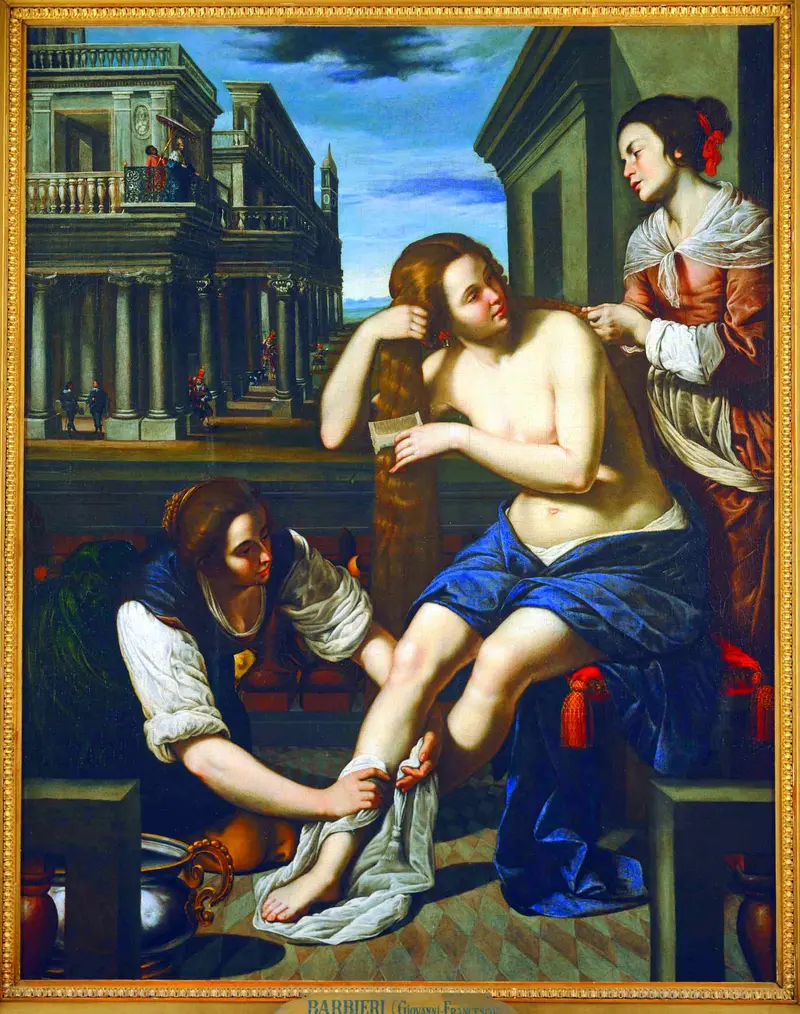
Bathsheba at Her Bath
Artemisia Gentileschi
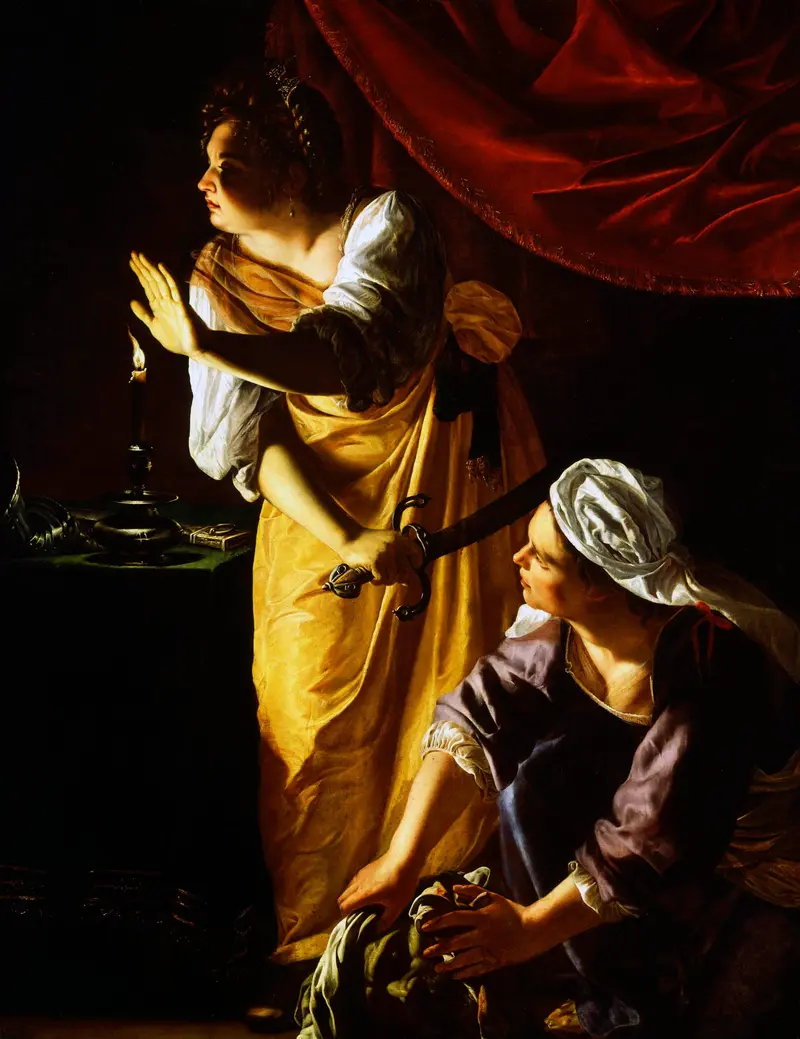
Judith and Maidservant with Head of Holofernes
Artemisia Gentileschi
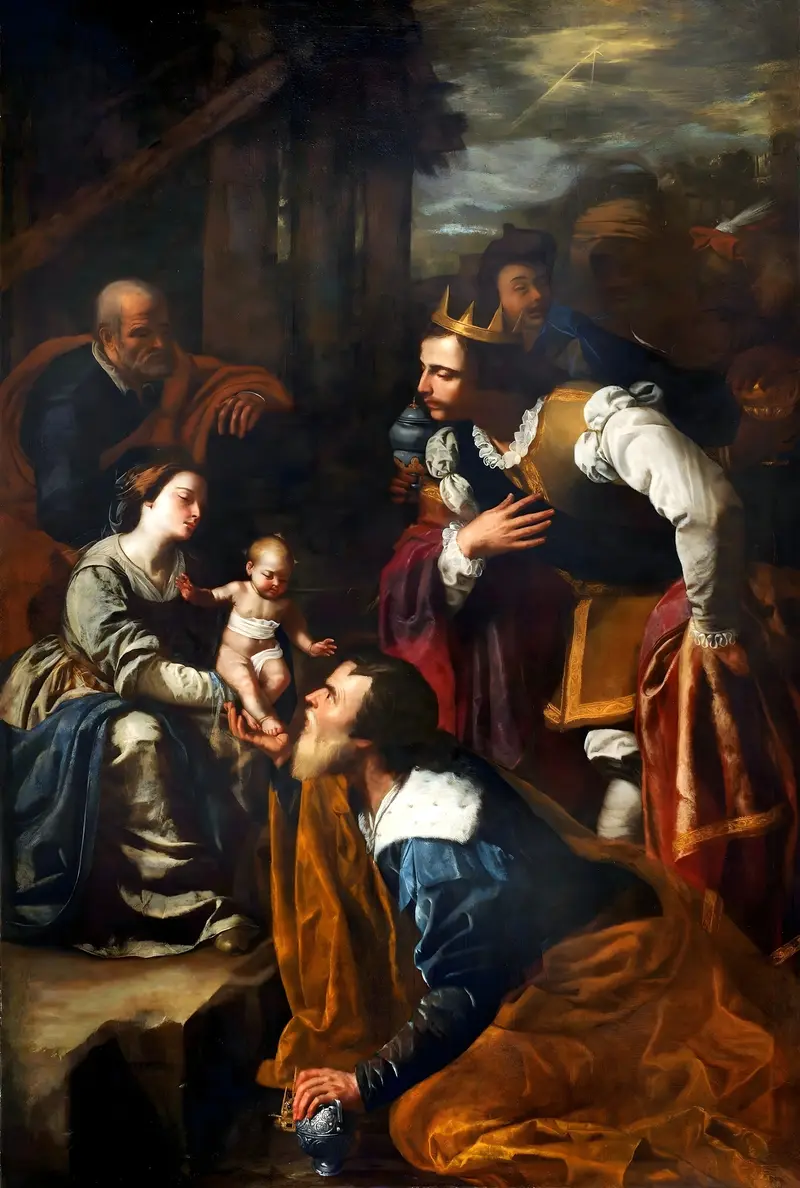
Adoration of the Magi
Artemisia Gentileschi
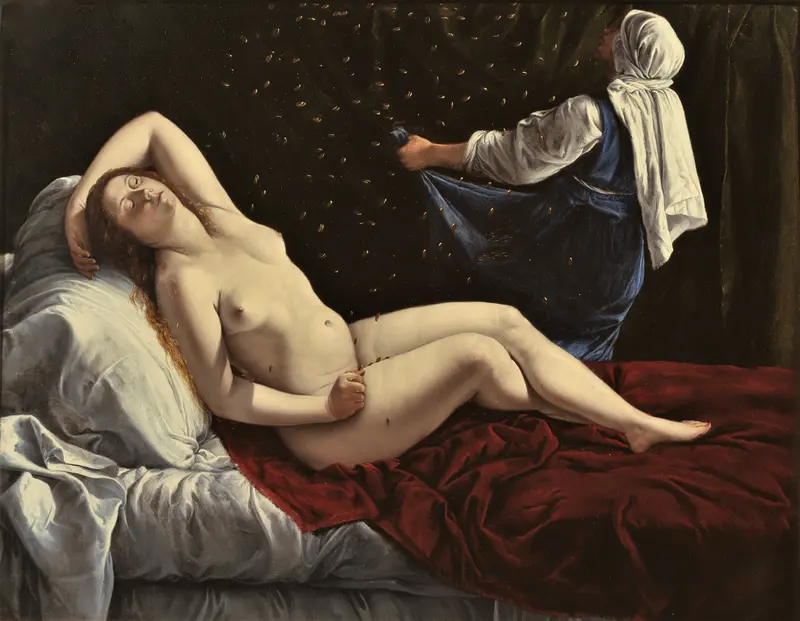
Danaë
Artemisia Gentileschi
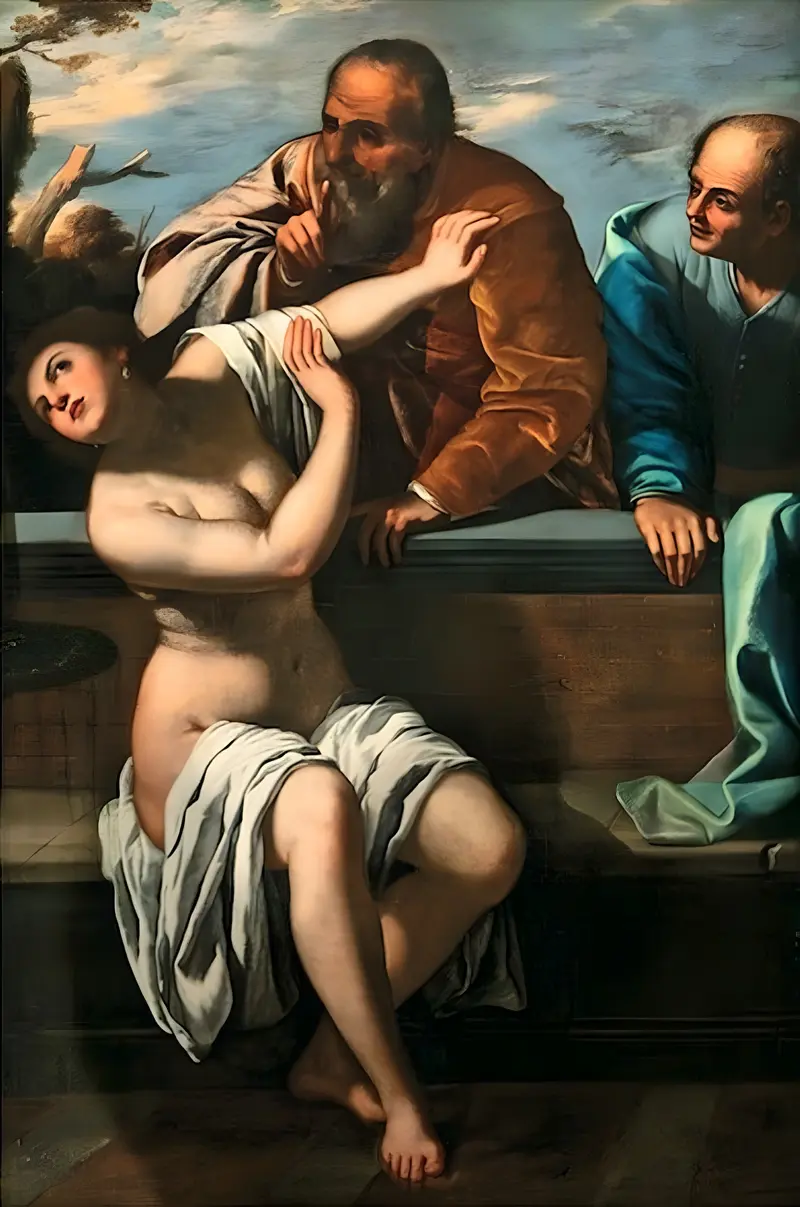
Susannah and the Elders
Artemisia Gentileschi

Judith and her Servant with the Head of Holofernes
Artemisia Gentileschi
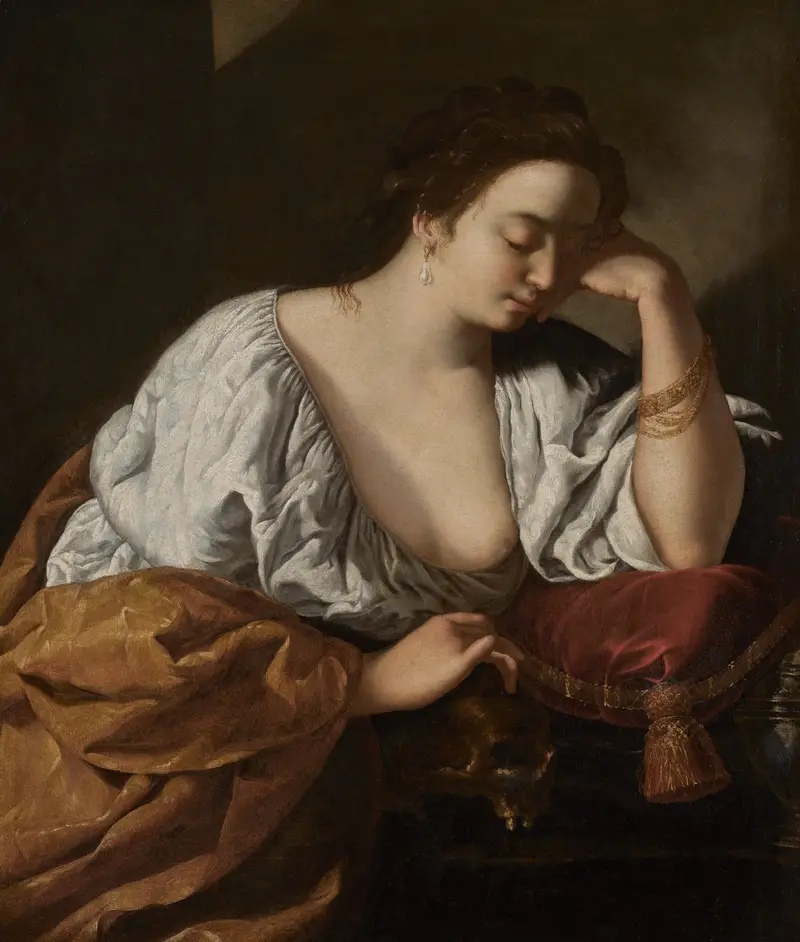
Madeleine pénitente, par
Artemisia Gentileschi
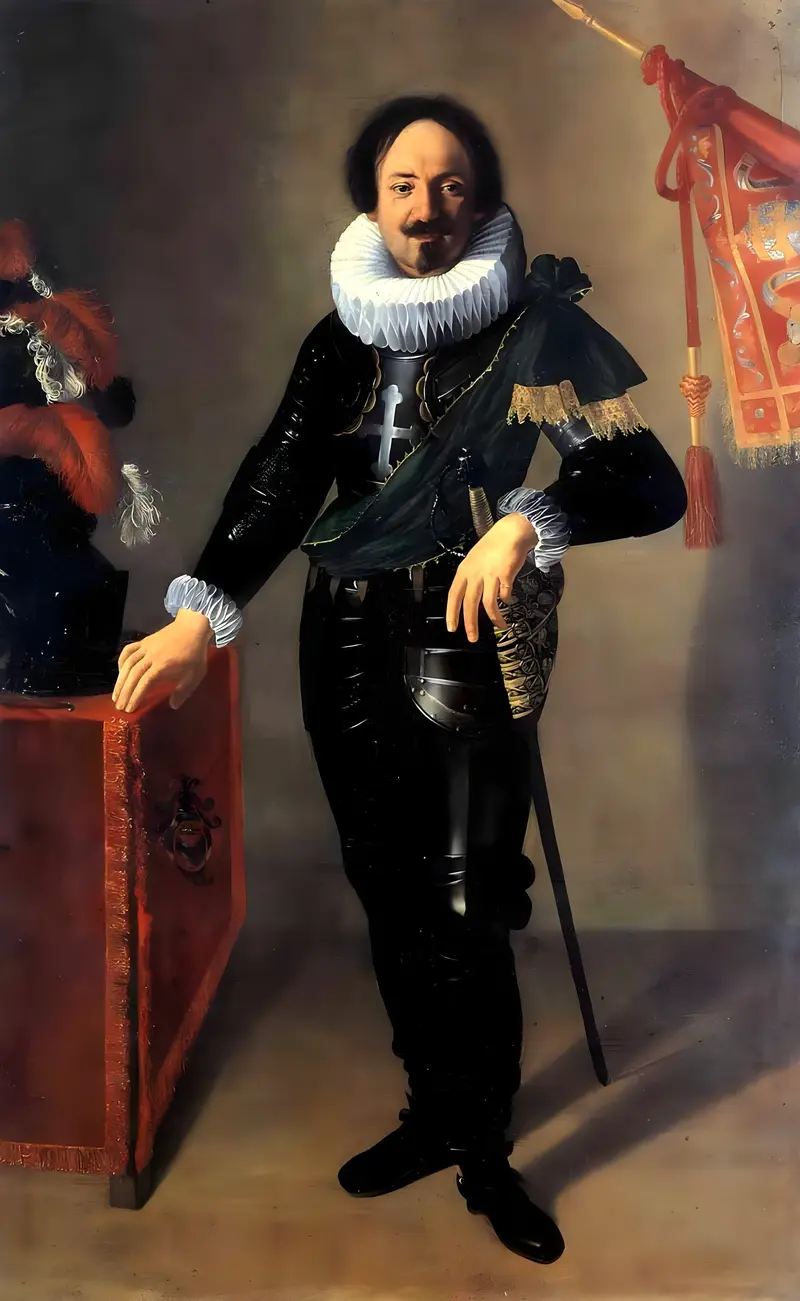
Portrait of a Gonfaloniere
Artemisia Gentileschi





