
Mary with basket — History & Facts
No signed or securely dated version of Mary with basket by Correggio survives, and its authorship has long been a subject of scholarly debate. What makes this painting particularly intriguing is that it is one of several works from the artist’s circle that reimagine the Virgin Mary in the guise of an everyday woman, engaged in humble domestic activity rather than enthroned in celestial glory. The painting’s uncertain provenance and lack of documentation have only added to its mystique, prompting generations of art historians to puzzle over its origins and meaning. At the heart of the composition, the Virgin Mary is captured at a quiet moment, her hands gently resting on a woven basket brimming with linen or perhaps bread, symbols of nourishment and care.
The painter chooses not the drama of annunciation or adoration, but a pause in daily life, suffused with gentle light that caresses Mary’s features and the simple objects around her. The basket itself, a recurring motif in Correggio’s devotional works, underscores the humanity and approachable tenderness of the Madonna. This domestic intimacy recalls the spirit of Leonardo da Vinci’s Virgin of the Rocks, yet Correggio’s Mary is even more grounded—her gaze lowered, her expression serene, inviting the viewer into a moment of quiet reflection. The painting’s journey through history is clouded by gaps and uncertainties.
No secure record of its original patron or commission survives, and its attribution to Correggio has been challenged and defended in equal measure since the nineteenth century. Some scholars have suggested it may be a workshop piece or a later copy inspired by the master’s style, rather than an autograph work. Today, Mary with basket is often grouped with a series of devotional images attributed to Correggio or his followers, reflecting the popularity of such intimate, approachable Madonnas in early sixteenth-century Italy.
Its enduring appeal lies in the way it bridges the sacred and the everyday, a hallmark of the artist’s broader legacy.
More Artworks by Correggio
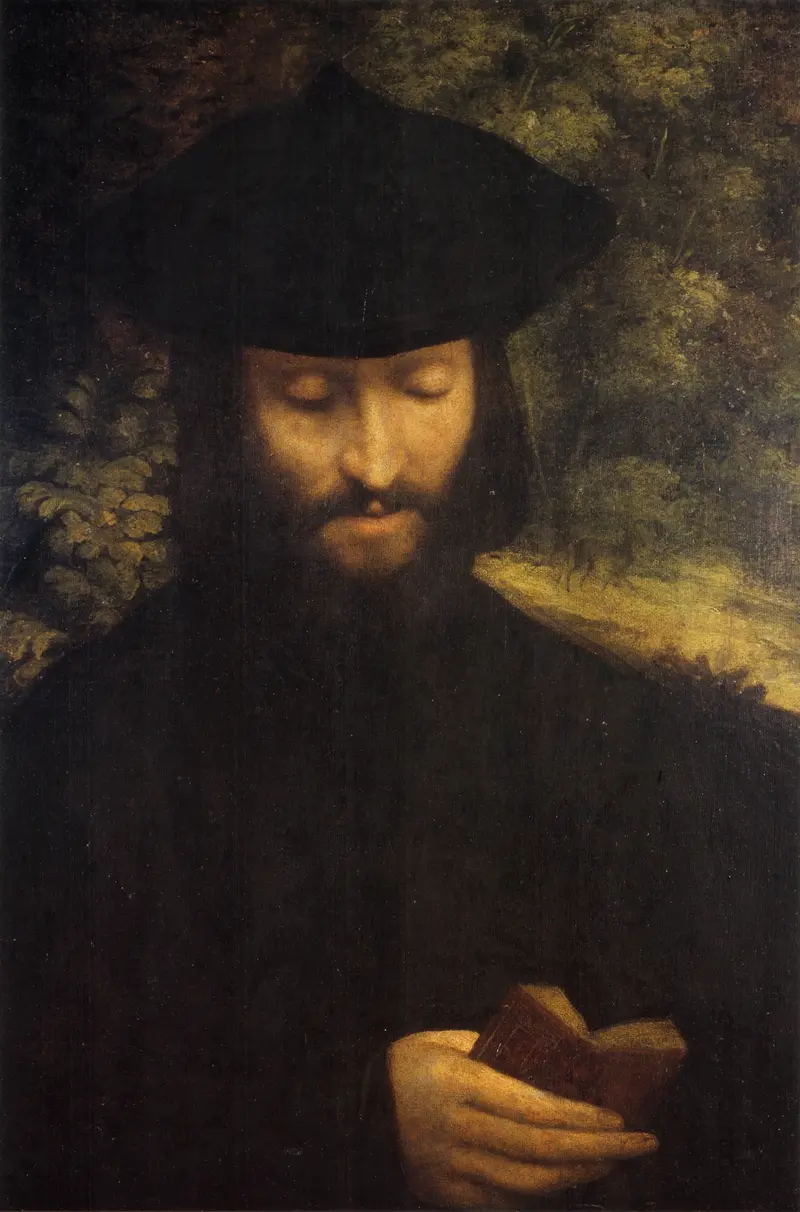
Portrait of a Man with a Book
Correggio

Holy Family with the Infant St. John
Correggio
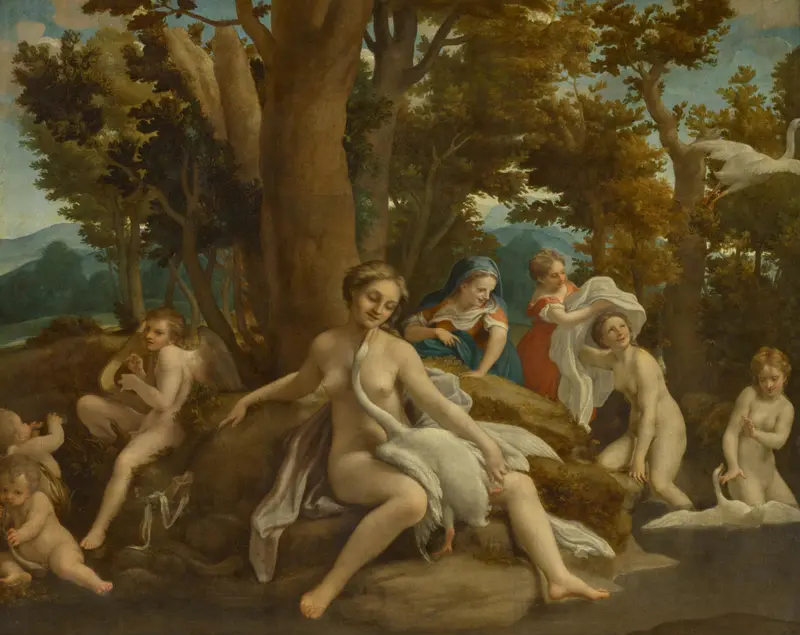
Leda and the Swan
Correggio

Madonna and Child with the Infant Saint John the Baptist
Correggio
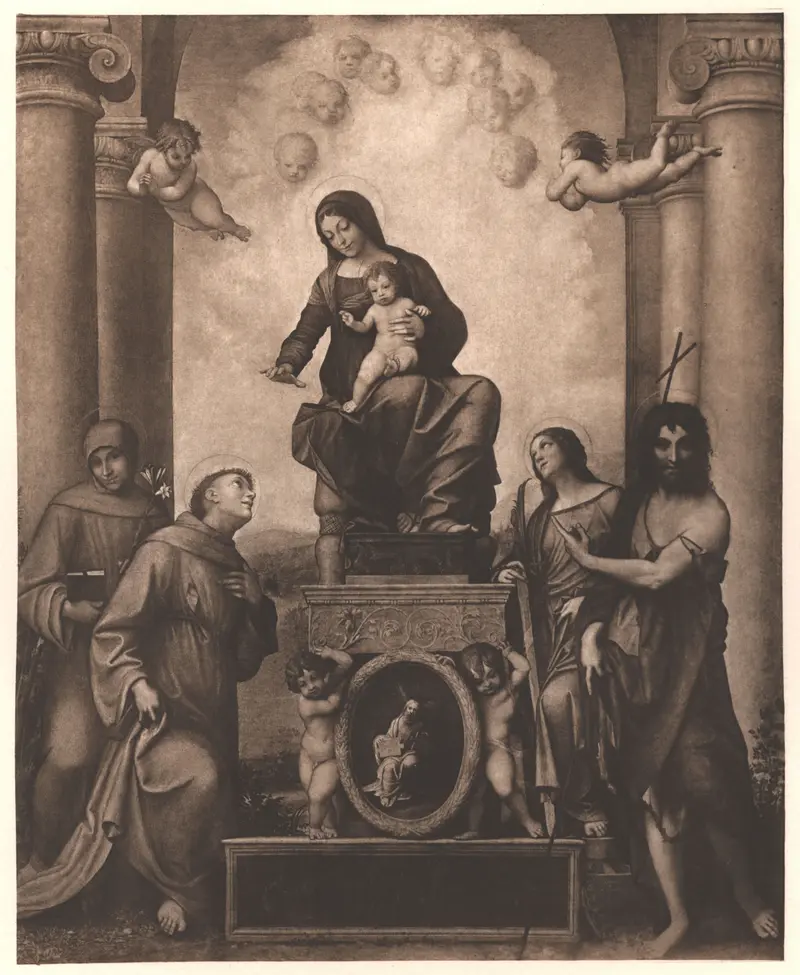
Madonna with St. Francis
Correggio
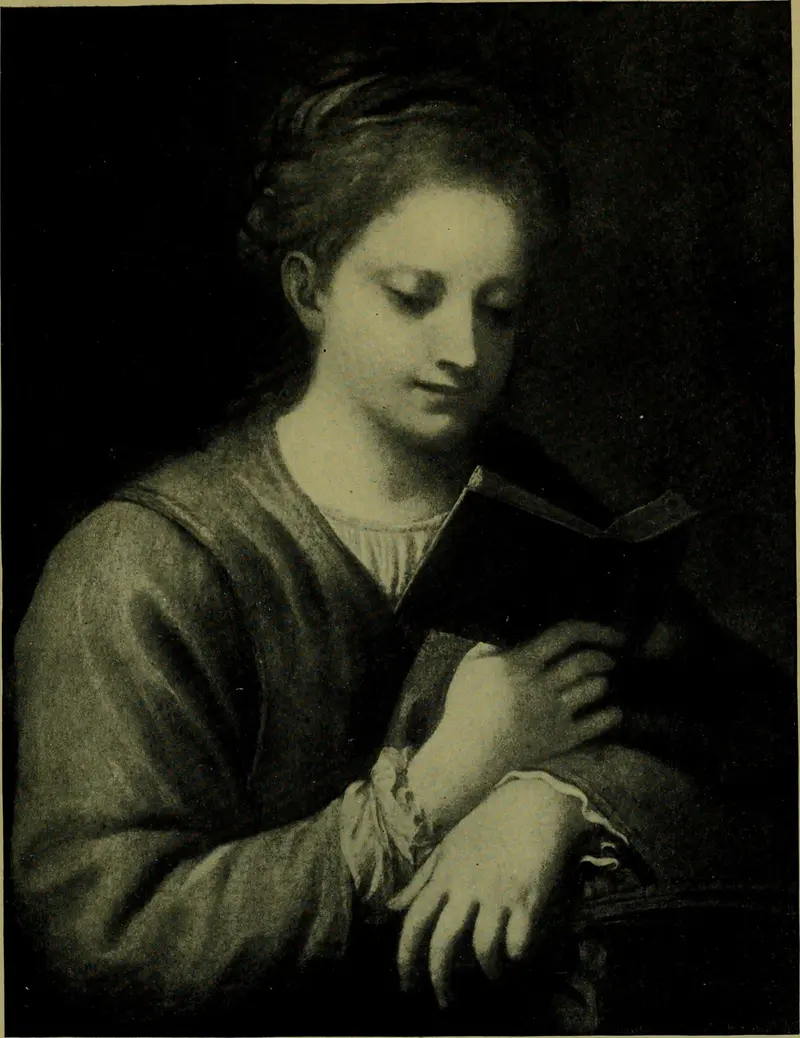
Saint Catherine Reading
Correggio

The Holy Night
Correggio
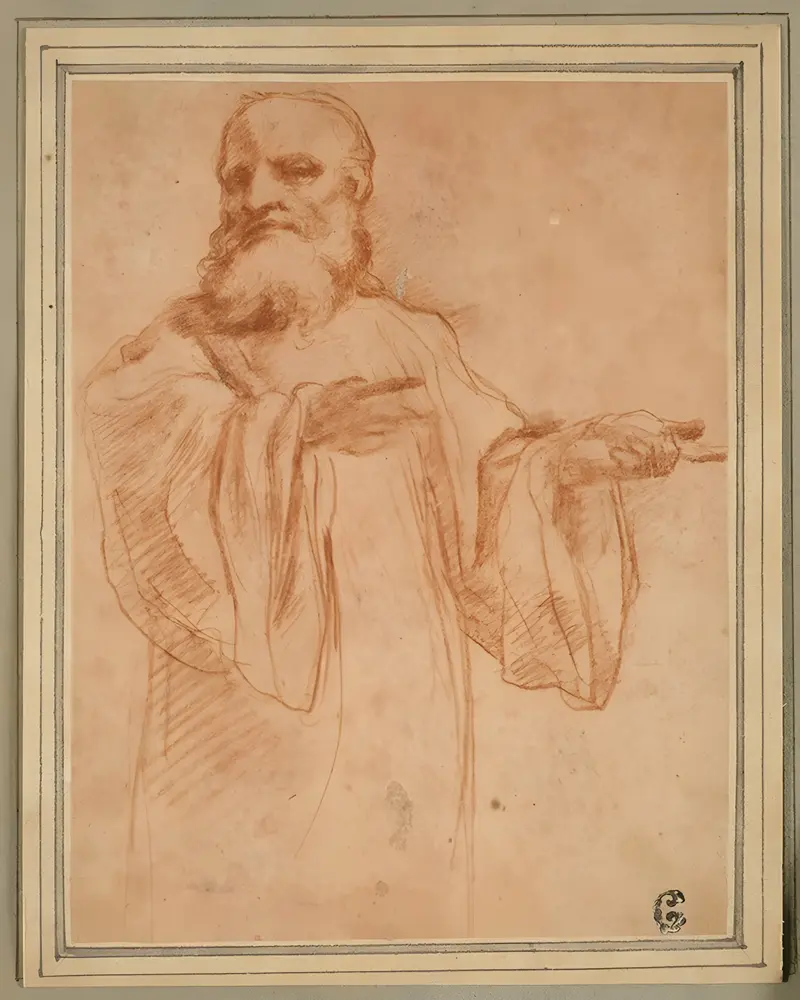
St. Benedict Gesturing to the Left; Study for the Coronation of the Virgin
Correggio
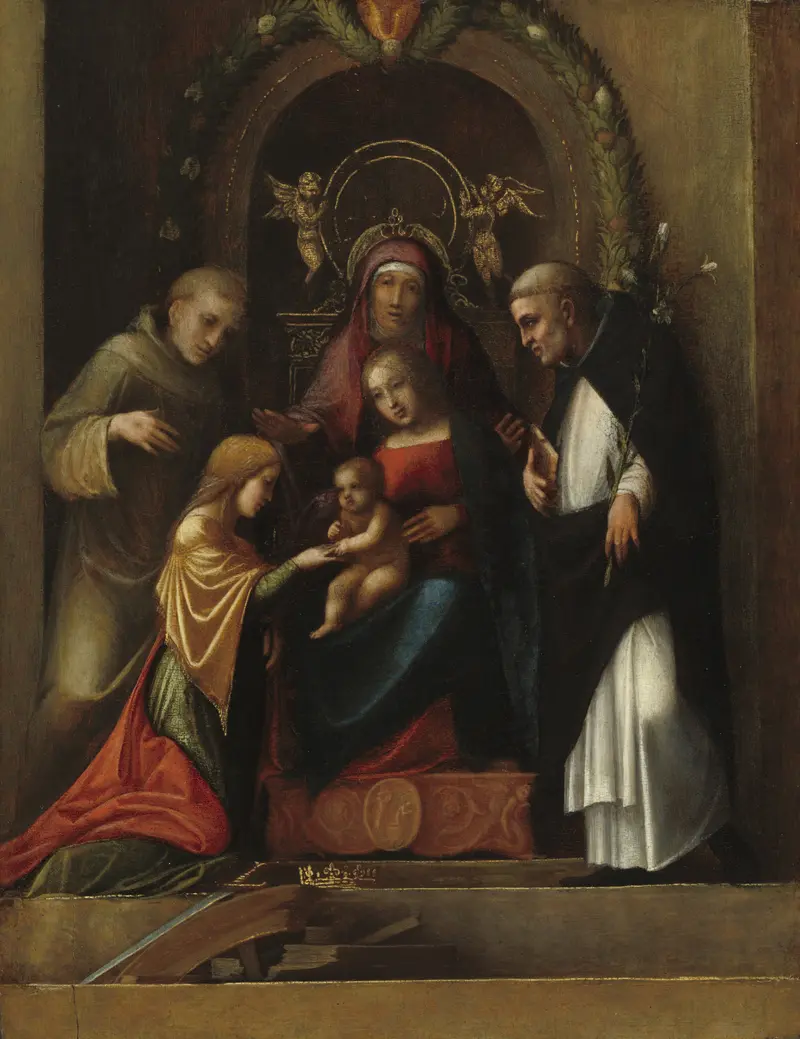
The Mystic Marriage of Saint Catherine
Correggio
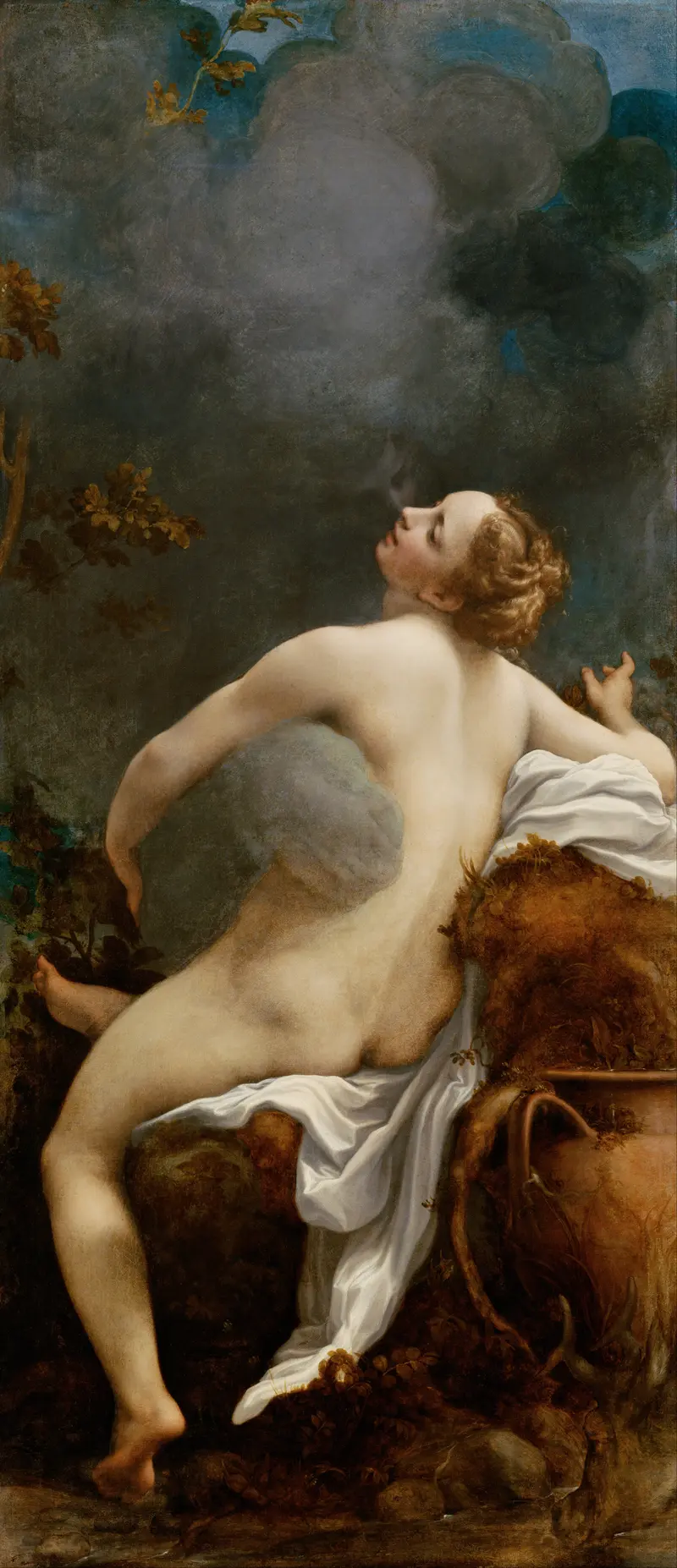
Jupiter and Io
Correggio





