
Meleager and Atalante — History & Facts
A single, urgent exchange animates the heart of Meleager and Atalante by Abraham Janssens. The viewer is drawn first to the intensity of the gaze between the two figures, their faces close, brows furrowed in a moment of charged communication. Atalante’s muscular arm, bared and powerful, anchors the scene as she grips the bristling hide of a freshly slain boar, while Meleager gestures with a hand poised in explanation or entreaty.
The composition pulls the eye in a tight spiral: from the boar’s tusks and the eager hounds below, up the curve of Atalante’s back, and finally to the locked eyes above. The drapery’s folds echo the tension, their restless energy holding the figures in a private world of contest and recognition. Painted in 1610, this work belongs to the world of early seventeenth-century Antwerp, where mythological subjects were prized by collectors eager to display learning and taste. The story of Meleager and Atalante—celebrated in Ovid’s Metamorphoses—was a favorite among artists exploring themes of heroism, rivalry, and desire.
Here, Janssens chooses not the hunt itself, but its aftermath: the moment of reckoning, when spoils and glory must be divided. The artist’s sharp contrasts of light and shadow, the physicality of the bodies, and the psychological charge recall the innovations of the Baroque, as painters sought to make ancient stories immediate and alive. Little is recorded about the journey of this particular canvas, now held in the Staatliche Museen zu Berlin, but its energy invites us to linger—searching the faces for what words cannot settle.
More Artworks by Abraham Janssens

Jupiter Rebuked by Venus
Abraham Janssens
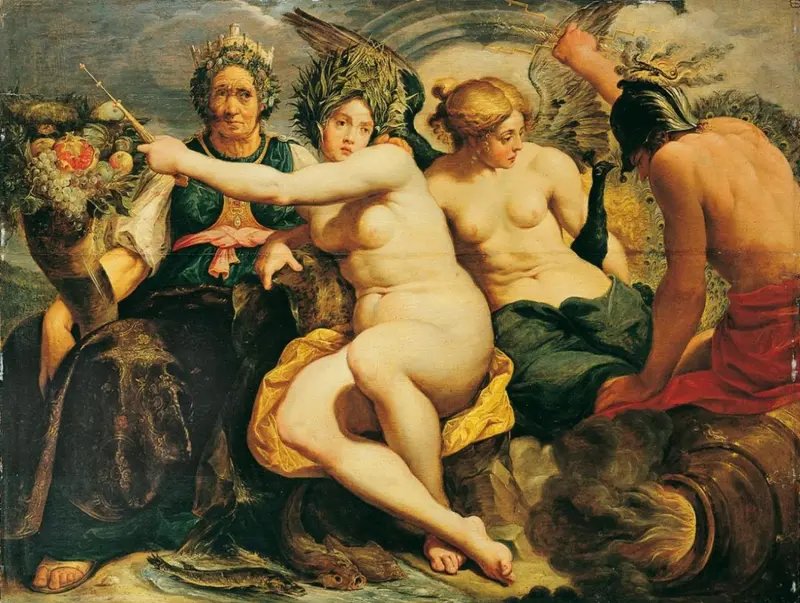
Allegorie der vier Elemente
Abraham Janssens
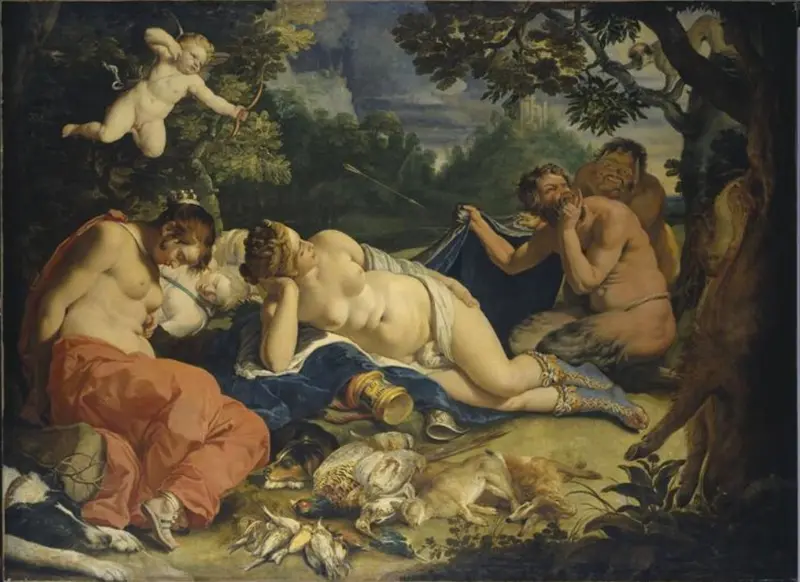
Diana and her nymphs spied on by satyrs
Abraham Janssens

Die Erweckung des Lazarus 153 Bavarian State Painting Collections
Abraham Janssens
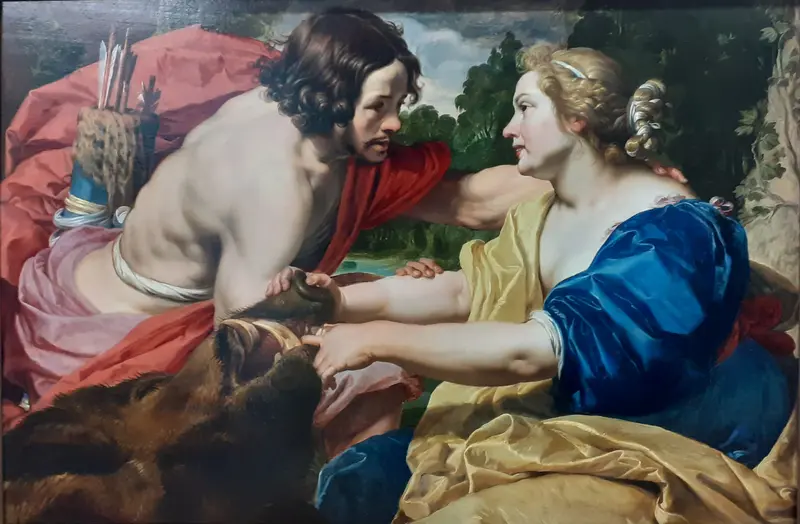
Meleager presents the head of the Calydonian Boar to Atalanta
Abraham Janssens
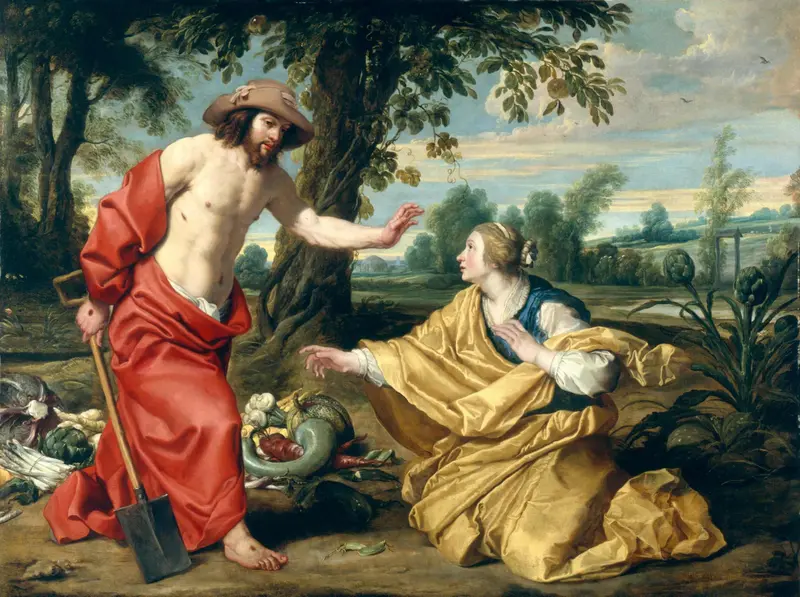
Noli me Tangere
Abraham Janssens
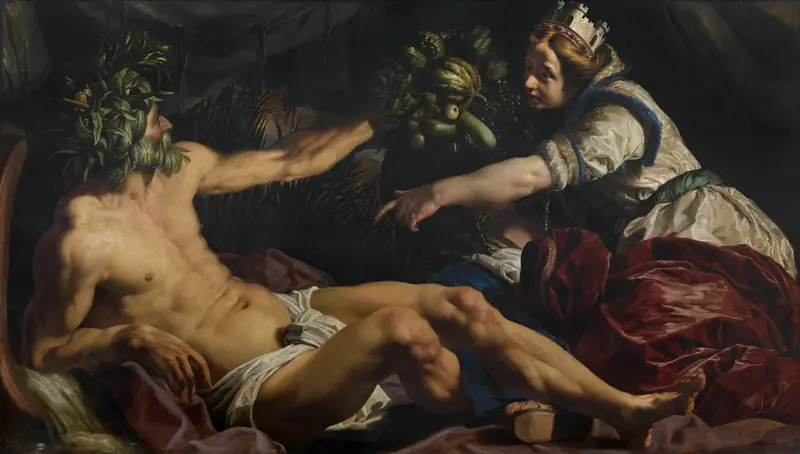
Scaldis and Antverpia
Abraham Janssens
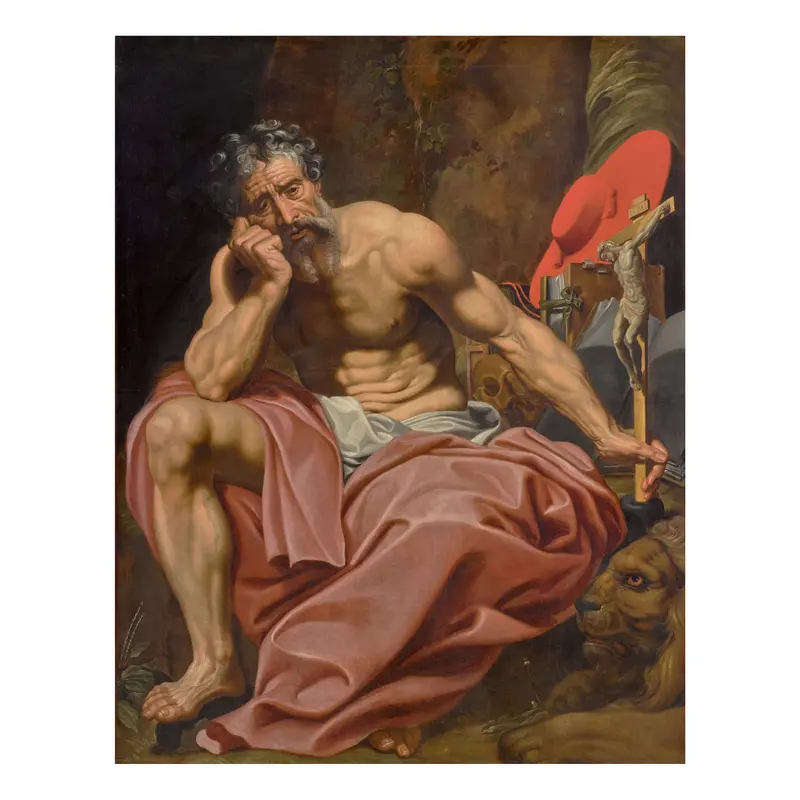
Saint Jerome
Abraham Janssens
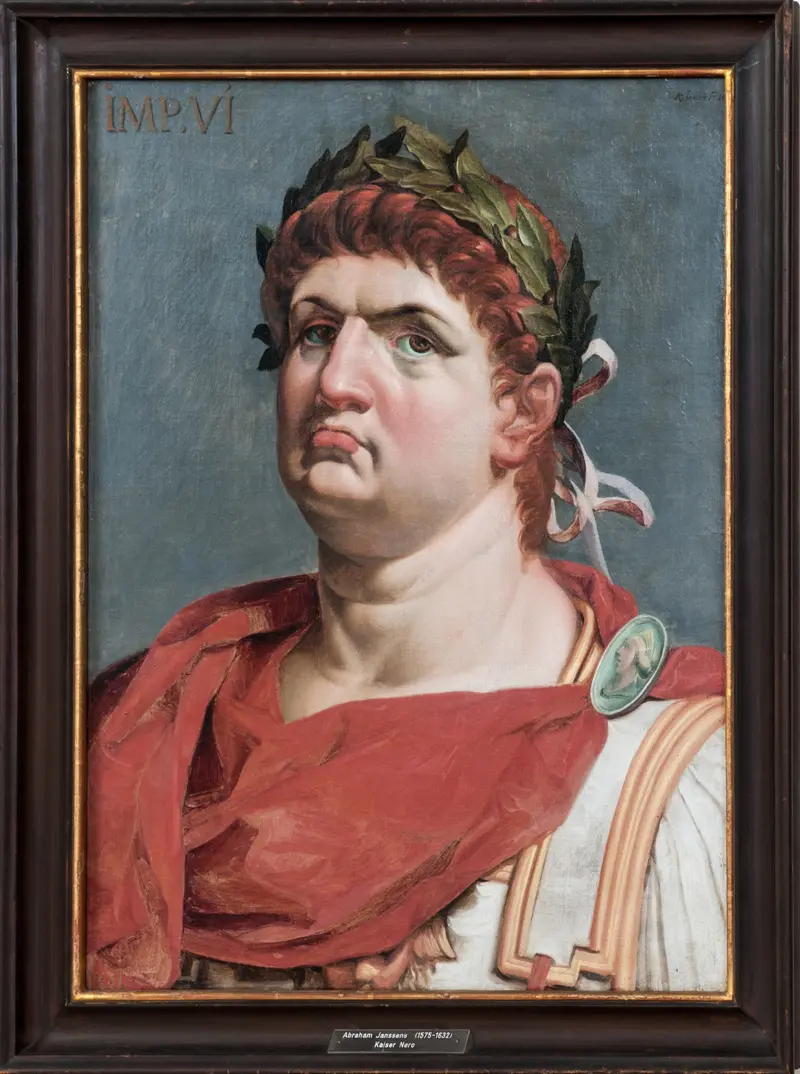
Nero
Abraham Janssens
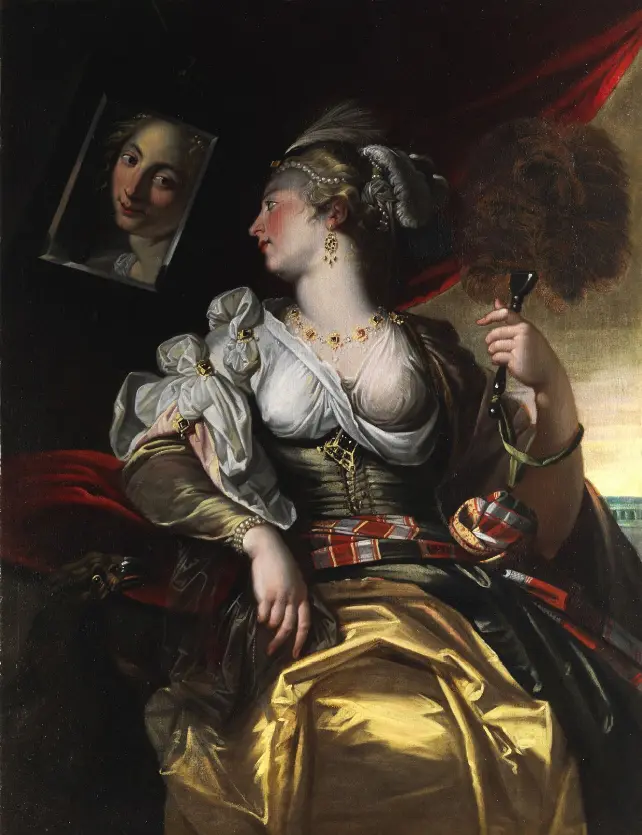
The Face
Abraham Janssens





