
Miranda – The Tempest — History & Facts
What first seizes the eye here is not the storm itself, but the figure who stands at its edge: a young woman, hair and dress whipped by the wind, gazing out at a ship caught in the fury of the waves. The drama is all in her posture—her hands pressed to her chest, her stance rooted on the rocky shore, her gaze fixed and helpless. The ship, battered and listing, is almost swallowed by the spray and chaos, but it is Miranda’s stillness that anchors the scene.
Waterhouse draws the viewer’s attention from the foreground’s scattered stones and driftwood up to the crashing surf, then out to the doomed vessel, before returning us to the solitary witness on the shore. The palette is all storm and salt: slate blues, seaweed greens, and the pale flash of foam, setting a mood of awe and anxious suspense. Painted in 1916, Miranda – The Tempest belongs to a tradition of late nineteenth- and early twentieth-century British art that found new life in Shakespeare’s heroines and moments of high emotion. Artists like John William Waterhouse were drawn to such literary subjects, blending Pre-Raphaelite attention to nature and narrative with a looser, more atmospheric brushwork.
These works were often commissioned or collected by admirers of poetry and drama, eager to see beloved scenes brought to life. While little is recorded about the journey of this particular painting, its presence in a modern collection invites us to stand with Miranda—caught between land and sea, certainty and disaster—and to look again at the moment when story and image collide.
More Artworks by John William Waterhouse
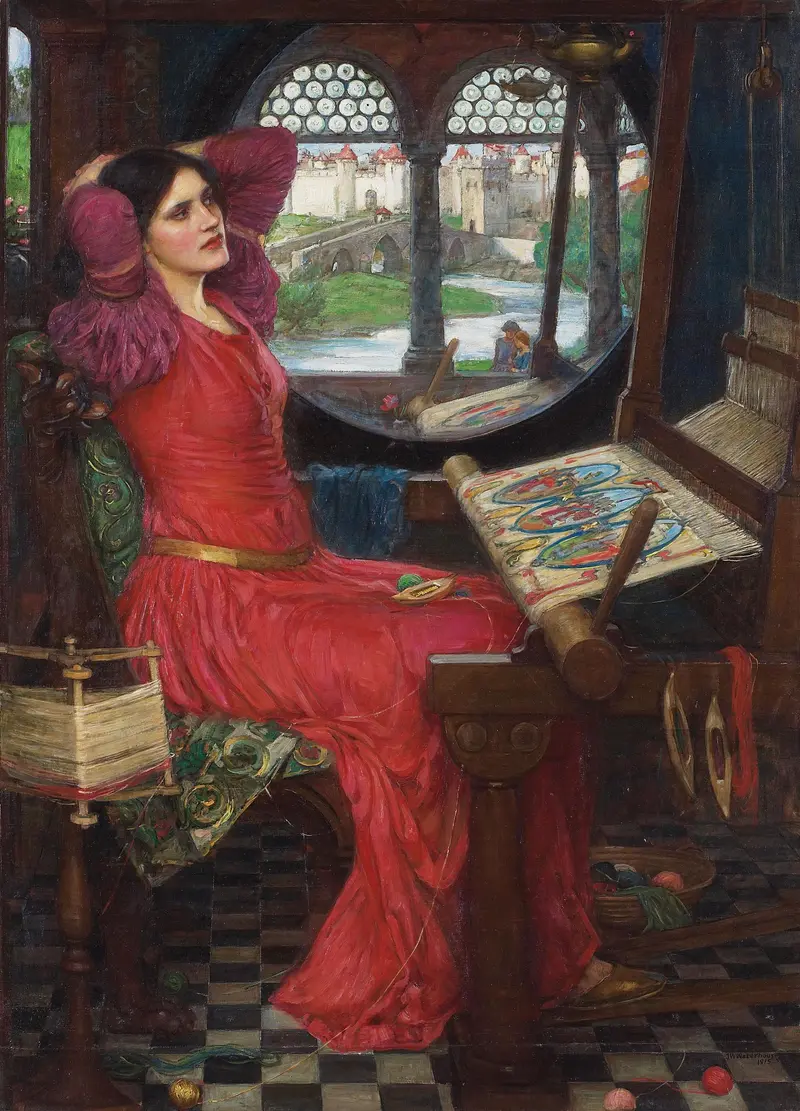
'I Am Half-Sick of Shadows,' Said the Lady of Shalott
John William Waterhouse

The Favourites of the Emperor Honorius, 1883
John William Waterhouse
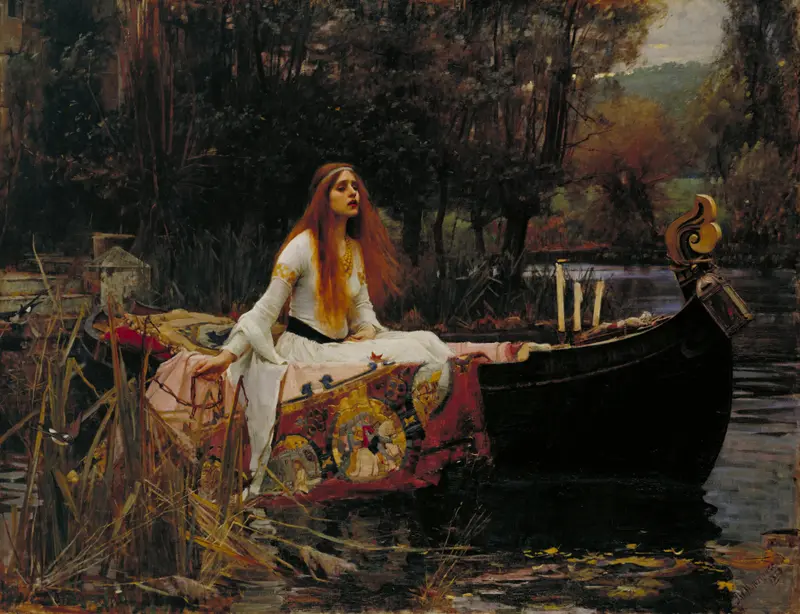
The Lady of Shalott
John William Waterhouse
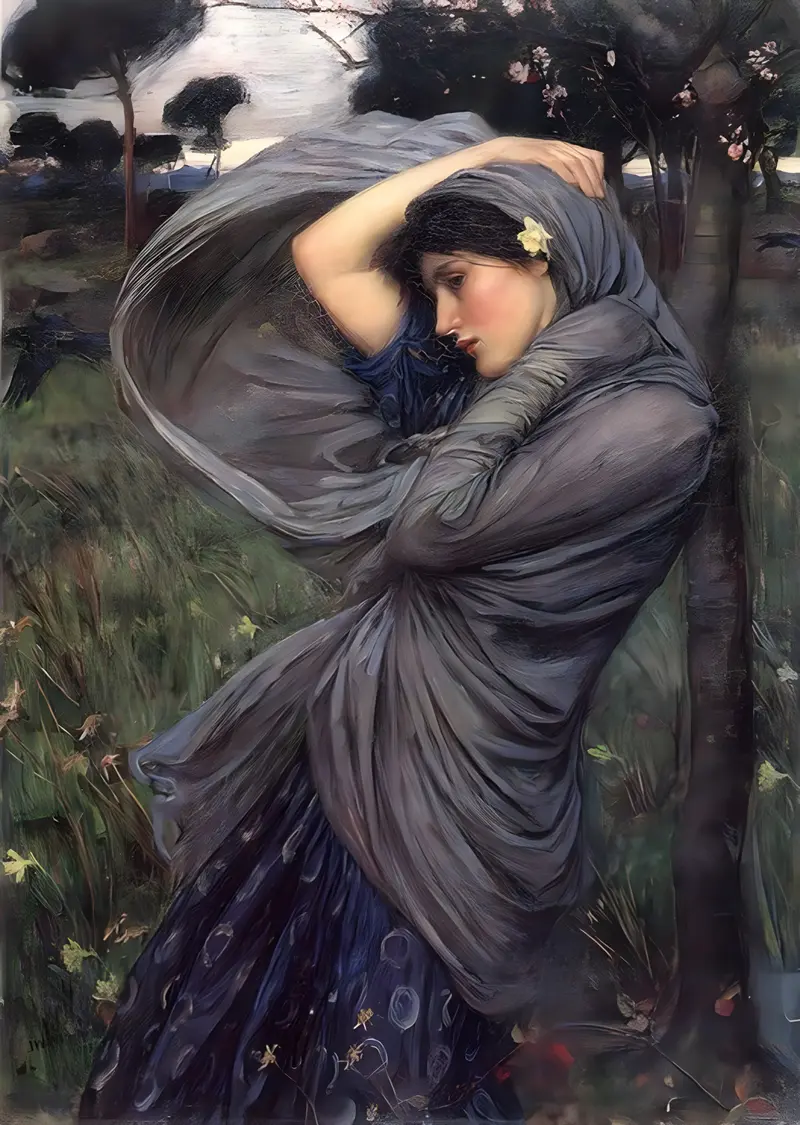
Boreas
John William Waterhouse
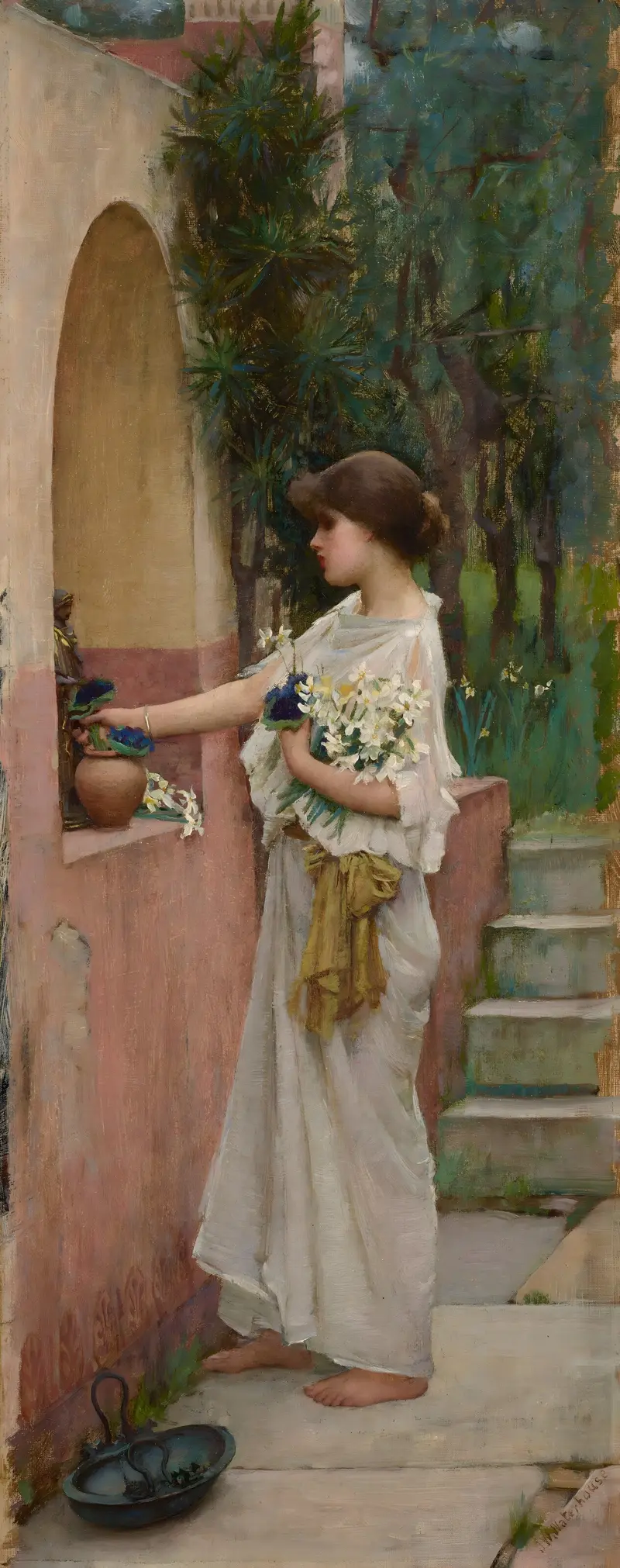
A Roman Offering
John William Waterhouse
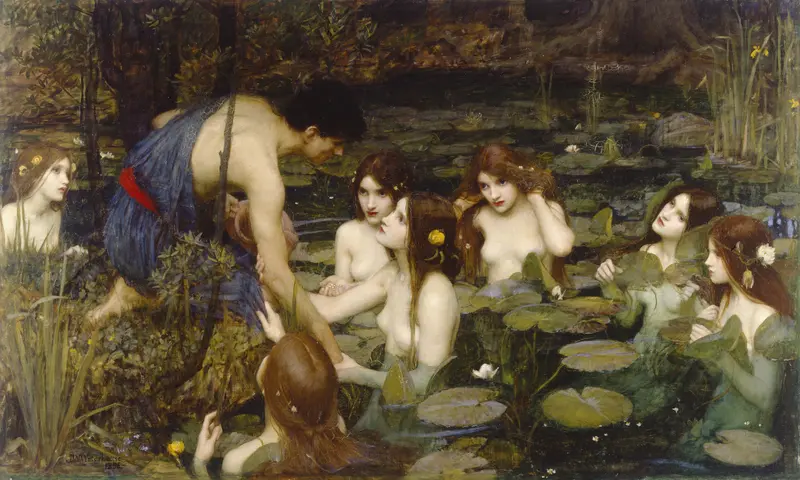
Hylas and the Nymphs
John William Waterhouse
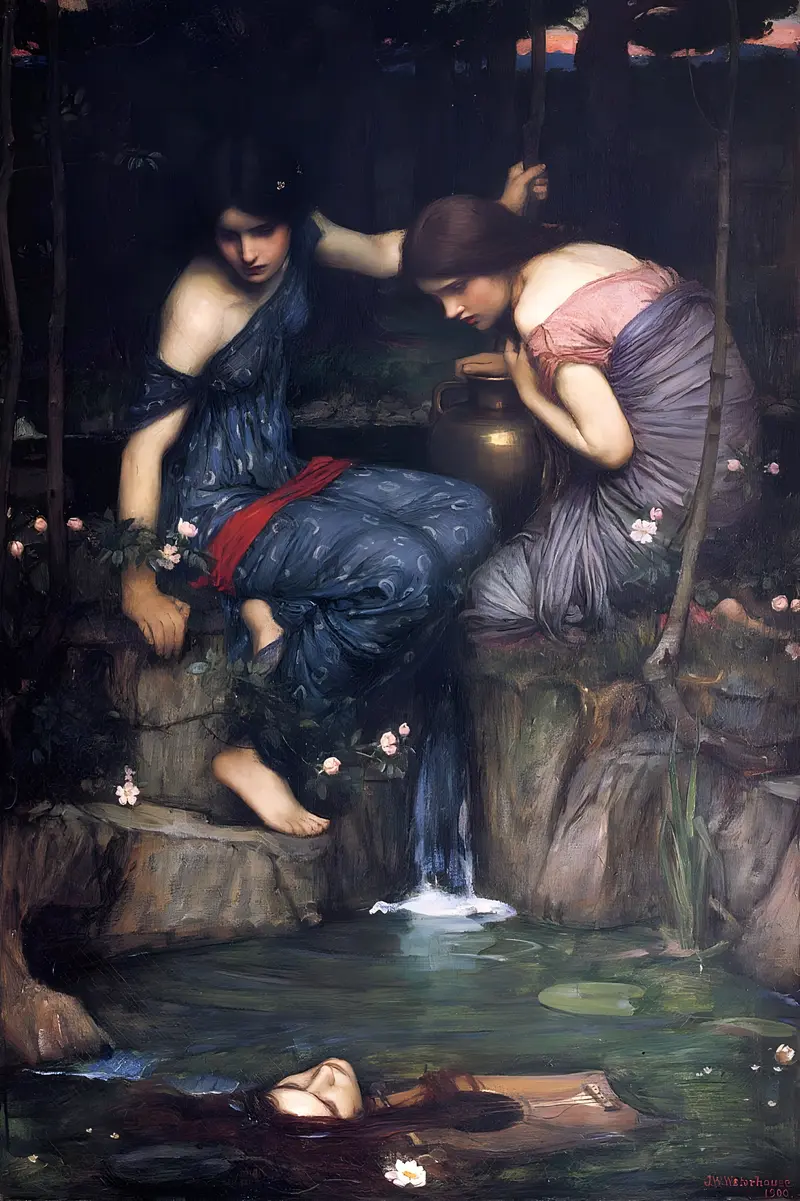
Nymphs Finding the Head of Orpheus
John William Waterhouse

The Crystal Ball
John William Waterhouse
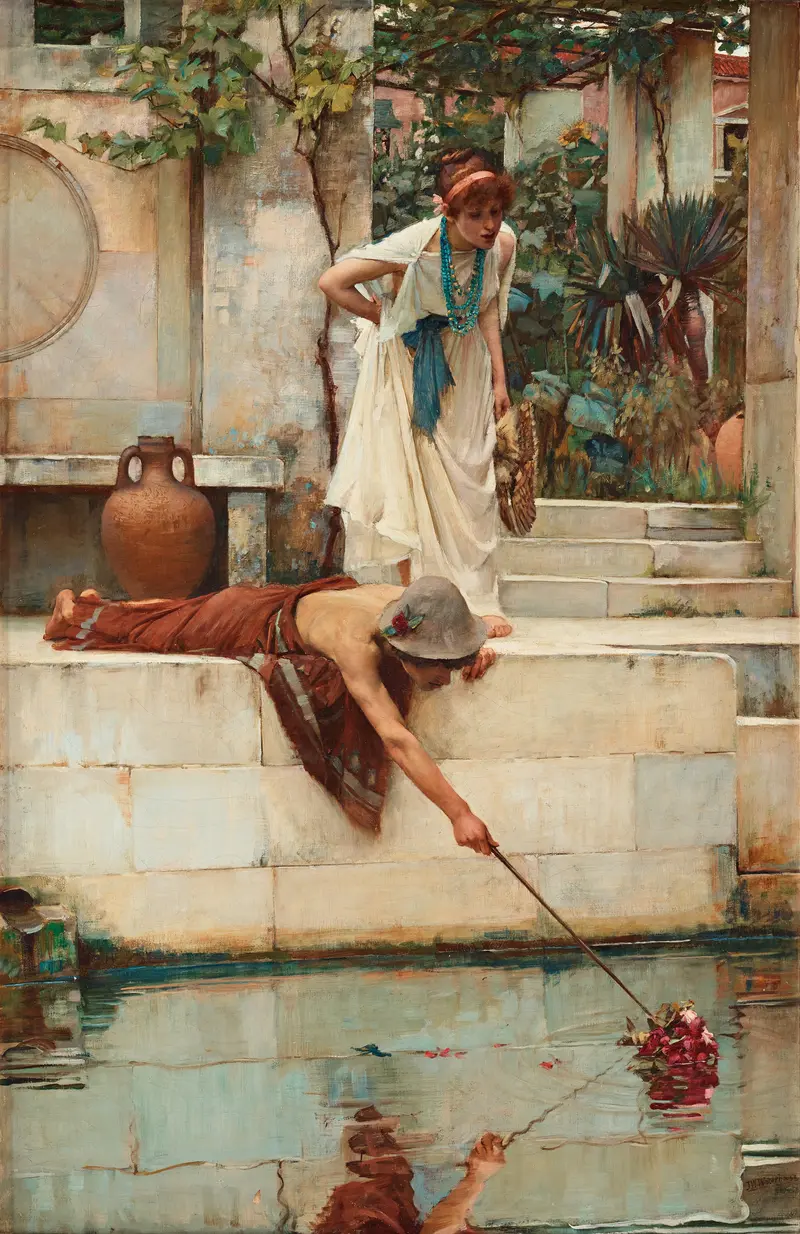
The Rescue
John William Waterhouse
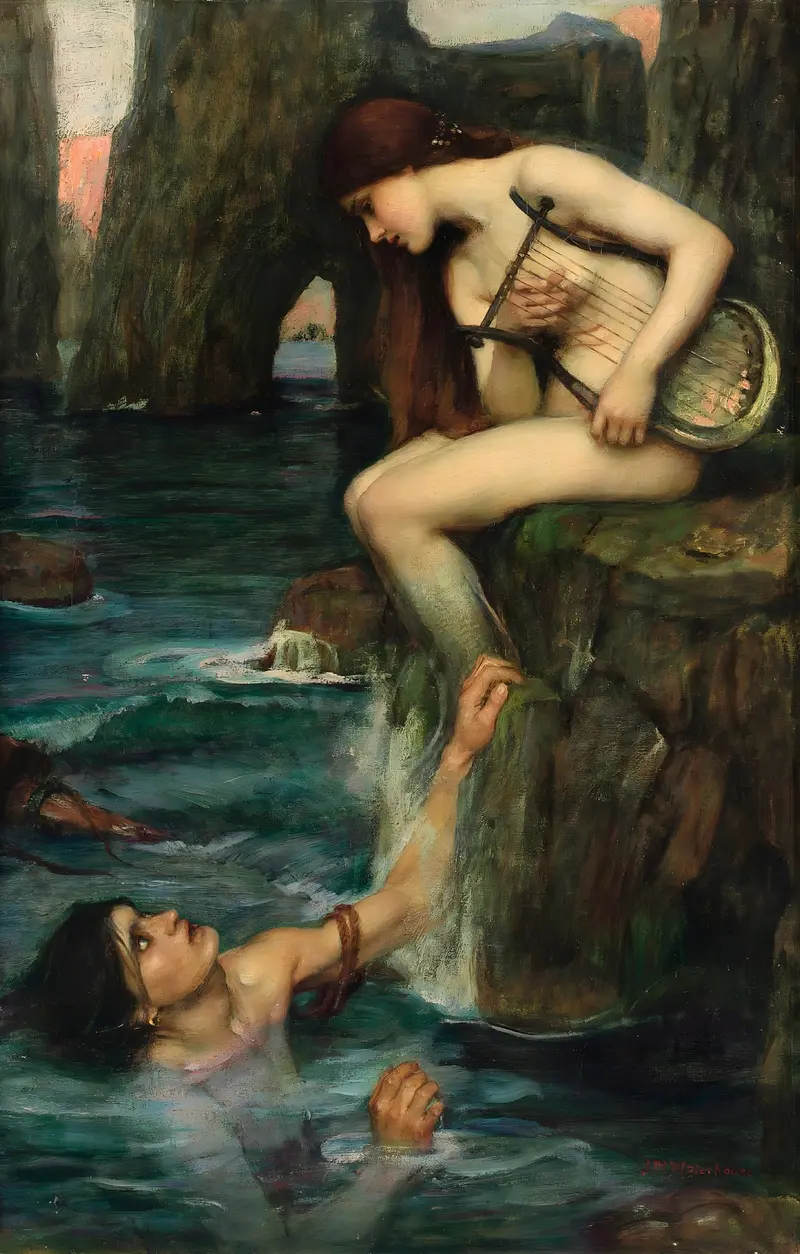
The Siren, 1900
John William Waterhouse





