
Mont Sainte-Odile with Pagan Wall — History & Facts
In 1875, Gustave Doré—already famed for his illustrations of Dante and Cervantes—turned his gaze to the mysterious heights of Mont Sainte-Odile, a site shrouded in legend and crowned by the enigmatic Pagan Wall. The wall itself, a 10-kilometer ring of ancient stone, has puzzled historians for centuries: built from massive blocks and snaking through the Vosges forest, its origins are lost to prehistory. Doré’s fascination with this place was personal as well as artistic; born in nearby Strasbourg, he grew up hearing tales of Saint Odile, the blind abbess and patroness of Alsace, and the supernatural powers ascribed to the mountain and its stones. Doré’s painting captures the brooding mass of Mont Sainte-Odile at dusk, the Pagan Wall curling like a serpent across the wooded slopes.
He chooses the moment when the last rays of sunlight catch on the weathered stones, suggesting both the endurance of ancient faiths and the coming of Christian sanctity. In the foreground, the wall’s cyclopean blocks loom, half-swallowed by moss and shadow, while the distant abbey glows faintly atop the summit—a beacon of hope or perhaps a silent witness to forgotten rites. The interplay of light and darkness, stone and sky, recalls Caspar David Friedrich’s landscapes, yet Doré’s vision is more haunted, his brushwork more dramatic, hinting at the restless legends that cling to the site. The precise medium Doré used for Mont Sainte-Odile with Pagan Wall is not clearly recorded—oil on canvas is likely, given his other works from this period, but some suggest tempera or even mixed media.
The painting’s early provenance remains uncertain; it may have been exhibited in Paris soon after its completion, but its whereabouts for much of the twentieth century are untraced. Today, it stands as a rare example of Doré’s landscape painting, distinct from his more familiar illustrations and religious scenes. The work marks a late-career return to his roots in Alsace, blending personal memory with the grandeur and mystery of the region’s ancient stones.
More Artworks by Gustave Doré

The Deluge
Gustave Doré
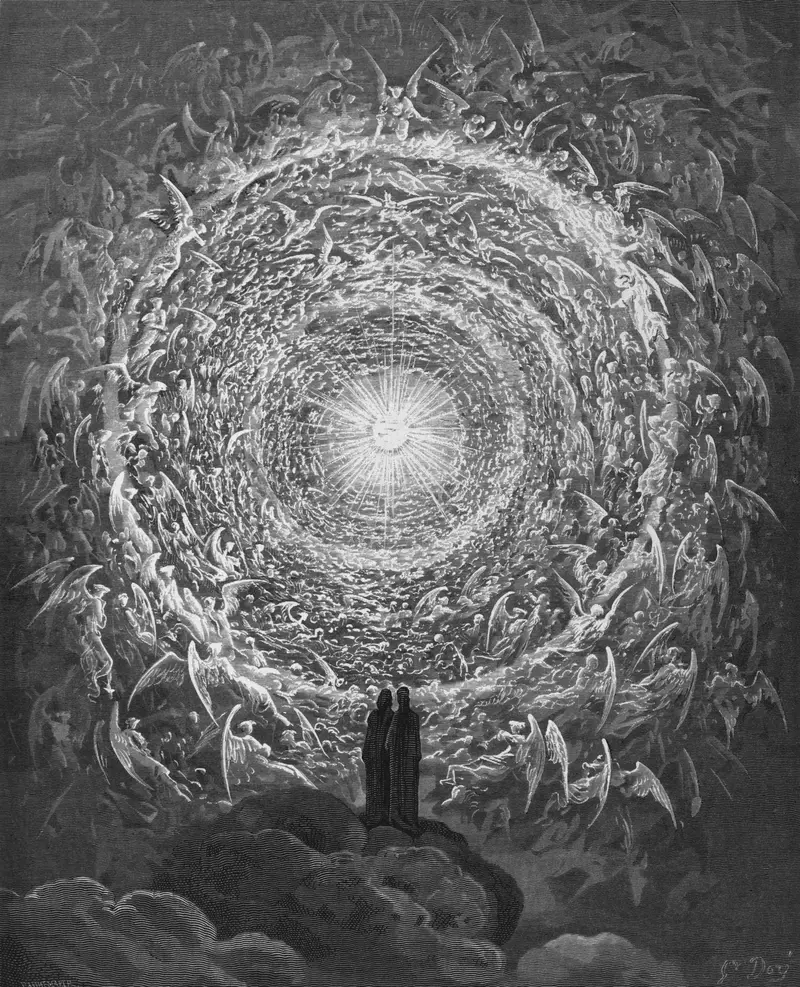
The Empyrean (Paradiso, Canto 31)
Gustave Doré
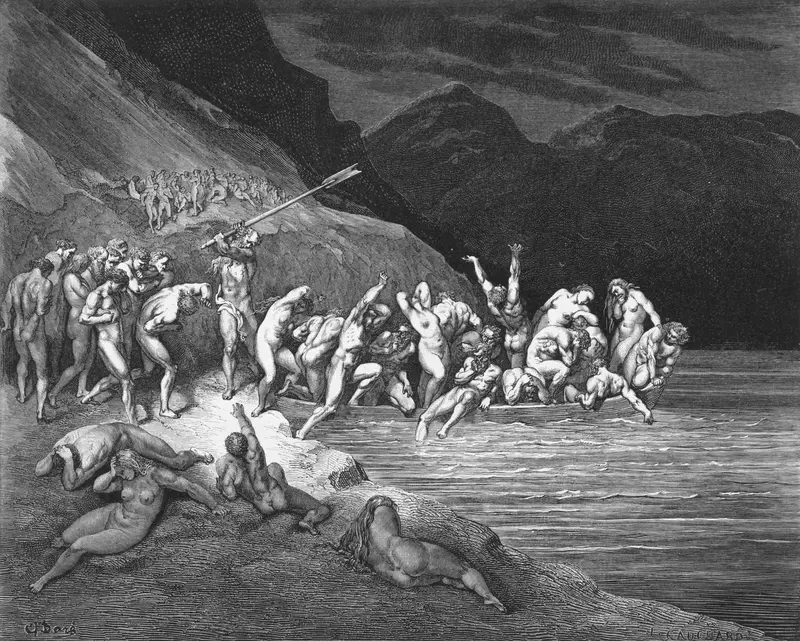
Charon (Inferno, Canto 3)
Gustave Doré
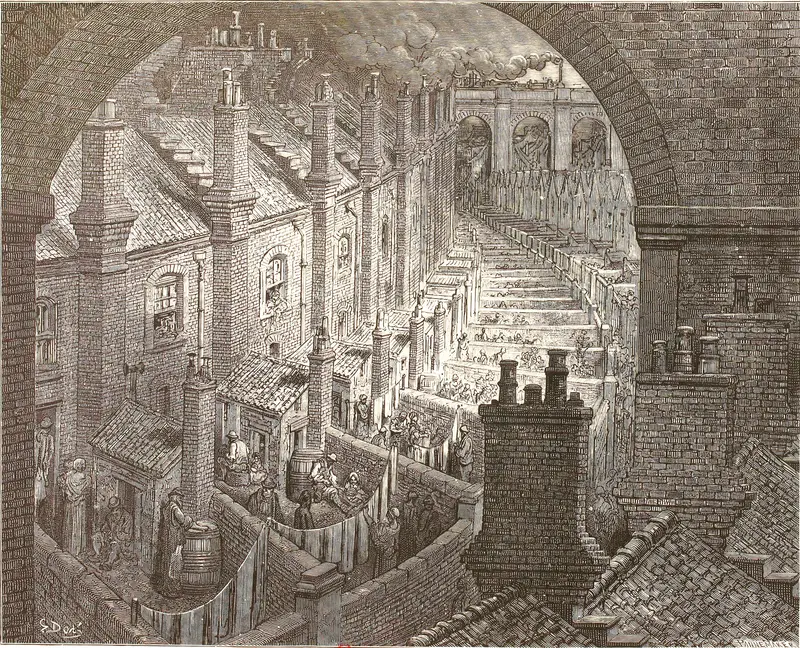
Over London by Rail
Gustave Doré
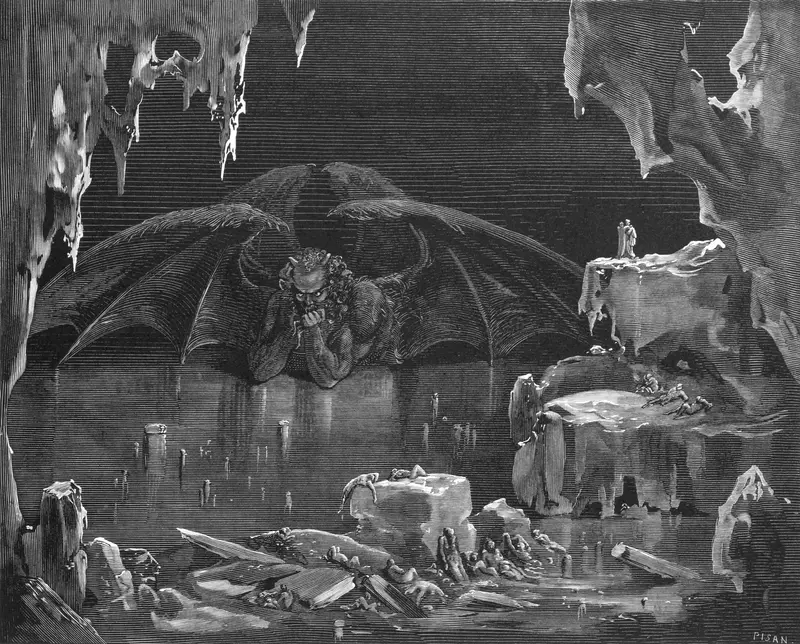
Lucifer, King of Hell
Gustave Doré
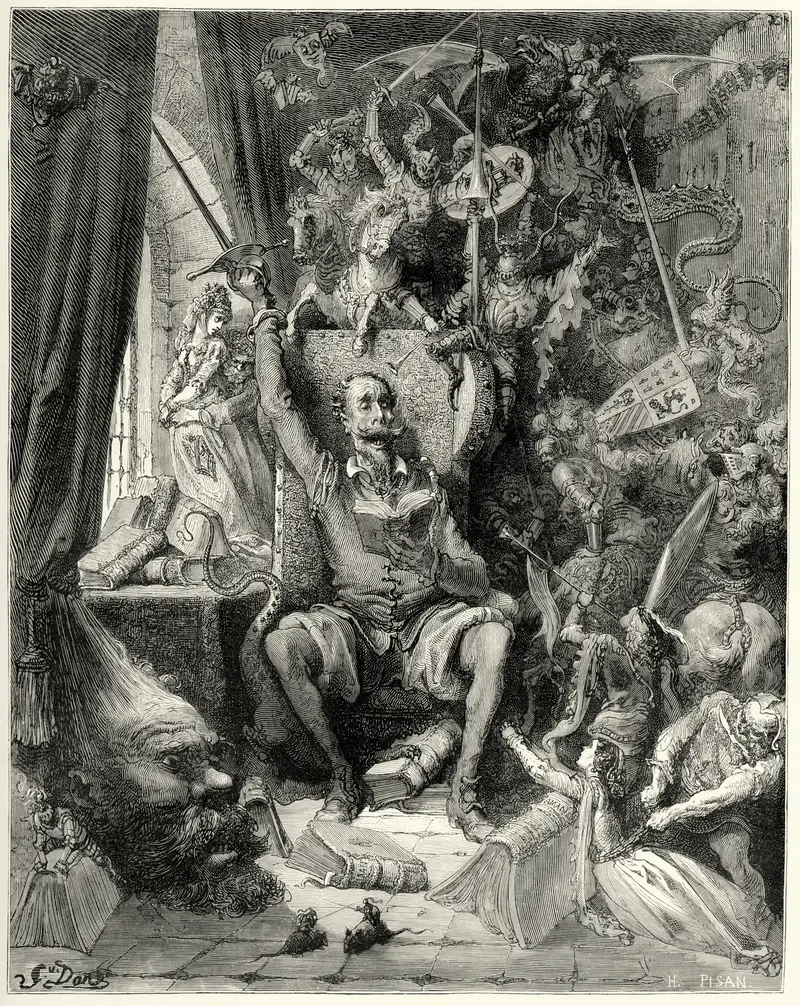
Don Quixote in His Library
Gustave Doré
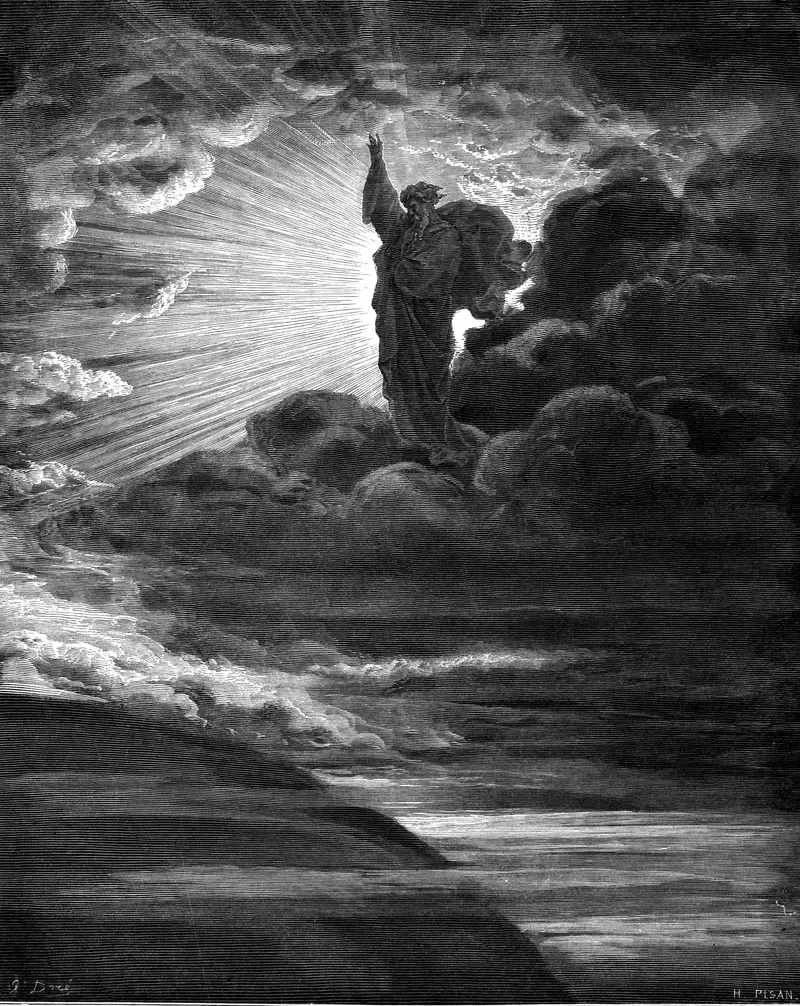
The Creation of Light
Gustave Doré
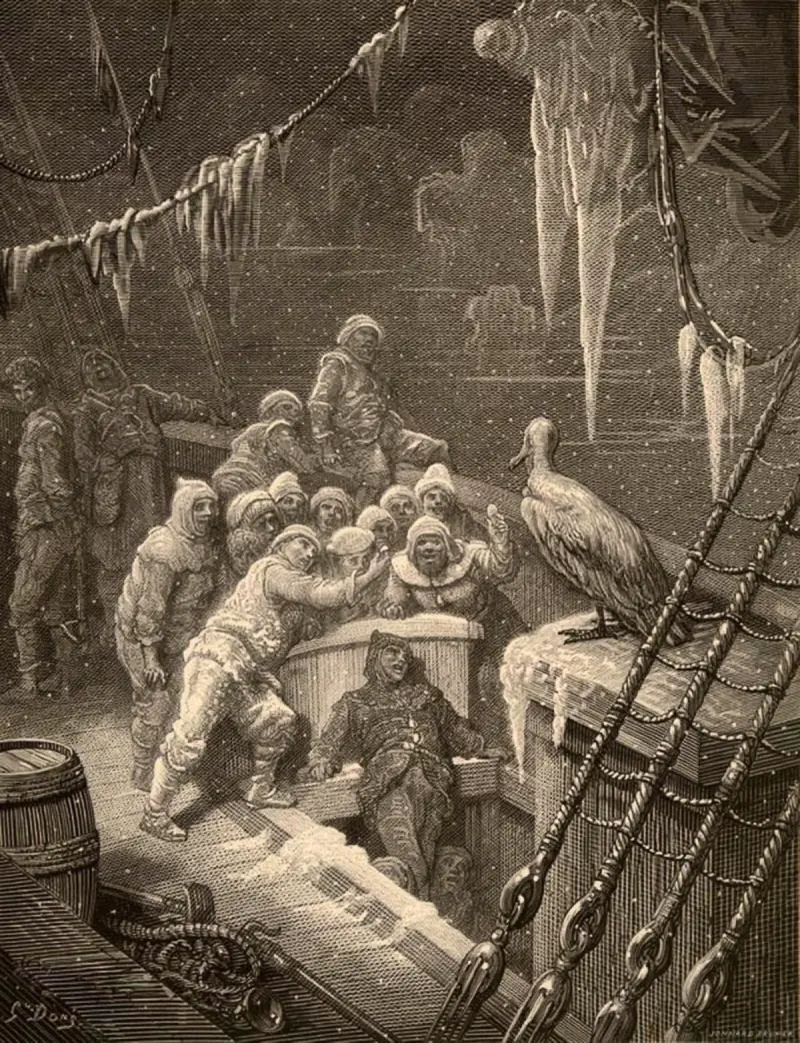
The Albatross (The Rime of the Ancient Mariner)
Gustave Doré
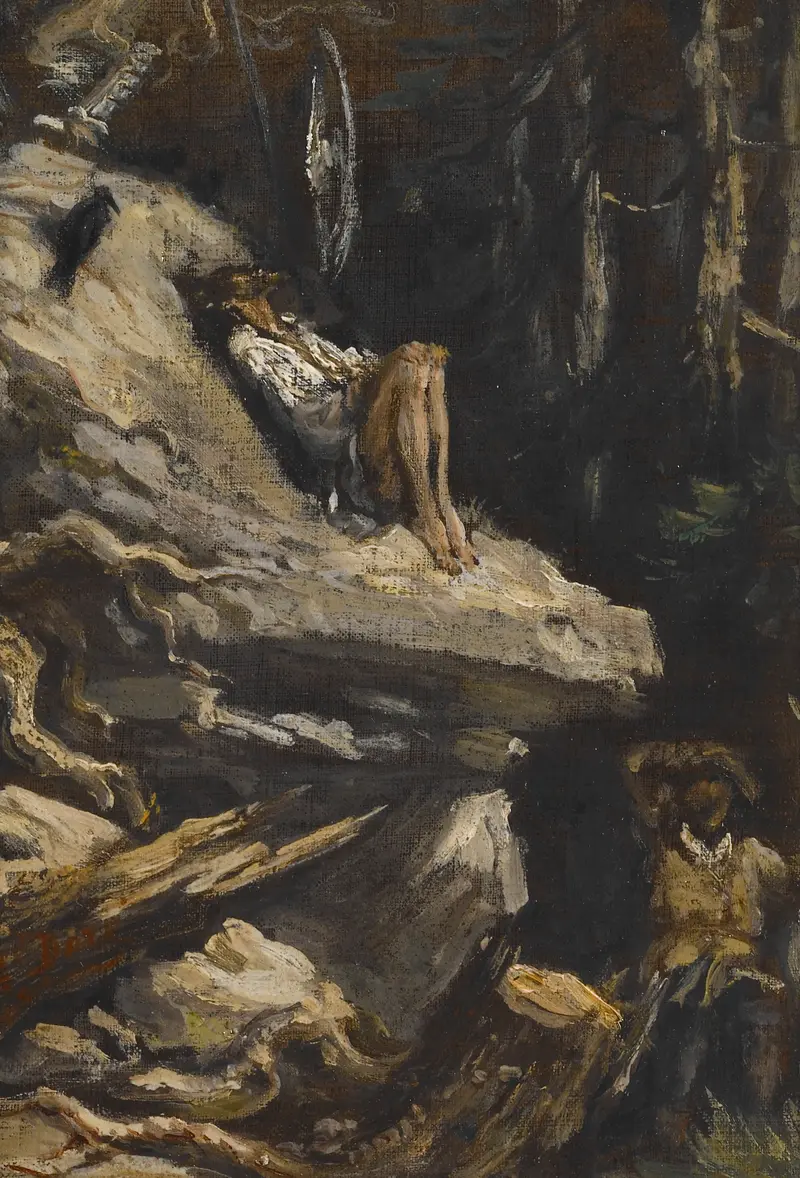
"'Alas!' answered Sancho, 'I found him in his shirt, lean, pale, and almost starved, sighing for his Lady Dulcinea'" from Don Quixote
Gustave Doré
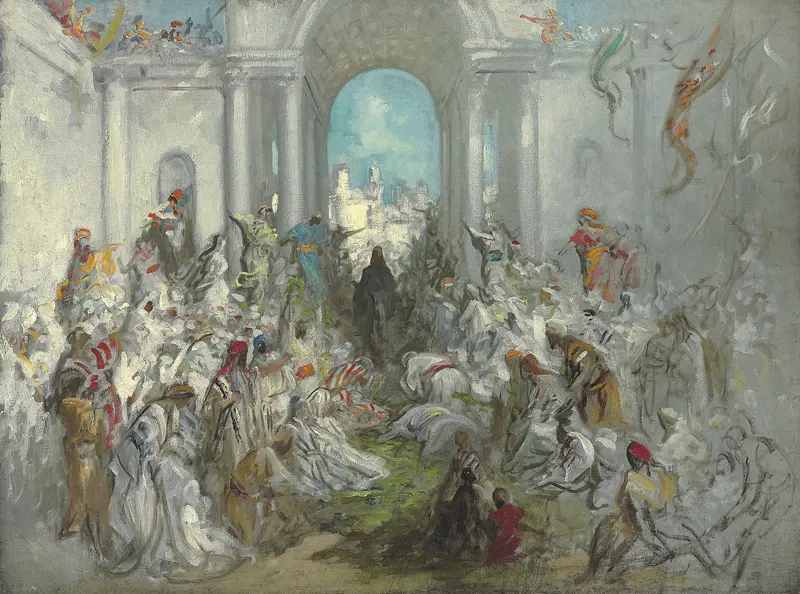
Christ's Entry into Jerusalem
Gustave Doré
More Landscape Art

The Starry Night
Vincent van Gogh

View of Delft
Johannes Vermeer

Water Lilies
Claude Monet

The Grand Canal, Venice, looking north-west from the Ca' Corner to the Ca' Contarini degli Scrigni, with the campanile of Santa Maria della Carità
Canaletto

Windsor Castle
Canaletto

The Grand Canal looking North-East from the Palazzo Dolfin-Manin to the Rialto Bridge
Canaletto