
Musée Ingres-Bourdelle - Etude de dos pour Le Radeau de La Méduse (d'après le modèle Joseph) 1818-1819 - Théodore Géricault MID.55.4.1 Jodonde0607000 — History & Facts
A shipwreck scandal gripped France in 1816: the frigate Méduse, bound for Senegal, ran aground off the West African coast, leaving 147 people adrift on a makeshift raft. Only fifteen survived after nearly two weeks of horror—starvation, madness, and cannibalism. The disaster and its government mishandling became a national outrage, and it was this event that inspired Théodore Géricault to create his monumental painting Le Radeau de La Méduse.
Before tackling the final canvas, Géricault made numerous studies, including this intense Etude de dos pour Le Radeau de La Méduse (d'après le modèle Joseph), focusing on the powerful back of Joseph, a model of African descent who appears at the apex of hope in the finished work. Here, Géricault isolates the muscular back, the tension in the shoulder blades and spine capturing the raw physicality of a man straining toward rescue. The model’s pose—twisted, reaching—embodies both the agony and the desperate hope of those stranded. In the final painting, this figure waves a cloth to signal a distant ship, a gesture that has become iconic.
The dramatic lighting in the study, with its deep shadows and bright highlights, emphasizes the anatomy and suffering, a stark contrast to the more idealized bodies seen in works like The Raft of the Medusa by Eugène Delacroix, who was himself inspired by Géricault’s realism and emotional force. This study is one of many preparatory works Géricault created between 1818 and 1819, a testament to his meticulous process and commitment to authenticity—he even visited morgues to better understand the human form in extremis. The drawing’s survival allows us to glimpse the artist’s working method and his collaboration with Joseph, whose presence in French art history is increasingly recognized. Today, the study is housed at the Musée Ingres-Bourdelle in Montauban, a fitting home for a work that bridges the academic tradition and the bold innovations of early Romanticism.
Its journey from Géricault’s studio to the museum reflects the enduring fascination with both the tragedy of the Méduse and the artist’s relentless search for truth.
More Artworks by Théodore Géricault
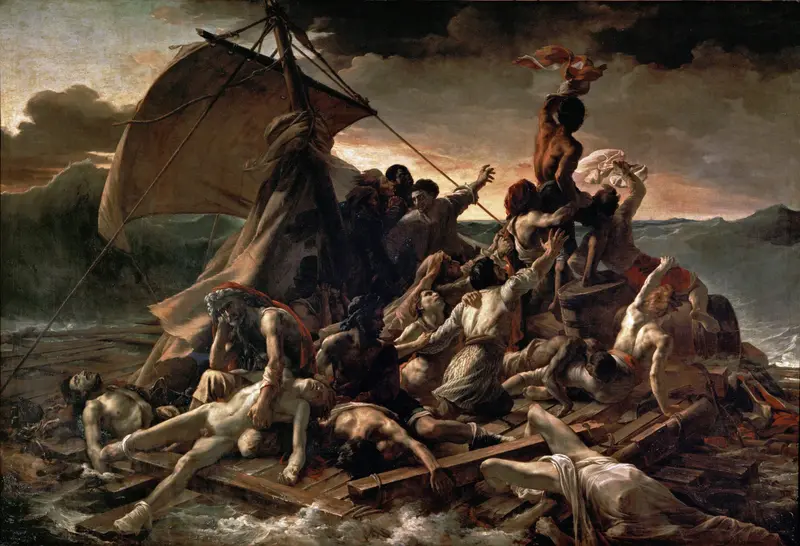
The Raft of the Medusa
Théodore Géricault

Géricault - Le naufrage du radeau de la Méduse, MBA 790
Théodore Géricault
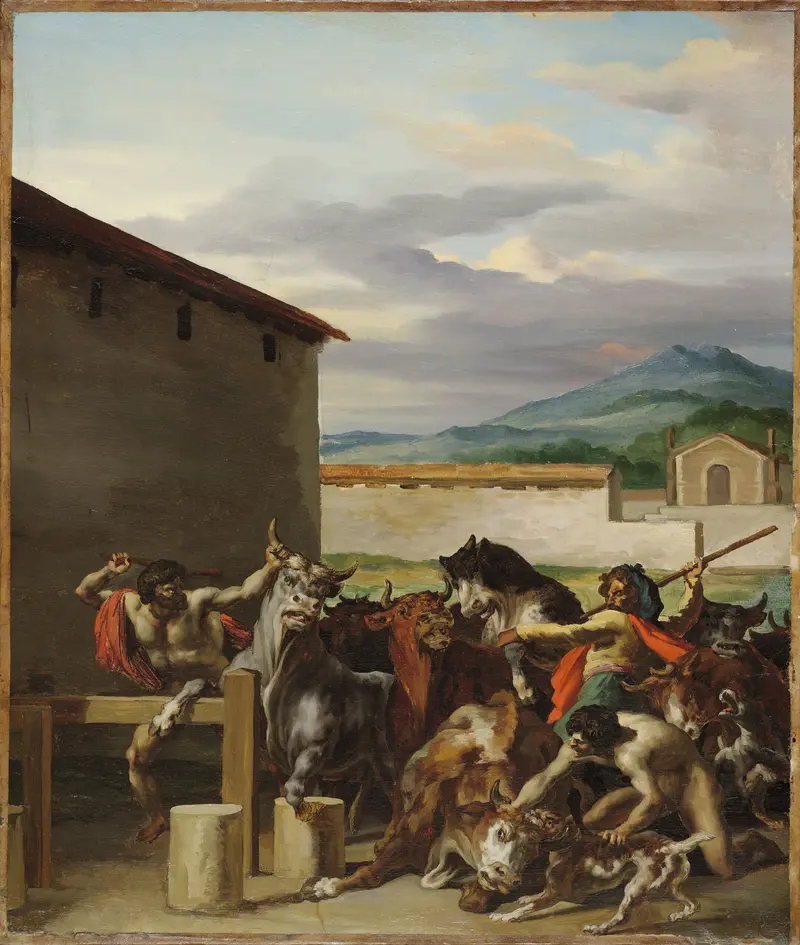
Cattle Market
Théodore Géricault
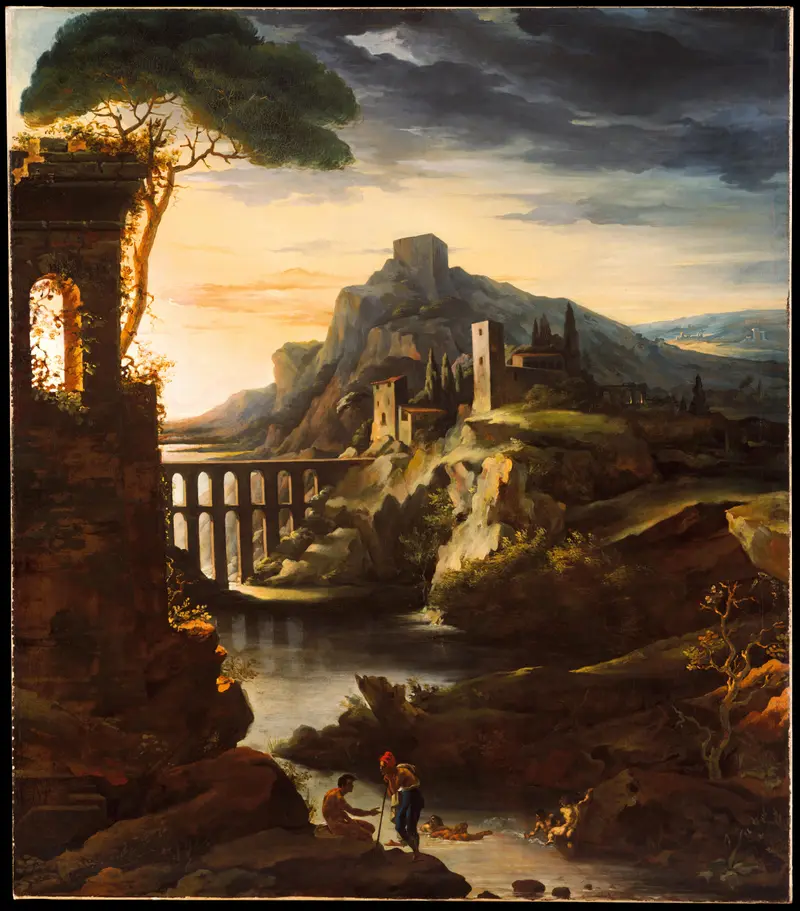
Evening; Landscape with an Aqueduct
Théodore Géricault
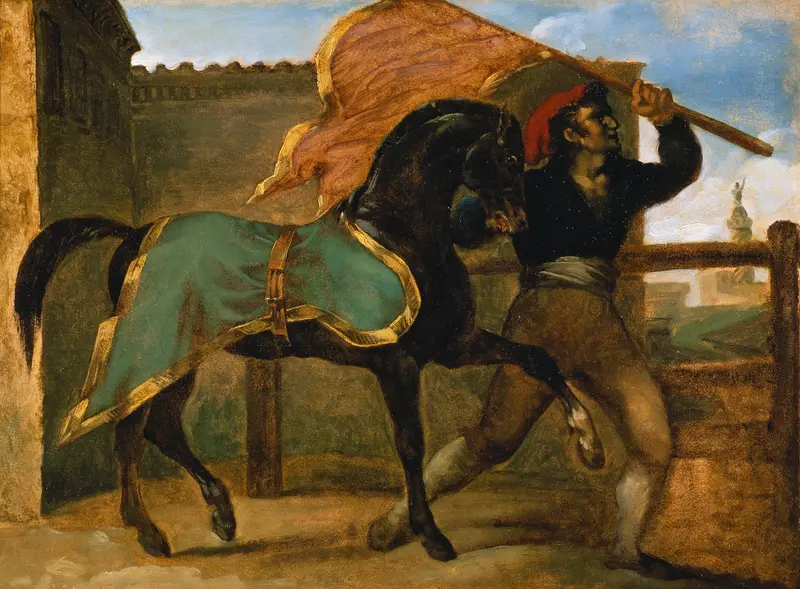
Horse Race
Théodore Géricault

Horses Standing in a Mews
Théodore Géricault
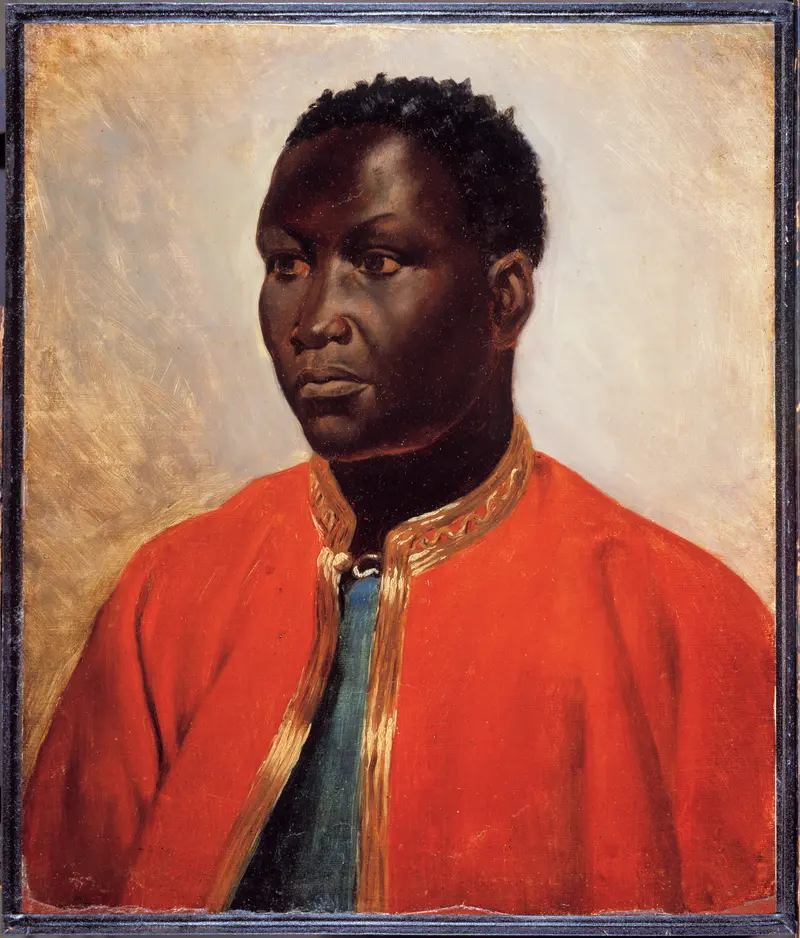
Portrait of a Negro
Théodore Géricault
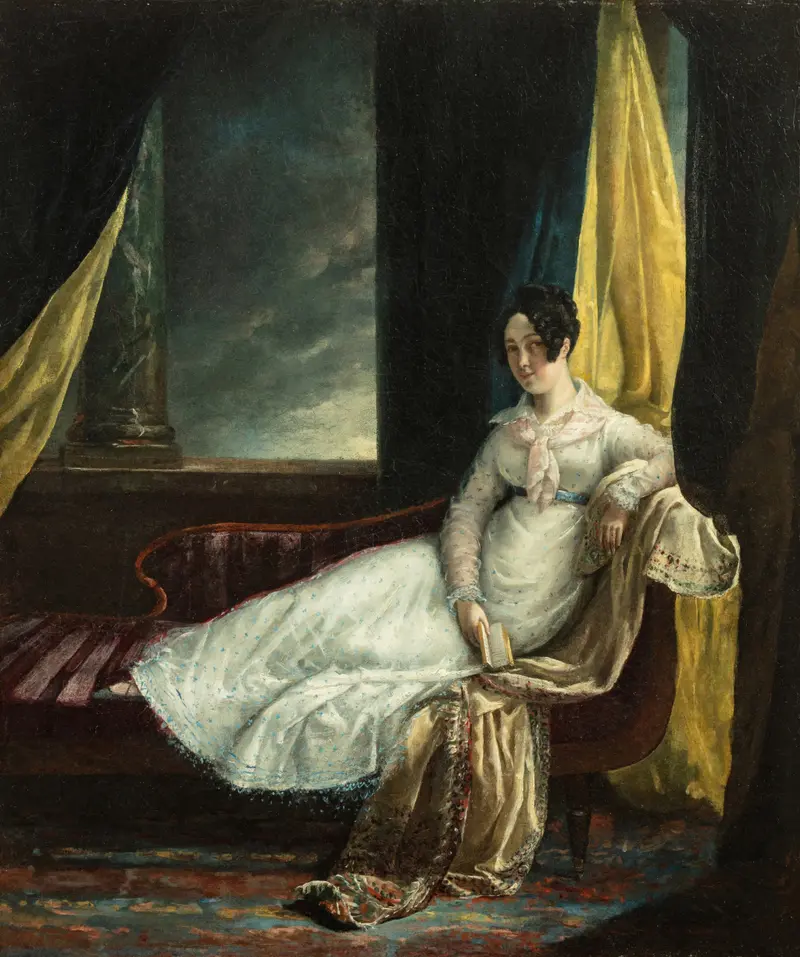
Portrait of Zoë Elmore
Théodore Géricault
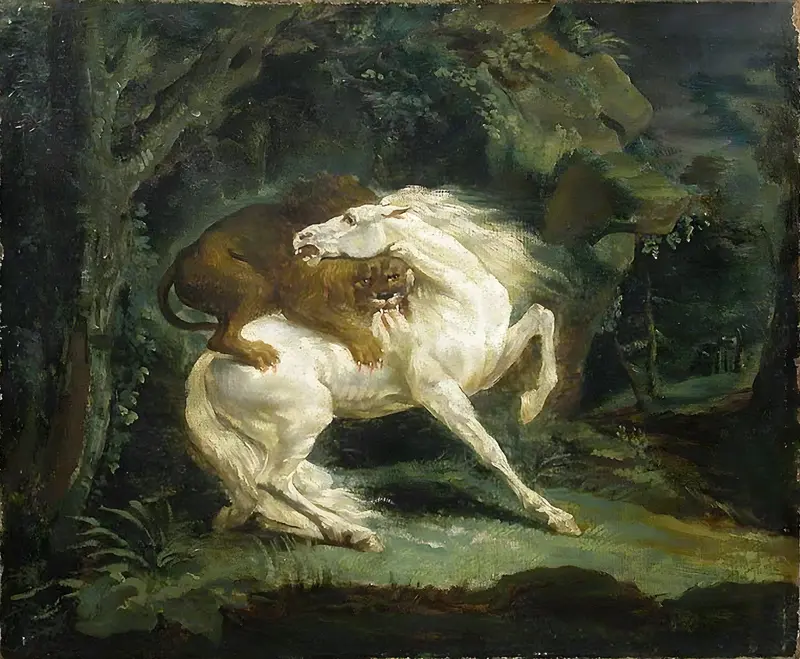
Cheval attaqué par un lion
Théodore Géricault
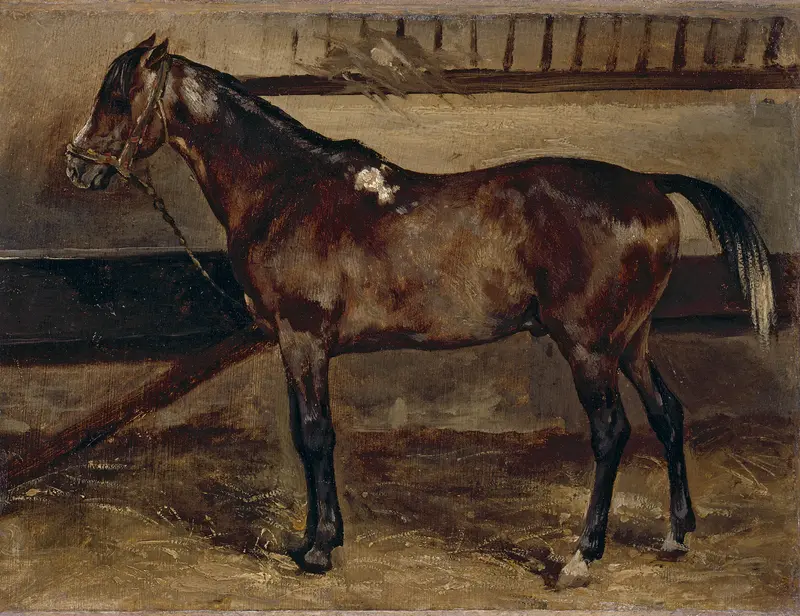
Cheval brun à l'écurie
Théodore Géricault



