
Nativity with Saint Francis and Saint Lawrence — History & Facts
Few paintings have vanished as dramatically as Nativity with Saint Francis and Saint Lawrence by Caravaggio. In October 1969, this large altarpiece was stolen from the Oratory of San Lorenzo in Palermo, Sicily, and has never been recovered; it is now one of the most famous missing works of art in the world. The theft, widely believed to be the work of the Sicilian mafia, left only an empty frame and a mystery that has endured for decades.
Its disappearance has inspired countless rumors, investigations, and even films, yet the painting itself remains lost to history. Caravaggio chose a moment of quiet intimacy for his Nativity: the newborn Christ lies on a simple cloth, surrounded not by grandeur but by humble figures. The Virgin Mary, weary and contemplative, sits close to her child, while Saint Joseph stands at her side. At the left, Saint Francis and Saint Lawrence kneel in adoration—an unusual pairing, included at the request of the commissioning church.
The light, a signature of Caravaggio, falls dramatically across the scene, illuminating faces and hands, drawing the viewer into the circle of devotion. Unlike the idealized Nativities of Correggio or Raphael, this is a world of poverty and shadow, where the sacred enters the everyday. Commissioned around 1600 for the Oratory of San Lorenzo, the painting was created during Caravaggio’s turbulent years in Rome and Naples, when his radical realism was reshaping Baroque art. Its journey ended abruptly with the 1969 theft, and despite international efforts—including appeals by the FBI and Interpol—it has never resurfaced.
What remains are black-and-white photographs and copies, such as the one now displayed in the oratory in Palermo. The loss of the original is felt not only as a blow to Sicilian heritage but as a reminder of the fragility of art in the face of violence and greed.
More Artworks by Caravaggio
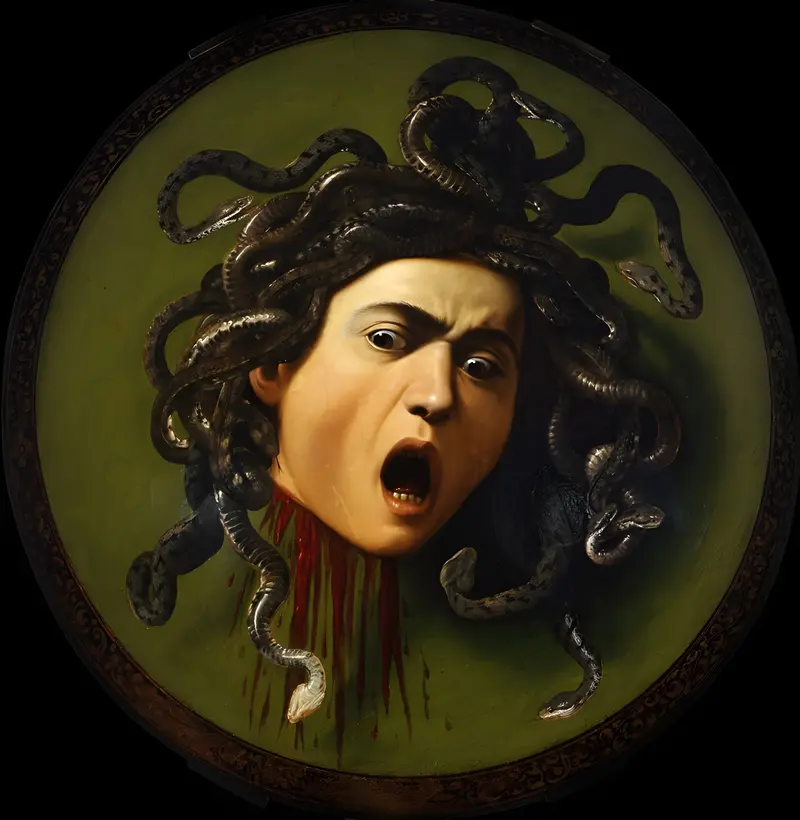
Medusa
Caravaggio
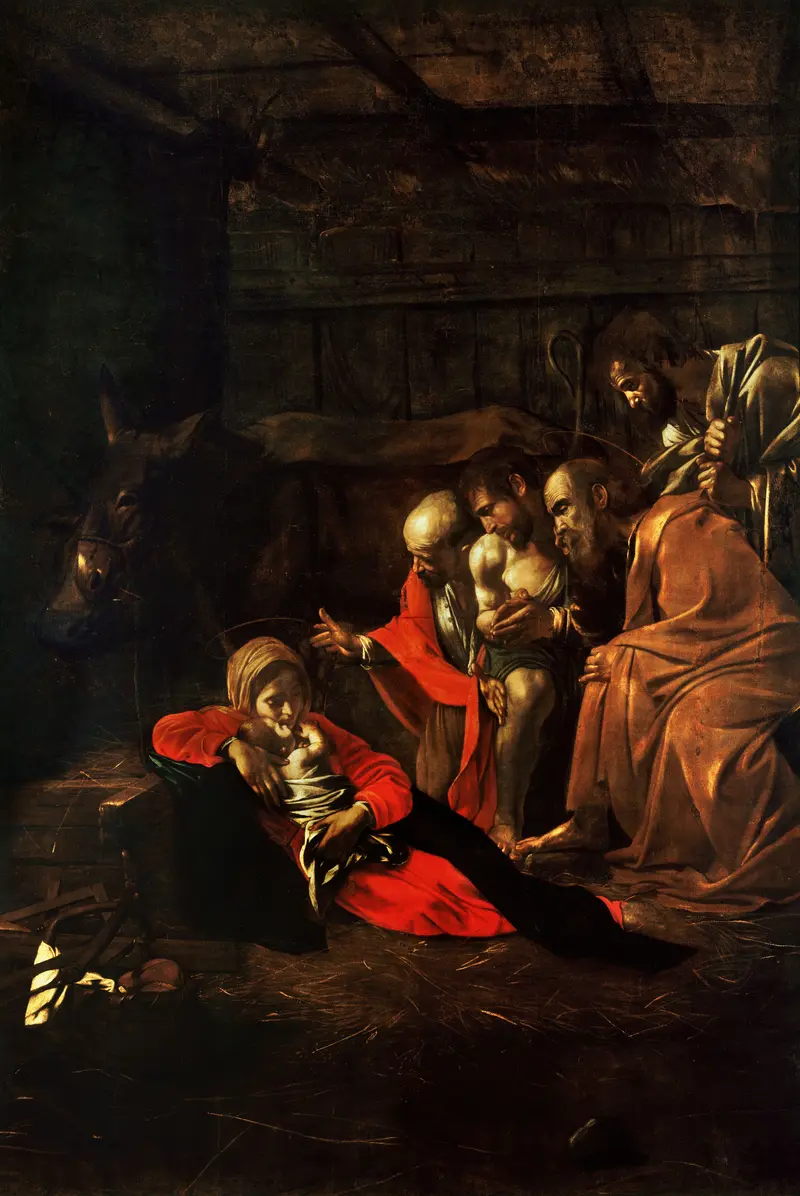
Adoration of the Shepherds
Caravaggio
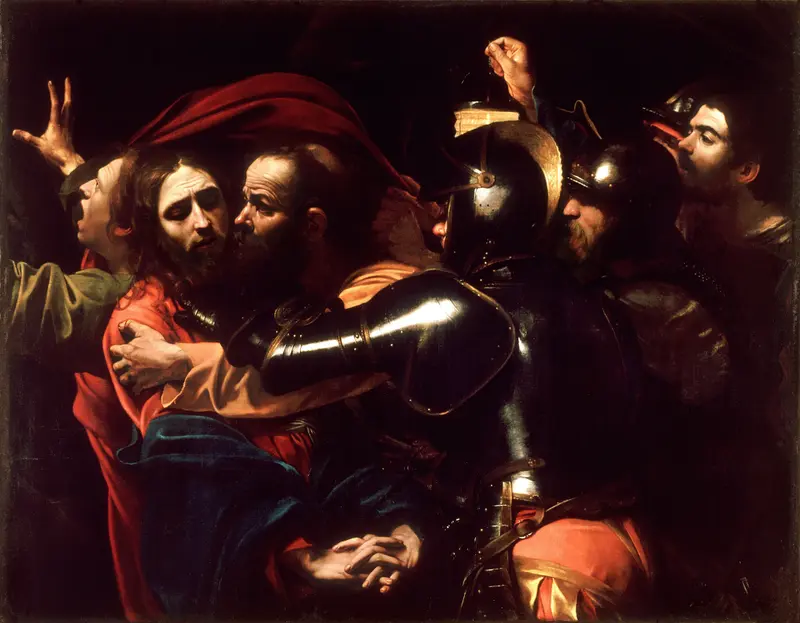
The Taking of Christ
Caravaggio
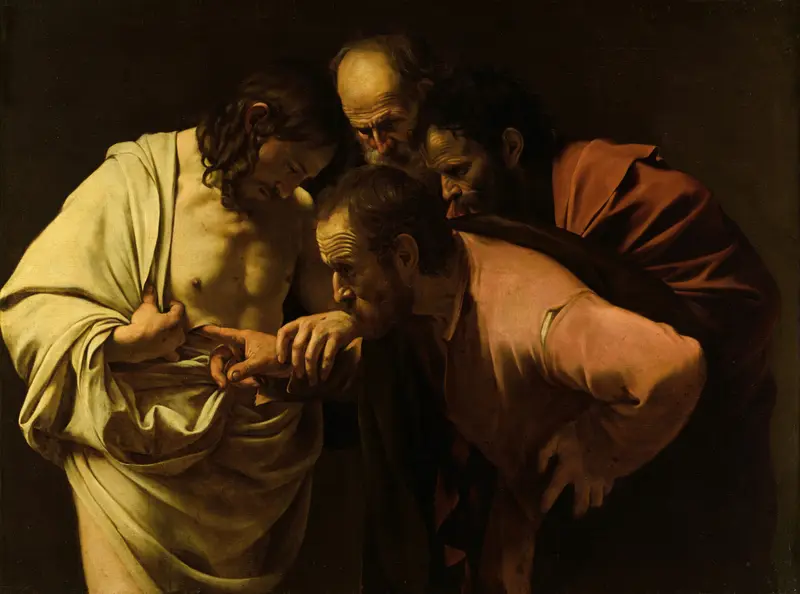
The Incredulity of Saint Thomas
Caravaggio
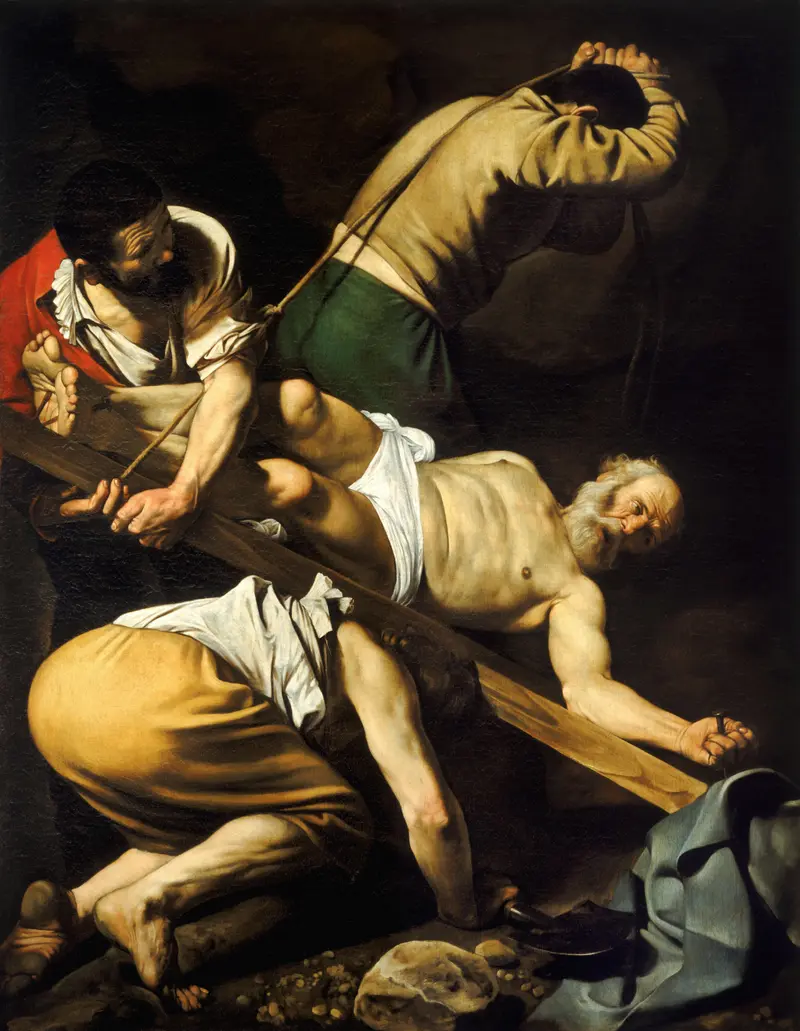
Crucifixion of Saint Peter
Caravaggio
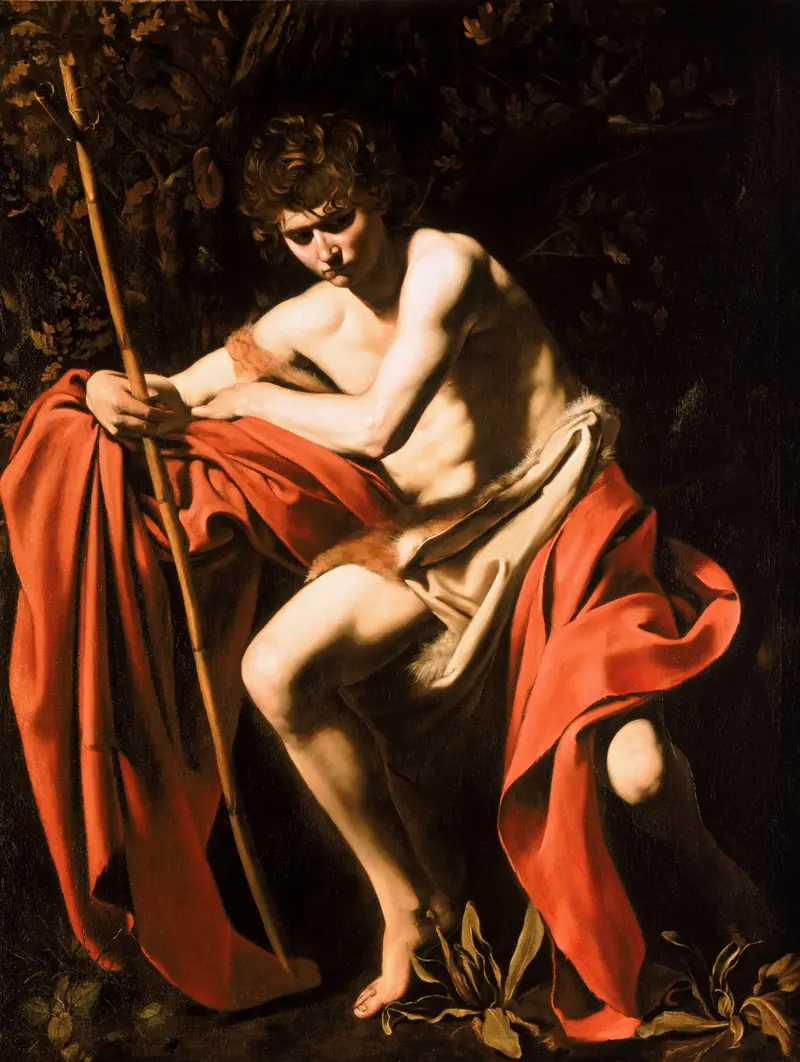
Saint John The Baptist In The Wilderness
Caravaggio

Saint Matthew and the angel
Caravaggio
The Inspiration of Saint Matthew
Caravaggio

Conversion on the Way to Damascus
Caravaggio
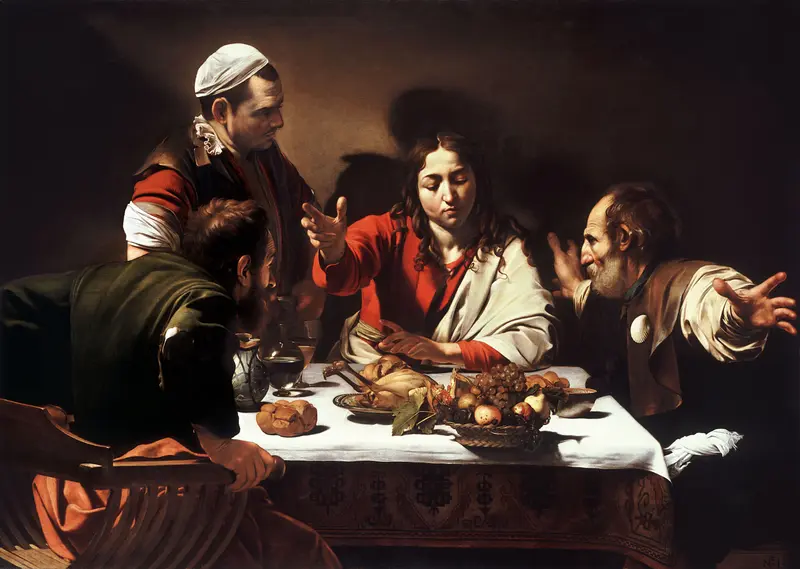
Supper at Emmaus
Caravaggio





