
Noli me tangere — History & Facts
Few biblical encounters have inspired as much artistic fascination as the moment when Mary Magdalene meets the risen Christ, yet Correggio’s Noli me tangere stands apart for its rare, almost tactile intimacy. The title, Latin for “Do not touch me,” comes from Christ’s words to Mary in the Gospel of John, and this scene has been painted by many, but Correggio’s version is especially noted for its gentle, human tension. Unlike the more formal interpretations by artists such as Titian, Correggio brings the figures close together, their gestures suspended in a charged moment of recognition and restraint.
The exact date and commission of this painting remain uncertain, adding a layer of mystery to its history. At the heart of the scene, Mary Magdalene kneels in a garden at dawn, reaching out with longing and disbelief toward Christ, who gently withdraws, his hand raised in a gesture that is both forbidding and compassionate. The gardener’s spade he holds is a subtle nod to the Gospel detail that Mary first mistakes him for a gardener, while the soft, golden light bathes their faces, signaling the hope of resurrection. The lush landscape and the interplay of hands—hers outstretched, his gently refusing—capture the emotional complexity of loss, recognition, and the impossibility of holding on.
Compared to Fra Angelico’s more distant and hieratic Magdalene, Correggio’s figures are alive with movement and feeling, their humanity foregrounded over their divinity. The painting’s early history is obscure, as is often the case with works from the circle of Correggio in the early 16th century. Scholars debate whether it was created for a private patron or as part of a church commission, and its provenance before the 17th century is not firmly established. Over time, the painting has been attributed and reattributed, with some uncertainty lingering about its autograph status, though most experts now accept it as a true work by Correggio.
Today, Noli me tangere is celebrated as a prime example of Correggio’s gift for blending narrative drama with sensual, lifelike detail—qualities that would influence later artists of the Baroque. Its survival and continued admiration speak to the enduring power of this moment of encounter and restraint.
More Artworks by Correggio
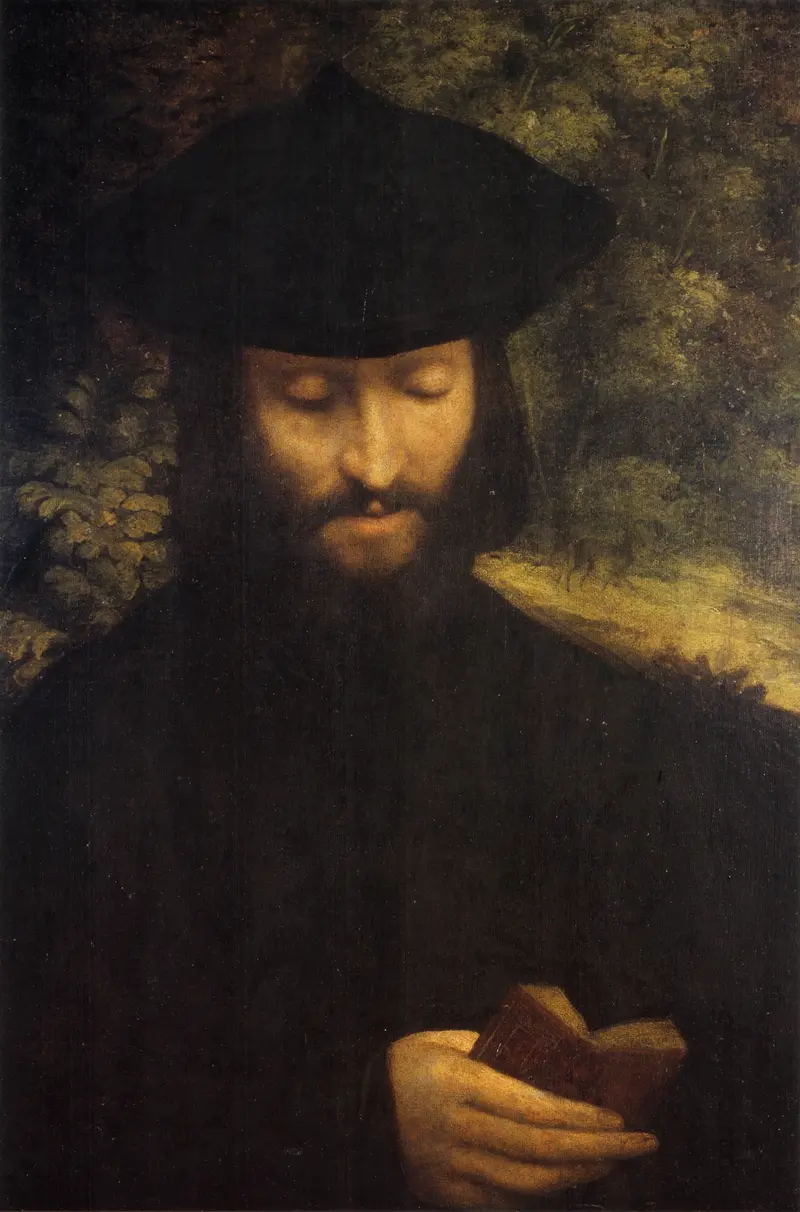
Portrait of a Man with a Book
Correggio

Holy Family with the Infant St. John
Correggio
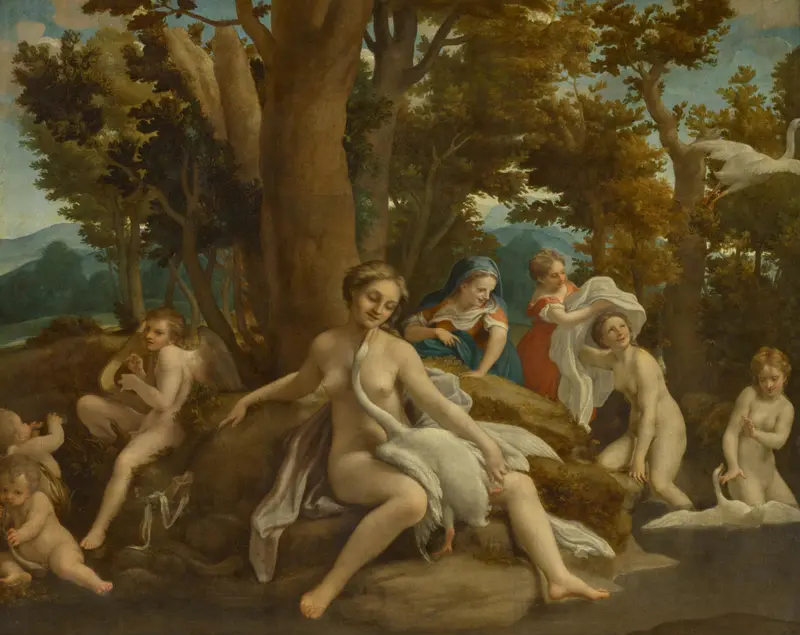
Leda and the Swan
Correggio

Madonna and Child with the Infant Saint John the Baptist
Correggio
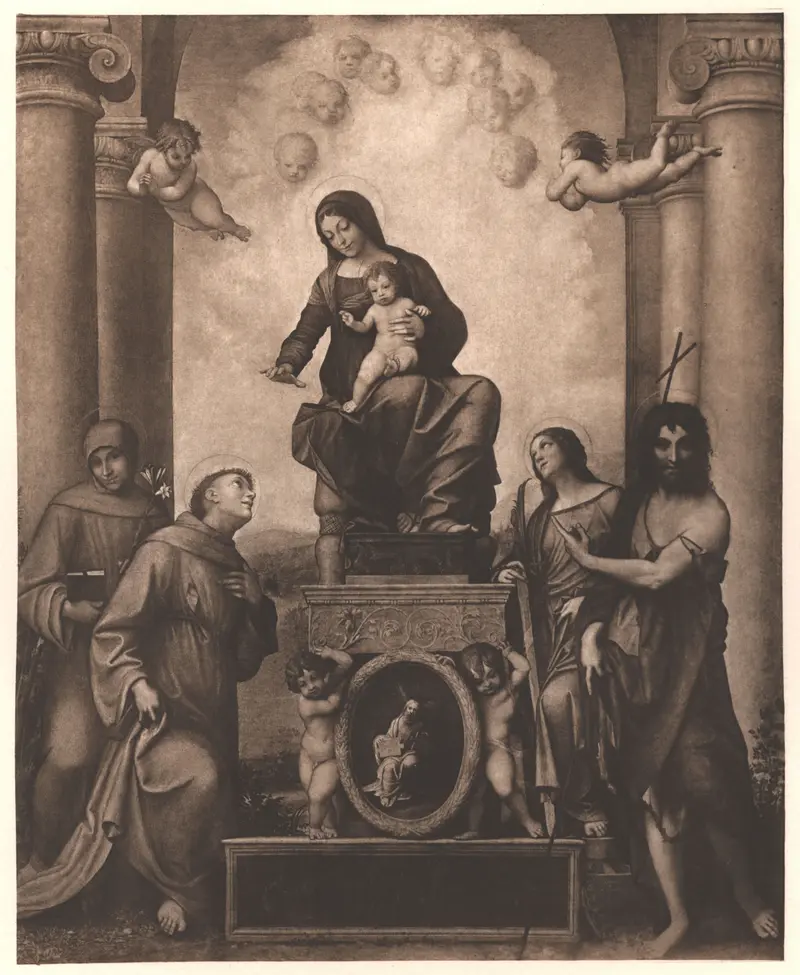
Madonna with St. Francis
Correggio
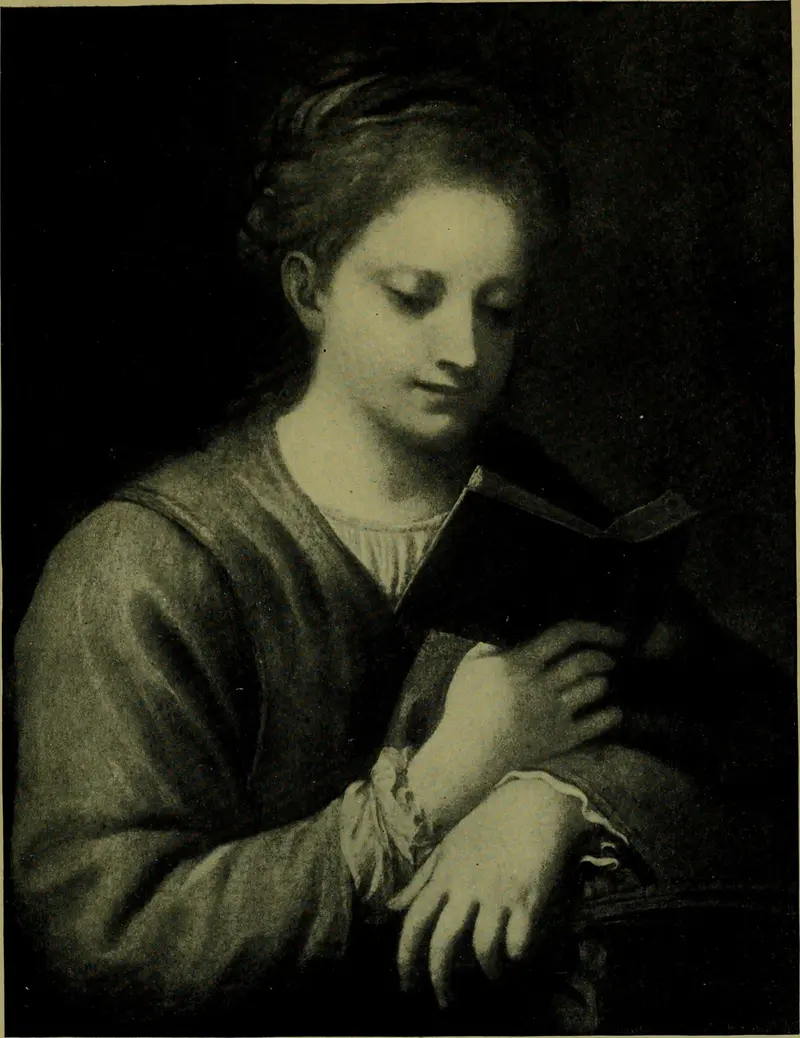
Saint Catherine Reading
Correggio

The Holy Night
Correggio
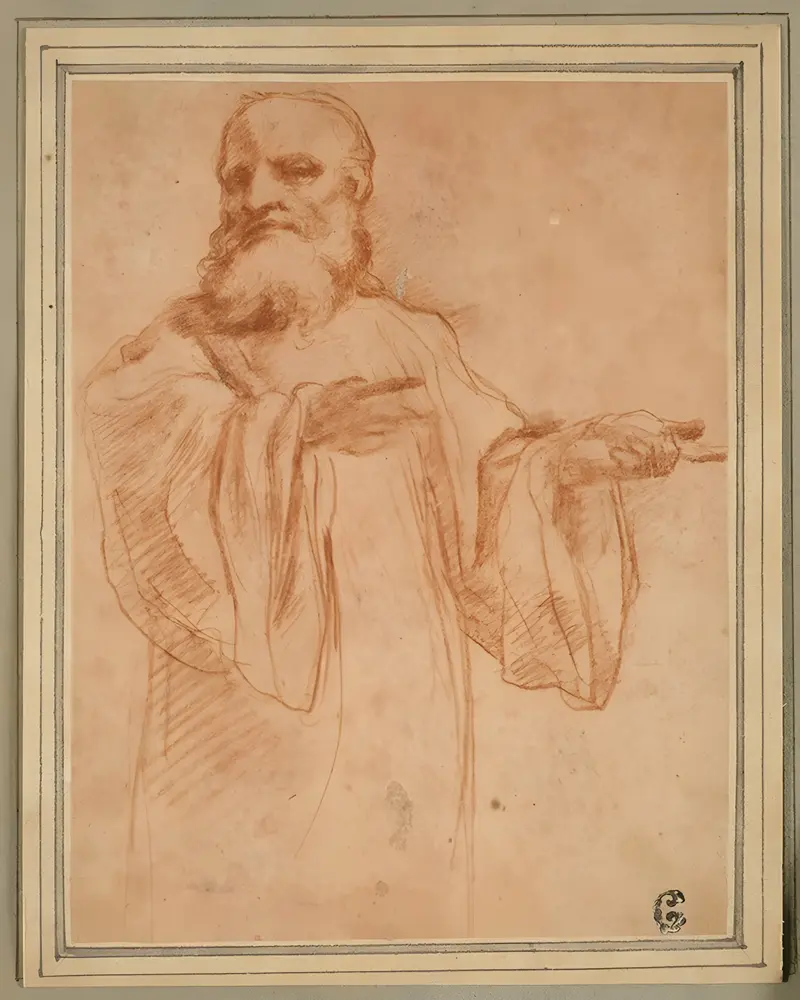
St. Benedict Gesturing to the Left; Study for the Coronation of the Virgin
Correggio
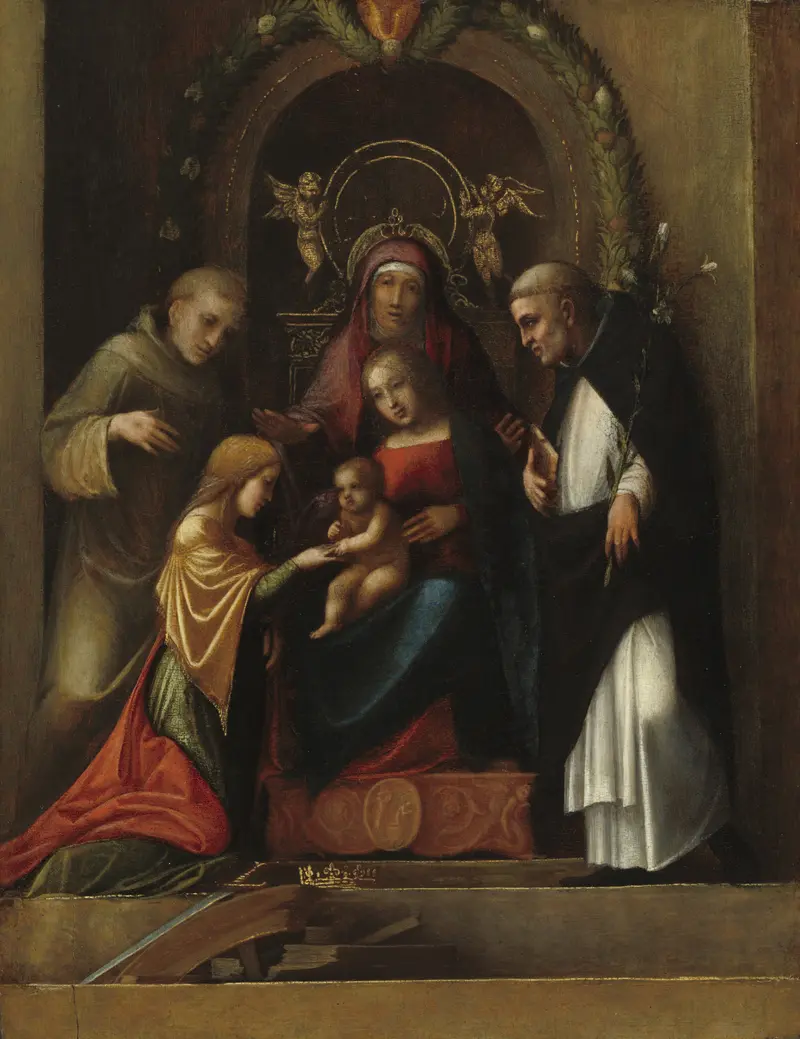
The Mystic Marriage of Saint Catherine
Correggio
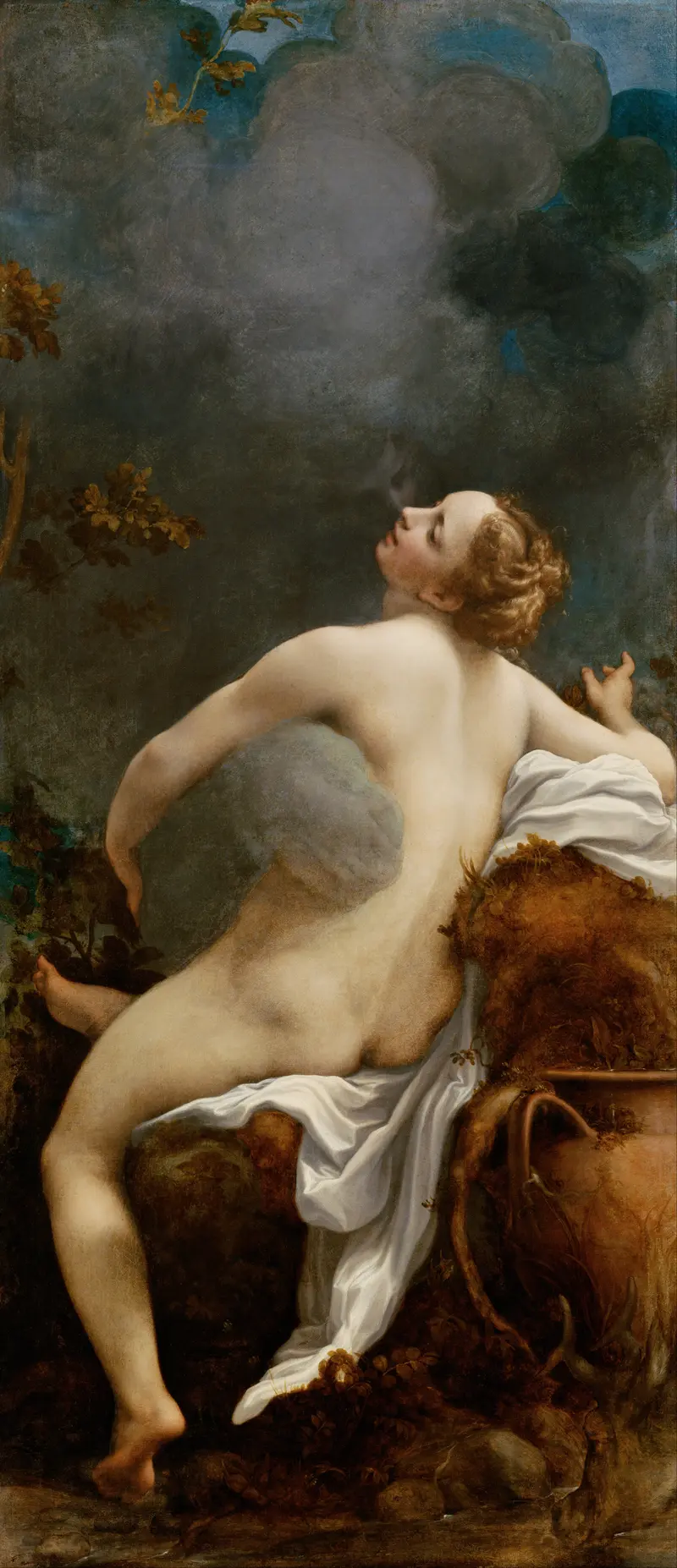
Jupiter and Io
Correggio





