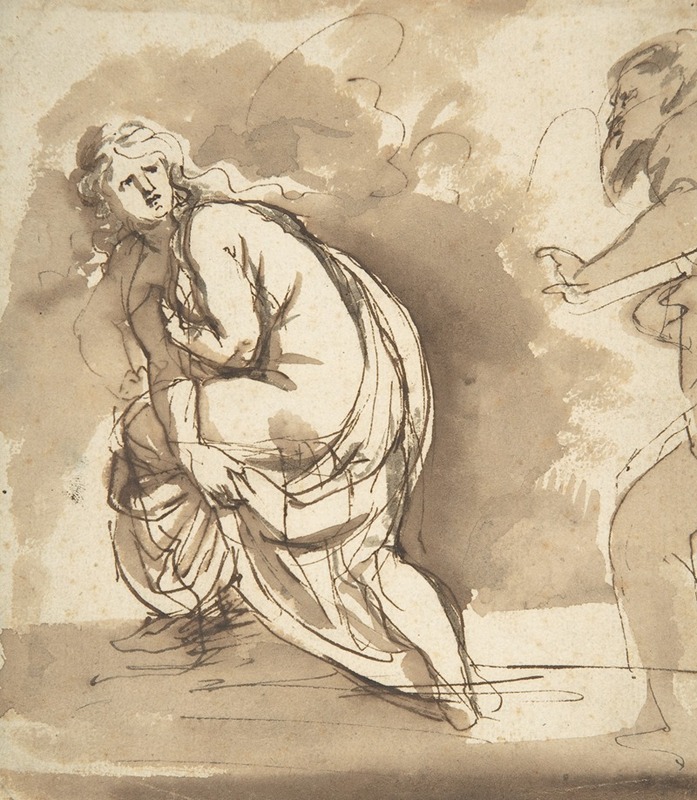
Discover insights about this artwork
Pallas And The Centaur — History & Facts
In Pallas And The Centaur, we see a striking composition featuring Pallas Athena, the goddess of wisdom, and a centaur. The figures are rendered in soft, flowing lines, with Athena depicted in a flowing robe and the centaur in a dynamic pose. The color palette is rich, dominated by earthy tones and vibrant greens, suggesting a lush natural setting.
The background features a serene landscape, enhancing the mythological theme of the piece. This painting is executed in tempera on panel, a common medium during the Renaissance. The artist employs a delicate technique, allowing for intricate details in the figures and their expressions. The use of light and shadow creates a sense of depth, drawing the viewer's eye to the central figures.
The dimensions of the artwork are approximately 80 x 100 cm, making it a notable size for a Renaissance piece. Sandro Botticelli was a prominent figure of the Italian Renaissance, known for his unique style and mythological themes. Pallas And The Centaur is believed to have been created in the 1480s, reflecting Botticelli's interest in classical mythology. An interesting fact about this work is that it symbolizes the struggle between reason and passion, as represented by Pallas and the centaur.
This duality is a recurring theme in Botticelli's oeuvre, showcasing his philosophical depth.
More Artworks by Sandro Botticelli
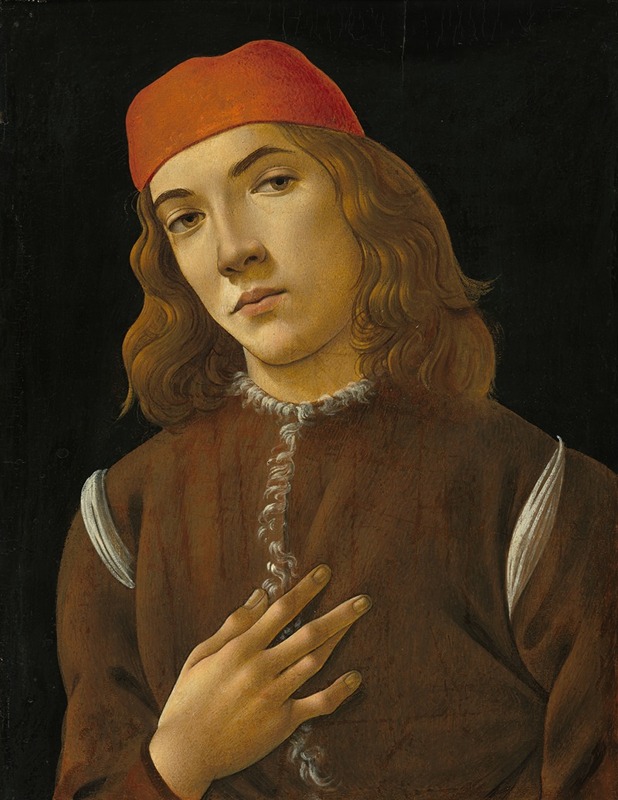
Portrait of a Youth
Sandro Botticelli
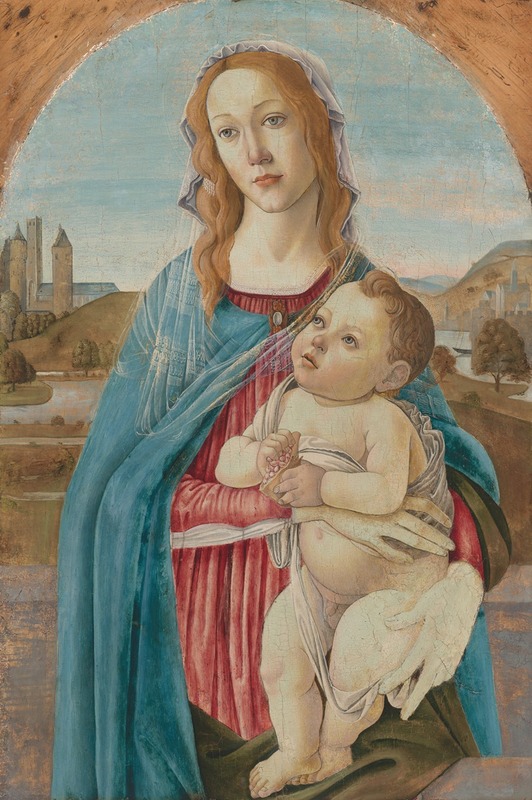
Virgin and Child
Sandro Botticelli
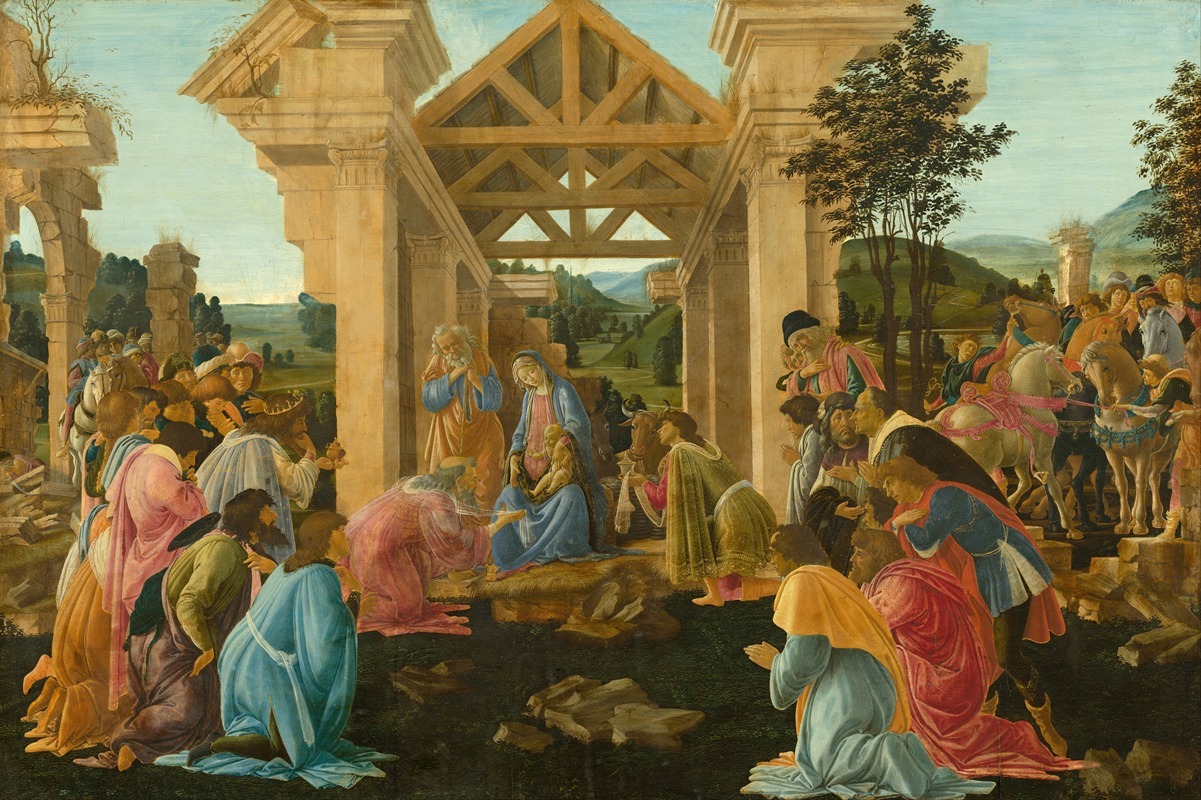
The Adoration Of The Magi
Sandro Botticelli

Madonna and Child with Angels
Sandro Botticelli
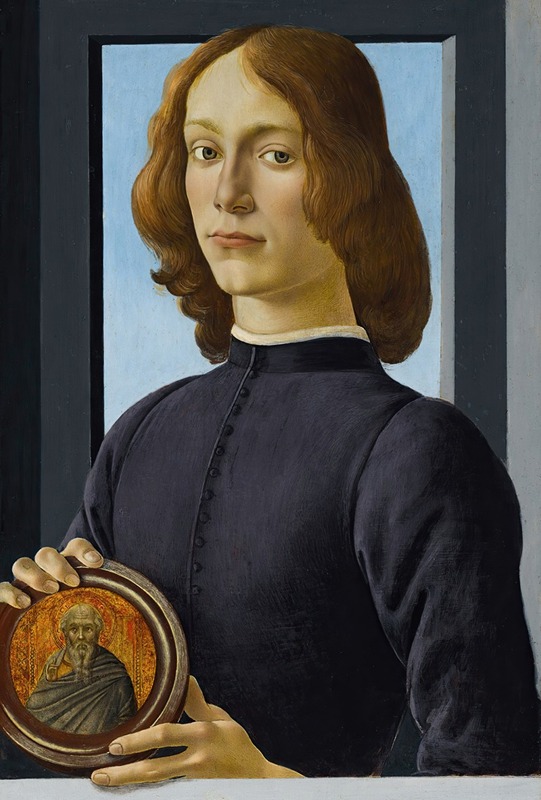
Portrait of a young man holding a roundel
Sandro Botticelli
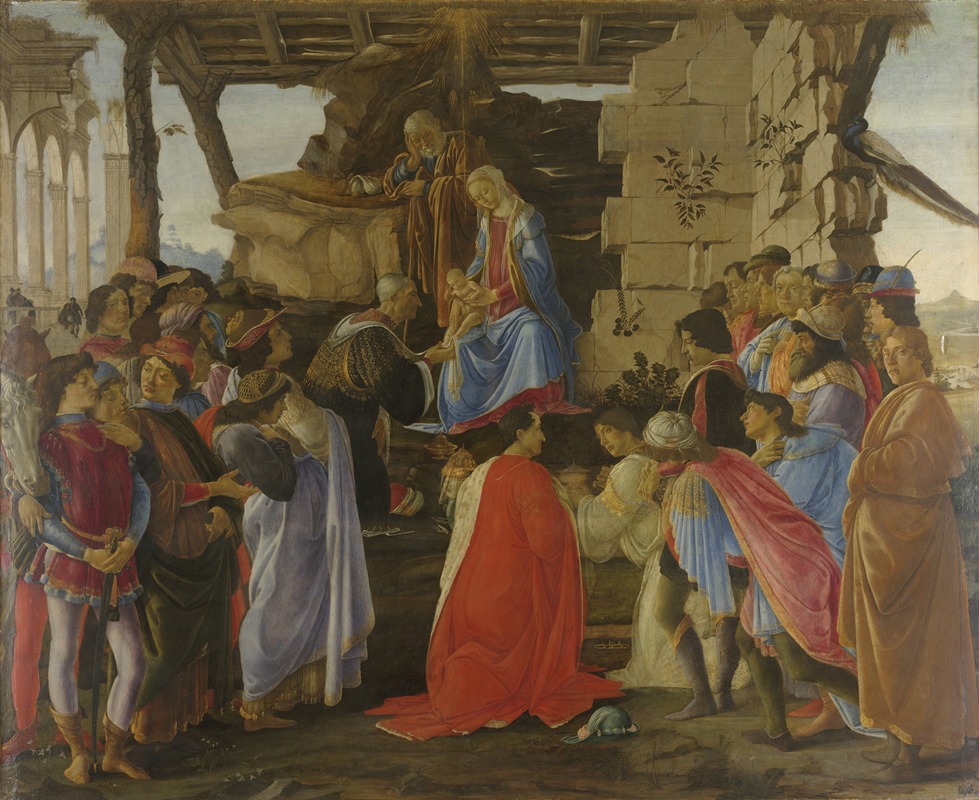
Adoration of the Magi
Sandro Botticelli
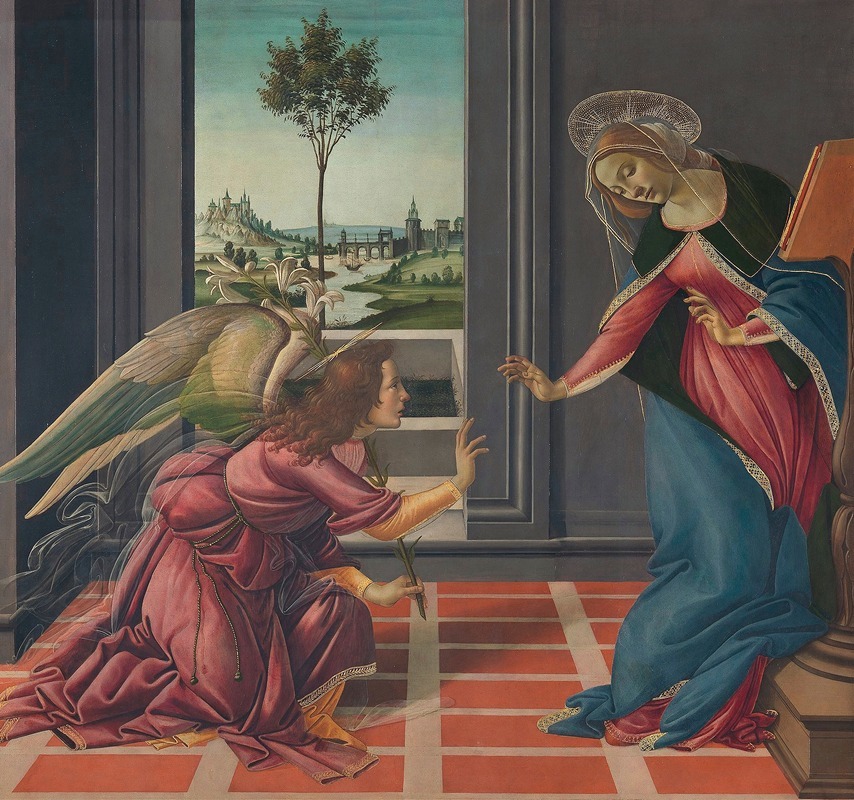
Annunciation
Sandro Botticelli
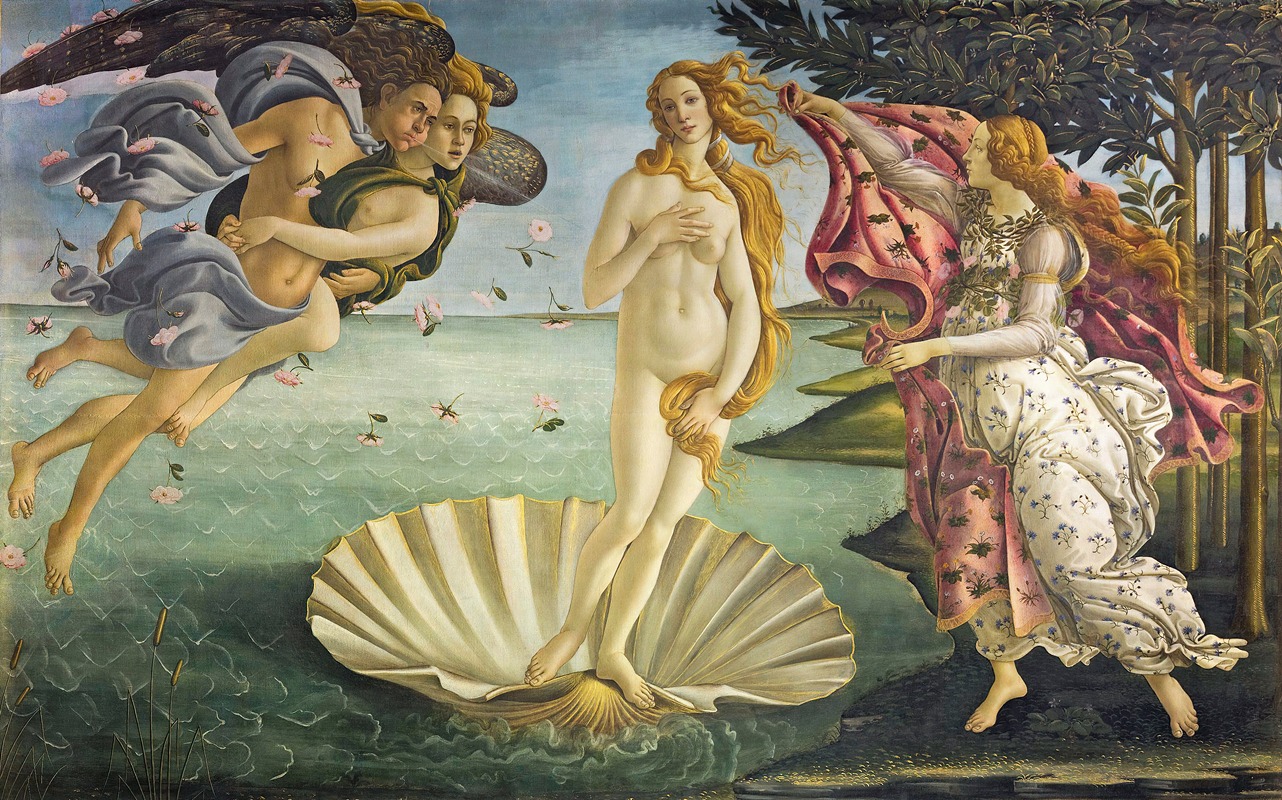
Birth Of Venus
Sandro Botticelli
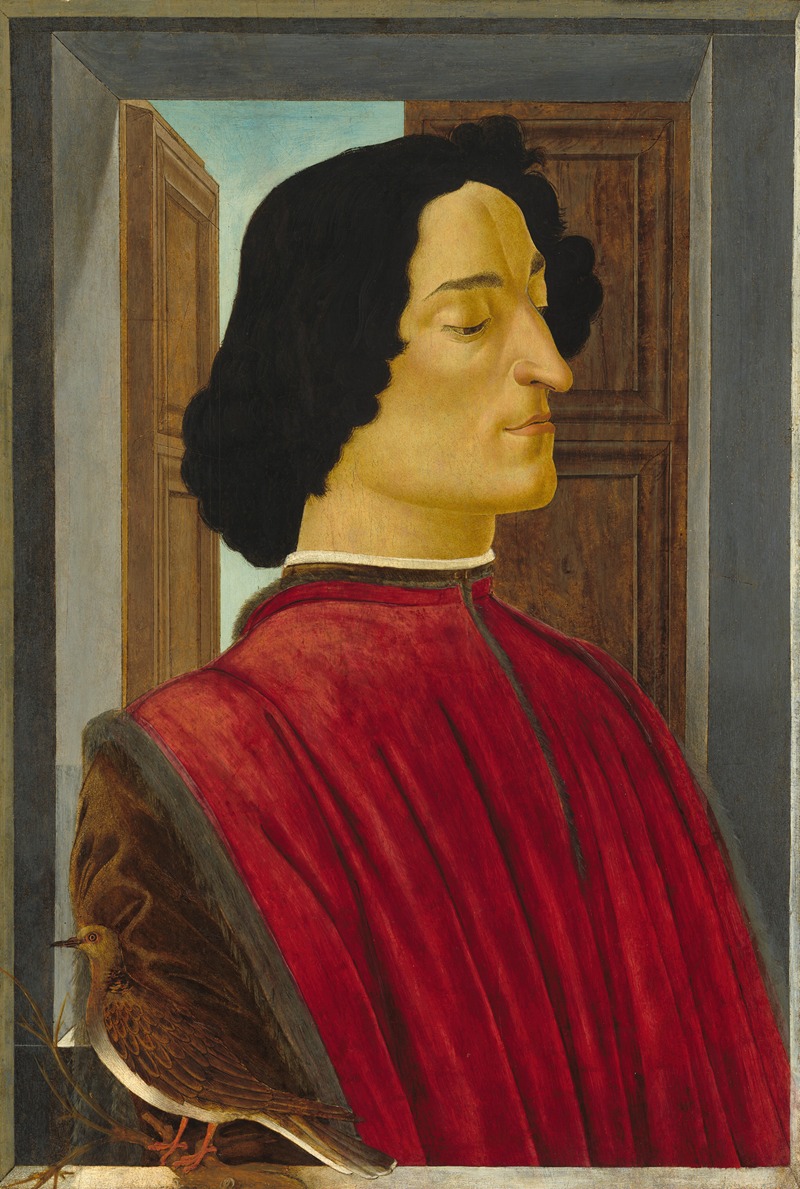
Giuliano de’ Medici
Sandro Botticelli
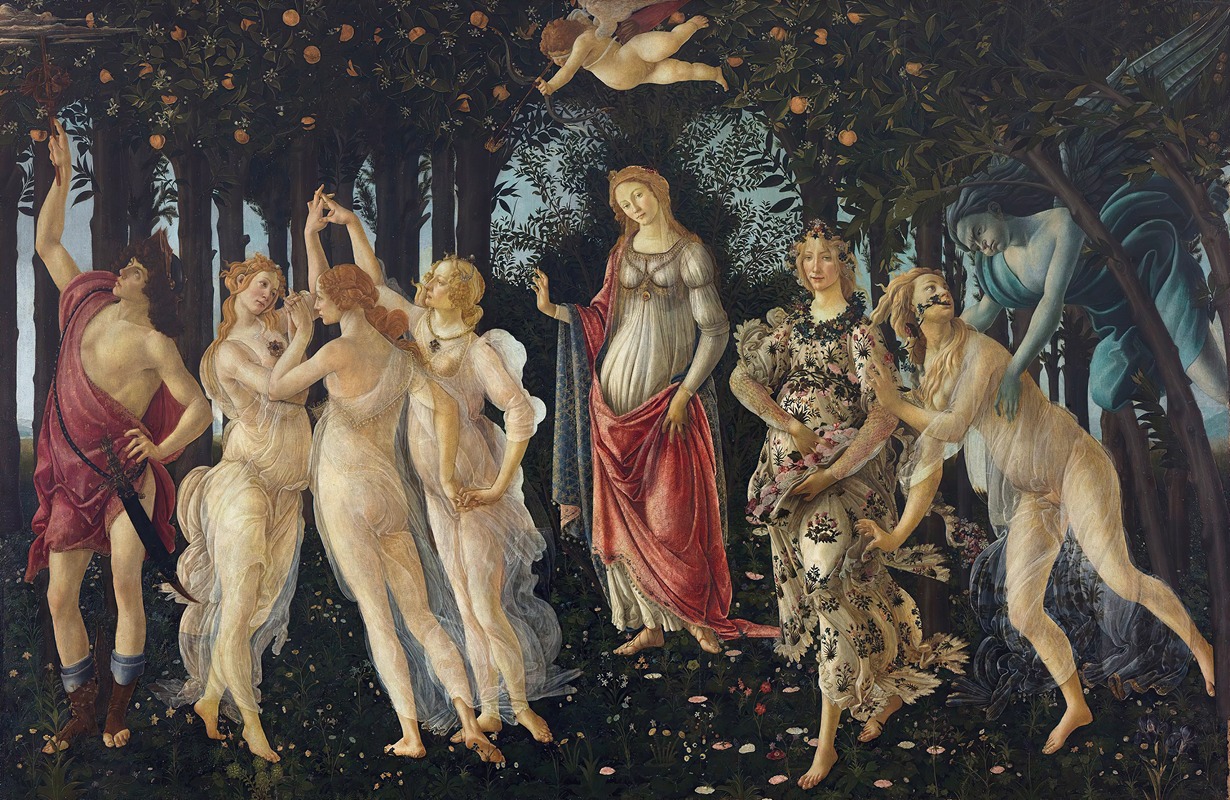
Spring
Sandro Botticelli