
Paolo and Francesca da Rimini — History & Facts
When Gustave Doré unveiled Paolo and Francesca da Rimini in 1863, he was already known as one of France’s most prolific illustrators, but this work marked his ambitious foray into large-scale painting. The subject, drawn from Dante’s Inferno, had haunted artists for centuries, yet Doré’s interpretation arrived at a moment when the public was newly fascinated by medieval romance and tragedy. The painting was exhibited at the Paris Salon, where it drew immediate attention for its dramatic intensity and the emotional charge Doré brought to the ill-fated lovers.
Notably, Doré’s version stands apart for the way it fuses his illustrative precision with the grandeur expected of Salon painting. The scene Doré chose is the moment Paolo and Francesca, condemned for their adulterous love, are swept together in the eternal whirlwind of the second circle of Hell. Francesca clings to Paolo, her face turned in anguish, while the storm rages about them—an embodiment of the passions that doomed them. Doré’s swirling brushwork and the contorted forms of the lovers echo the chaos of their fate; the dim, oppressive light isolates the pair, heightening their sense of loss and longing.
Unlike Ingres’s more restrained Paolo and Francesca, Doré’s approach is turbulent and immediate, emphasizing suffering over serenity. Every detail, from the tightly clasped hands to the billowing drapery, serves to underscore the lovers’ inescapable punishment. The precise medium of Paolo and Francesca da Rimini is not always listed, though Doré worked in both oil and mixed techniques during this period. The painting’s early history is less documented than some of his other works, but it is known that Doré’s Salon entries helped secure his reputation beyond illustration and led to major commissions, including his celebrated Dante engravings.
Today, the painting is often referenced in studies of nineteenth-century Romanticism and the era’s fascination with literary subjects. While the exact whereabouts of the original are unclear—some sources suggest it remains in a private collection—its impact endures through engravings and reproductions, attesting to Doré’s ability to translate literary drama into unforgettable visual form.
More Artworks by Gustave Doré

The Deluge
Gustave Doré
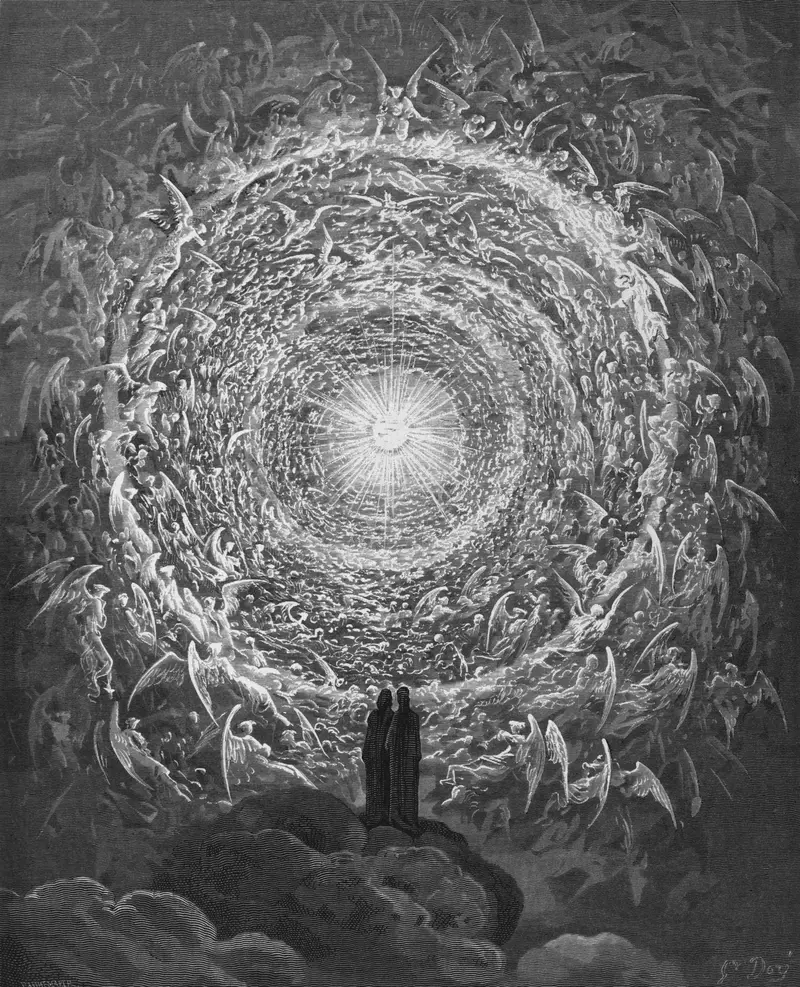
The Empyrean (Paradiso, Canto 31)
Gustave Doré
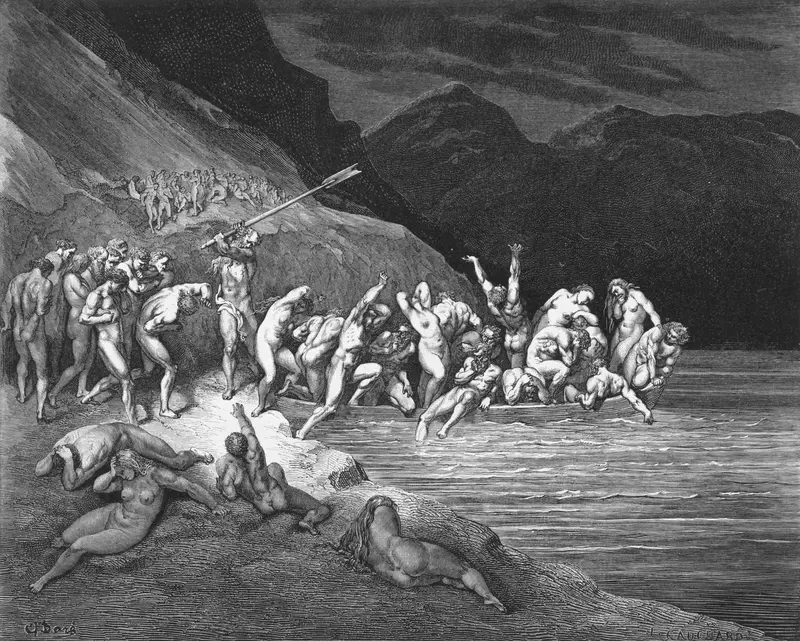
Charon (Inferno, Canto 3)
Gustave Doré
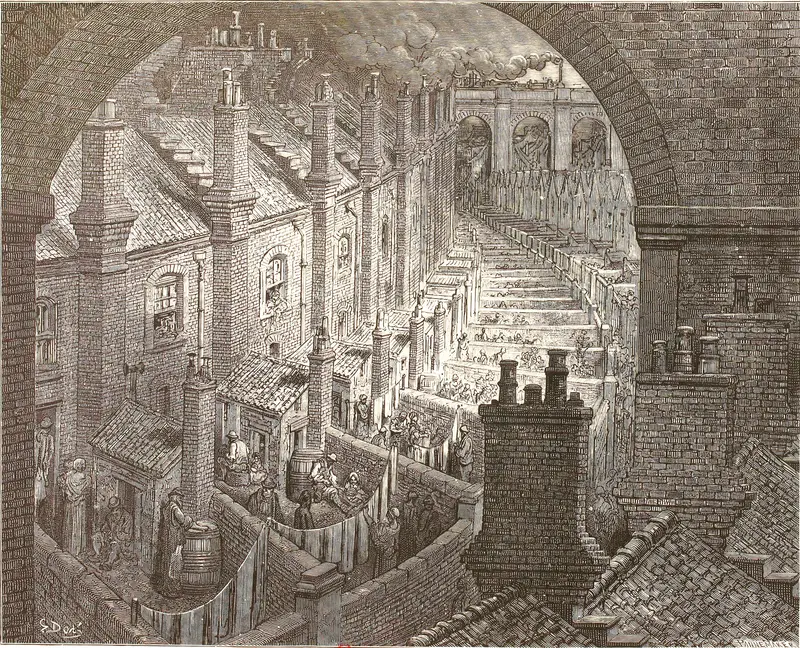
Over London by Rail
Gustave Doré
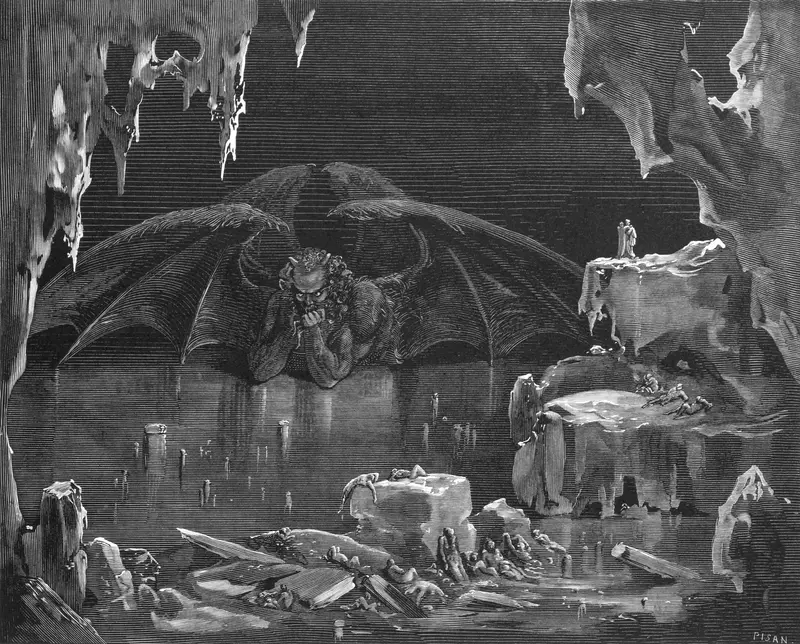
Lucifer, King of Hell
Gustave Doré
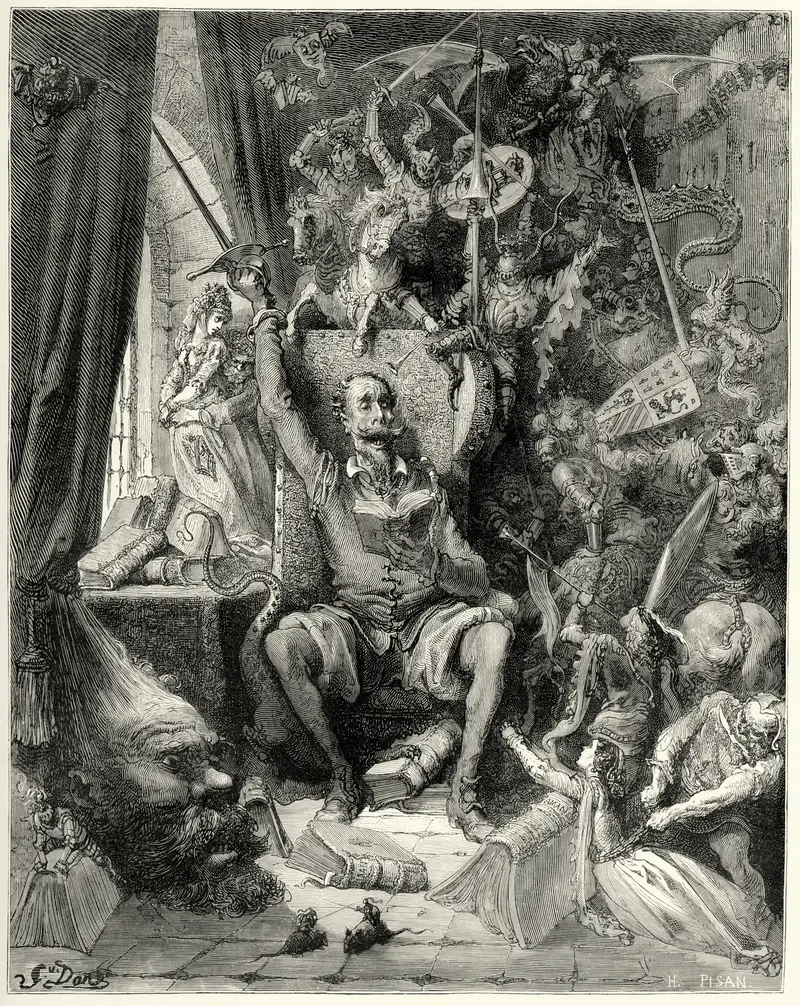
Don Quixote in His Library
Gustave Doré
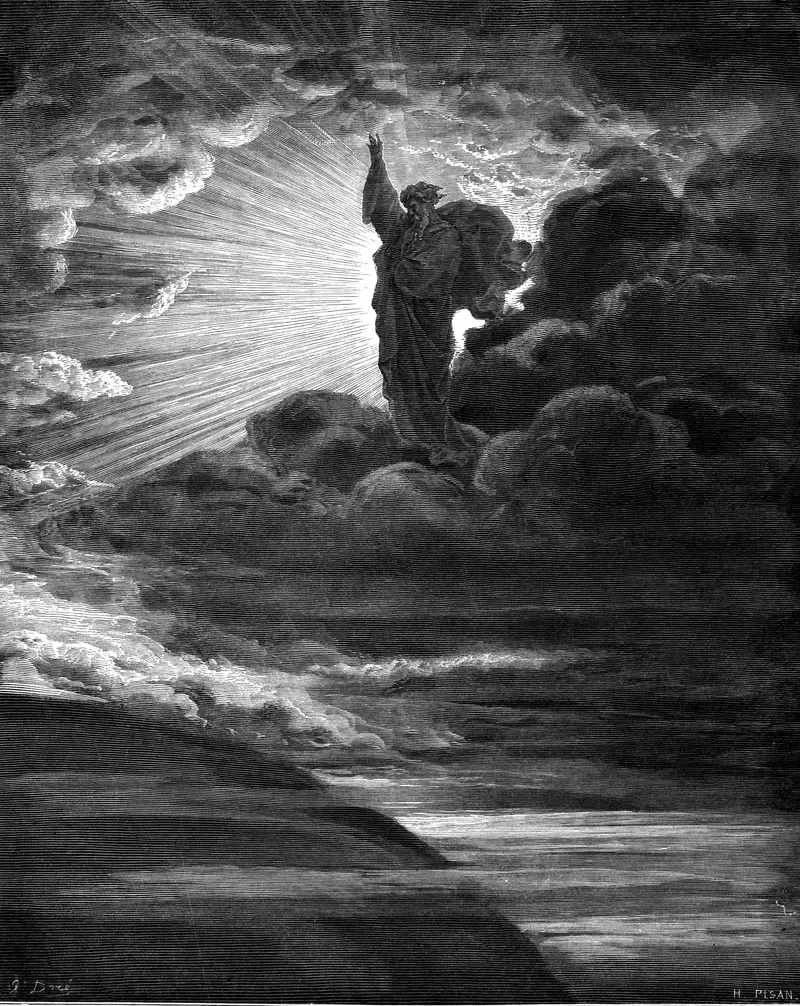
The Creation of Light
Gustave Doré
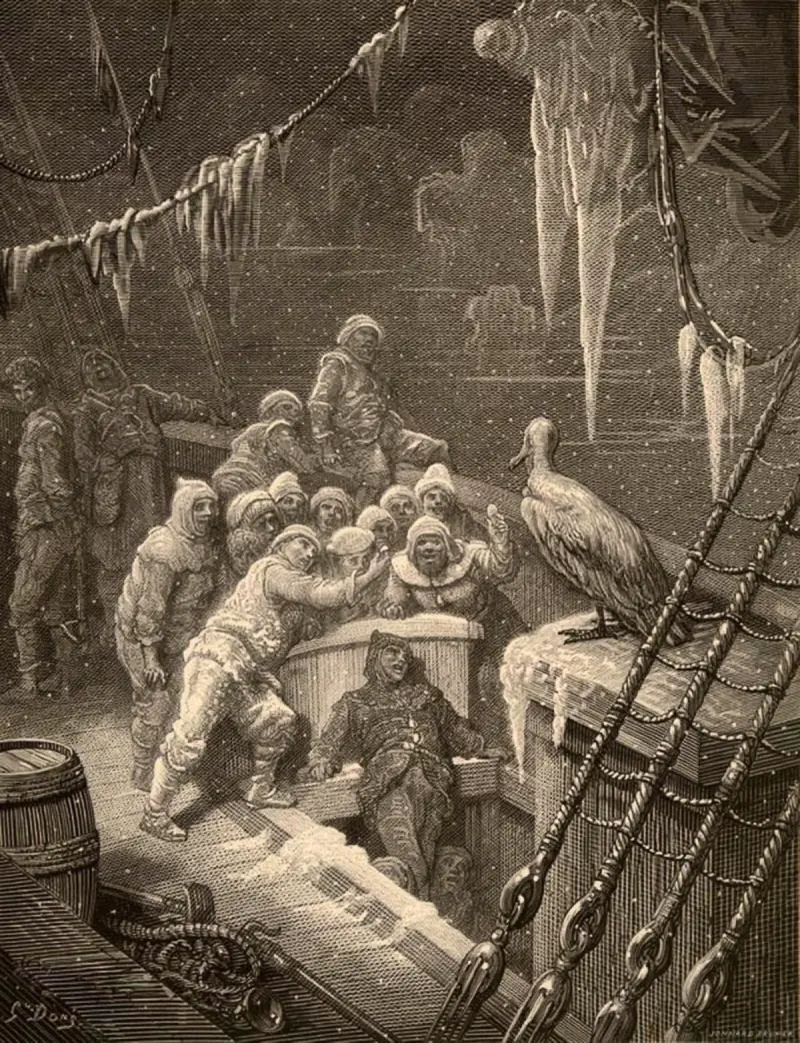
The Albatross (The Rime of the Ancient Mariner)
Gustave Doré
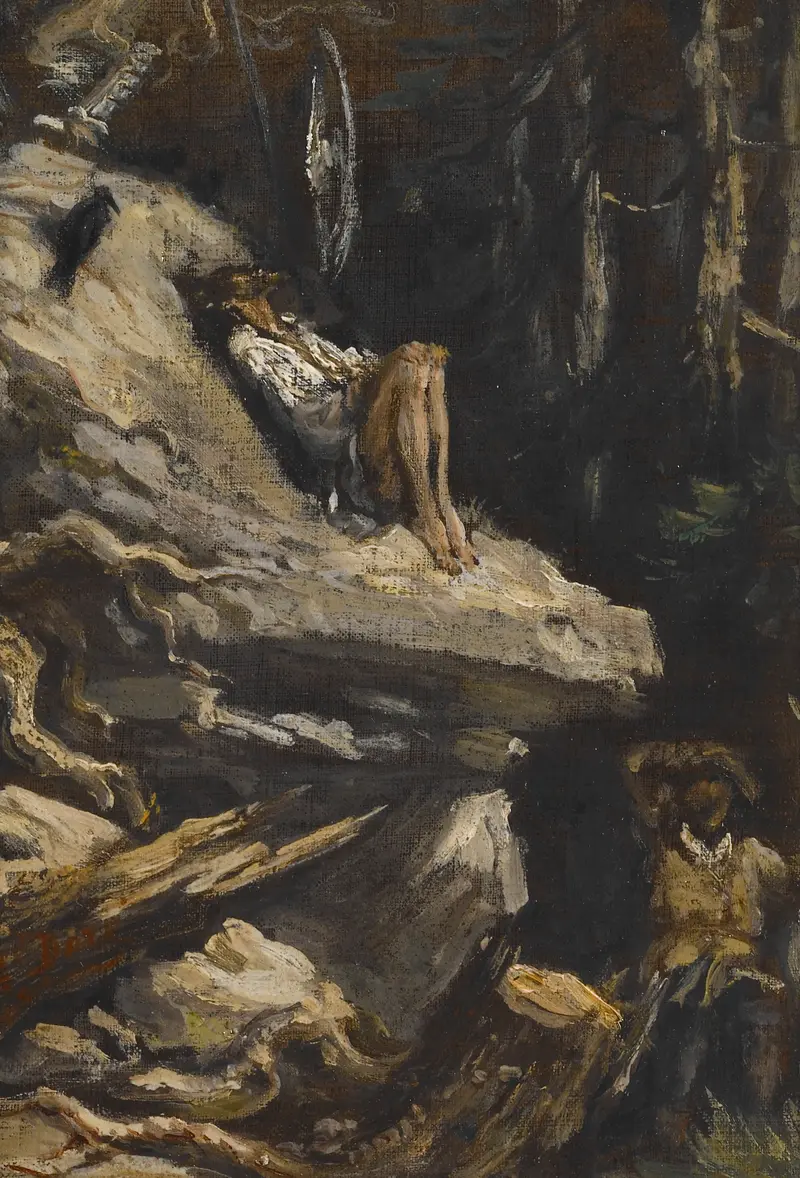
"'Alas!' answered Sancho, 'I found him in his shirt, lean, pale, and almost starved, sighing for his Lady Dulcinea'" from Don Quixote
Gustave Doré
Christ's Entry into Jerusalem
Gustave Doré



