
Penelope Macdonald Hamilton, Lady Belhaven and Stenton (ca. 1773-1816) — History & Facts
When Sir Henry Raeburn painted Penelope Macdonald Hamilton, Lady Belhaven and Stenton, he captured not only a likeness but the spirit of a woman whose family was woven into the fabric of Scottish Enlightenment society. Lady Belhaven, born around 1773, was the daughter of Sir Archibald Macdonald, a prominent judge, and became the wife of William Hamilton, 7th Lord Belhaven and Stenton. The portrait is notable for its subject’s direct, intelligent gaze—unusual for female sitters of the period, who were often depicted with demure or passive expressions.
This sense of presence has led some to speculate that Raeburn painted Lady Belhaven from life, rather than relying on preparatory sketches or idealized conventions. The painting presents Lady Belhaven seated, her posture relaxed yet dignified, hands loosely clasped in her lap. Raeburn’s attention to the play of light across her face and the subtle modeling of her features draws the viewer’s eye to her expression—a mixture of composure and quiet confidence. The restrained palette and soft handling of fabric recall the approach of Thomas Gainsborough, yet Raeburn’s focus is less on the trappings of status and more on the individuality of his sitter.
The absence of overt symbols—no books, no musical instruments—suggests that the artist wished to let Lady Belhaven’s personality speak through her gaze and bearing alone. The precise date and circumstances of the commission remain uncertain, as does the painting’s early provenance. Like many of Raeburn’s portraits of the Scottish gentry, it likely remained in the family’s possession for generations before entering public or private collections. Sir Henry Raeburn was at the height of his career during the late 18th and early 19th centuries, celebrated for his ability to capture the character of Edinburgh’s elite.
Today, works like Penelope Macdonald Hamilton, Lady Belhaven and Stenton are valued not only for their artistic merit but also as documents of a vibrant era in Scottish history. The painting’s current location is not widely published, reflecting the sometimes-private journeys of such family portraits.
More Artworks by Sir Henry Raeburn

Portrait of Hugh Hope
Sir Henry Raeburn
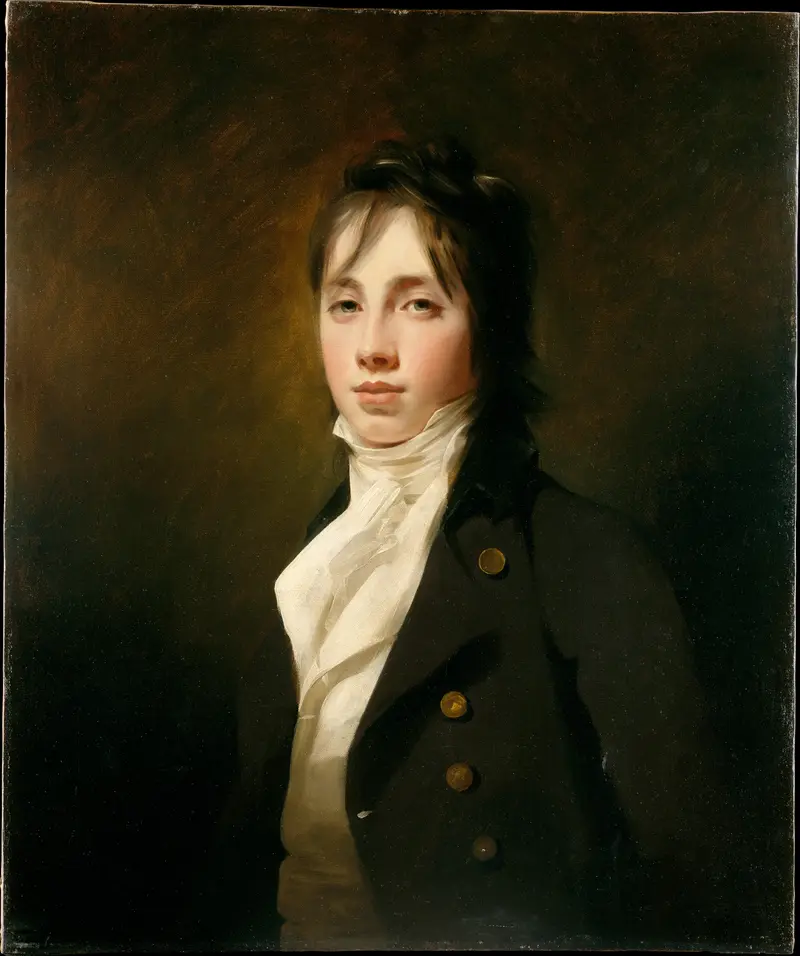
William Fraser of Reelig (1784–1835)
Sir Henry Raeburn
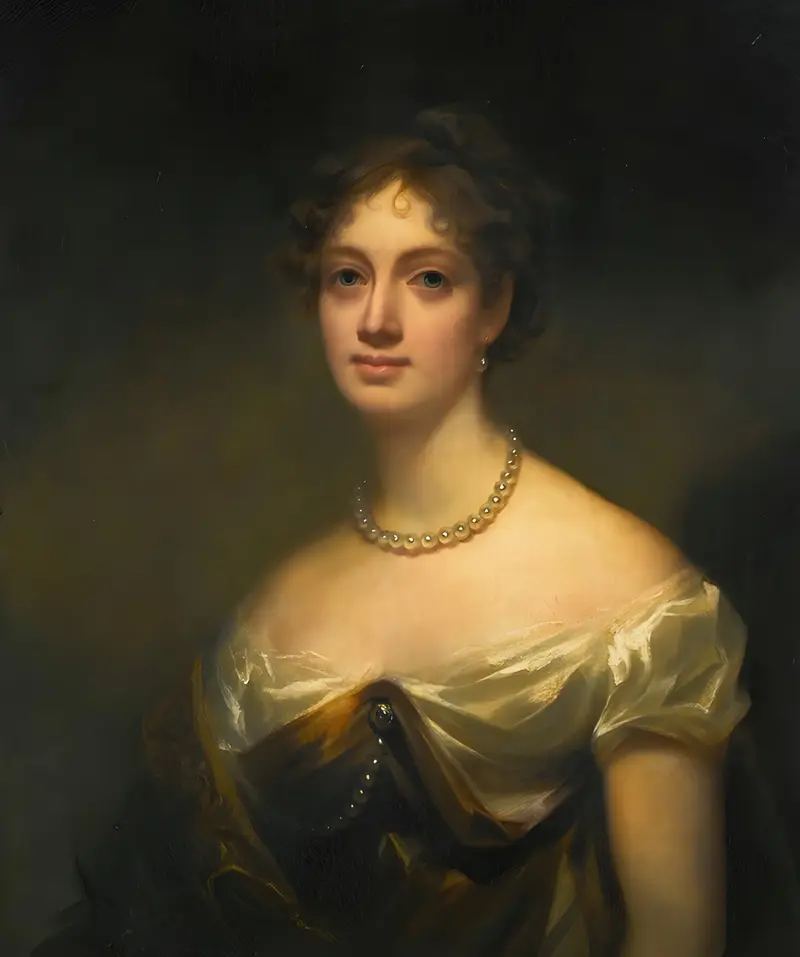
Portrait Of Anne Blair Maconochie Welwood Of Garvock, Lady Meadowbank (1784–1866)
Sir Henry Raeburn
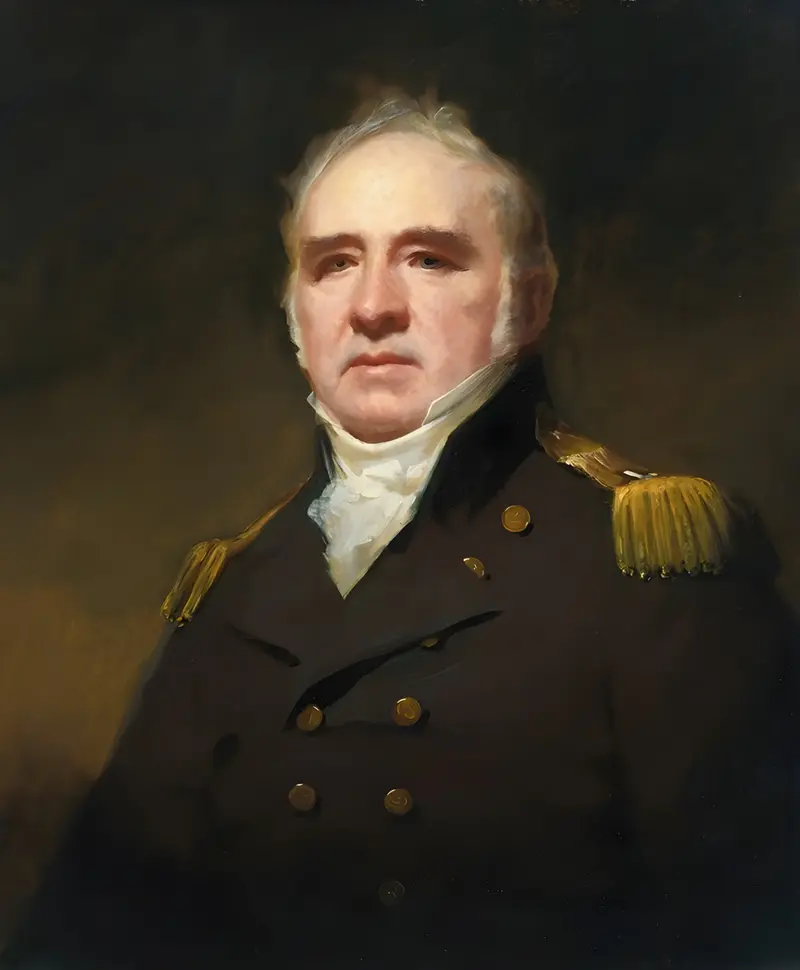
Portrait Of Captain James Forbes-Drummond, R.N., Of Hawthornden
Sir Henry Raeburn
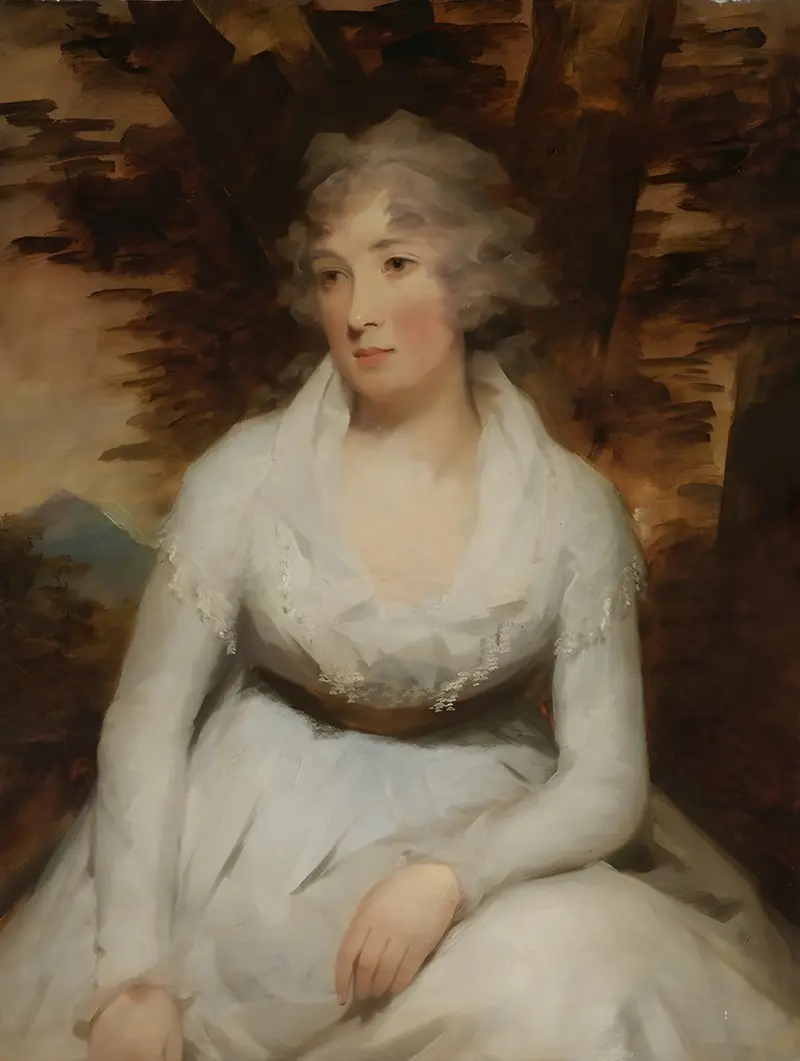
Miss Elizabeth Dalrymple (afterwards Mrs. George Leith)
Sir Henry Raeburn
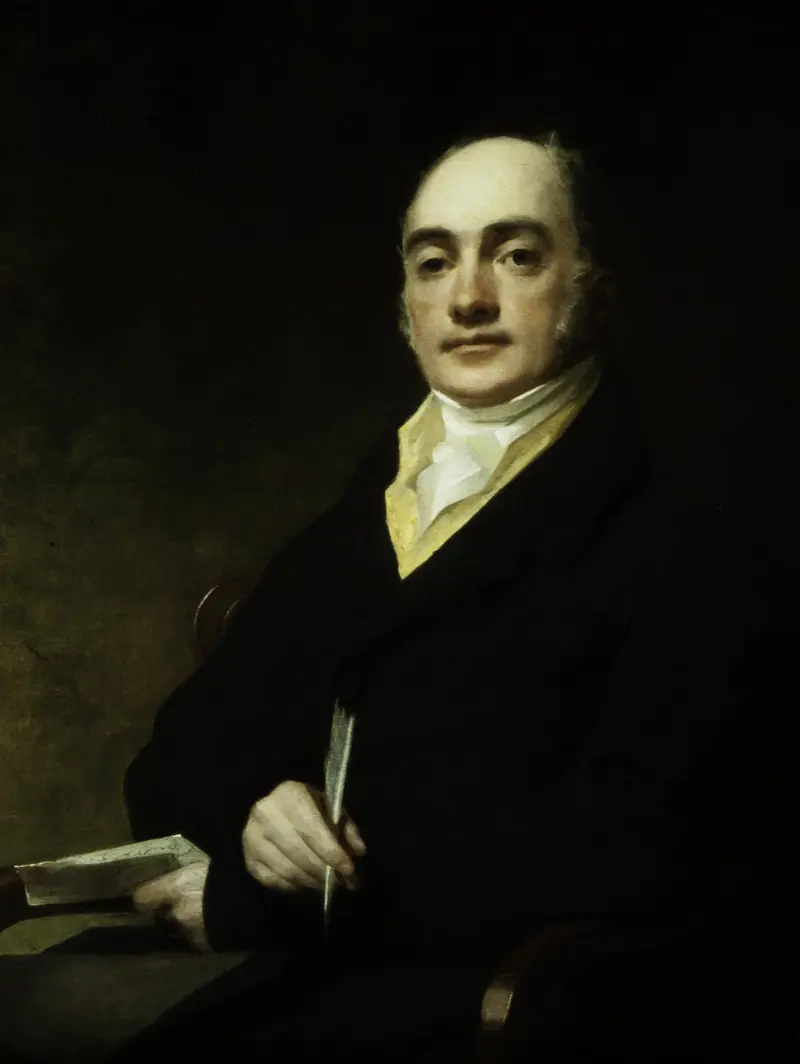
Portrait of John Baillie (1772-1833)
Sir Henry Raeburn
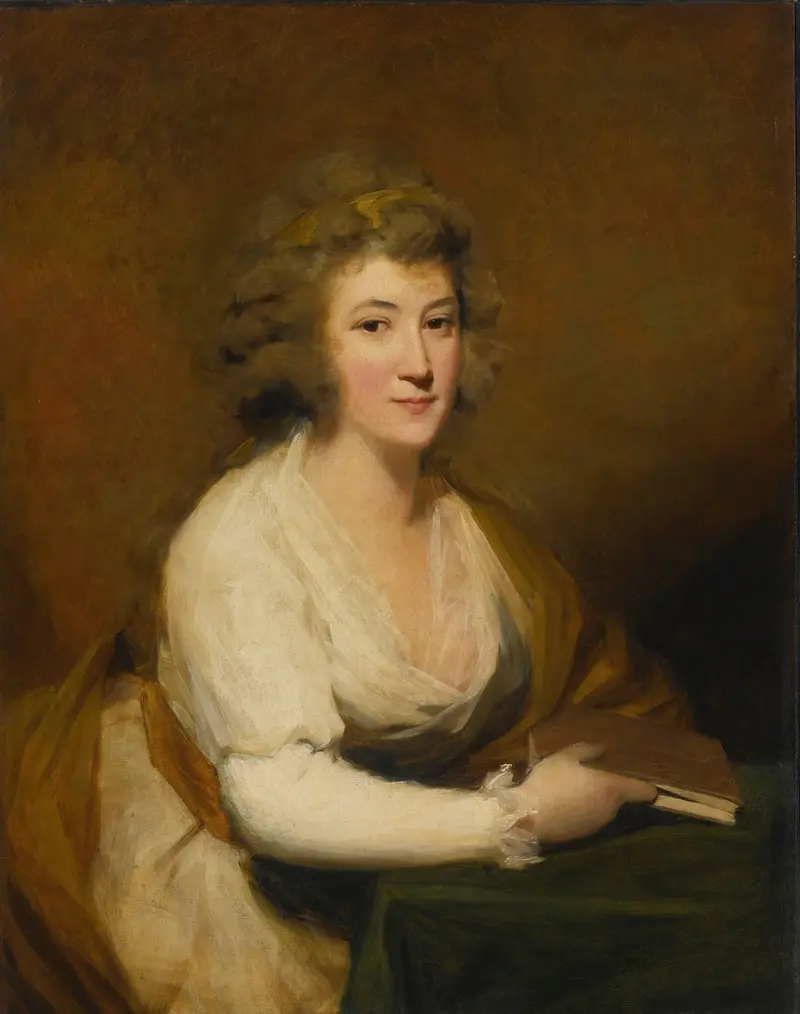
Portrait Of Lady Nasmyth, In A White Dress And Brown Shawl, Seated At A Table, Holding A Book
Sir Henry Raeburn
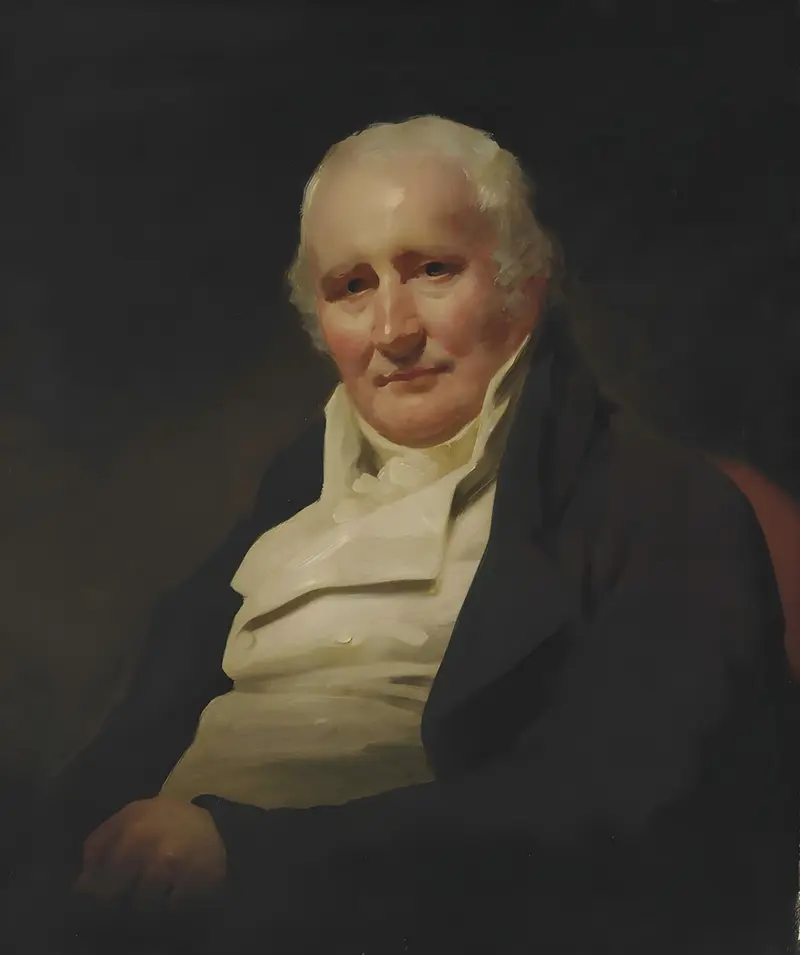
Portrait Of Mr. Spottiswood
Sir Henry Raeburn
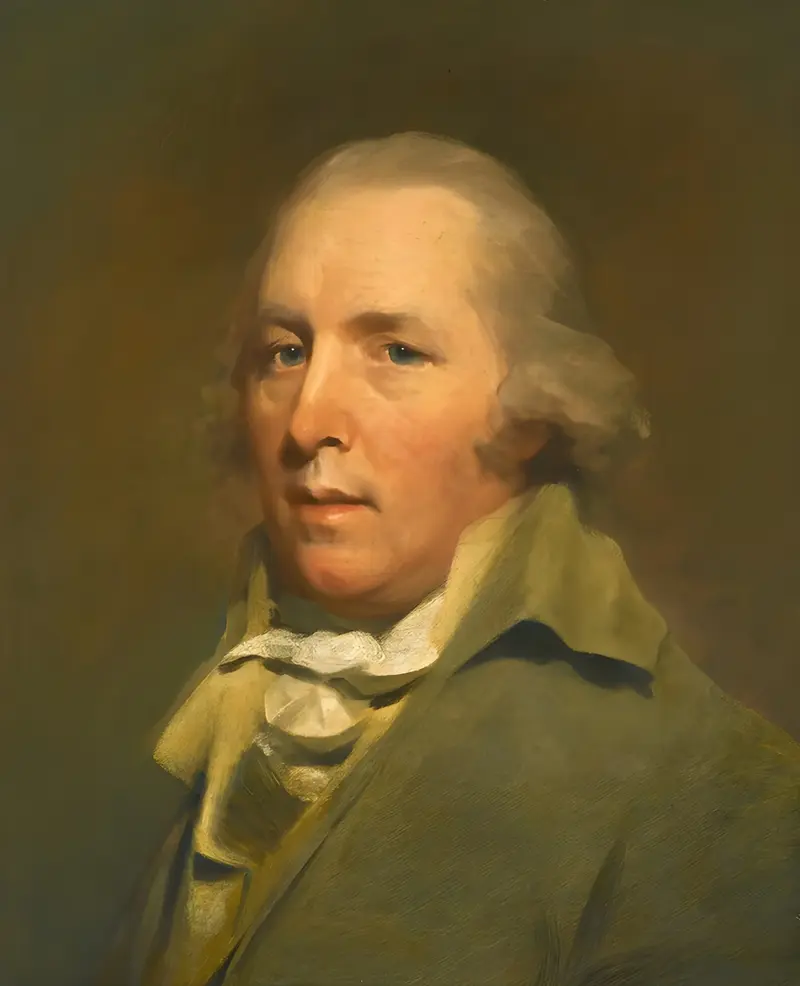
Portrait Of The Reverend John Home (1722-1808)
Sir Henry Raeburn
Portrait of William Hunt (c.1796-1854), Pittencrief House, Dunfermline
Sir Henry Raeburn





