
Picture Book in the Katsushika Style (Ehon Katsushika-buri) — History & Facts
Few artists have ever shaped the image of an entire city as thoroughly as Katsushika Hokusai did with Edo, now Tokyo, and it is in Picture Book in the Katsushika Style (Ehon Katsushika-buri) that he distilled his vision for a new generation of artists and admirers. Published in 1836, this book was not simply a collection of illustrations, but a practical manual—an open invitation to learn directly from the hand of the master himself. Its pages became so influential that, for decades, aspiring painters and printmakers across Japan copied its motifs, turning the "Katsushika style" into a household phrase. The scenes within Picture Book in the Katsushika Style are a lively parade of everyday life, fantastical creatures, and landscapes, each rendered with the brisk, confident brushwork that made Hokusai famous.
One page might show a fisherman straining against a river current, his pose echoing the dynamic movement found in Hokusai's own Thirty-Six Views of Mount Fuji, while another bursts with mythical beasts or delicate studies of plants. The artist’s playful spirit is everywhere: a dragon coils through mist, its scales picked out with quick, expressive lines; a bird perches on a branch, its feathers caught in a single, fluid stroke. Unlike the more formalized manuals of his predecessors, Hokusai’s book invites improvisation, encouraging students to see the world as a place of constant change and surprise. The original edition of Picture Book in the Katsushika Style was produced using woodblock printing, a technique that allowed for wide distribution but also meant that surviving copies today are rare and often fragile.
While the identities of its earliest owners are lost to history, we know that the book’s influence spread rapidly, shaping not only Japanese art but also inspiring Western artists who encountered it in the late nineteenth century. Today, copies are held in major museum collections, including the Museo del Prado, where they are studied as both teaching tools and works of art in their own right. For Hokusai, this book marked the culmination of decades spent experimenting with form and subject, and it remains a testament to his restless creativity and his desire to share it with the world.
More Artworks by Katsushika Hokusai

The Great Wave off Kanagawa
Katsushika Hokusai
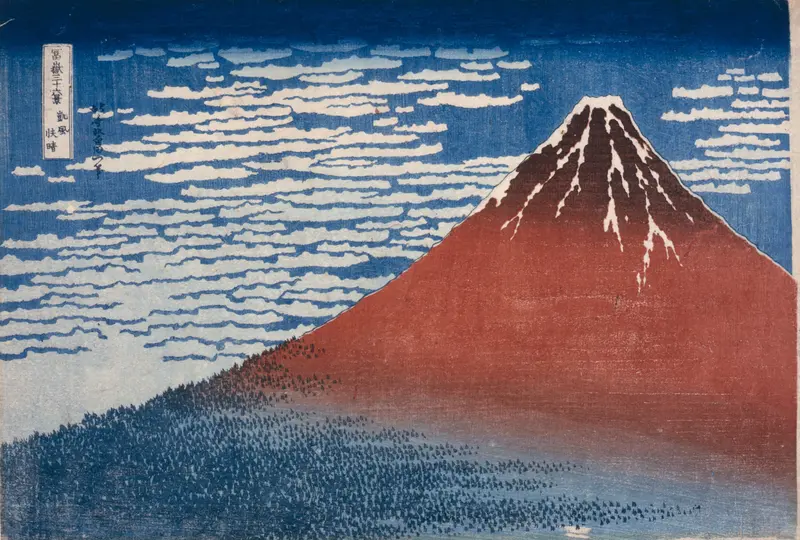
Fine Wind, Clear Morning (Red Fuji)
Katsushika Hokusai
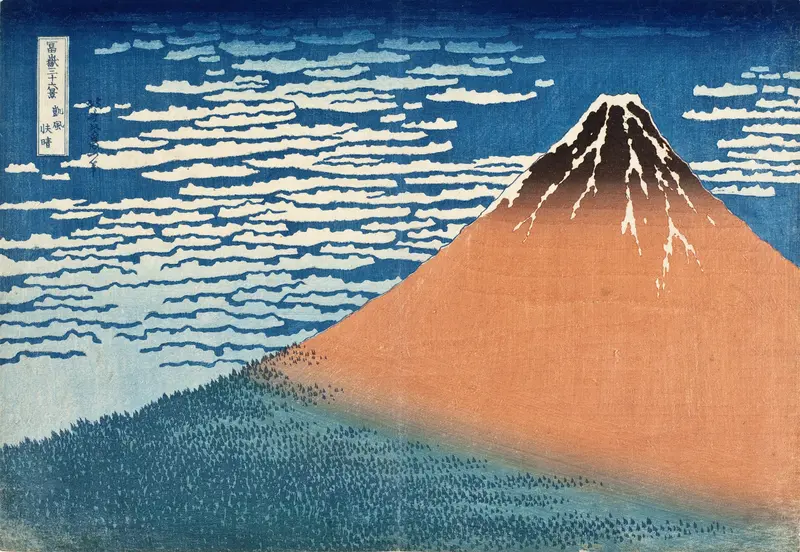
South Wind, Clear Dawn
Katsushika Hokusai
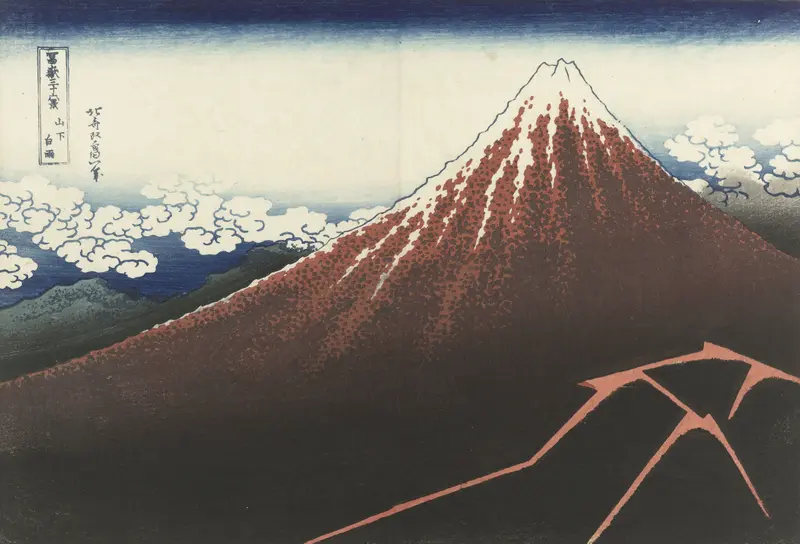
Rainstorm Beneath the Summit
Katsushika Hokusai
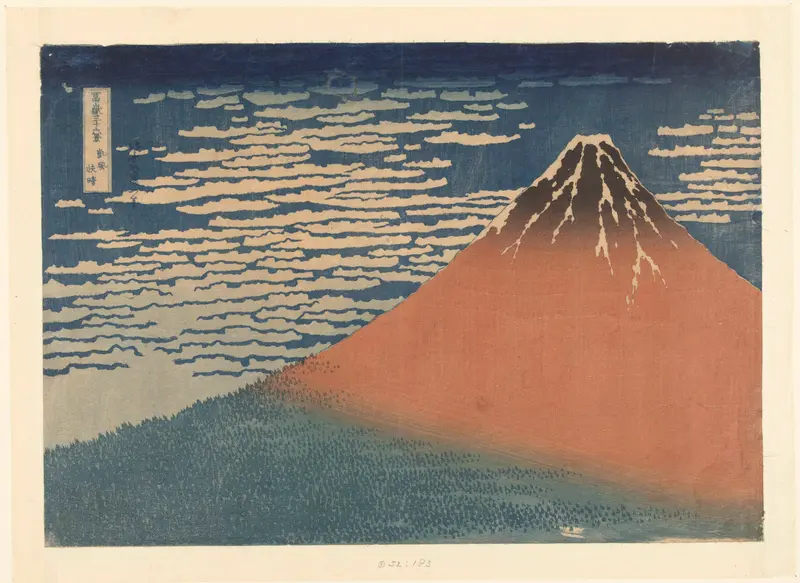
Clear Weather with a Southerly Wind
Katsushika Hokusai
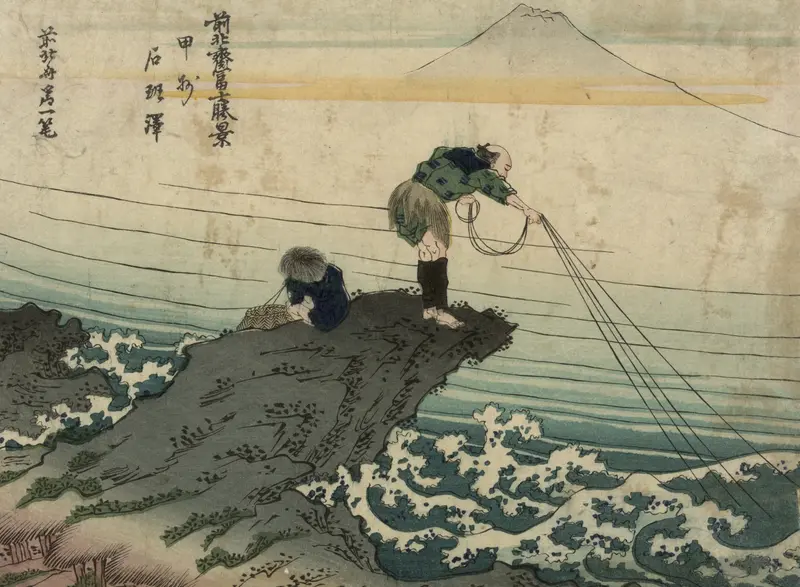
Kōshū kajikazawa
Katsushika Hokusai
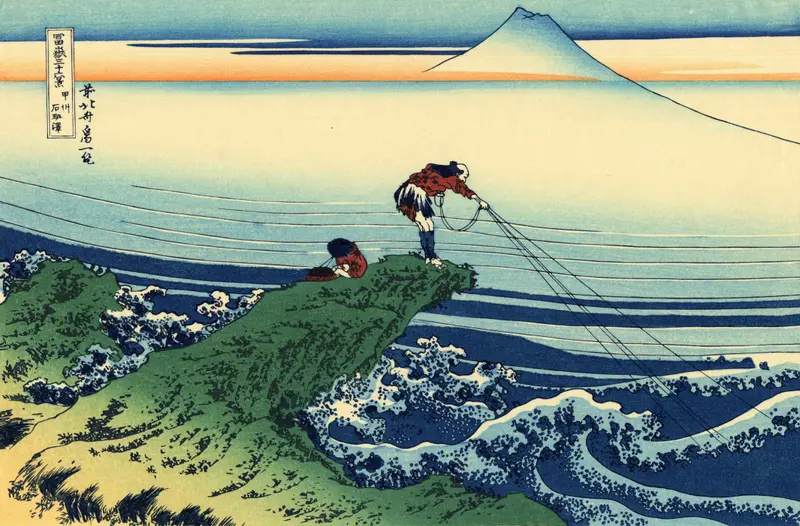
Kōshū kajikazawa 2
Katsushika Hokusai
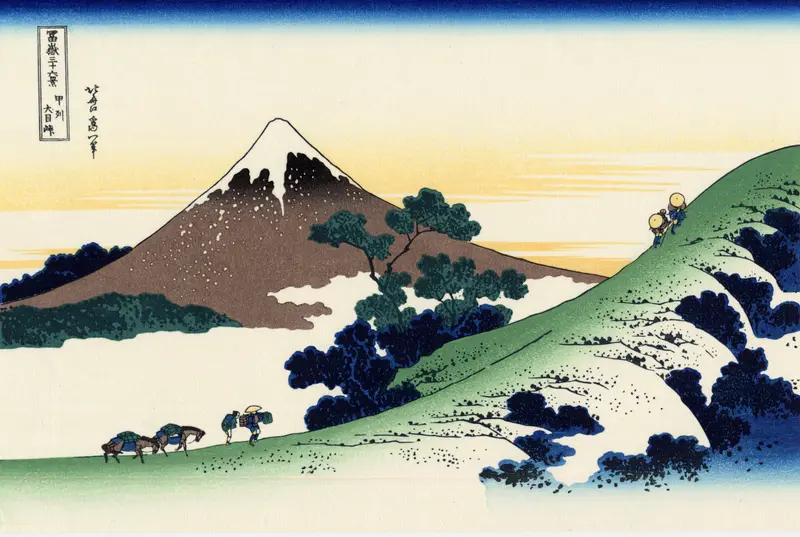
Inume Pass in Kai Province (Kôshû inume-tôge)
Katsushika Hokusai

Yoro Falls in Mino Province (Mino no Yoro no taki), from the series "A Tour of Waterfalls in Various Provinces (Shokoku taki meguri)"
Katsushika Hokusai
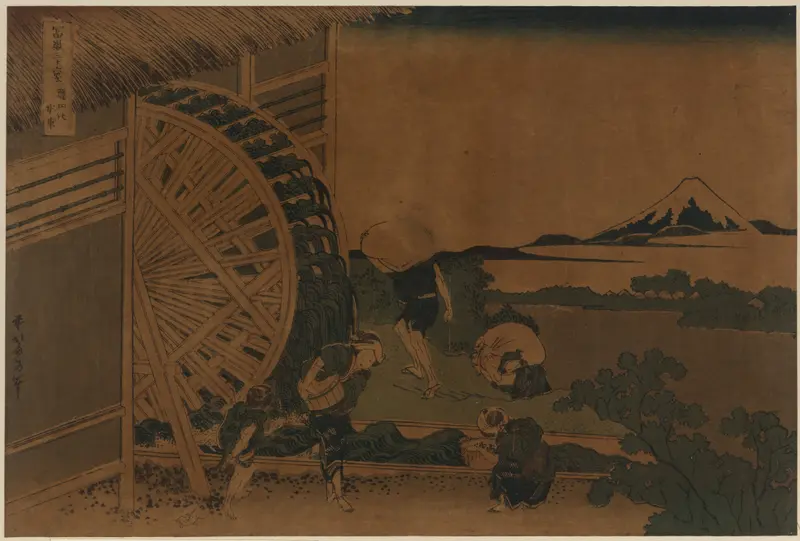
Onden no suisha
Katsushika Hokusai





