
Pietà — History & Facts
What first draws the eye in Pietà by Antonio da Correggio is the hush that falls over the scene, as if the world itself has paused in the shadowed grotto. Light pours across the lifeless body of Christ, illuminating his pale torso and the gentle, almost protective curve of Mary’s hand around his wrist. Her face, pressed close to his, is not a mask of anguish but a study in quiet resignation, her sorrow contained in the downward tilt of her head and the soft shadow that veils her eyes.
The folds of her robe, rendered in deep reds and ochres, cradle Christ’s form and anchor the composition, while the landscape beyond—barely glimpsed—offers a distant, indifferent calm. Painted around 1512, this small oil on wood belongs to a world where images like this were made for private devotion, inviting the viewer to contemplate suffering and compassion in intimate silence. In early sixteenth-century Italy, such works were often commissioned by wealthy patrons for chapels or homes, their scale and subject meant to foster personal reflection. Correggio’s handling of light and shadow, already so assured at this early date, hints at the innovations that would later define his career.
Now housed in the Museo Civico in Correggio, the painting stands as a quiet testament to the era’s search for both human tenderness and divine mystery—an invitation to linger, and look again.
More Artworks by Antonio da Correggio

Virgin and Child with the Young Saint John the Baptist
Antonio da Correggio
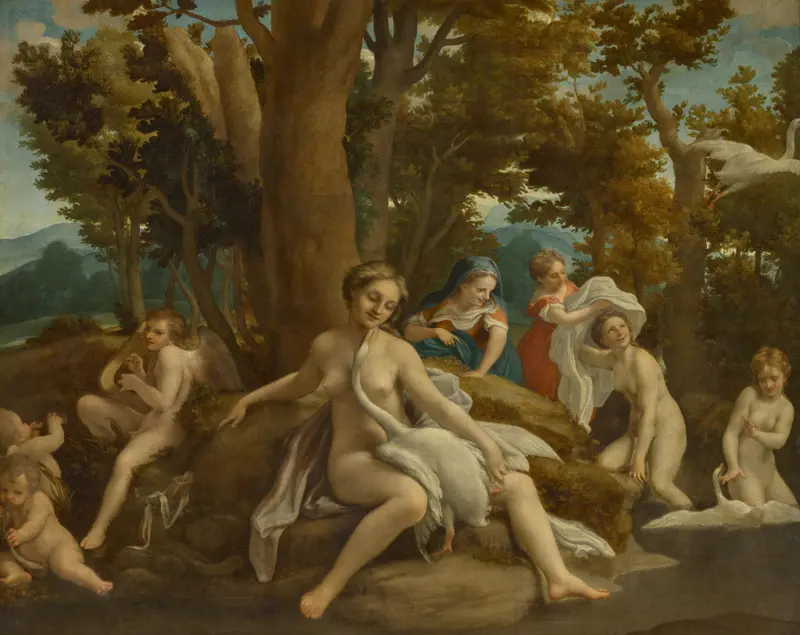
Leda and the Swan
Antonio da Correggio
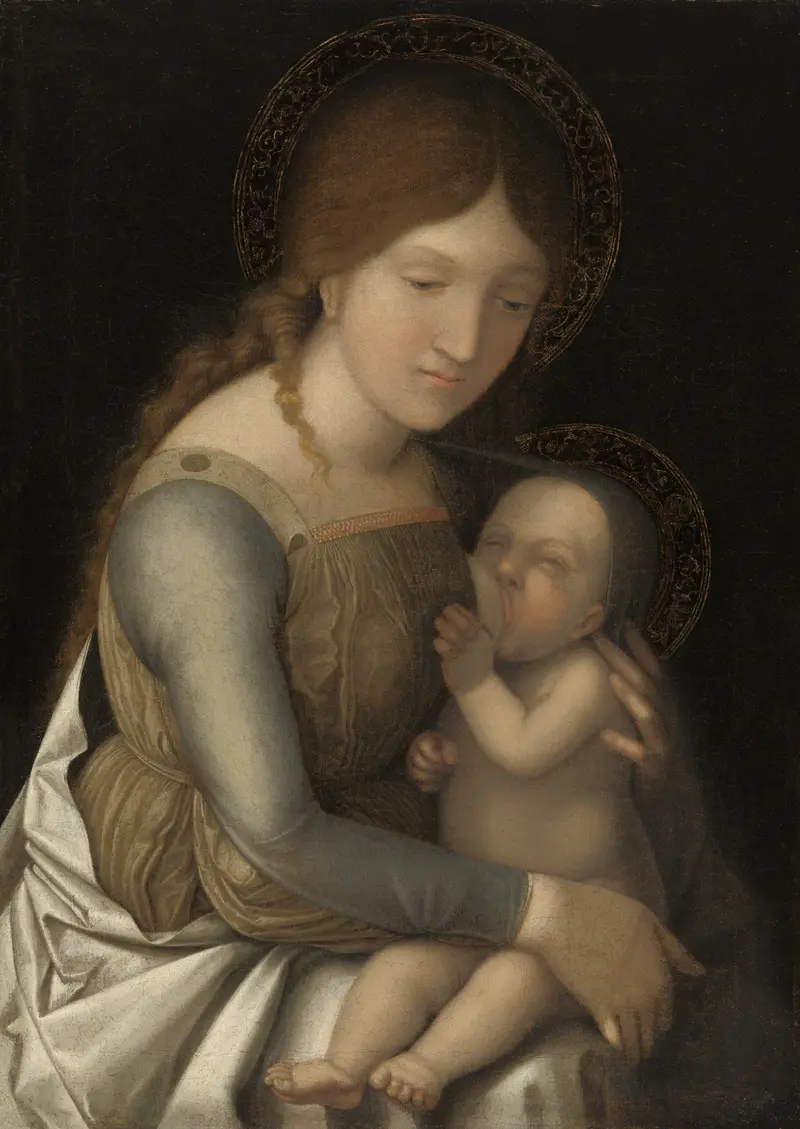
Madonna and Child
Antonio da Correggio
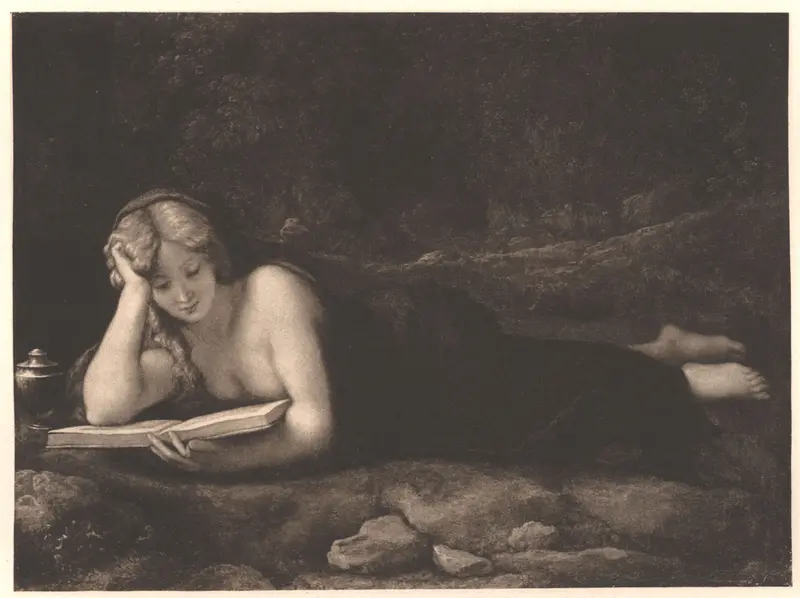
Penitent Magdalene
Antonio da Correggio
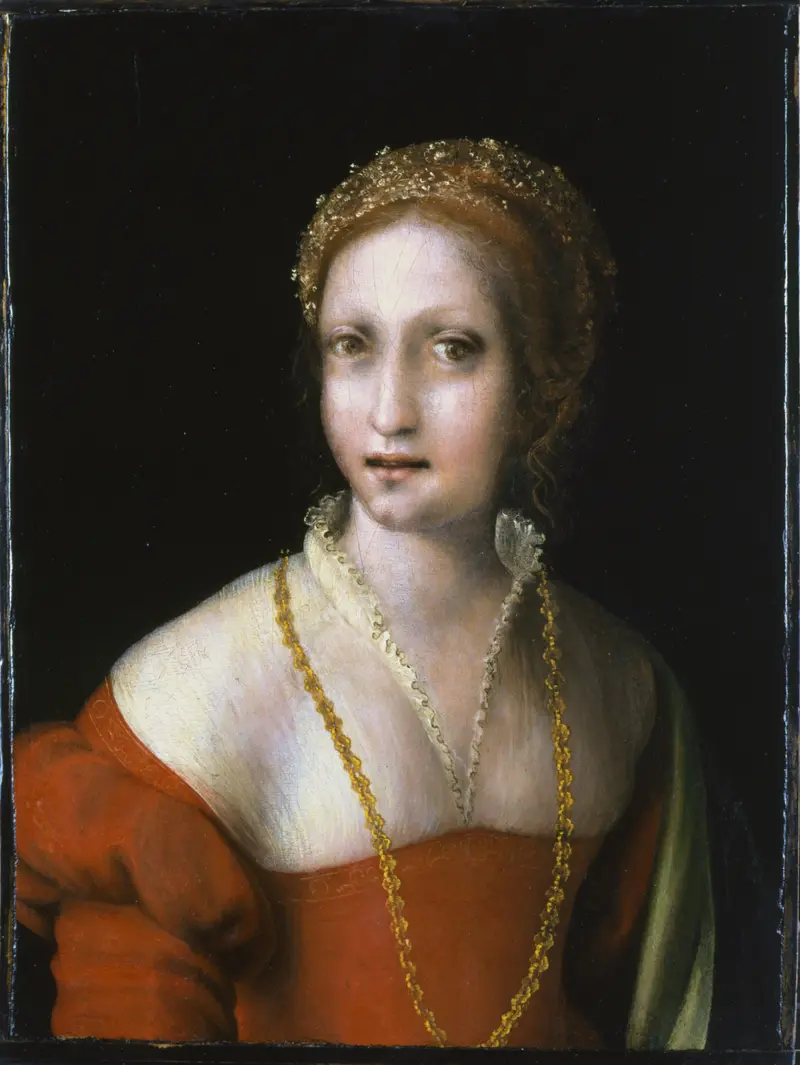
Portrait of a Young Girl
Antonio da Correggio
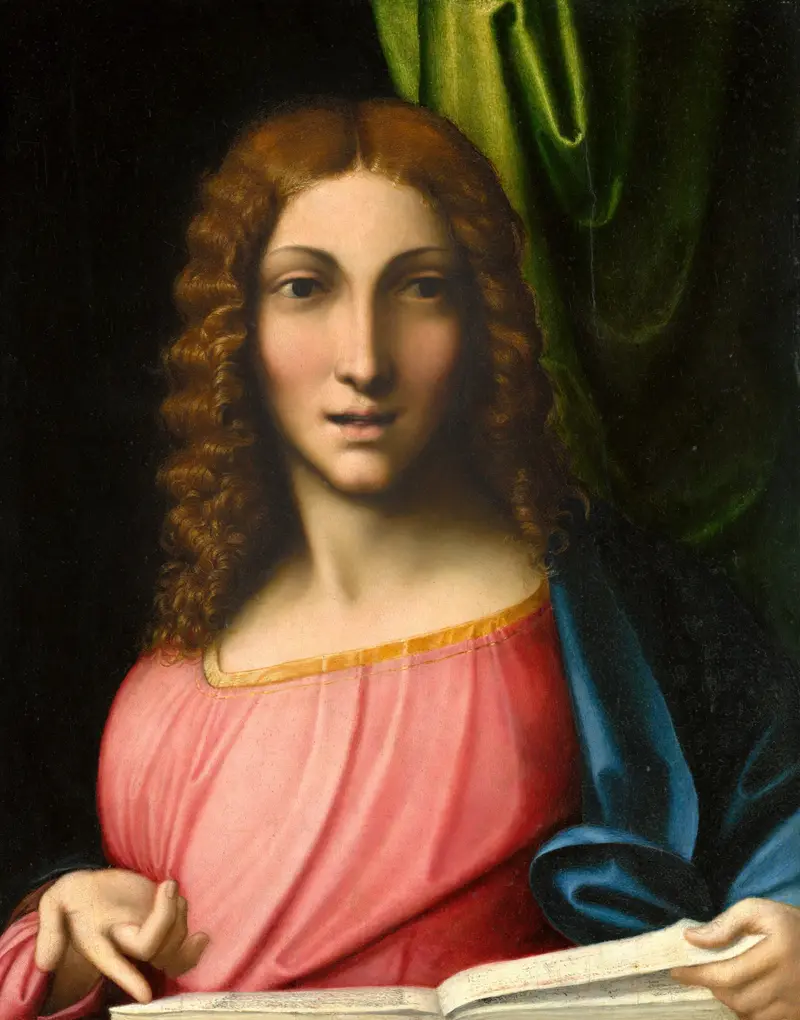
Christ in the Temple
Antonio da Correggio

Nativity
Antonio da Correggio
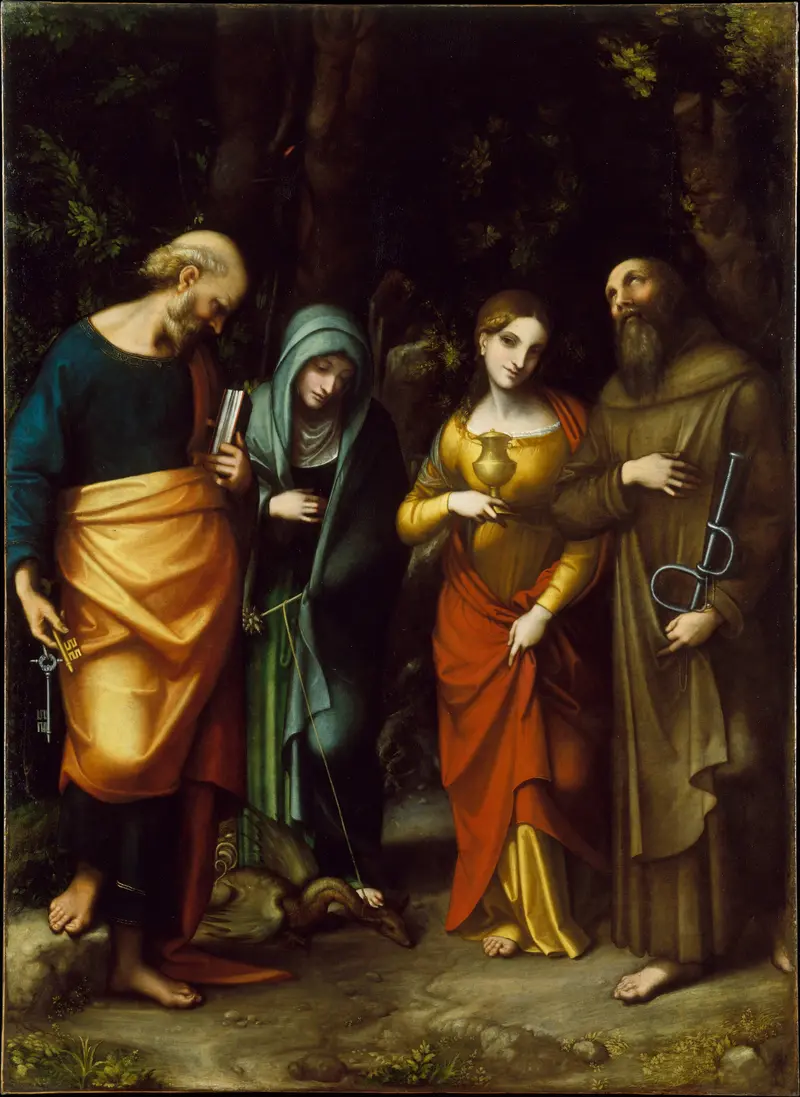
Saints Peter, Martha, Mary Magdalen, and Leonard
Antonio da Correggio
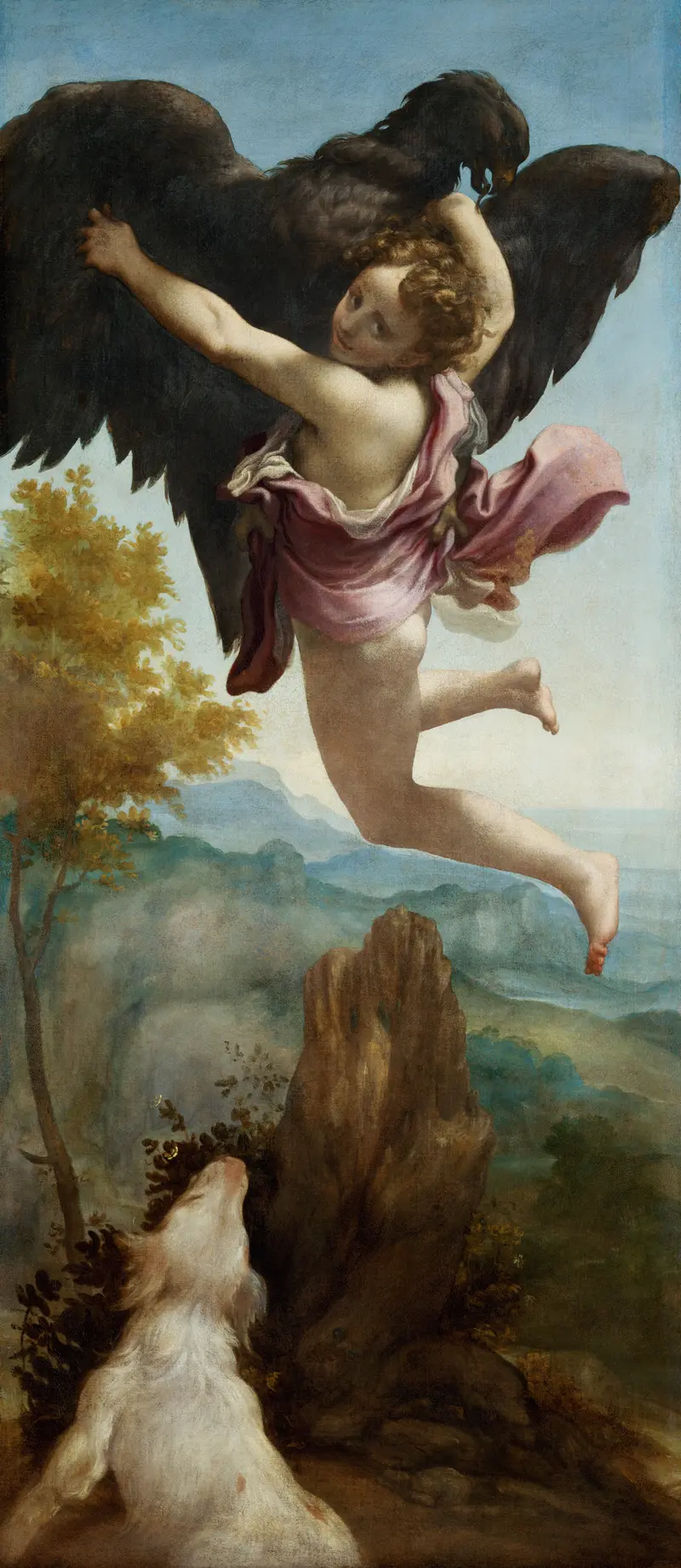
The Loves of Jupiter
Antonio da Correggio

Study for the "Madonna della Scodella" [recto]
Antonio da Correggio





