
Pilar de Jandiola — History & Facts
It is the lace collar that first catches the eye in Pilar de Jandiola by Antonio Maria Esquivel, painted in 1838. Each flower, rendered with meticulous care, seems to float above the deep black of her dress, drawing a line between the sitter’s composed elegance and the soft, shadowed world behind her. The gentle curve of her hand, holding a delicate fan, suggests a pause in conversation or perhaps a moment of quiet self-possession.
Light glances off her pale skin and the white cloth in her lap, guiding us upward to her steady gaze—reserved, but not cold. The backdrop, a heavy rose curtain and marble wall, frames her without distracting, setting the stage for her restrained poise. Portraits like this, created in the early nineteenth century, were more than likenesses—they were declarations of status, taste, and aspiration. In the Spain of Esquivel’s day, such works were often commissioned by families eager to assert their place in a changing society, where old aristocratic privileges mingled with new bourgeois ambitions.
The year 1838 places this painting at a moment when Romanticism was reshaping Spanish art, favoring both psychological depth and careful attention to costume and setting. Little is recorded about Pilar de Jandiola herself, but her presence here—serene, immaculately dressed, and slightly apart from her surroundings—invites us to imagine the world she inhabited, and to search her expression for clues to a life now largely lost to history.
More Artworks by Antonio Maria Esquivel

Baldomero Espartero
Antonio Maria Esquivel
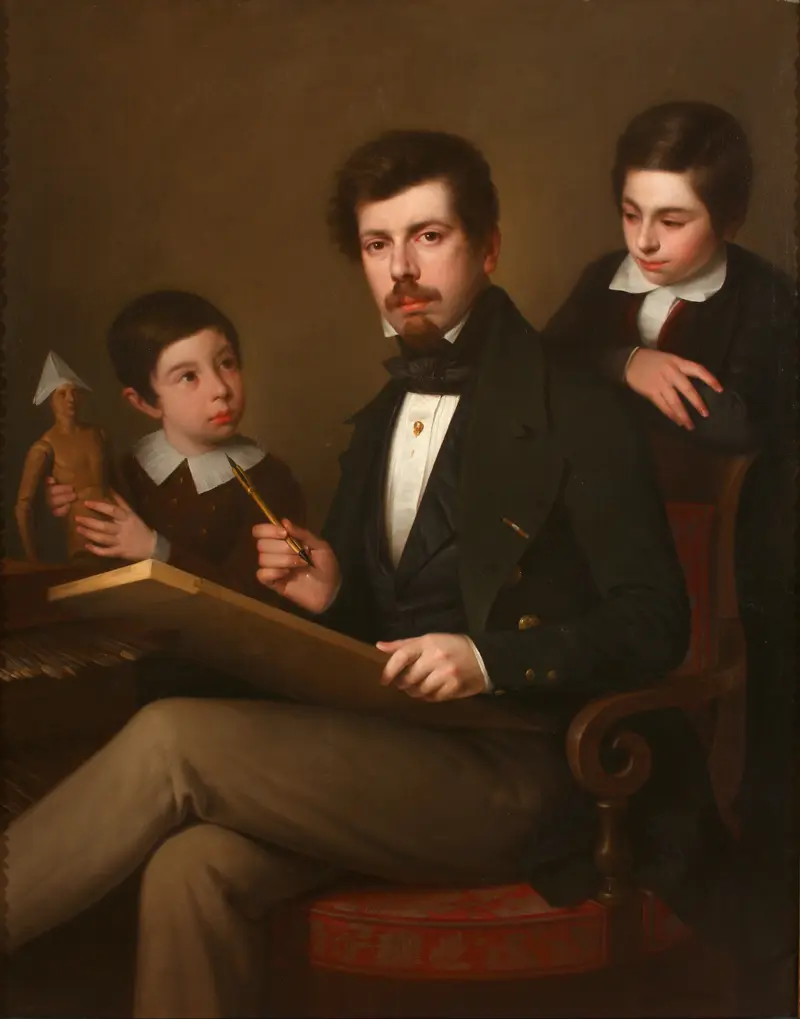
Self-portrait with his sons Carlos and Vicente
Antonio Maria Esquivel
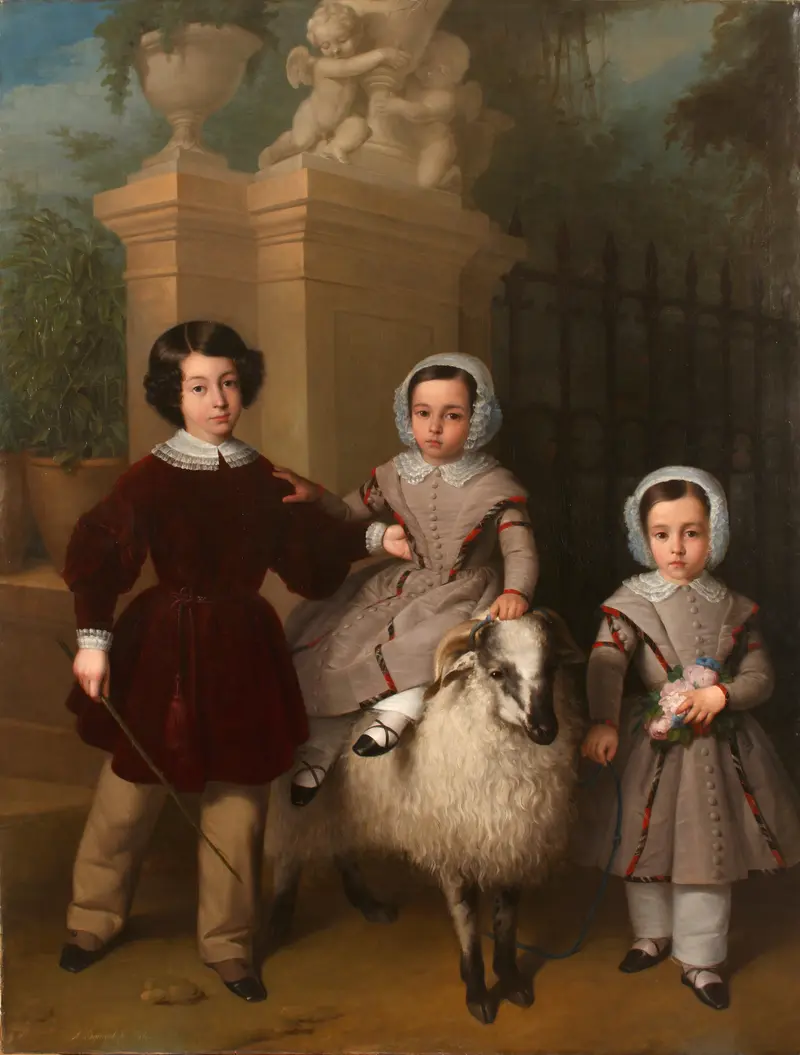
Children playing with a ram
Antonio Maria Esquivel
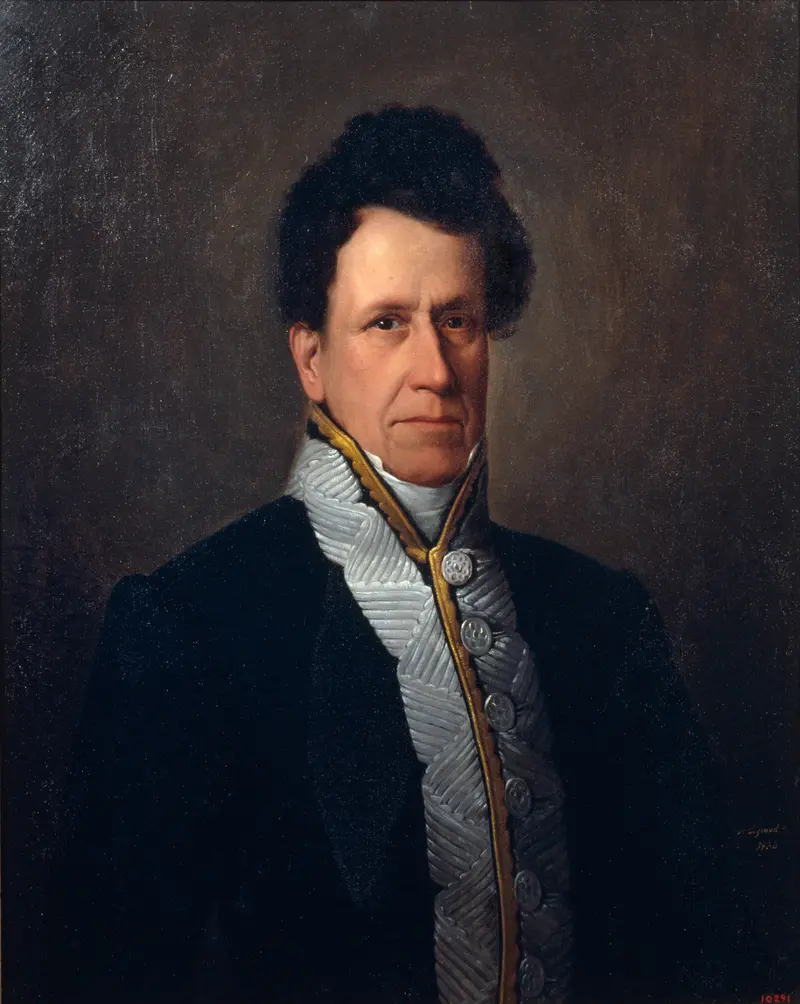
Portrait of Manuel Mª Gutiérrez
Antonio Maria Esquivel
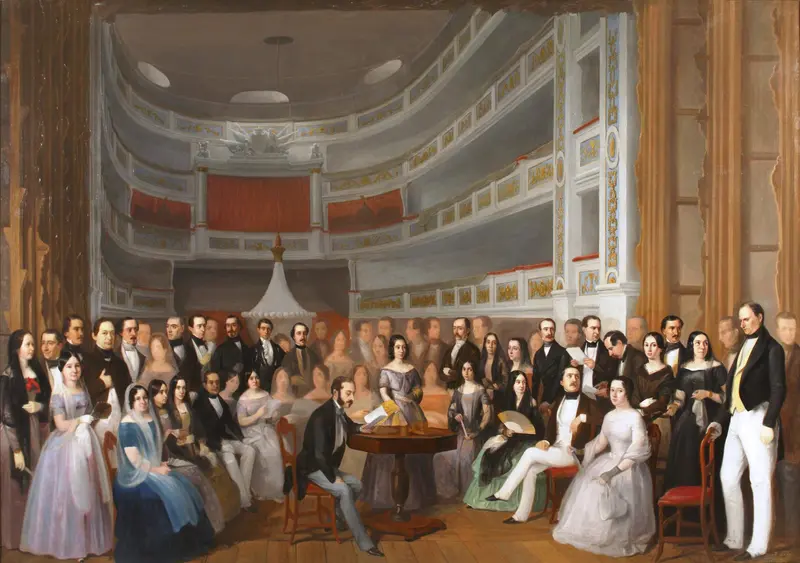
Ventura de la Vega reading a play at the Teatro del Príncipe
Antonio Maria Esquivel
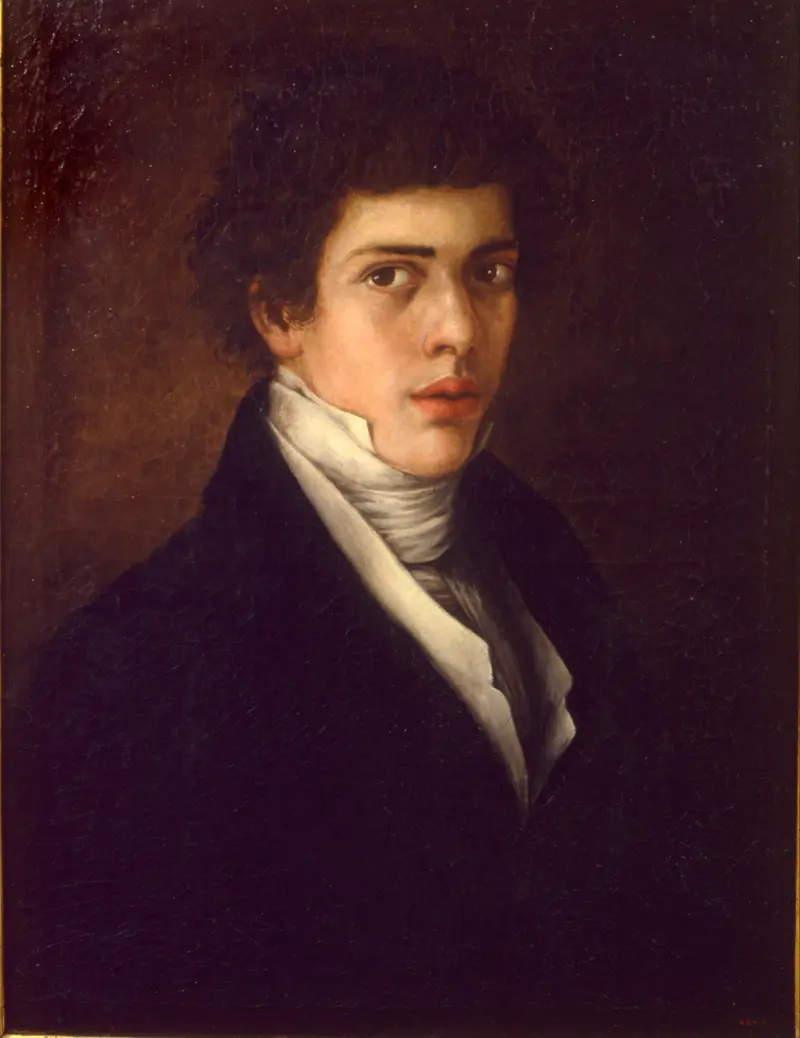
Self-portrait
Antonio Maria Esquivel
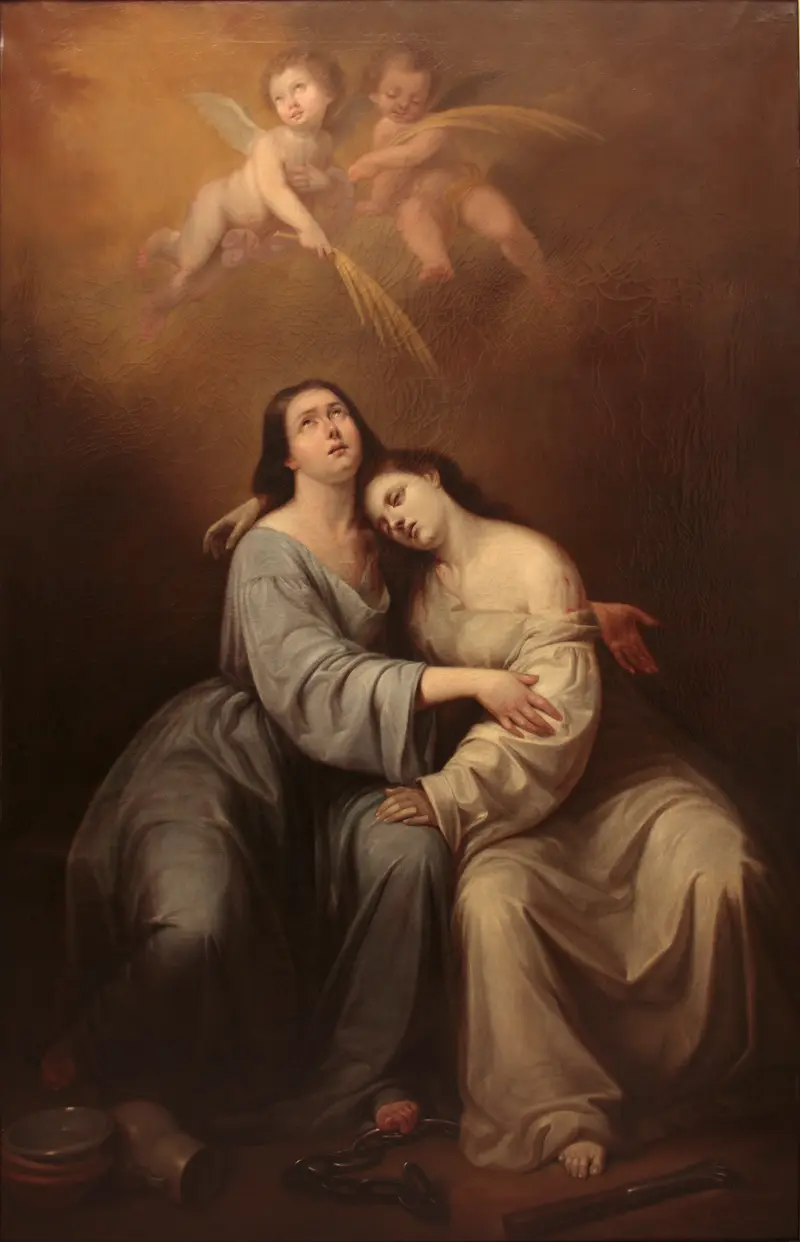
Saint Justa and Saint Rufina
Antonio Maria Esquivel
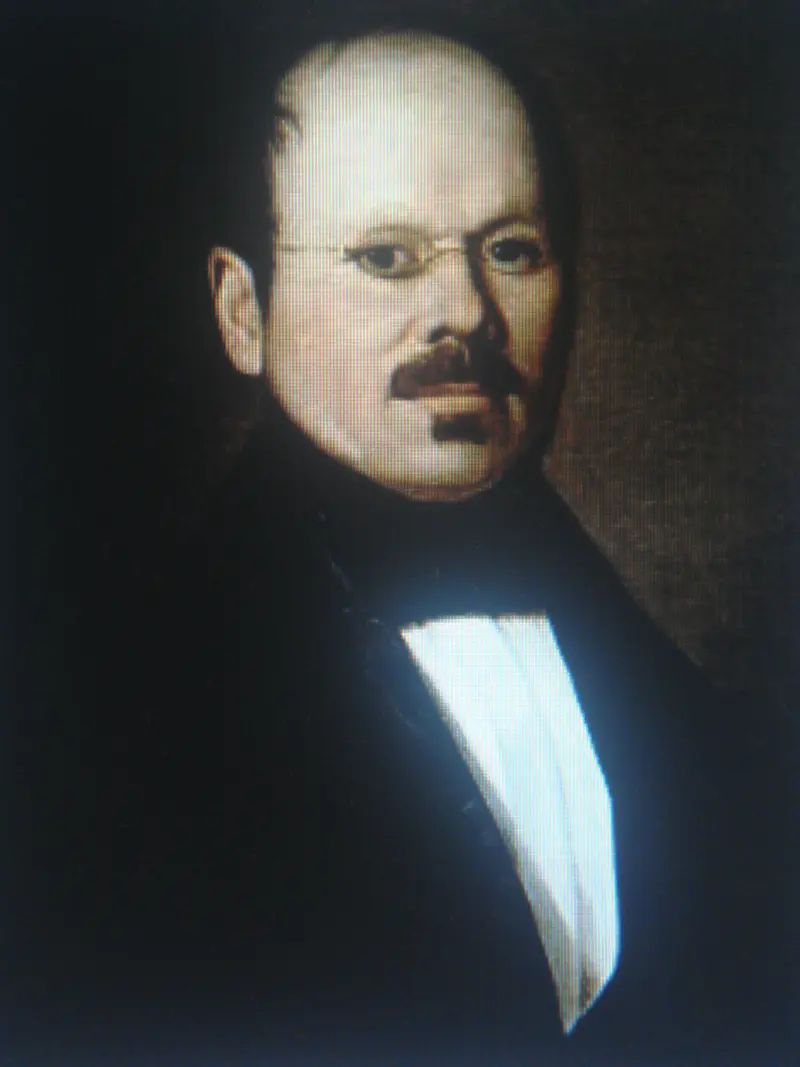
Antonio Benavides Fernández de Navarrete (Real Academia de la Historia)
Antonio Maria Esquivel
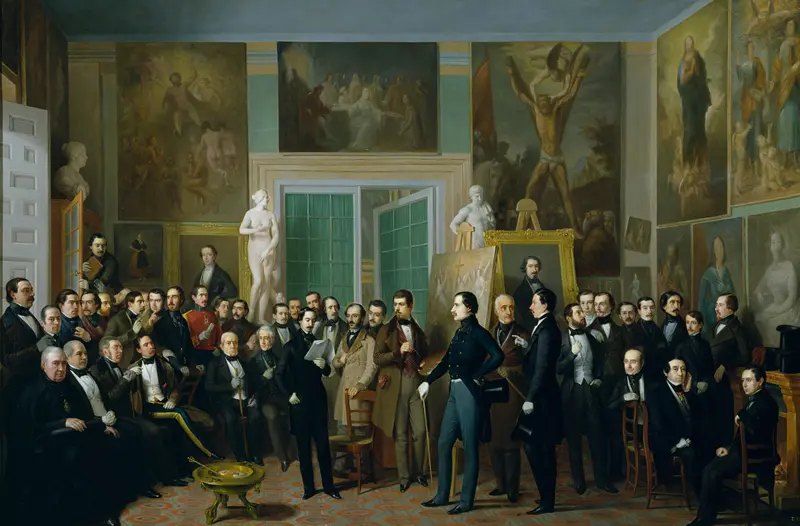
The Contemporary Poets. A Reading of Zorrilla in the Artist's Studio
Antonio Maria Esquivel
Portrait of Don Manuel José de Guerrico
Antonio Maria Esquivel





